TRENDING
How to Start Strength Training at Home: Beginner Guide

8 min read
Last updated November 6, 2026
To start strength training at home, pick five basic moves like squats, push-ups and lunges. Do two or three short sessions a week. Start with your body weight and add light weights as you get stronger.
You do not need a gym or fancy gear. A little floor space and twenty minutes are enough to begin.
Key Takeaways
- Train two or three days a week.
- Start with body weight moves.
- Focus on good form before adding weight.
- Rest at least one day between sessions.
- Warm up first and stretch after.
On This Page
- Why Strength Training Matters
- What You Need
- Five Beginner Moves
- A Simple Weekly Plan
- How to Stay Safe
- When to Get Help
- Benefits Beyond Muscles
- Learn Proper Form
- Choose Your Equipment
- How to Progress Safely
- Rest and Recovery
- Strength Training for Older Adults
- Fuel Your Workouts
- Build a Home Workout Space
- Stay Motivated With a Plan
Why Strength Training Matters
Strong muscles make daily tasks easier. Carrying groceries and climbing stairs both feel lighter.
The Centers for Disease Control and Prevention (CDC) recommends muscle-strengthening activity at least two days a week.
The Centers for Disease Control and Prevention (CDC) suggests muscle work at least two days a week for adults. It also supports healthy bones and balance.
2Days a week of muscle work the Centers for Disease Control and Prevention (CDC) suggests for adults.
What You Need
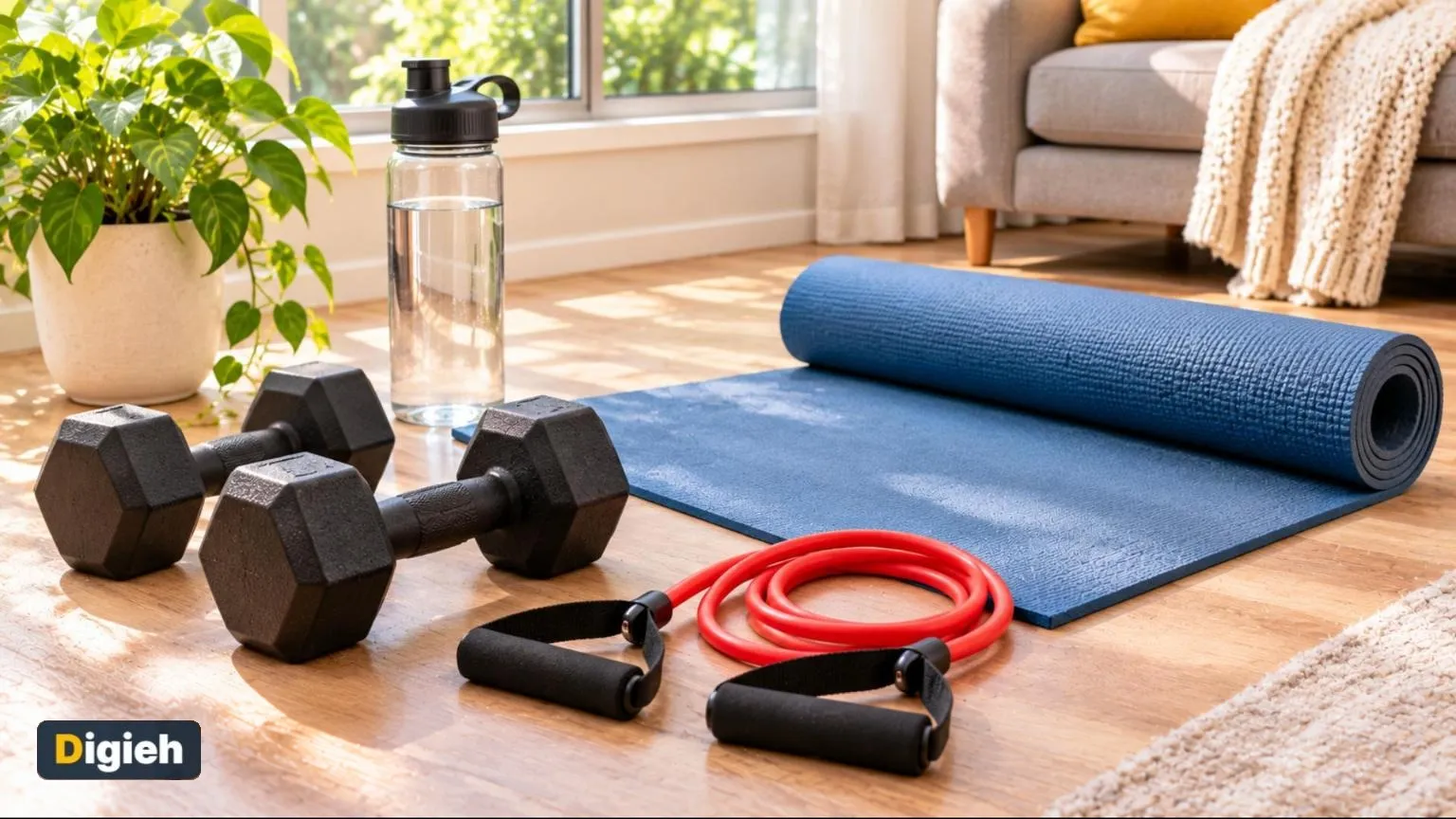
Start with a mat or a soft rug. A sturdy chair helps with some moves.
Later, add a pair of light dumbbells or resistance bands. Water bottles work too.
- Exercise mat or rug
- Sturdy chair
- Water bottle
- Comfortable shoes
- Light dumbbells or bands (optional)
- Timer or phone
Five Beginner Moves
1. Squats
Stand with feet hip-width apart. Sit back as if into a chair, then stand up.
2. Push-Ups
Start against a wall or counter. Move to the floor as you get stronger.
3. Lunges
Step forward and bend both knees. Push back to standing and switch legs.
Quick tip. Breathe out as you push or lift. Never hold your breath during a rep.
4. Glute Bridges
Lie on your back with knees bent. Lift your hips, squeeze, then lower slowly.
5. Plank
Hold your body straight on your forearms and toes. Start with 15 seconds.
Which move will you try first?
- Squats
- Push-ups
- Lunges
- Plank
A Simple Weekly Plan
The American Heart Association lists weekly activity targets for adults.
| Day | Workout |
|---|---|
| Monday | Five moves, 2 rounds |
| Tuesday | Walk or rest |
| Wednesday | Five moves, 2 rounds |
| Thursday | Walk or rest |
| Friday | Five moves, 3 rounds |
| Weekend | Light activity and stretching |
Do 8 to 12 reps of each move. Rest one minute between rounds.
Use this calculator to plan your workout time.
Workout time planner
Good to know. Feeling a little sore a day or two later is normal. Sharp pain is not.
How to Stay Safe
Warm up with five minutes of marching or arm circles. Cold muscles strain more easily.
The Centers for Disease Control and Prevention (CDC) explains how to measure how hard you are working.
Move slowly and keep your back straight. Stop if you feel sharp pain.
Talk to your doctor first if you have a health condition or past injury.
How to Keep Going
Track each workout in a notebook or app. Small wins build the habit.
Add one rep or a few seconds each week. Steady progress beats quick jumps.
Add to calendar
When to Get Help
Stop exercising and get medical help right away if you notice these signs.
- Chest pain, pressure or tightness
- Pain that spreads to the arm, back, neck or jaw
- Shortness of breath that does not ease with rest
- Sudden dizziness or fainting
- Sharp joint pain or swelling that does not go away
Learn the heart attack warning signs from the American Heart Association.
Benefits Beyond Muscles
Strength training does more than build muscle. It supports your whole body as you age.
| Benefit | How It Helps |
|---|---|
| Stronger bones | Weight-bearing exercise supports bone health |
| Better balance | Strong legs and core help prevent falls |
| Easier daily tasks | Lifting, carrying and climbing feel lighter |
| Healthy metabolism | Muscle helps your body use energy |
| Better mood | Regular exercise can lift your spirits |
These benefits grow with steady practice. Even two short sessions a week make a difference.
Learn Proper Form
Good form protects your joints and makes each move work better. Take time to learn it before adding weight.
- Move slowly and with control.
- Keep your back straight and core tight.
- Breathe out as you push or lift.
- Keep your knees in line with your toes.
- Use a mirror to check your position.
Film yourself with your phone if you train alone. Watching the video helps you spot mistakes.
Choose Your Equipment
You can build strength with very little gear. Pick what fits your space and budget.
Bodyweight
Your own body is free and always available. Squats, push-ups and planks work many muscles.
Resistance Bands
Bands are light, cheap and easy to store. They come in different strengths for gradual progress.
Dumbbells
Dumbbells let you add weight in small steps. Adjustable sets save space at home.
Household Items
Water jugs, backpacks filled with books and canned goods make handy weights.
How to Progress Safely
Your muscles adapt over time. To keep improving, slowly make workouts a little harder.
- Add one or two reps each week.
- Hold planks a few seconds longer.
- Use a slightly heavier weight once a set feels easy.
- Slow down the lowering part of each move.
- Add a third round when two feel comfortable.
Change only one thing at a time. Sudden big jumps raise the risk of injury.
Free updates
Join the Digieh list
Be the first to know when our weekly brief launches.
No spam. Unsubscribe anytime. Read our Privacy Policy.
Rest and Recovery
Muscles grow stronger during rest, not during the workout itself. Recovery is part of training.
Leave at least one day between strength sessions for the same muscle groups. Light walking on rest days helps.
Sleep well and eat enough protein. Your body needs both to rebuild muscle.
Mild soreness a day or two after a workout is normal. Sharp or lasting pain is not.
Strength Training for Older Adults
Strength training is safe and helpful for many older adults. It supports independence and balance.
Start with chair-based moves, like sit-to-stands and seated leg lifts. Hold a sturdy surface for balance exercises.
The Centers for Disease Control and Prevention (CDC) explains how staying active helps prevent falls.
Ask your doctor before starting if you have heart, bone or joint conditions.
Fuel Your Workouts
Food gives you energy to train and recover. You do not need special products.
- Eat a balanced meal or snack a few hours before training.
- Include protein foods like eggs, beans, fish or yogurt.
- Drink water before, during and after exercise.
- Choose whole grains, fruits and vegetables for energy.
Most people can meet their protein needs through regular meals. Talk to a doctor before trying supplements.
Build a Home Workout Space
A small, dedicated space makes it easier to stay consistent. You do not need a full gym.
Clear a spot with enough room to lie down and stretch your arms. Keep your mat and weights nearby.
Good lighting and a little music make workouts more pleasant.
Keep the space tidy so you can start a workout in seconds. Fewer barriers make it easier to show up on busy days.
Stay Motivated With a Plan
A clear plan makes it easier to stick with strength training. Decide which days you will train and write them on your calendar.
Pair workouts with something you enjoy, like a favorite playlist or podcast. Train with a friend or family member for extra support.
Set small goals, like doing ten full push-ups or holding a plank for a minute. Celebrate each milestone you reach.
Common Strength Training Mistakes
Beginners often make a few simple mistakes. Fixing them early helps you stay safe and see progress.
- Skipping a warm-up before lifting
- Rushing through each movement
- Holding your breath during hard lifts
- Training the same muscles every single day
Move slowly and control each step of the exercise. Good form matters more than lifting heavy weights.
Track Your Strength Progress
Tracking your workouts helps you stay motivated. It also shows when you are ready for a bigger challenge.
Write down each exercise, the weight and the number of reps. A simple notebook or phone note works well.
Look back after a month to see how far you have come. Small gains show your hard work is paying off.
Make It a Lasting Habit
Schedule workouts like appointments on your calendar. Even short sessions done often lead to real results over time.
Find a workout buddy or join an online group for support. Sharing your goals makes it easier to stay on track.
Try this today. Do 10 slow squats and 10 wall push-ups today. Write down how many you can do and try one more next week.
Test Yourself
How many days a week should beginners train?
- Every day
- Two or three
- Once a month
Rest days help muscles recover.
Where should beginners start push-ups?
- Against a wall
- With one arm
- With weights on the back
Wall push-ups build strength safely.
Frequently Asked Questions
How often should beginners lift weights?
Two or three days a week with rest days between.
Can I build strength without weights?
Yes. Body weight moves build real strength for beginners.
How long should a workout last?
Twenty to thirty minutes is plenty to start.
When will I see results?
Most people feel stronger within four to six weeks.
How do I know when to add more weight?
Add a little weight when you can easily finish all your reps with good form.
Can older adults do strength training?
Yes. Start with chair-based moves and ask a doctor first if you have health conditions.
Do I need protein supplements?
Most people get enough protein from regular meals. Ask a doctor before trying supplements.
Is muscle soreness normal?
Mild soreness for a day or two is normal. Sharp or lasting pain is not.
Wrapping Up
Clear a little floor space and try your first session today. Small, steady workouts add up fast.
Find more ways to move with our winter activity ideas. Recover well with our tips to sleep better in winter.
Found this useful?
Editor’s Note
This guide is accurate as of November 6, 2026. It is general fitness information, not medical advice.
Spot an error in this article? Please contact us at support@digieh.com or read our Corrections Policy.
Keep exploring
Your next read is waiting
 1Finance & MarketsHow to Teach Kids About Money: Simple Lessons8 min read
 2SportsJump Rope Workout for Beginners: Easy Plan8 min read
 3HealthHow to Reduce Screen Time: 5 Simple Steps8 min read
 4BusinessUber Plans to Grow Its Robotaxi Fleet Fast4 min read
 5NewsBee Hives Are a Surprising Living Immune System4 min read
 6AI & TechGemini Omni 1.2 Flash Is Faster and Cheaper4 min read