TRENDING
How to Wash Your Hands Properly to Stop Germs
Learn how to wash your hands properly to stop germs this flu season. Follow five easy steps, know when to wash and when hand sanitizer is a good backup.

8 min read
Last updated November 8, 2026
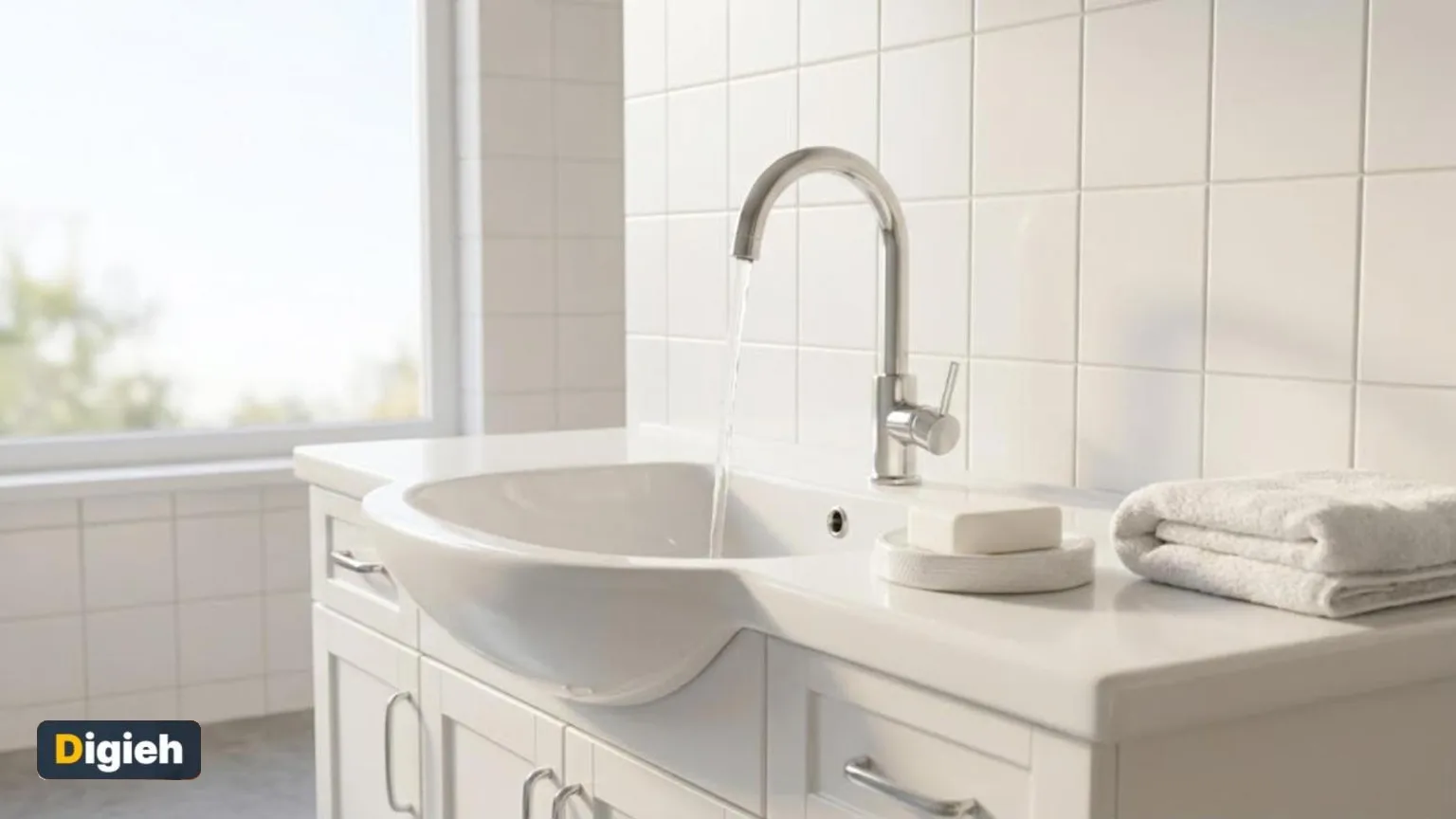
To wash your hands properly, wet them with clean water and lather with soap. Scrub every part, including backs, between fingers and under nails, for at least 20 seconds. Rinse well and dry with a clean towel or air dryer.
Handwashing is one of the simplest ways to stop germs from spreading. It matters even more during cold and flu season.
Key Takeaways
- Scrub for at least 20 seconds.
- Clean backs of hands, thumbs and nails.
- Plain soap works well.
- Use hand sanitizer when soap is not available.
- Wash before eating and after the bathroom.
On This Page
- Why Handwashing Matters
- How to Wash Your Hands Step by Step
- When to Wash Your Hands
- Soap vs Hand Sanitizer
- Teach Kids Good Habits
- How Soap Removes Germs
- How Long Is 20 Seconds?
- Spots People Often Miss
- Warm or Cold Water?
- Dry Your Hands Well
- Handwashing in the Kitchen
- Stay Healthy During Flu Season
- Clean Hands Around Babies
- Clean Hands on the Go
- At Work and School
- Keep Nails Short and Clean
- Caring for Someone Who Is Sick
- Handwashing Myths
- Choose the Right Soap
Handwashing also matters during outbreaks. Read our Ebola outbreak update to learn how the virus spreads.
Why Handwashing Matters
Germs spread easily from hands to the eyes, nose and mouth. Washing removes many of them.
The Centers for Disease Control and Prevention (CDC) calls handwashing an easy way to help prevent illness.
Most people miss the same spots. Thumbs, fingertips and the backs of hands often get skipped.
A few extra seconds on those areas makes a real difference.
20Seconds of scrubbing with soap is the agency’s handwashing guide.
How to Wash Your Hands Step by Step
1. Wet Your Hands
Use clean running water, warm or cold.
2. Add Soap
Lather well, covering all surfaces.
3. Scrub for 20 Seconds
Rub palms, backs, between fingers and under nails. Hum the birthday song twice.
Quick tip. Use a paper towel to turn off the faucet in public restrooms.
4. Rinse Well
Rinse under clean running water.
5. Dry Completely
Use a clean towel or air dryer. Wet hands spread germs more easily.
How long do you usually wash your hands?
- Under 10 seconds
- 10 to 20 seconds
- 20 seconds or more
- Not sure
When to Wash Your Hands
| Situation | Why |
|---|---|
| Before eating or cooking | Keeps germs out of food |
| After using the bathroom | Removes harmful germs |
| After coughing or sneezing | Stops spreading illness |
| After touching pets or trash | Removes dirt and bacteria |
| After coming home | Clears germs from outside |
Use this calculator to see how many times you wash daily.
Daily handwash counter
Good to know. Hand sanitizer works best on hands that are not visibly dirty.
- Soap at every sink
- Clean towels
- Hand sanitizer for travel
- Hand cream
- Step stool for kids
Soap vs Hand Sanitizer
Soap and water work best, especially when hands look dirty or greasy.
When soap is not around, use a hand sanitizer with at least 60 percent alcohol. Rub until dry.
Teach Kids Good Habits
Make it fun with songs or timers. Keep a step stool by the sink.
Wash together so kids can copy you.
Praise them when they scrub the full 20 seconds. Small rewards build lasting habits.
Care for Dry Hands
Frequent washing in winter can dry skin. Apply a fragrance-free hand cream after washing.
Cracked skin can let germs in, so keep hands moisturized.
Add to calendar
How Soap Removes Germs
Soap works in a clever way. Its molecules grab onto oil and dirt on your skin, along with the germs stuck in them.
When you rinse, the water carries everything down the drain. Scrubbing helps lift germs from the tiny lines in your skin.
That is why rinsing with water alone is not enough. Plain water cannot break up the oils that trap germs.
How Long Is 20 Seconds?
Most people wash for far less time than they think. Twenty seconds can feel long at the sink.
A simple trick is to hum the “Happy Birthday” song twice from start to finish. You can also count slowly to 20 in your head.
Some people keep a small timer near the sink for kids. A song or game makes the habit stick.
Spots People Often Miss
Many people scrub their palms well but skip other areas. Germs love hiding in hard-to-reach spots.
- Backs of the hands
- Between the fingers
- Thumbs
- Fingertips and under nails
- Wrists
Rub your fingertips against your palm in small circles. Wrap one hand around each thumb and twist.
Warm or Cold Water?
Many people believe hot water kills more germs. In fact, water hot enough to kill germs would burn your skin.
The agency says warm and cold water both remove germs when you use soap. Choose a temperature that feels comfortable.
Comfortable water helps you wash longer. Very hot water can also dry out your skin.
Dry Your Hands Well
Drying is part of washing, not an extra step. Germs spread more easily from wet hands than dry ones.
Use a clean towel or a paper towel. Change shared hand towels at home often.
Air dryers work too if you dry your hands fully. Rub your hands together under the dryer until no moisture remains.
Handwashing in the Kitchen
Cooking brings extra chances to spread germs. Raw meat, eggs and unwashed produce can carry bacteria.
The agency explains handwashing habits for the kitchen. Wash before, during and after you prepare food.
Wash right after touching raw chicken, meat or seafood. Then wash again before you handle fresh fruit or bread.
Free updates
Join the Digieh list
Be the first to know when our weekly brief launches.
No spam. Unsubscribe anytime. Read our Privacy Policy.
Stay Healthy During Flu Season
Cold and flu germs spread fast in fall and winter. Clean hands are one of your best defenses.
The agency lists everyday actions to help prevent flu. These include washing hands often and avoiding touching your eyes, nose and mouth.
Wash after you blow your nose, cough or sneeze. Also wash when you get home from shopping or travel.
Clean Hands Around Babies
Babies have young immune systems, so clean hands matter even more. Wash before you feed, hold or bathe a baby.
Always wash after changing a diaper. Clean the changing area too.
Ask visitors to wash their hands when they arrive. Most people are happy to help protect a little one.
Toddlers can start learning early. Let them splash and scrub with you at the sink.
Clean Hands on the Go
Travel days bring lots of shared surfaces. Think door handles, seat trays and touch screens.
Pack a small bottle of sanitizer in your bag. The agency suggests a sanitizer with at least 60 percent alcohol when soap is not available.
Wash with soap at the first chance. A quick restroom stop is worth the time.
At Work and School
Shared keyboards, phones and desks collect germs. Wash your hands before lunch and after meetings.
Keep tissues and sanitizer on your desk. Encourage coworkers or classmates to do the same.
Stay home when you feel sick if you can. It helps protect people around you.
Keep Nails Short and Clean
Germs can hide under long nails. Short nails are easier to keep clean.
Scrub under your nails with soap during each wash. A soft nail brush can help after gardening or cooking.
The American Academy of Dermatology (AAD) shares tips for healthy nails. Healthy nails and cuticles help protect your skin from germs.
Caring for Someone Who Is Sick
Extra handwashing protects you and others in your home. Wash before and after you care for a sick person.
Wash after you handle tissues, dishes or laundry they used. Keep a separate hand towel for the sick person if you can.
Clean shared surfaces like doorknobs and remotes often. Clean hands and clean surfaces work best together.
Handwashing Myths
Myth one says antibacterial soap works better. For most people at home, plain soap works just as well.
Myth two says a quick rinse is enough. Without soap and scrubbing, many germs stay on your skin.
Myth three says sanitizer replaces washing. It helps, but soap and water remain the best choice.
Choose the Right Soap
Any regular soap works well for clean hands. You do not need special or expensive brands.
People with sensitive skin may prefer fragrance-free soap. Strong scents can cause dryness or irritation for some.
Pump bottles are easy for kids and guests to use. Refill them from larger containers to save money and plastic.
Teach children to sing a short song while they scrub. It helps them wash long enough without a timer.
Try this today. Wash your hands right now and count slowly to 20 while you scrub. Pay extra attention to your thumbs and fingertips.
Test Yourself
How long should you scrub your hands?
- 5 seconds
- At least 20 seconds
- 2 minutes
Twenty seconds removes more germs.
What alcohol level should hand sanitizer have?
- At least 60 percent
- 10 percent
- No alcohol
The agency suggests at least 60 percent alcohol.
In related news, read British Doctor With Ebola Treated at London Hospital.
Frequently Asked Questions
Does water temperature matter?
No. Warm or cold water both work with soap.
Is antibacterial soap better?
Plain soap works well for most people.
How long should I scrub?
At least 20 seconds.
Can hand sanitizer replace washing?
It helps, but soap and water are best when available.
Is it okay to use bar soap?
Yes. Bar soap and liquid soap both work when you scrub for 20 seconds.
Should I wash my hands after using my phone?
It helps, especially before eating. Phones touch many surfaces and collect germs.
Wrapping Up
Make 20-second handwashing a habit this season. It is a small step that protects your whole family.
Stay well on the road with our healthy holiday travel tips. Plan ahead with our flu shot 2026 guide.
Read next. Easy Proven Fixes for Dry Cracked Hands in Winter
Found this useful?
Editor’s Note
This guide is accurate as of November 6, 2026. It is general health information, not medical advice.
Spot an error in this article? Please contact us at support@digieh.com or read our Corrections Policy.
Keep exploring
Your next read is waiting
 1MedicinesIs Sugar an Electrolyte? The Simple Science Answer7 min read
 2Home & KitchenFridge Without Power: How Long Food Stays Safe7 min read
 3HealthAthlete’s Foot: Symptoms, Treatment and How to Prevent7 min read
 4Pets & AnimalsCat Urinary Problems: Signs That Need Urgent Care7 min read
 5Beauty & Personal CareDandruff vs Dry Scalp: Signs, Causes and Treatment7 min read
 6HealthPinched Nerve in the Neck: Symptoms and Relief7 min read