TRENDING
Keratosis Pilaris: Causes, Treatment and Smoother Skin Tips
Keratosis pilaris explained: what causes rough chicken skin bumps, creams that help, a simple weekly routine, winter tips, look-alikes and when to see a doctor.

7 min read
Last updated November 26, 2026
Keratosis pilaris causes small, rough bumps on the skin, often on the upper arms, thighs and cheeks. Many people call it chicken skin because it looks like permanent goose bumps.
It is harmless and not contagious. There is no cure, but gentle exfoliating creams and regular moisturiser make the skin smoother. It often gets worse in dry winter weather.
Health note. This article is for general information only and is not medical advice. See a doctor if bumps are painful, spreading fast or full of pus.
Key Takeaways.
- Keratosis pilaris is very common in children and young adults.
- It happens when dead skin plugs the openings of hair follicles.
- It is harmless, not infectious and often fades with age.
- Creams with urea, lactic acid or salicylic acid can smooth the bumps.
- Scrubbing hard or picking usually makes it worse.
Jump to a section
- What keratosis pilaris is
- Signs
- Causes and who gets it
- Keratosis pilaris or something else?
- Should I see a doctor?
- Ingredients that help
- A simple weekly routine
- Why winter makes it worse
- Things to avoid
- When to Get Help
- Questions to Ask Your Doctor
- Frequently Asked Questions
- Sources
- Conclusion
What Is Keratosis Pilaris?
Keratin is a tough protein that protects the skin. In keratosis pilaris, extra keratin builds up and plugs the tiny openings where hairs grow.
Each plug forms a small, hard bump about 1 to 2 millimetres across. Keratosis means a build-up of keratin. Pilaris comes from the word for hair, explains the Primary Care Dermatology Society.
Very commonKeratosis pilaris is typically seen in children and young adults, says the British Skin Foundation.
Signs
- Small, rough bumps that feel like sandpaper.
- Bumps on the upper arms, thighs, buttocks or cheeks.
- Skin colour, red or brown bumps around hair follicles.
- Dry, rough skin around the bumps.
- Mild itching in some people.
- Redness on the cheeks in children.
These signs come from the Primary Care Dermatology Society and Patient.info. The bumps usually do not hurt.
Causes and Who Gets It
Doctors do not fully understand the cause. It seems to run in families, so genes play a big part, says the British Skin Foundation.
| More likely if you have | Why |
|---|---|
| A parent or sibling with it | It often runs in families |
| Eczema | Both involve a weaker skin barrier |
| Very dry skin | Dry skin makes keratin plugs more likely |
| Ichthyosis vulgaris | A dry, scaly skin condition linked to it |
| Diabetes | More common, says a UK dermatology group |
Sources: Primary Care Dermatology Society and Patient.info, checked November 26, 2026.
If you also have eczema, see our guide to calming eczema in winter.
Keratosis Pilaris or Something Else?
| Condition | Main clues |
|---|---|
| Keratosis pilaris | Rough, dry bumps on upper arms and thighs, no pus, not sore |
| Acne | Spots, blackheads and pus, usually on face, chest and back |
| Folliculitis | Itchy or sore red spots around hairs, often after shaving |
| Eczema | Itchy, dry, red patches rather than separate bumps |
General comparison based on British Skin Foundation and Patient.info information, checked November 26, 2026.
A doctor can usually tell by looking. Tests are rarely needed.
Should I See a Doctor?
Tap the signs you have. The bars show the best next step. This is a guide, not a diagnosis.
- Rough bumps on upper arms for years
- Bumps are itchy
- No better after 3 months of creams
- Bumps are very red or sore
- Spots with pus
- Rash spreading quickly
- Worried it is something else
Where do you get keratosis pilaris?
- Upper arms
- Thighs
- Cheeks
- Not sure
Ingredients That Help
| Ingredient | What it does | Tips |
|---|---|---|
| Urea | Softens and loosens keratin plugs | Low strengths suit daily use |
| Lactic acid | Gently dissolves dead skin and hydrates | May sting on broken skin |
| Salicylic acid | Clears plugs inside the follicle | Avoid large areas in children |
| Plain emollient | Keeps skin soft and supple | Use daily, even when skin looks better |
| Retinoid creams | Speed up skin turnover | Prescription only, can irritate |
Sources: Patient.info and Primary Care Dermatology Society, checked November 26, 2026.
Treatment improves the skin but does not clear it completely, the British Skin Foundation notes. Results can take several weeks.
Thinking about retinoids? Read our guide to retinol for beginners first.
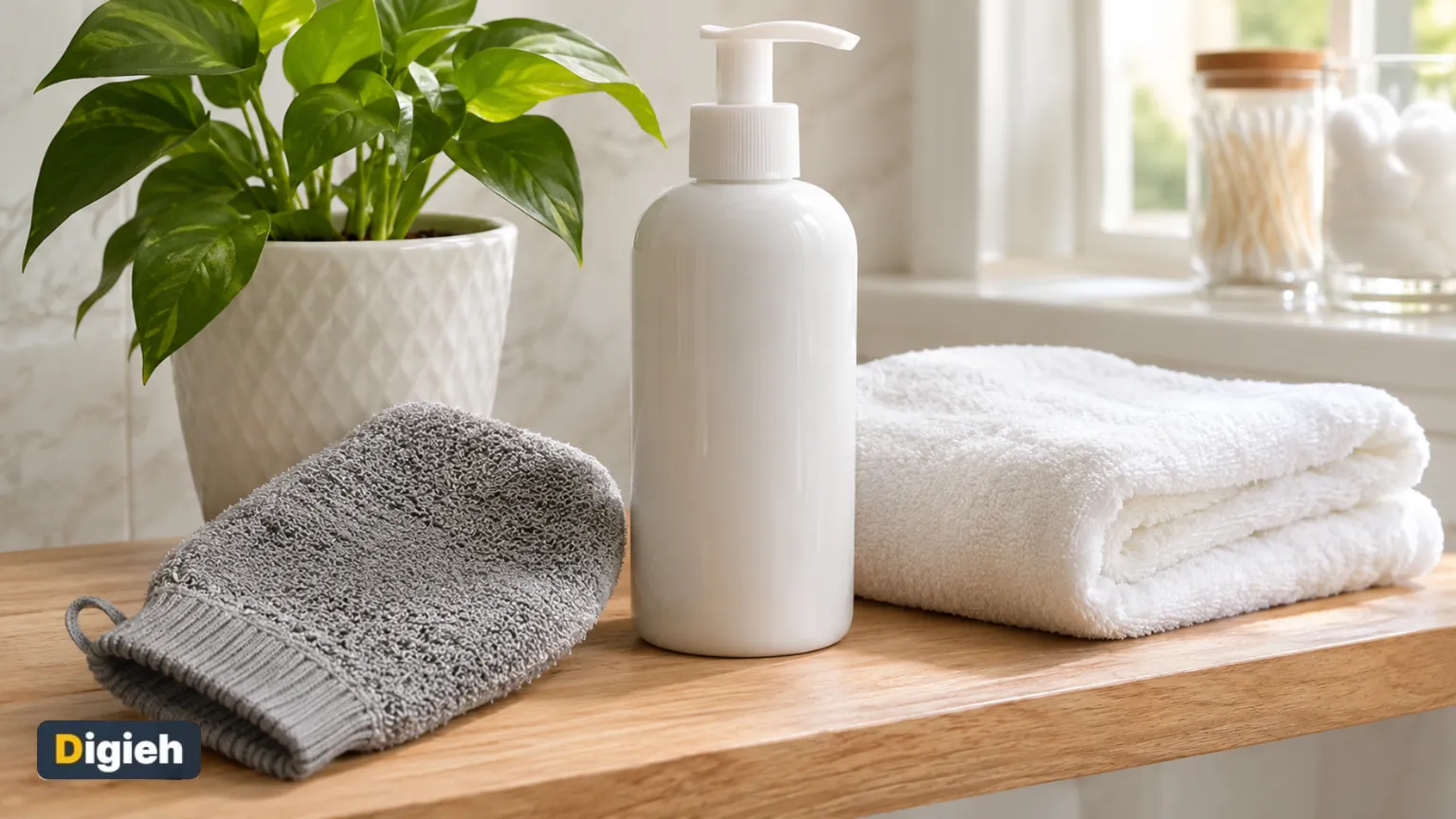
A Simple Weekly Routine
- Shower in lukewarm water, not hot.
- Wash with a mild, soap-free cleanser.
- Pat skin dry gently with a towel.
- Apply a urea or lactic acid lotion within a few minutes.
- Use a plain moisturiser on other days.
- Use a soft exfoliating mitt once or twice a week.
- Keep going for at least 6 to 8 weeks.
Try this today. Apply lotion while skin is still slightly damp. It locks in water and spreads more easily.
Why Winter Makes It Worse
Cold air outside and heating inside both pull moisture from the skin. Dry skin makes keratin plugs more likely, so bumps often look worse in winter.
- Use a humidifier in your bedroom.
- Moisturise twice a day in winter.
- Wear soft cotton next to the skin.
- Avoid long, hot baths.
These tips follow Patient.info advice. Many people see the bumps improve in summer.
For more help, see our winter skincare guide.
Free updates
Join the Digieh list
Be the first to know when our weekly brief launches.
No spam. Unsubscribe anytime. Read our Privacy Policy.
Things to Avoid
- Do not scrub hard with rough brushes.
- Do not pick or squeeze the bumps.
- Avoid harsh soaps and strong fragrances.
- Do not use strong acids on broken or irritated skin.
- Avoid tight clothes that rub the area.
Picking can leave dark marks and small scars, especially on darker skin. Be patient and let creams do the work slowly.
Before using any new lotion all over, test it on a small patch of skin for two days first.
Keratosis Pilaris in Children
Children often have keratosis pilaris on the cheeks and upper arms. It is harmless and many children grow out of it.
Use a gentle, fragrance-free moisturiser every day. Ask a pharmacist before using acid creams on young children.
Does It Go Away?
Keratosis pilaris often fades in adult life, but not always, says the British Skin Foundation. Regular care keeps it under control in the meantime.
Keratosis Pilaris on the Face
On the cheeks, keratosis pilaris often looks like redness with tiny rough bumps. Facial skin is more delicate, so go gently.
- Use a mild, fragrance-free face moisturiser.
- Try a low-strength lactic acid product only a few nights a week.
- Wear sunscreen every day, as acids can make skin sensitive.
- Stop any product that stings or burns.
Keratosis Pilaris and Confidence
Some people feel self-conscious about rough bumps on their arms or legs. Remember it is very common and harmless.
A steady routine usually makes skin look and feel much better within two months. If it is affecting your mood, talk to your doctor.
Laser and Other Treatments
Laser treatments can reduce redness for some people. They are usually paid privately and results vary, so ask a dermatologist first.
What helps keratosis pilaris most?
- Scrubbing hard every day
- Regular moisturiser and gentle exfoliating creams
- Hot baths
Gentle care works best. Hard scrubbing and hot water dry the skin and make bumps worse.
Keratosis Pilaris Myths
- It is caused by poor hygiene. It runs in families and has nothing to do with washing.
- It is contagious. You cannot catch it from someone.
- Scrubbing removes it. Hard scrubbing irritates skin and makes it look worse.
- It is a food allergy. There is no proof diet causes it.
When to Get Help
Most people do not need a doctor. See one if the bumps are sore, spreading quickly, full of pus or not improving with creams. The Primary Care Dermatology Society notes a doctor can prescribe stronger options.
Also see a doctor if you are unsure what the bumps are. Go too if they upset you a lot. The National Health Service has more advice on self-care.
Questions to Ask Your Doctor
- Is this definitely keratosis pilaris?
- Which cream strength is right for me?
- Can I use acid creams on my child?
- Would a prescription cream help?
- How long should I try a treatment?
- Could laser help with redness?
Frequently Asked Questions
Does keratosis pilaris go away?
It often fades with age, but there is no quick cure.
Is keratosis pilaris worse in winter?
Yes, dry air usually makes the bumps rougher.
Can I shave over keratosis pilaris?
Yes, but use a sharp razor and shaving gel to avoid irritation.
Is it linked to eczema?
Yes, it is more common in people with eczema.
Sources
- British Skin Foundation: Keratosis pilaris
- Primary Care Dermatology Society: Keratosis pilaris
- Patient.info: Keratosis pilaris
Conclusion
Keratosis pilaris is common, harmless and manageable. Gentle daily care keeps the bumps smoother, especially in winter.
Next step: switch to lukewarm showers and use a urea or lactic acid lotion for eight weeks. See a doctor if bumps are sore or spreading.
Editor’s Note
This article is accurate as of November 26, 2026. Facts come from the British Skin Foundation, the Primary Care Dermatology Society and Patient.info.
Spot an error in this article? Please contact us at support@digieh.com or read our Corrections Policy.
Keep exploring
Your next read is waiting
 1HealthNosebleed: How to Stop It Fast and Safely7 min read
 2Pets & AnimalsFleas on Dogs and Cats: Treatment and Prevention7 min read
 3Beauty & Personal CareDandruff vs Dry Scalp: Signs, Causes and Treatment7 min read
 4HealthFungal Nail Infection: Signs, Treatment and Healing Time7 min read
 5HealthHand Foot and Mouth Disease: Symptoms, Care, Spread7 min read
 6HealthIngrown Toenail: Home Care, Prevention and Warning Signs7 min read
Found this useful?