TRENDING
Ganglion Cyst on the Wrist: Causes and Treatment
Ganglion cyst explained: symptoms, lumps that need checking, who gets it, self-care, treatment options compared, what not to do and when to see a doctor.

7 min read
Last updated November 25, 2026
A ganglion cyst is a smooth, fluid-filled lump. It usually sits on the wrist or hand near a joint. It is harmless and often goes away on its own.
If it does not hurt, you can usually leave it alone. Do not try to pop it or hit it, as this can cause injury or infection.
Health note. This article is for general information only and is not medical advice. See a doctor about any lump that is hard, growing, painful or hot.
Key Takeaways.
- It is the most common lump in the hand, says the American Academy of Orthopaedic Surgeons.
- It is more common in women and people aged about 15 to 40.
- More than half go away without treatment.
- It may take several months to a year to improve on its own.
- Cysts can come back, even after removal.
Jump to a section
- What it is
- Symptoms
- Ganglion cyst or another lump?
- Who gets it
- Official advice compared
- Should I see a doctor?
- Self-care
- Treatment options compared
- What not to do
- When to Get Help
- Questions to Ask Your Doctor
- Frequently Asked Questions
- Sources
- Conclusion
What Is a Ganglion Cyst?
A ganglion cyst is a sac of jelly-like fluid that grows from a joint or the lining of a tendon. It is attached by a small stalk.
It most often appears on the back of the wrist. It can also form on the palm side, a finger or the top of the foot, say orthopaedic surgeons.
More than halfGanglion cysts that go away on their own, according to the American Academy of Orthopaedic Surgeons.
Symptoms
- A smooth, soft lump under the skin.
- Size from smaller than a pea to a few centimetres.
- A lump that grows with activity and shrinks with rest.
- Usually no pain, but it can ache when the joint moves.
- Tingling, numbness or weakness if it presses on a nerve.
These signs come from the National Health Service and the American Academy of Orthopaedic Surgeons.
Ganglion Cyst or Another Lump?
| Sign | Ganglion cyst | Lipoma (fatty lump) | Lump that needs checking |
|---|---|---|---|
| Feel | Smooth, firm or squashy | Soft, rubbery | Hard, fixed |
| Moves under skin | Slightly | Yes | Often does not move |
| Size changes | Grows and shrinks | Slow, steady | Keeps growing |
| Light shines through | Often yes | No | No |
| Pain | Sometimes | Rarely | Varies |
Sources: National Health Service and American Academy of Orthopaedic Surgeons, checked November 25, 2026. A doctor should check any new lump.
Who Gets It
- People aged about 15 to 40.
- Women more than men.
- Gymnasts and others who stress their wrists.
- People with arthritis in the finger joints.
- People who have injured the joint.
These risk groups are listed by the American Academy of Orthopaedic Surgeons. Often the cause is not known.
Official Advice Compared
| Question | National Health Service (UK) | American Academy of Orthopaedic Surgeons (US) |
|---|---|---|
| Leave it? | Often gets better on its own | Many need no treatment |
| Self-care | Anti-inflammatory painkillers, wrist supports | Brace or splint to limit activity |
| Treatment | Draining, steroid injection or surgery | Draining or surgery |
| Comes back? | Usually not after removal, but sometimes | Possible even after surgery |
Sources: National Health Service and American Academy of Orthopaedic Surgeons, checked November 25, 2026.
Should I See a Doctor?
Tap what applies. The bars show the best next step. This is a guide, not a diagnosis.
- Soft, painless lump on the wrist
- It aches when I move my wrist
- Tingling or numbness in my fingers
- It is getting bigger
- It is hard and does not move
- It is very painful, hot or red
- I am worried about it
Where is your cyst?
- Back of the wrist
- Palm side of the wrist
- Finger
- Not sure
Self-Care
- Leave a painless cyst alone and watch it.
- Take ibuprofen or similar painkillers if it aches and they are safe for you.
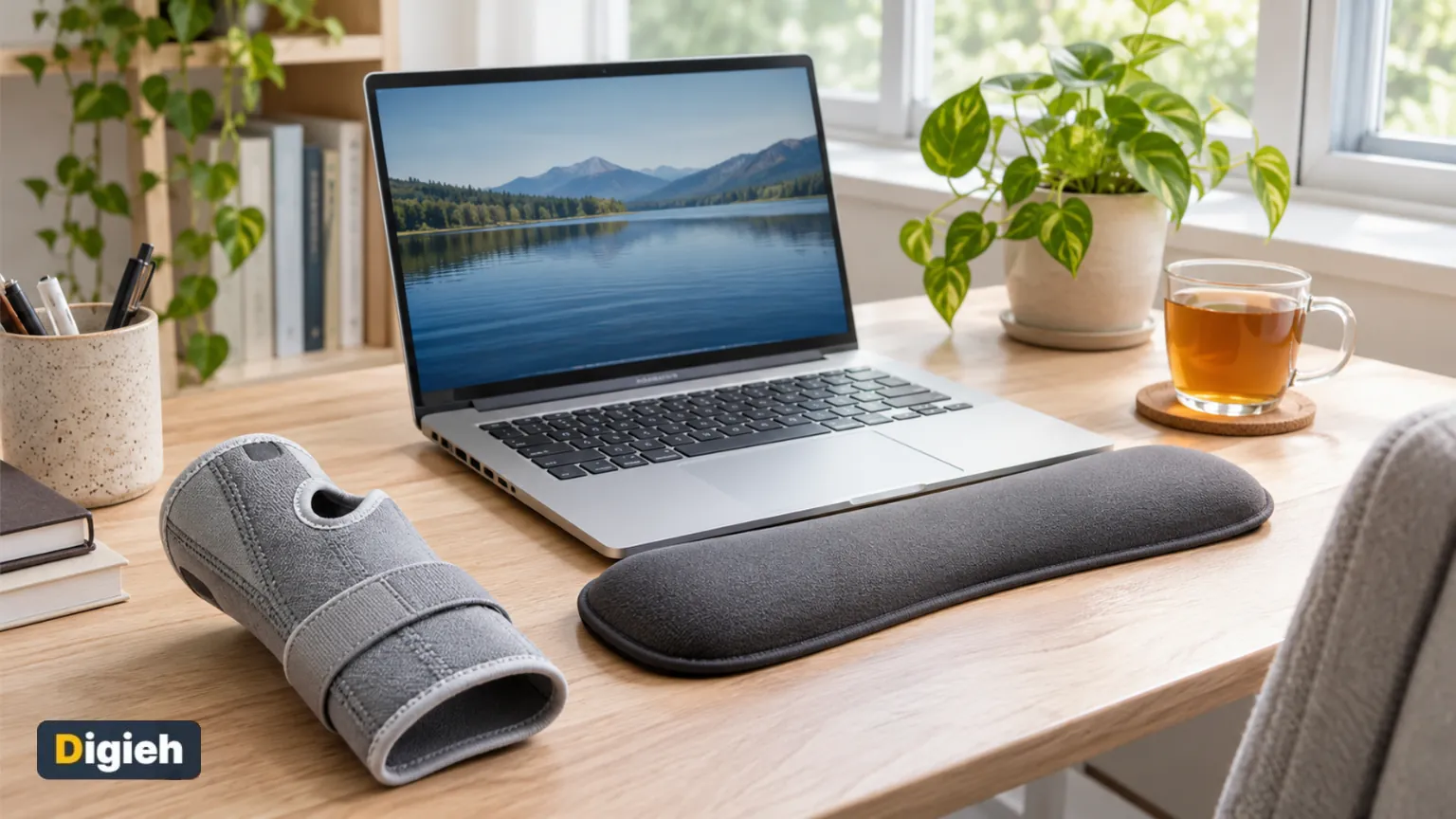
- Try a wrist support or brace during activities.
- Rest the wrist if activity makes it bigger.
- Ask a pharmacist about supports and wraps.
These steps follow the National Health Service. A brace may help the cyst shrink, notes the American Academy of Orthopaedic Surgeons.
Try this today. Take a photo of the lump next to a coin each month. It makes it easy to see if it is shrinking or growing.
Treatment Options Compared
| Option | How it works | Notes |
|---|---|---|
| Watch and wait | Body clears it over time | Can take months to a year |
| Brace or splint | Rests the joint | May shrink the cyst |
| Draining with a needle | Fluid is drawn out | Often comes back |
| Steroid injection | Reduces swelling | Sometimes used with draining |
| Surgery | Cyst and stalk removed | Recovery in 2 to 6 weeks, may still return |
Sources: National Health Service and American Academy of Orthopaedic Surgeons, checked November 25, 2026.
What Not to Do
- Do not burst or pop it, as this can cause infection or skin damage.
- Do not hit it with a heavy book, an old home remedy that can injure your hand.
- Do not pierce it with a needle at home.
Striking a cyst is unlikely to work and can hurt the hand, warns the orthopaedic surgeons’ academy.
Free updates
Join the Digieh list
Be the first to know when our weekly brief launches.
No spam. Unsubscribe anytime. Read our Privacy Policy.
Wrist Pain and Other Conditions
Wrist tingling and numbness can also come from carpal tunnel syndrome. Elbow pain from gripping may be tennis elbow.
See our guides to carpal tunnel syndrome and tennis elbow.
Work and Sport
Typing, lifting and sports that bend the wrist can make a cyst ache or grow. Short breaks and a wrist support can help.
- Keep your wrist straight when typing.
- Use a padded wrist rest.
- Warm up before sport.
- Rest when the lump gets bigger or sore.
Hidden Cysts
Some ganglion cysts are too small to see or feel but still cause wrist pain. A doctor may use an ultrasound or magnetic resonance scan to find them.
Shining a light through a lump often shows it holds fluid, the surgeons’ academy explains.
After Surgery
Expect some tenderness, swelling and stiffness for a while. Most people return to normal activities in 2 to 6 weeks.
- Keep the hand raised in the first few days.
- Move your fingers gently to prevent stiffness.
- Follow the advice on when to remove dressings.
- Watch for redness, heat or pus around the wound.
Keeping your desk set up well helps your wrists while you recover. See our tips on desk stretches.
Ganglion Cysts on the Foot
Cysts on the top of the foot can rub against shoes. Choose shoes with soft uppers or loosen laces over the lump. A small pad around the lump can also stop rubbing. See a doctor if it makes walking painful or keeps growing.
Fingertip Cysts
Small cysts near the fingernail, called mucous cysts, are often linked to arthritis in the finger. They mostly affect women aged 40 to 70, notes the American Academy of Orthopaedic Surgeons.
What should you do with a painless ganglion cyst?
- Watch and wait
- Hit it with a book
- Pop it with a needle
Many ganglion cysts go away on their own. Hitting or popping them can cause injury or infection.
Ganglion Cyst Myths
- Hitting it with a book fixes it. This can injure your hand.
- It is a type of cancer. Ganglion cysts are harmless.
- Surgery always cures it. Cysts can come back after surgery.
- Exercise makes it go away. Rest, not exercise, often helps it shrink.
When to Get Help
See a doctor if you are worried about a lump or it grows. A hard lump that does not move also needs a check. Get an urgent appointment if it is very painful, hot or red, the National Health Service advises.
Also see a doctor if you have tingling, numbness or weakness in your fingers.
Questions to Ask Your Doctor
- Is this a ganglion cyst?
- Do I need an ultrasound scan?
- Should I wear a brace?
- Would draining help, or will it come back?
- Am I a good candidate for surgery?
- How long is recovery after surgery?
Frequently Asked Questions
Will a ganglion cyst go away on its own?
Often, yes, though it can take months to a year.
Should I pop a ganglion cyst?
No. It can cause infection and the cyst usually returns.
Is a ganglion cyst cancer?
No. They are harmless, but any new lump should be checked by a doctor.
Can a ganglion cyst come back?
Yes, even after draining or surgery, though surgery lowers the chance.
Sources
- National Health Service: Ganglion cyst
- American Academy of Orthopaedic Surgeons: Ganglion cyst
- MedlinePlus: Ganglion
Conclusion
Ganglion cysts look worrying but are usually harmless. Many shrink and disappear with time and a little patience.
Next step: leave a painless lump alone and photograph it monthly. See a doctor if it grows, hurts or feels hard.
Editor’s Note
This article is accurate as of November 25, 2026. Facts come from the National Health Service, the American Academy of Orthopaedic Surgeons and MedlinePlus.
Spot an error in this article? Please contact us at support@digieh.com or read our Corrections Policy.
Keep exploring
Your next read is waiting
 1HealthRestless Legs Syndrome: Symptoms, Causes and Night Relief7 min read
 2Pets & AnimalsHow to Choose Dog Food: Reading the Label7 min read
 3Beauty & Personal CareDandruff vs Dry Scalp: Signs, Causes and Treatment7 min read
 4HealthHead Lice: Signs, Wet Combing, Treatment and Myths7 min read
 5HealthStye on the Eyelid: Causes, Treatment and Prevention7 min read
 6HealthShin Splints: Causes, Relief, Recovery and Easy Prevention7 min read
Found this useful?