TRENDING
Jump Rope Workout for Beginners: Easy Plan

7 min read
Last updated November 6, 2026
To start jump rope workouts, pick a rope that reaches your armpits when you stand on its middle. Jump on a flat, cushioned surface with small, light hops. Begin with 30 seconds of jumping and 30 seconds of rest for 10 minutes.
Jump rope is a cheap, fun workout you can do almost anywhere. It builds heart health, coordination and leg strength in a short time.
Key Takeaways
- Size your rope to your height.
- Keep jumps small and light.
- Turn the rope with your wrists.
- Start with short intervals and rest.
- Wear supportive shoes.
On This Page
- What You Need
- How to Jump Rope Step by Step
- A Beginner Plan
- Common Mistakes
- Fun Tricks to Try
- Pick the Right Rope Length
- Choose a Rope Type
- Warm Up First
- Benefits of Jumping Rope
- How Much Exercise You Need
- Try Simple Intervals
- Pair Jumping With Strength Moves
- Choose a Good Surface
- Tips for Jumping Indoors
- Cool Down and Stretch
- Track Your Progress
- Talk to a Doctor First if Needed
- Try a Weighted Rope Later
What You Need
A basic rope costs very little. Speed ropes are light and fast. Weighted ropes add strength work.
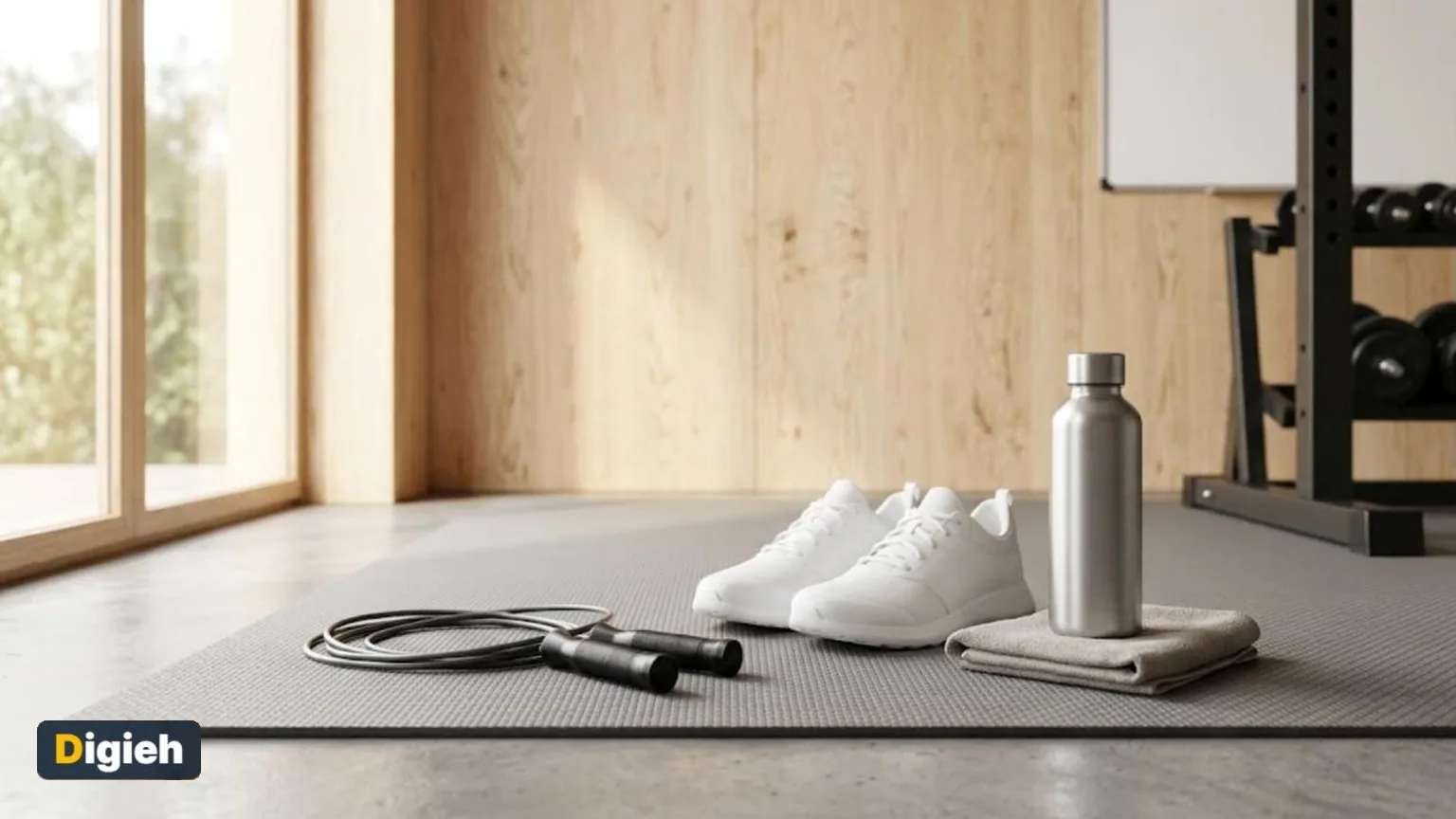
Wear supportive athletic shoes. Jump on wood, rubber mats or packed dirt, not concrete.
You also need some open space. Make sure you have room above your head and on all sides.
Indoors, a garage or basement with a rubber mat works well in winter.
10Minutes of jump rope intervals makes a quick, full workout.
How to Jump Rope Step by Step
1. Size the Rope
Stand on the middle. The handles should reach your armpits.
2. Hold It Right
Keep elbows close to your sides and hands at hip height.
3. Turn With Your Wrists
Use small wrist circles, not big arm swings.
Quick tip. Practice the jump without a rope first. Get the rhythm, then add the rope.
4. Hop Lightly
Jump just high enough to clear the rope. Land softly on the balls of your feet.
5. Find a Rhythm
Count each jump out loud. A steady beat makes it easier.
When did you last jump rope?
- This week
- This year
- As a kid
- Never
A Beginner Plan
| Week | Workout |
|---|---|
| 1 | 30 seconds on, 30 off, 10 rounds |
| 2 | 40 seconds on, 20 off, 10 rounds |
| 3 | 60 seconds on, 30 off, 8 rounds |
| 4 | 90 seconds on, 30 off, 6 rounds |
Use this calculator to estimate your jumps.
Jump counter estimate
Good to know. This assumes about two jumps per second, a common beginner pace.
- Jump rope sized to your height
- Supportive shoes
- Rubber mat or wood floor
- Open space
- Timer
- Water bottle
Common Mistakes
Jumping too high wastes energy and strains your knees.
Swinging your whole arms tires you fast. Keep the motion in your wrists.
Looking down at your feet throws off balance. Keep your eyes forward and your chest up.
Fun Tricks to Try
Try alternating feet like jogging in place. Then try side-to-side hops.
Once confident, try a criss-cross or a double under, where the rope passes twice in one jump.
Stay Safe
Warm up your ankles and calves before jumping. Stop if you feel sharp pain.
Talk to a doctor first if you have knee, ankle or heart concerns.
Add to calendar
Pick the Right Rope Length
The right length makes jumping much easier. Stand on the middle of the rope with one foot.
Pull the handles up along your sides. For most beginners, the handles should reach your armpits.
A rope that is too long will drag and slow you down. A rope that is too short will catch your feet.
Many ropes let you adjust the length. Trim a little at a time until it feels right.
Choose a Rope Type
Different ropes suit different goals. This table can help you pick.
| Rope Type | Best For | Notes |
|---|---|---|
| Beaded rope | Beginners | Easy to feel each turn |
| Polyvinyl chloride (PVC) rope | General fitness | Light and affordable |
| Speed rope | Fast jumping | Thin cable, quick spins |
| Weighted rope | Strength and power | Slower and harder |
A basic polyvinyl chloride (PVC) rope is a great first choice. You can upgrade once you jump with confidence.
Warm Up First
Jumping rope is a high-energy workout. A short warm-up gets your heart, muscles and joints ready.
March in place for one minute. Then do arm circles, ankle rolls and gentle squats.
Finish with 30 seconds of light bouncing without the rope. This helps you find a steady rhythm.
Benefits of Jumping Rope
Jumping rope works your heart and lungs. It also builds coordination, balance and leg strength.
The Centers for Disease Control and Prevention (CDC) explains many benefits of physical activity. Regular exercise can improve sleep, mood and heart health.
A rope is cheap and fits in a bag. You can work out at home, in a park or while traveling.
How Much Exercise You Need
The Centers for Disease Control and Prevention (CDC) recommends that adults get at least 150 minutes of moderate activity each week. Muscle-strengthening activity on two days is also part of the guidelines.
Jumping rope often counts as vigorous activity. Vigorous exercise can meet the goal in less time.
Mix rope sessions with walking, cycling or other activities you enjoy. Variety keeps workouts fun.
Free updates
Join the Digieh list
Be the first to know when our weekly brief launches.
No spam. Unsubscribe anytime. Read our Privacy Policy.
Try Simple Intervals
Intervals alternate short bursts of work with rest. They are perfect for new jumpers.
Start with 20 seconds of jumping and 40 seconds of rest. Repeat for 10 minutes.
Each week, add a few seconds of jumping or cut a few seconds of rest. Small steps lead to big gains.
Pair Jumping With Strength Moves
Combining rope work with strength exercises makes a full workout. Jump for one minute, then do one strength move.
Try squats, push-ups, lunges or planks. Repeat the circuit three or four times.
Our guide to strength training at home has more simple moves you can add.
Choose a Good Surface
The surface under you affects your joints. Wood floors, rubber gym mats and smooth tracks work well.
Avoid concrete if you can. Hard surfaces add stress to your knees and ankles.
Do not jump on carpet with a thick pad. It can grab the rope and make you trip.
Tips for Jumping Indoors
Check your ceiling height before you start. The rope needs space to pass over your head.
Move furniture, lamps and pets out of the way. Give yourself a clear circle around your body.
If you live in an apartment, jump at reasonable hours. A thick mat softens the noise for neighbors below.
Cool Down and Stretch
Cooling down helps your heart rate return to normal. Walk slowly for two to three minutes after jumping.
Stretch your calves, thighs and shoulders. Hold each stretch for 20 to 30 seconds.
Drink water during and after your workout. You may sweat more than you expect.
Track Your Progress
Tracking keeps you motivated. Write down how long you jump and how many jumps you finish.
Set small goals, like jumping for one full minute without stopping. Celebrate each milestone.
Take a short video of your form every few weeks. It helps you spot habits to fix.
Talk to a Doctor First if Needed
Jumping rope is intense for some people. Check with a doctor first if you have heart, joint or balance problems.
The American Heart Association (AHA) shares physical activity recommendations for adults. Start slowly if you have been inactive.
Stop right away if you feel chest pain, dizziness or severe shortness of breath. Seek medical help if symptoms do not go away.
Try a Weighted Rope Later
Weighted ropes add a strength challenge for your arms and shoulders. They turn more slowly than light ropes.
Wait until you can jump comfortably for a few minutes with a regular rope. Then try short rounds with a weighted one.
Keep your form smooth and controlled. Heavy ropes can strain your wrists if you rush.
Start with a rope that weighs about half a pound to one pound. Heavier ropes are best saved for advanced athletes.
Try this today. Do 10 rounds of 20 seconds jumping and 40 seconds resting. Write down how many jumps you finished in each round.
Test Yourself
How should you turn the rope?
- With big arm circles
- With your wrists
- With your shoulders
Wrist turns save energy.
How high should you jump?
- Just enough to clear the rope
- As high as possible
- Over a chair
Small jumps protect your knees.
Frequently Asked Questions
How long should beginners jump rope?
Start with 5 to 10 minutes using short intervals.
Is jump rope good for fitness?
Yes. It builds heart health, coordination and stamina.
What surface is best?
Wood floors, rubber mats or packed ground.
Can I jump rope every day?
Start with three days a week and add more as you get stronger.
Is jumping rope bad for your knees?
Not for most people when done with good form on a soft surface. Land softly on the balls of your feet.
How many calories does jumping rope burn?
It depends on your weight and speed. Jumping rope is a vigorous activity that burns calories quickly.
Wrapping Up
Grab a rope and try 10 short rounds today. It is one of the quickest workouts you can do at home.
Find more ways to move with our winter activity ideas. Recover well with tips to sleep better in winter.
Found this useful?
Editor’s Note
This guide is accurate as of November 6, 2026. It is general fitness information, not medical advice.
Spot an error in this article? Please contact us at support@digieh.com or read our Corrections Policy.
Keep exploring
Your next read is waiting
 1BusinessHow to Start an Email Newsletter for Your Business8 min read
 2Finance & MarketsHow to Teach Kids About Money: Simple Lessons8 min read
 3SportsHow to Choose Running Shoes That Fit Right8 min read
 4AI & TechHow to Use AI for Budgeting: Easy Steps8 min read
 5HealthBritish Doctor With Ebola Treated at London Hospital4 min read
 6TechnologyThe Galaxy S27 May Use Three Different Chips4 min read