TRENDING
Yoga for Beginners at Home: 5 Easy Poses
Start yoga for beginners at home with five easy poses, a simple weekly plan and safety tips. No class needed, just a mat and 15 minutes a few days a week.

8 min read
Last updated November 6, 2026
To start yoga at home, clear a small space and lay down a mat. Begin with five simple poses like child’s pose, cat-cow and downward dog. Practice 15 to 20 minutes a few times a week and breathe slowly through each pose.
Yoga builds flexibility, strength and calm. You can start today with no class and no special gear.
Key Takeaways
- Start with short, gentle sessions.
- Learn five basic poses first.
- Breathe slowly through your nose.
- Never force a stretch.
- Practice a few times a week.
On This Page
- Benefits of Yoga
- What You Need
- Five Beginner Poses
- A Simple Weekly Plan
- How to Stay Safe
- When to Get Help
- Types of Yoga for Beginners
- Common Beginner Mistakes
- Yoga for Better Sleep
- Yoga for Back and Neck Relief
- Chair Yoga for Desk Days
- Practice at Home
- Join a Class
- Track How You Feel
- Yoga for Older Adults
- Yoga With Kids
Benefits of Yoga
Regular yoga can ease stiff muscles and improve balance. Many people also feel less stressed after a session.
The National Center for Complementary and Integrative Health explains what to know before you start yoga.
It is gentle on joints, so it suits most ages and fitness levels.
15Minutes a few times a week is enough to start yoga at home.
What You Need
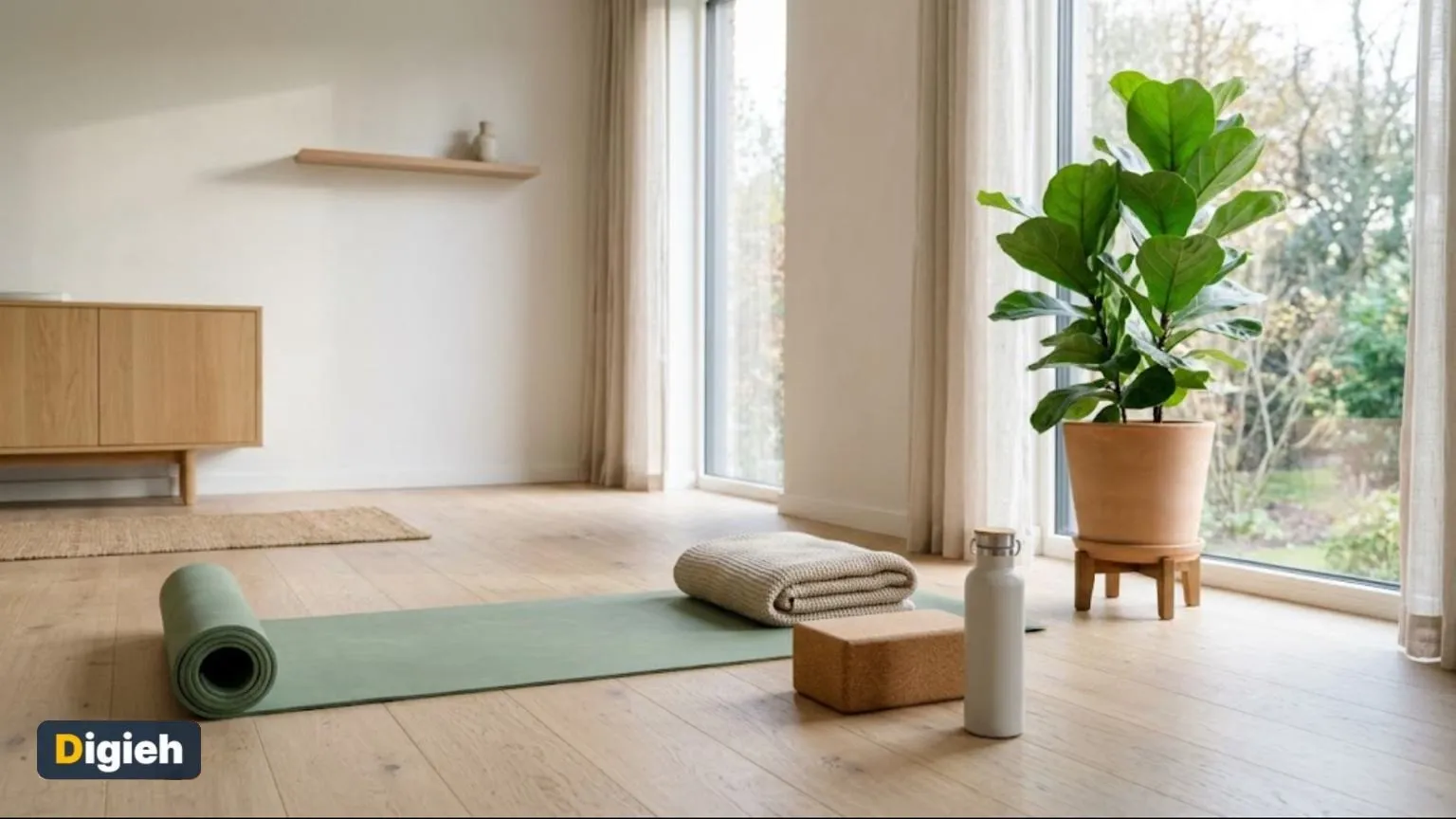
A non-slip mat works best. A folded blanket helps on hard floors.
Wear stretchy clothes. A pillow or thick book can work as a prop.
- Non-slip yoga mat
- Folded blanket
- Stretchy clothes
- Pillow or block
- Quiet space
- Water bottle
Five Beginner Poses
1. Child’s Pose
Kneel, sit back on your heels and stretch your arms forward. Rest your forehead down.
2. Cat-Cow
On hands and knees, arch your back up, then let it sink down. Move with your breath.
3. Downward Dog
From hands and knees, lift your hips up and back. Bend your knees if needed.
Quick tip. Bend your knees in downward dog at first. It takes pressure off tight hamstrings.
4. Mountain Pose
Stand tall with feet together. Relax your shoulders and breathe deeply.
5. Seated Forward Fold
Sit with legs straight. Reach gently toward your toes without bouncing.
Why do you want to try yoga?
- Flexibility
- Stress relief
- Strength
- Not sure yet
A Simple Weekly Plan
The Centers for Disease Control and Prevention (CDC) explains what counts as physical activity.
| Day | Practice |
|---|---|
| Monday | 15 minutes, five poses |
| Wednesday | 20 minutes, five poses plus breathing |
| Friday | 15 minutes, gentle flow |
| Sunday | 10 minutes, stretching and rest |
Hold each pose for three to five slow breaths.
Use this calculator to plan your practice time.
Yoga practice planner
Good to know. A wall or sturdy chair helps with balance poses when you are just starting.
How to Stay Safe
Move slowly and stop if you feel sharp pain. Mild stretching is normal, but pain is not.
The agency explains the benefits of physical activity.
Talk to your doctor first if you are pregnant, injured or have a health condition.
Tips to Build the Habit
Practice at the same time each day. Morning sessions help many people feel energized.
Try free beginner videos online. Pick short classes made for new students.
Simple Breathing Practice
End each session with two minutes of slow breathing. Breathe in for four counts and out for six.
This calms your body and helps you feel relaxed after your practice.
Add to calendar
When to Get Help
Stop and get medical help if you notice these signs during or after practice.
- Sharp or sudden pain in a joint or your back
- Numbness or tingling in your arms or legs
- Chest pain or trouble breathing
- Dizziness or fainting
The National Center for Complementary and Integrative Health explains yoga safety and benefits.
Types of Yoga for Beginners
Yoga comes in many styles. Some are slow and gentle, while others are fast and challenging.
| Style | What It Feels Like | Good For |
|---|---|---|
| Hatha | Slow, basic poses | First-time beginners |
| Gentle or restorative | Very slow with props and rest | Relaxation and recovery |
| Vinyasa | Poses flow with the breath | People who like movement |
| Yin | Long, quiet holds | Flexibility and calm |
| Chair yoga | Poses done seated or with a chair | Older adults and limited mobility |
Start with hatha, gentle or chair yoga. Try faster styles once you know the basic poses.
Common Beginner Mistakes
New students often make the same small mistakes. Knowing them helps you practice safely.
| Mistake | Better Approach |
|---|---|
| Pushing too far into a stretch | Stop at a gentle stretch, never pain |
| Holding your breath | Keep breathing slowly through each pose |
| Comparing yourself to others | Focus on how your own body feels |
| Locking your knees | Keep a tiny bend in your joints |
| Skipping rest | Take child’s pose whenever you need a break |
Progress comes with time. Flexibility improves gradually with regular practice.
Yoga for Better Sleep
Gentle yoga in the evening can help you wind down. Slow movements signal your body that it is time to rest.
- Legs up the wall, lying on your back with legs resting against a wall
- Supported child’s pose with a pillow under your chest
- Gentle seated forward fold
- Lying twist with knees dropped to one side
Keep the lights low and move slowly. Skip fast or intense poses close to bedtime.
Yoga for Back and Neck Relief
Many people try yoga to ease stiffness from sitting. Gentle poses can help loosen tight muscles.
- Cat-cow stretches the spine.
- Child’s pose gently lengthens the back.
- Seated twists can relieve tension.
- Neck rolls and shoulder shrugs release upper body tightness.
Move slowly and gently. See a doctor if you have ongoing back or neck pain.
Free updates
Join the Digieh list
Be the first to know when our weekly brief launches.
No spam. Unsubscribe anytime. Read our Privacy Policy.
Chair Yoga for Desk Days
You can practice yoga without leaving your desk. Chair yoga fits easily into a workday.
- Sit tall and roll your shoulders back.
- Twist gently to each side, holding the chair back.
- Stretch one arm overhead and lean to the side.
- Lift and lower your heels while seated.
- Close your eyes and take five slow breaths.
A few minutes every hour can ease stiffness and refresh your mind.
Practice at Home
Home practice is convenient and free. A little setup makes it easier.
Choose a quiet spot with enough room to stretch your arms and legs. Keep your mat ready to roll out.
Follow short videos made for beginners. Many sessions run 10 to 20 minutes.
Turn off notifications so you can focus. A calm space helps you relax.
Join a Class
Classes give you guidance from a trained teacher. They can help you learn proper form.
Tell the teacher you are a beginner. They can suggest easier versions of poses.
Many community centers and libraries offer low-cost or free classes. Try a few teachers to find a style you enjoy.
Track How You Feel
Notice how your body and mood change over time. Write a short note after each session.
Many people notice better flexibility and less stress after a few weeks. Small changes add up with regular practice.
Yoga for Older Adults
Yoga can be a gentle way for older adults to stay active. It supports balance, flexibility and calm.
Chair yoga and gentle classes are good starting points. Use a wall or sturdy chair for support during standing poses.
Balance poses, like standing on one foot near a counter, may help with steadiness. Always keep something sturdy within reach.
Talk with your doctor before starting, especially if you have joint problems, osteoporosis or high blood pressure. Your doctor may suggest poses to avoid.
Yoga With Kids
Kids often love yoga, especially when it feels like play. Animal poses like cat, cow, dog and cobra make it fun.
Keep sessions short, about 10 minutes for young children. Add a story or song to keep them interested.
Practicing together builds a healthy habit for the whole family. It also gives everyone a calm moment in a busy day.
Yoga Mistakes Beginners Make
New yoga students often make a few common mistakes. Fixing them helps you stay safe and enjoy practice.
- Pushing into poses that hurt
- Holding your breath during poses
- Comparing yourself to others
- Skipping rest at the end of practice
Move slowly and stop if something feels painful. Gentle progress is better than strain.
Make Yoga Part of Your Week
Regular practice brings the most benefits. Short sessions done often work well.
Try 10 to 15 minutes of yoga three times a week. Roll out your mat in the same spot each time.
Listen to Your Body
Every body is different. Talk to a doctor before starting if you have health conditions.
Rest when you feel tired and enjoy the calm that yoga brings.
Breathe deeply and relax.
Try this today. Roll out a mat or towel and hold child’s pose for one minute tonight. Breathe slowly through your nose.
Test Yourself
How long should you hold each beginner pose?
- One second
- Ten minutes
- Three to five slow breaths
A few breaths lets the body relax into the pose.
What should you do if a pose hurts?
- Stop and ease out
- Push harder
- Hold your breath
Sharp pain is a sign to stop.
Frequently Asked Questions
How often should beginners do yoga?
Two to four times a week is a great start.
Do I need to be flexible to start?
No. Flexibility improves as you practice.
Can yoga help with stress?
Many people feel calmer after regular practice.
What time of day is best?
Any time that fits your routine works well.
Which yoga style is best for beginners?
Hatha, gentle and chair yoga are good places to start.
Can yoga help me sleep better?
Gentle evening poses like legs up the wall may help you wind down before bed.
Can I do yoga at my desk?
Yes. Chair yoga includes seated twists, stretches and slow breathing.
How long should a beginner yoga session be?
Ten to twenty minutes is a good start for most beginners.
Wrapping Up
Roll out a mat and try the five poses today. A few calm minutes can change your whole day.
Build more strength with our winter activity ideas. Rest well with our tips to sleep better in winter.
Found this useful?
Editor’s Note
This guide is accurate as of November 6, 2026. It is general fitness information, not medical advice.
Spot an error in this article? Please contact us at support@digieh.com or read our Corrections Policy.
Keep exploring
Your next read is waiting
 1HealthRestless Legs Syndrome: Symptoms, Causes and Night Relief7 min read
 2Pets & AnimalsKennel Cough in Dogs: Signs, Treatment and Recovery7 min read
 3MedicinesIs Sugar an Electrolyte? The Simple Science Answer7 min read
 4Beauty & Personal CareDandruff vs Dry Scalp: Signs, Causes and Treatment7 min read
 5Home & KitchenFridge Without Power: How Long Food Stays Safe7 min read
 6HealthPinched Nerve in the Neck: Symptoms and Relief7 min read