TRENDING
Bird Watching for Beginners: Easy Guide
Start bird watching with this easy beginner guide. Pick binoculars, learn simple ID clues, attract birds to your yard and enjoy a calm hobby all year.

8 min read
Last updated November 6, 2026
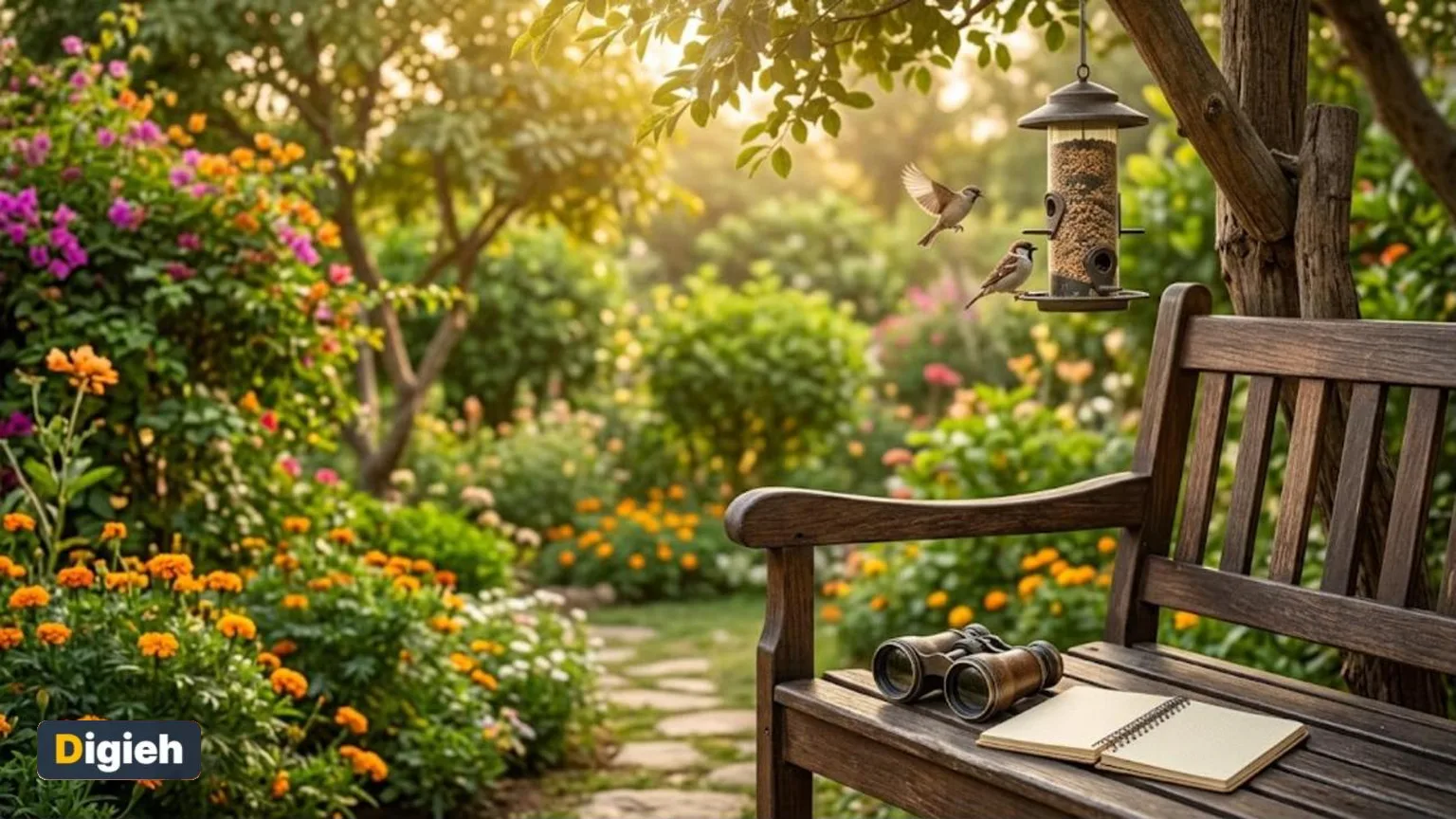
To start bird watching, step outside with a pair of binoculars and a free bird identification app. Begin in your own backyard or a local park in the early morning. Watch for size, color, shape and behavior, and keep a simple list of the birds you see.
Bird watching is a calm, low-cost hobby you can enjoy all year. Winter is a great time to start, since bare trees make birds easier to spot.
Key Takeaways
- Binoculars and a free app are enough to start.
- Early morning is the busiest bird time.
- Note size, shape, color and behavior.
- A backyard feeder brings birds to you.
- Keep a simple list to track your sightings.
On This Page
- What You Need
- How to Start Bird Watching Step by Step
- Clues to Identify Birds
- Attract Birds to Your Yard
- Bird Watching Etiquette
- Best Times and Places to Look
- How to Use Binoculars
- Learn Bird Songs
- Keep a Simple Bird Journal
- Winter Birding Tips
- Help Science While You Watch
- Stay Safe Outdoors
- Share the Hobby With Kids
- Common Backyard Birds to Learn First
- Simple Gear Upgrades Later
- Find a Local Birding Group
What You Need
Start with any pair of binoculars. A pair with 8 times zoom and 42 millimeter lenses is a popular choice for beginners.
Download a free bird identification app. Many can name birds by photo or song.
A small notebook and warm layers help on cold mornings. A field guide book is a nice extra for offline use.
15Minutes outside each morning can reveal many local birds.
How to Start Bird Watching Step by Step
1. Start Close to Home
Look in your yard, a park or near a pond.
2. Go Early
Birds are most active in the first few hours after sunrise.
3. Move Slowly and Quietly
Sudden moves scare birds away. Stay still and let them come closer.
Quick tip. Wear muted colors like brown, gray or green. Birds notice bright clothing.
4. Look, Then Lift
Find the bird with your eyes first, then raise your binoculars.
5. Write It Down
Note the date, place and birds you saw.
Where would you watch birds?
- Backyard
- City park
- Lake or pond
- Not sure yet
Clues to Identify Birds
| Clue | What to Notice |
|---|---|
| Size | Smaller than a sparrow or bigger than a crow |
| Shape | Beak, tail and body shape |
| Color | Main colors and patterns |
| Behavior | Hopping, climbing or soaring |
| Sound | Calls and songs |
Use this calculator to track your yearly bird list.
Bird list tracker
Good to know. New birds become rarer as your list grows, so the pace usually slows over time.
- Binoculars
- Bird identification app
- Notebook and pen
- Warm layers
- Bird feeder
- Fresh water dish
Attract Birds to Your Yard
Hang a feeder with sunflower seeds. Keep it clean and full.
Offer fresh water. A heated birdbath helps in freezing weather.
Plant native shrubs if you can. They give birds food and shelter all year.
Bird Watching Etiquette
Give birds space, especially near nests. Never chase or feed wild birds by hand.
Stay on trails and follow park rules.
Join a Bird Count
Many groups hold winter bird counts open to beginners. You help scientists track bird numbers.
Check local nature centers or birding clubs for events.
Add to calendar
Best Times and Places to Look
Birds are most active in the early morning. Many species feed and sing in the first few hours after sunrise.
Late afternoon can be good too. Cloudy, calm days often bring more activity than windy ones.
Look where different habitats meet. The edge of a field and a woodland, or a pond with tall grass nearby, often holds many species.
The National Audubon Society suggests starting close to home. Your own yard, a city park or a local trail can be full of birds.
How to Use Binoculars
New binoculars can feel tricky at first. Practice at home on objects like a lamp post or a tree branch.
First, find the bird with your eyes. Then lift the binoculars to your face without looking away.
Adjust the center focus wheel until the bird looks sharp. Many binoculars also have a dial for one eye, so set that once and leave it.
Wear the strap around your neck. It keeps your hands free and protects the binoculars from drops.
Learn Bird Songs
Many birders hear a bird long before they see it. Learning a few common songs can double what you notice.
Start with three birds you hear often near your home. Listen to their songs in a free bird app, then try to match them outdoors.
Some apps can suggest a species from a recording. Treat that as a hint and confirm it with what you see.
Keep a Simple Bird Journal
A journal helps you remember what you saw and when. It also shows how birds change with the seasons.
Write the date, place, weather and the birds you spotted. Add quick sketches or notes about behavior.
Over time, you will spot patterns. Some birds visit only in winter, while others arrive in spring.
Want birds to come to you? Follow our winter bird feeding guide for the best foods and feeder placement.
Winter Birding Tips
Winter is a great season to start. Bare trees make birds easier to see, and feeders draw them close.
Keep a clean feeder stocked with seed and offer fresh water if you can. Dress in warm layers and bring a thermos for longer walks.
The Centers for Disease Control and Prevention (CDC) shares tips to stay safe in cold weather. Cover your ears and fingers to help prevent frostbite.
Shorter days mean less time outdoors. Plan your walk for late morning, when birds are active and the air is a little warmer.
Free updates
Join the Digieh list
Be the first to know when our weekly brief launches.
No spam. Unsubscribe anytime. Read our Privacy Policy.
Help Science While You Watch
Your sightings can help researchers track bird populations. Many projects welcome beginners and take only a few minutes.
The United States Fish and Wildlife Service (USFWS) works with the Cornell Lab of Ornithology to support bird watching. Checklists from everyday birders add up to a clearer picture of bird health.
Pick one project and submit one checklist this month. It is a fun way to make your hobby count.
Stay Safe Outdoors
Tell someone where you are going if you walk alone. Carry water, a charged phone and a small snack.
Watch your footing on muddy or icy trails. Keep your eyes on the path when you walk, then stop to look up.
Share the Hobby With Kids
Bird watching is a great family activity. Kids love spotting bright colors and copying bird calls.
Give each child a simple job, like counting birds or holding the field guide. Short walks of 20 to 30 minutes keep everyone happy.
Turn it into a game with a scavenger hunt list. Include easy items like “a bird on a wire” or “a bird eating.”
Common Backyard Birds to Learn First
Start with birds you are likely to see often. Learning a few well makes new birds easier to spot.
| Bird | Easy Clue | Where to Look |
|---|---|---|
| Northern cardinal | Bright red male with a crest | Shrubs and feeders |
| Black-capped chickadee | Black cap and bib, cheerful call | Trees and feeders |
| American robin | Orange chest, hops on lawns | Grass and low branches |
| Mourning dove | Soft gray body, cooing song | Ground and wires |
| Blue jay | Bright blue with a loud call | Oak trees and feeders |
Birds vary by region, so check a local field guide too. Your list will grow quickly once you know these basics.
Simple Gear Upgrades Later
Once you enjoy the hobby, a few upgrades can help. A lightweight folding stool makes long sits more comfortable.
A waterproof notebook and pencil work in rain or snow. Pens can freeze in cold weather, but pencils keep working.
Some birders add a spotting scope for ducks and shorebirds far away. It is a nice extra, but not a must for beginners.
Rent or borrow gear before you buy. Many local bird clubs lend binoculars at group walks.
Find a Local Birding Group
Group walks are a fast way to learn. Experienced birders love to share tips with new people.
Look for a nearby Audubon chapter, nature center or park program. Many offer free beginner walks on weekends.
Bring your questions and a notebook. You will often learn more in one morning than in weeks alone.
Bird Watching Mistakes to Avoid
A few habits can scare birds away. Watch out for these common mistakes.
- Moving quickly or talking loudly
- Wearing very bright clothes
- Getting too close to nests
Move slowly, stay quiet and give birds plenty of space.
Bring a small notebook to record the birds you spot each time you go out.
Try this today. Sit by a window for 10 minutes and count every bird you see. Note the size, color and behavior of one bird you cannot name.
Test Yourself
When are birds most active?
- Early morning
- Midnight
- Late afternoon only
Birds feed and sing most after sunrise.
What should you do before lifting binoculars?
- Close your eyes
- Find the bird with your eyes
- Clap your hands
Spot it first, then raise the binoculars.
In related news, read Loon Chicks Are in Decline, Alarming Study Shows.
Frequently Asked Questions
What binoculars should beginners buy?
A pair with 8 times zoom and 42 millimeter lenses is a great all-around choice.
What is the best time to see birds?
Early morning, shortly after sunrise.
Do I need to travel to see birds?
No. Many birds visit backyards and city parks.
How can I learn bird songs?
Use a bird identification (ID) app that plays and records songs.
Do I need expensive binoculars to start?
No. A basic pair works well for beginners. Audubon notes that binoculars are helpful but optional at the start.
Is it okay to feed birds in winter?
Yes, if you keep feeders clean. Wash them often to help prevent the spread of disease.
Wrapping Up
Grab your binoculars and spend 15 minutes outside tomorrow morning. Many more birds live nearby than you think.
Get outside more with our winter activity ideas. Lift your mood this season with our guide to seasonal affective disorder.
Found this useful?
Editor’s Note
This guide is accurate as of November 6, 2026. Follow local wildlife and park rules.
Spot an error in this article? Please contact us at support@digieh.com or read our Corrections Policy.
Keep exploring
Your next read is waiting
 1Pets & AnimalsKennel Cough in Dogs: Signs, Treatment and Recovery7 min read
 2HealthStye on the Eyelid: Causes, Treatment and Prevention7 min read
 3Home & KitchenFridge Without Power: How Long Food Stays Safe7 min read
 4MedicinesIs Sugar an Electrolyte? The Simple Science Answer7 min read
 5Beauty & Personal CareDandruff vs Dry Scalp: Signs, Causes and Treatment7 min read
 6HealthHiccups: Causes, Quick Fixes and When to Worry7 min read