TRENDING
Seasonal Affective Disorder: Signs and Ways to Cope

8 min read
Last updated November 6, 2026
Seasonal affective disorder (SAD) is a type of depression that returns each year, usually in late fall and winter. Common signs include low mood, oversleeping, carb cravings and pulling away from others. Light therapy, talk therapy and daily habits can all help.
This guide explains how seasonal affective disorder (SAD) differs from the winter blues and what you can do about it.
This article is for general information only and is not medical advice. If your mood is affecting your daily life, please talk to a doctor or mental health professional.
Key Takeaways
- Seasonal affective disorder (SAD) is a form of depression that follows a seasonal pattern.
- Winter blues are milder and do not disrupt daily life as much.
- Common signs include oversleeping, overeating and social withdrawal.
- Light therapy with a 10,000 lux light box is a common treatment.
- Talk therapy and medication can also help, so see a professional.
On This Page
- What Is Seasonal Affective Disorder?
- Winter Blues vs Seasonal Affective Disorder (SAD)
- Signs of Winter Seasonal Affective Disorder (SAD)
- Who Gets Seasonal Affective Disorder (SAD)?
- What Causes It?
- Treatments That Help
- Simple Daily Habits
- When to Get Help
- Plan Ahead Before Winter Starts
- How to Talk to Your Doctor
- Helping a Loved One With Seasonal Affective Disorder (SAD)
- Seasonal Affective Disorder (SAD) in Spring and Summer
- Making Your Home Brighter
What Is Seasonal Affective Disorder?
Seasonal affective disorder (SAD) is a type of depression that comes and goes with the seasons. For most people, it starts in late fall or early winter and eases in spring.
Symptoms often last about 4 to 5 months a year, according to the National Institute of Mental Health (NIMH). A less common summer pattern also exists.
4 to 5 monthsHow long seasonal affective disorder (SAD) symptoms often last each year, per the National Institute of Mental Health.
Winter Blues vs Seasonal Affective Disorder (SAD)
Many people feel a little down when the days get short. That is often called the winter blues.
| Winter blues | Seasonal affective disorder | |
|---|---|---|
| How it feels | Mild, low mood | Ongoing depression |
| Effect on daily life | Small | Can make work, school and relationships hard |
| How long it lasts | Comes and goes | Most days for weeks or months |
| Needs treatment | Usually not | Often, yes |
If your low mood keeps you from doing normal things, it may be more than the winter blues.
Signs of Winter Seasonal Affective Disorder (SAD)
Winter seasonal affective disorder (SAD) shares many signs with depression. It also has some patterns of its own.
- Feeling sad, hopeless or empty most days
- Losing interest in things you used to enjoy
- Sleeping much more than usual
- Craving carbohydrates and overeating
- Gaining weight
- Pulling away from friends and family
- Low energy and trouble focusing
Everyone has off days. However, these signs last for weeks with seasonal affective disorder (SAD).
Quick tip. Keep a simple mood note on your phone each day. Patterns over two or three weeks are easier to share with a doctor.
Who Gets Seasonal Affective Disorder (SAD)?
Seasonal affective disorder (SAD) can affect anyone. Still, some groups face a higher risk.
Seasonal affective disorder (SAD) affects women much more often than men. It is also more common in people who live farther north, where winter days are shorter.
Seasonal affective disorder (SAD) usually starts in young adulthood. People with depression or bipolar disorder face higher risk. So do people whose relatives have it.
Does winter affect your mood?
- A lot
- A little
- Not really
- I feel better in winter
What Causes It?
Researchers do not fully understand the cause. However, several factors seem to play a role.
Shorter days can upset your body clock. Less sunlight may also lower serotonin, a brain chemical linked to mood.
In addition, darkness can lead the body to make more melatonin, which affects sleep. Less sun can also mean lower vitamin D levels.
Treatments That Help
Seasonal affective disorder (SAD) is treatable. A doctor can help you find the right mix of options.
Light Therapy
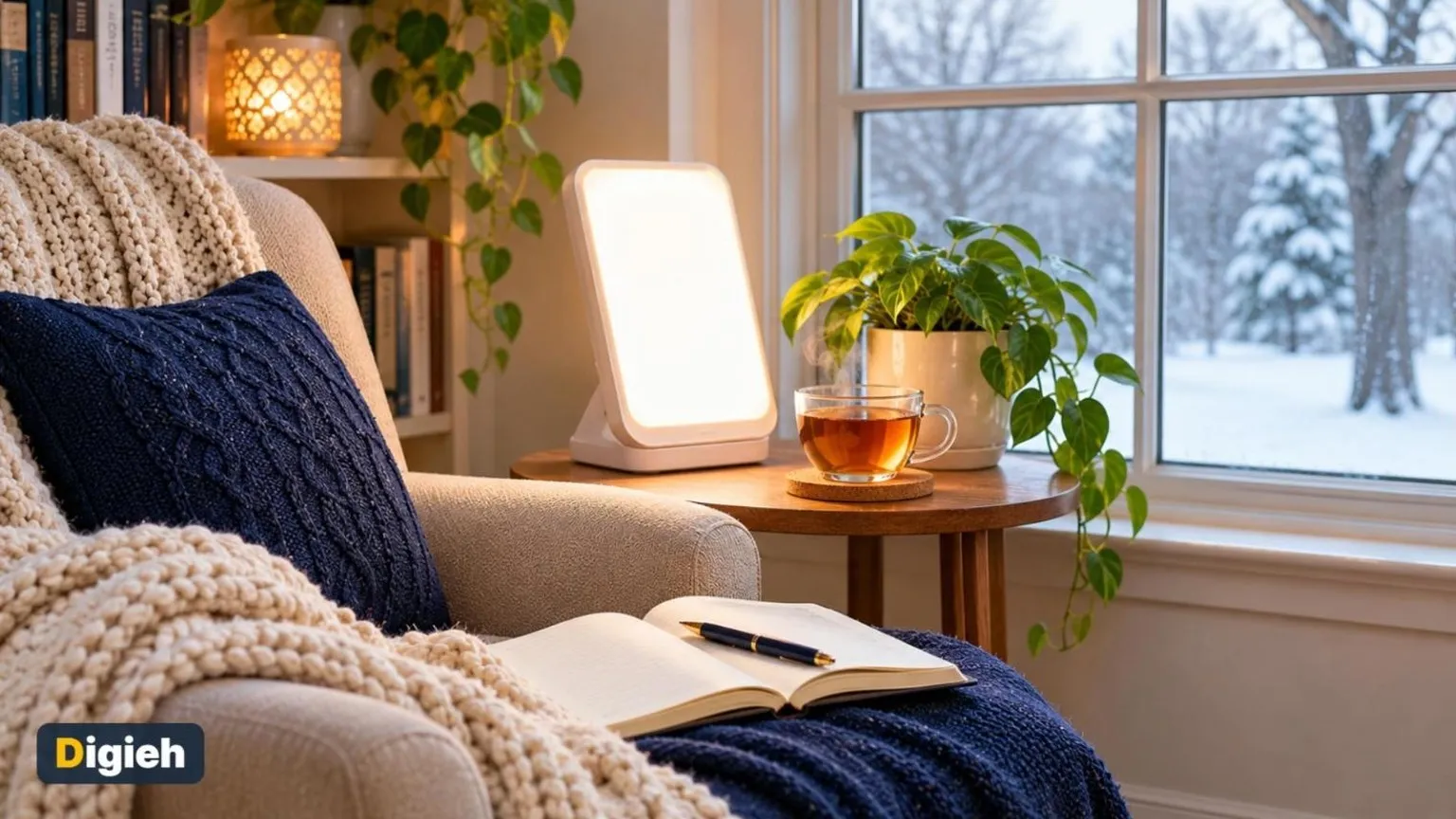
Light therapy is one of the most common treatments for winter seasonal affective disorder (SAD). You sit near a special light box for about 30 to 45 minutes each morning.
These boxes give off bright light of about 10,000 lux. That is around 20 times brighter than normal indoor light.
Most light boxes filter out ultraviolet light. Still, ask your doctor first if you have eye problems or take medicines that make you sensitive to light.
Talk Therapy
cognitive behavioral therapy (CBT) can help you change negative thoughts and build healthy routines. A version made for seasonal affective disorder (SAD) focuses on adding enjoyable activities during winter.
Medication
Some people benefit from antidepressants. A doctor can explain the options and possible side effects.
Vitamin D
Some people take vitamin D in winter, though studies show mixed results. Talk to your doctor before starting any supplement. MedlinePlus also lists trusted resources.
Good to know. Light boxes made for seasonal affective disorder (SAD) are different from tanning lamps. Tanning lamps give off ultraviolet (UV) light and are not a treatment for seasonal affective disorder (SAD).
Simple Daily Habits
Small habits can lift your mood on dark days. They work best alongside professional care if you have seasonal affective disorder (SAD).
- Get outside in the morning light, even on cloudy days.
- Open curtains and sit near windows.
- Keep a regular sleep and wake schedule.
- Move your body, even with a short walk.
- Stay in touch with friends and family.
- Plan small things to look forward to each week.
Use this tool to track how much daylight time you get each week.
Weekly daylight tracker
- Get morning daylight
- Keep a steady sleep schedule
- Move for at least a short walk
- Connect with someone every day
- Plan something enjoyable each week
- Talk to a doctor if low mood lasts
Free updates
Join the Digieh list
Be the first to know when our weekly brief launches.
No spam. Unsubscribe anytime. Read our Privacy Policy.
When to Get Help
Talk to a doctor if low mood lasts more than two weeks or makes daily life hard. Early help can make winter much easier.
If you ever have thoughts of harming yourself, call or text 988 in the United States, or chat at 988lifeline.org. That reaches the 988 Suicide and Crisis Lifeline. You can talk to someone right away, any time of day.
Add to calendar
Plan Ahead Before Winter Starts
If you notice the same low mood each winter, plan ahead. Early steps can make the season easier.
- Talk to your doctor in late summer or early fall.
- Set up a light box before the days get short, if your doctor suggests one.
- Plan regular outdoor time, like a morning walk.
- Line up activities you enjoy for the darker months.
- Tell a trusted friend what to watch for.
Keep a simple mood journal. Writing a line each day can help you spot patterns and share them with your doctor.
How to Talk to Your Doctor
Many people feel unsure how to bring up mood changes. A little preparation helps.
Write down your symptoms before the visit. Note when they started and how they affect sleep, eating, work and relationships.
Mention if the same pattern happened in past winters. That detail helps your doctor understand what is going on.
Ask questions about each treatment option. Your doctor can explain the benefits and side effects that apply to you.
Helping a Loved One With Seasonal Affective Disorder (SAD)
Watching someone you love struggle can feel hard. Small, steady support matters.
- Listen without judging or trying to fix everything.
- Invite them on short walks in daylight.
- Help with small tasks when they feel drained.
- Encourage them to talk to a doctor.
- Check in often with a call or message.
Take care of yourself too. Supporting someone else is easier when you rest and get help when you need it.
Seasonal Affective Disorder (SAD) in Spring and Summer
Most people with seasonal affective disorder (SAD) feel worse in fall and winter. A smaller group feels low in spring and summer instead.
Summer symptoms can look different. Some people report trouble sleeping, poor appetite and restlessness.
Talk to a doctor if your mood shifts with any season. The same care steps apply.
Making Your Home Brighter
Your surroundings can help on dark days. Small changes make indoor spaces feel lighter.
- Keep curtains and blinds open during daylight.
- Trim bushes or branches that block windows.
- Move your desk or favorite chair near a window.
- Use bright, warm lighting in the rooms you use most.
- Choose light paint colors for small, dark rooms.
These steps do not replace treatment. They can still make daily life feel a bit easier.
Try this today. Step outside for 15 minutes of morning daylight tomorrow. Notice how your mood feels afterward.
Test Yourself
How bright is a typical seasonal affective disorder (SAD) light box?
- 500 lux
- 2,000 lux
- 10,000 lux
Light boxes for seasonal affective disorder (SAD) usually give off about 10,000 lux.
Which is a common sign of winter seasonal affective disorder (SAD)?
- Oversleeping
- Needing much less sleep
- Losing your appetite for carbs
Winter seasonal affective disorder (SAD) often brings oversleeping and carb cravings.
Frequently Asked Questions
What is the difference between winter blues and Seasonal Affective Disorder (SAD)?
Winter blues are mild and short-lived. Seasonal affective disorder (SAD) is a form of depression that can make daily life hard for weeks or months.
How long should I use a light box?
Many people use a 10,000 lux light box for about 30 to 45 minutes each morning. Ask your doctor what is right for you.
When does Seasonal Affective Disorder (SAD) usually start?
Winter seasonal affective disorder (SAD) usually starts in late fall or early winter and improves in spring.
Can Seasonal Affective Disorder (SAD) be treated?
Yes. Light therapy, talk therapy and medication can all help.
Can seasonal affective disorder (SAD) happen in summer?
Yes. A smaller group of people feel low in spring and summer instead of winter.
Should I see a doctor before using a light box?
Yes. A doctor can help you choose the right device and timing for you.
Wrapping Up
Notice how you feel as the days get shorter. Try morning light and steady routines, and talk to a professional if your mood stays low.
For more winter wellness, read our winter skincare guide. Keeping your home cozy? See our tips to lower your heating bill.
Found this useful?
Editor’s Note
This article is accurate as of November 6, 2026. It offers general information and does not replace care from a doctor or mental health professional.
Spot an error in this article? Please contact us at support@digieh.com or read our Corrections Policy.
Keep exploring
Your next read is waiting
 1HealthRaw or Powdered Turmeric? What the Science Says4 min read
 2Food & LifestyleHow to Store Fresh Herbs So They Last8 min read
 3News5 Airlines Where Premium Economy WiFi Is Free4 min read
 4TechnologyThe Galaxy S27 May Use Three Different Chips4 min read
 5BusinessHow to Start an Email Newsletter for Your Business8 min read
 6Beauty & Personal CareSimple Skincare Routine for Oily Skin8 min read