TRENDING
Loon Chicks Are in Decline, Alarming Study Shows

4 min read
Fewer loon chicks are surviving across Canada and the northern United States, a Birds Canada study found. The worst drops hit the Prairies and Maritimes.
Key Points
- Loon chick production fell about 40% on average across the birds’ range.
- The Canadian Prairies and the Maritime provinces saw the biggest declines.
- Maine stood out, with chick numbers staying fairly stable for decades.
Loon Population Declining Across Canada
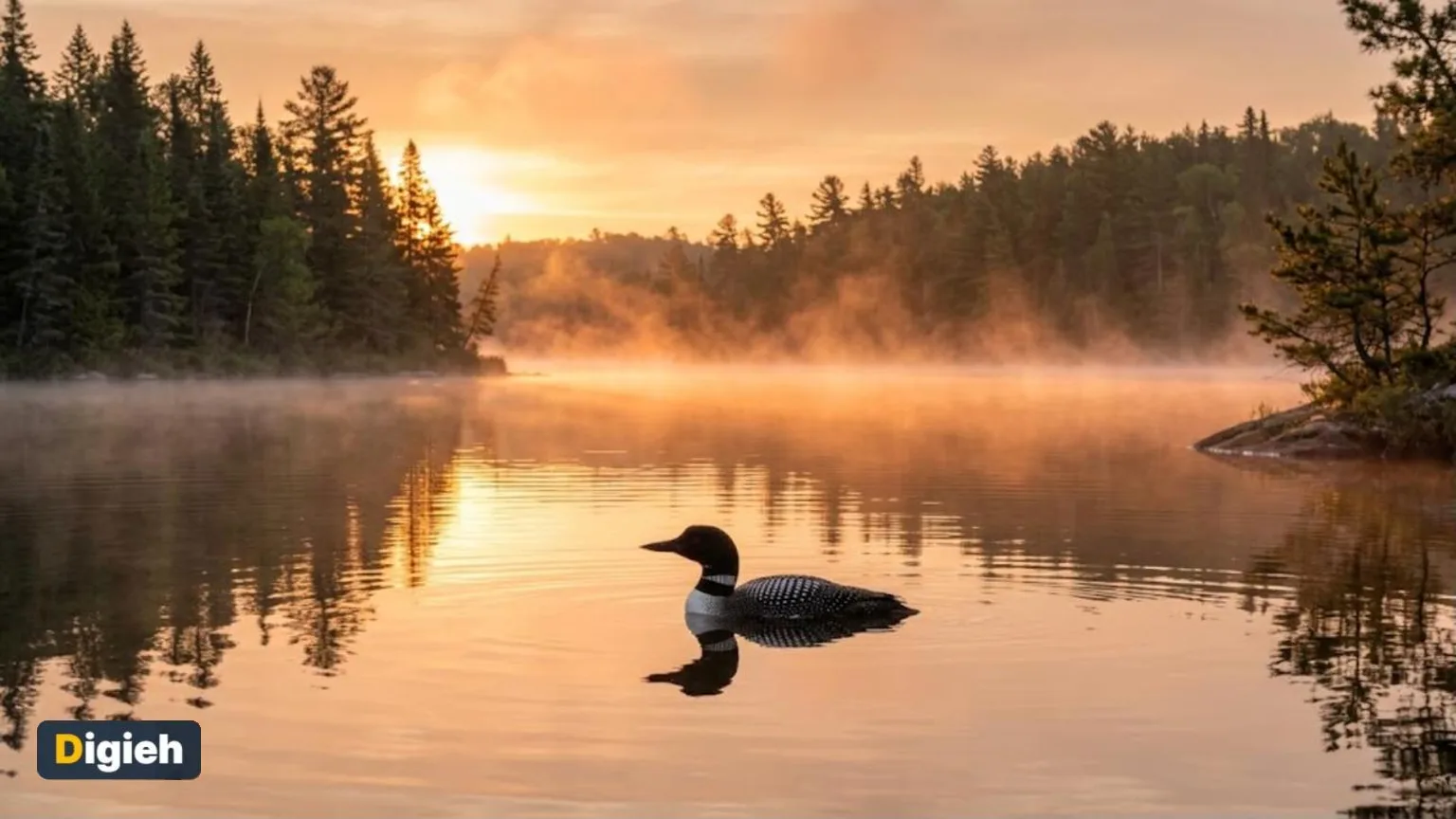
The common loon is one of Canada’s best-known birds. Its haunting call is a classic sound of summer lakes. It even appears on the Canadian one-dollar coin.
The new research comes from Birds Canada, a national bird charity. The scientific journal FACETS published the work, according to Vermont Public.
Researchers studied decades of records from thousands of lakes and ponds. Many of these records came from volunteers who watch the same lakes each summer.
Long records like these help scientists spot slow changes. A single summer can look normal even when a long trend points down.
Good to know. Simple choices, like using lead-free fishing tackle and giving nests space, can help loon chicks survive.
What the Study Found
The team measured how many chicks survive for each breeding pair of loons. On average, that number dropped about 40% across the range.
The declines were steepest on the Canadian Prairies and in the Maritime provinces. The study found long-term drops across much of the birds’ southern breeding range.
The study covered 3,421 lakes in nine provinces and five American states, The Weather Network reported. It found a 74% drop in Atlantic Canada and a 65% drop on the Prairies between 1992 and 2023.
Matt Fuirst, a research ecologist at Birds Canada, worked on the study. He noted that the threats facing loons differ from region to region.
40%Average drop in loon chick production across the birds’ range, as Vermont Public reported from the Birds Canada study.
Why Loon Chicks May Be Struggling
The study did not test the exact causes. However, Fuirst pointed to several likely threats.
- Building and development along shorelines
- Pollution in lakes
- Lead fishing sinkers that loons can swallow
- Changes linked to climate, such as murkier water after storms
Murky water can make it harder for loons to spot and catch fish. Parents need plenty of fish to feed growing chicks.
Acid rain may also play a role in some areas. Fuirst said more acidic rainfall could affect lakes, though the study did not test this link directly.
Have you ever heard a loon call in the wild?
- Yes, many times
- Once or twice
- Never, but I want to
Free updates
Join the Digieh list
Be the first to know when our weekly brief launches.
No spam. Unsubscribe anytime. Read our Privacy Policy.
A Bright Spot in Maine
Maine offered some good news. Fuirst said there was little sign of decline there over 35 years.
Maine Audubon estimated almost 2,800 adult loons and 276 chicks in the state this year. Sally Stockwell of Maine Audubon said adult numbers look healthy.
Still, recent limited monitoring suggests chick production may be too low for long-term health. So even Maine’s loons need watching.
Scientists are not sure why Maine has done better. Some lakes there may face less shoreline building or pollution than lakes elsewhere.
How People Can Help Loons
Lake users can make a real difference. Switching to lead-free fishing tackle keeps loons from swallowing toxic weights.
Giving nests plenty of space also helps. Loons nest right at the water’s edge, so boat wakes and close visits can scare parents away. Chicks left alone face more danger from predators.
Volunteers can join loon surveys too. Even a few visits to one lake each summer add useful data.
Birds Canada runs a long-term loon survey program that welcomes cottagers and lake lovers. Watching birds is a great hobby, and our guide to bird watching for beginners can help you start.
- Switch to lead-free fishing tackle
- Keep boats away from loon nests
- Slow down to reduce boat wakes near shore
- Join a local loon survey
Try this today. Check your tackle box for lead sinkers. Swap them for lead-free ones before your next fishing trip.
Frequently Asked Questions
Are loons endangered in Canada?
The study shows falling chick numbers, not a formal endangered listing. Experts say the trend is a warning sign worth watching.
Why is lead tackle harmful to loons?
Loons swallow small stones to help digest food. They can mistake lead sinkers for stones and get lead poisoning.
Where can I see loons?
Look on quiet northern lakes in summer. Bring binoculars and keep your distance, and dress warmly with our winter hiking tips for colder trips.
Found this useful?
Editor’s Note
This story is accurate as of November 6, 2026. It draws on a Birds Canada study reported on November 3, 2026. Researchers say more studies must confirm the causes of the decline.
Spot an error in this article? Please contact us at support@digieh.com or read our Corrections Policy.
Keep exploring
Your next read is waiting
 1HealthBritish Doctor With Ebola Treated at London Hospital4 min read
 2TechnologyHow to Spot Phishing Emails: 5 Warning Signs8 min read
 3BusinessHow to Price Your Product: Simple Guide8 min read
 4EntertainmentHow to Start Drawing as a Beginner8 min read
 5News5 Airlines Where Premium Economy WiFi Is Free4 min read
 6Food & LifestyleWhy 4 Irish Beaches Are Among Europe’s Best4 min read