TRENDING
Winter Hiking Tips for Beginners: Stay Safe and Warm
Use these winter hiking tips for beginners to stay safe and warm. Learn how to plan, what to wear and pack, safety rules and the warning signs of cold injury.

8 min read
Last updated November 6, 2026
To hike safely in winter, pick a shorter, well-marked trail and check the weather before you go. Dress in moisture-wicking layers and wear waterproof boots with good grip. Tell someone your route and turn back early because daylight is short.
Winter hikes offer quiet trails and beautiful views. With the right prep, beginners can enjoy them safely.
Key Takeaways
- Plan shorter hikes because days are short.
- Layer clothes and avoid cotton.
- Traction devices help on icy trails.
- Bring a headlamp, even for day hikes.
- Always share your plan with someone.
On This Page
- Plan Your Winter Hike
- What to Wear
- What to Pack
- 7 Winter Hiking Safety Tips
- Signs of Cold Injury
- Why Hike in Winter?
- Check Conditions Before You Go
- Layering for Winter Hikes
- The Ten Essentials
- Footwear and Traction
- Food and Water Tips
- Daylight Matters
- Hiking With Kids and Dogs
- Leave No Trace in Winter
- Learn the Basics Before You Go
Plan Your Winter Hike
Choose a trail you know or one that is easy to follow in snow. Check trail reports and the forecast.
The National Weather Service shares winter weather safety tips.
Start early and set a turnaround time. Winter sunsets come fast.
7Safety tips for beginner winter hikers.
What to Wear
| Layer | What to choose |
|---|---|
| Base layer | Wool or synthetic, no cotton |
| Middle layer | Fleece or light puffy jacket |
| Outer layer | Waterproof, windproof shell |
| Feet | Waterproof boots and wool socks |
| Extras | Hat, gloves, neck gaiter |
Quick tip. Pack hand warmers in your gloves and boots. They are light and help on very cold days.
What to Pack
Bring water in an insulated bottle so it does not freeze. Pack high-energy snacks like nuts and bars.
Add a headlamp, map, phone and portable charger. Carry an extra warm layer and dry socks.
- Insulated water bottle
- High-energy snacks
- Headlamp
- Map and charged phone
- Extra warm layer
- Traction devices
7 Winter Hiking Safety Tips
The Centers for Disease Control and Prevention (CDC) explains how to prevent frostbite.
1. Tell Someone Your Plan
Share your trail, start time and return time.
2. Use Traction Devices
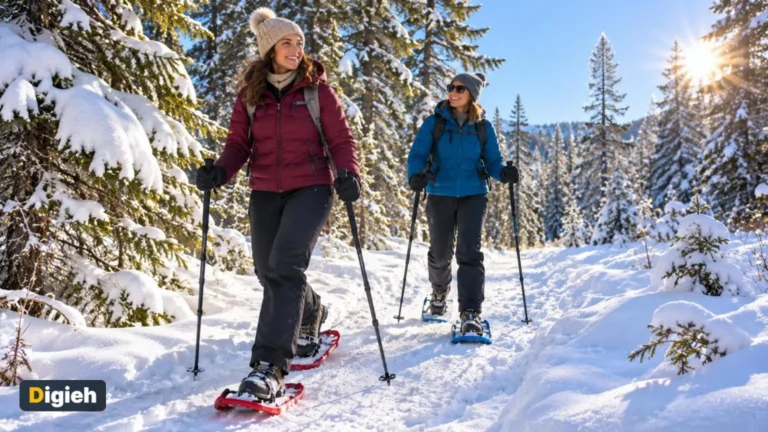
Microspikes or snowshoes help on ice and deep snow.
3. Stay Dry
Remove layers before you sweat. Wet clothes chill you fast.
Have you tried winter hiking?
- Yes, I love it
- Once or twice
- Not yet
- Not sure
4. Eat and Drink Often
Your body burns more energy in the cold.
5. Watch the Time
Turn around with plenty of daylight left.
6. Keep Your Phone Warm
Cold drains batteries. Store your phone in an inside pocket.
7. Know When to Turn Back
Bad weather, fatigue or icy terrain are good reasons to head home.
Use this calculator to plan your turnaround time.
Turnaround time planner
Good to know. Turn back at the halfway point of your daylight. Return trips can take longer in snow.
Best Winter Trails for Beginners
Look for wide, flat paths in local parks or along lakes and rivers. Groomed trails and rail trails are great choices.
Offers can change and many vary by location. Confirm before you go.
Avoid steep slopes and areas with avalanche risk. Ask a park ranger or local outdoor shop for suggestions.
Signs of Cold Injury
Frostbite can cause numb, pale or waxy skin. Hypothermia can cause strong shivering, confusion and clumsiness.
Get to warmth and seek help if you notice these signs. The agency shares winter safety tips.
Add to calendar
Why Hike in Winter?
Winter hiking offers quiet trails and beautiful views. Snow turns familiar paths into a whole new world.
Trails are often less crowded in winter. You may spot animal tracks in the fresh snow.
There are no bugs and no summer heat. Many hikers find winter their favorite season on the trail.
Check Conditions Before You Go
Winter weather can change fast. A few minutes of planning makes a big difference.
- Read the forecast for the trail, not just your town.
- Check the wind chill and the sunset time.
- Look up recent trail reports from rangers or hiking groups.
- Find out whether the road to the trailhead gets plowed.
- Check avalanche warnings if you hike in the mountains.
If the forecast looks bad, pick another day. The trail will still be there.
Layering for Winter Hikes
Layers let you stay warm without overheating. You will add and remove them as you hike.
| Layer | What It Does | Examples |
|---|---|---|
| Base layer | Wicks sweat away | Synthetic or merino wool tops and leggings |
| Insulating layer | Holds body heat | Fleece or a light puffy jacket |
| Shell layer | Blocks wind, snow and rain | Waterproof jacket and pants |
Start your hike feeling a little cool. You will warm up quickly once you start moving.
Take off a layer before you start sweating. Wet clothes lose their warmth fast.
The Ten Essentials
Many hiking groups recommend carrying a set of key items on every hike. In winter, they matter even more.
- Navigation, like a map, compass or downloaded app
- A headlamp with extra batteries
- Sun protection, including sunglasses
- A first aid kit
- A knife or multi-tool
- A fire starter
- An emergency shelter, like a space blanket
- Extra food
- Extra water
- Extra warm clothes
Snow reflects sunlight strongly. Sunglasses and sunscreen protect your eyes and skin.
Wet feet ruin a winter hike fast. Learn how to waterproof boots before you hit the trail.
Footwear and Traction
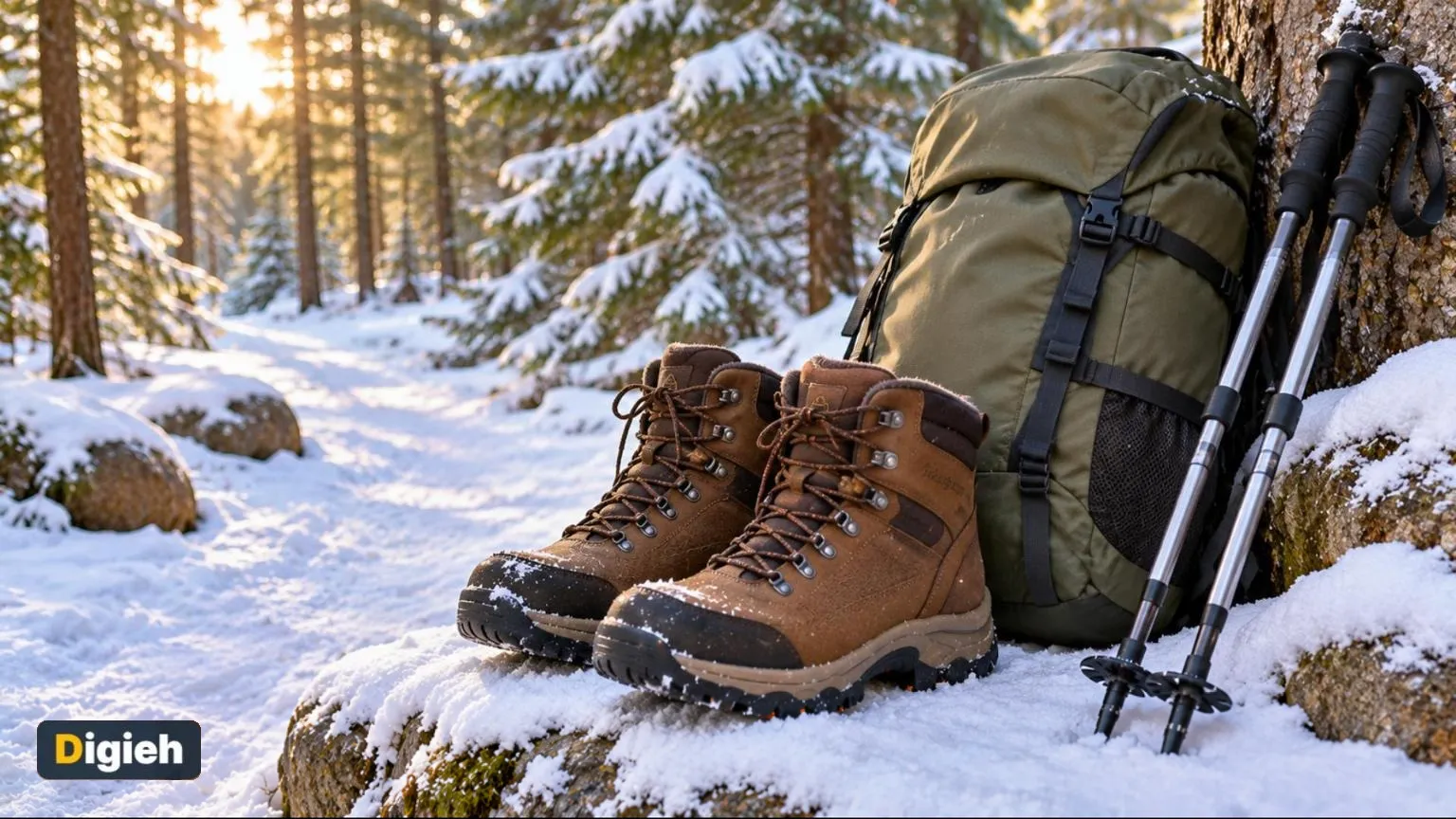
Your boots are the most important piece of winter gear. Cold, wet feet can end a hike fast.
Choose waterproof, insulated boots with deep tread. Break them in before your trip.
Add gaiters to keep snow out of the tops of your boots. They also keep your socks dry.
Traction Devices
| Device | Best For |
|---|---|
| Microspikes | Packed snow and icy trails |
| Snowshoes | Deep, fresh snow |
| Crampons | Steep ice on advanced routes |
Most beginners need only microspikes on popular trails. Rent snowshoes before you buy a pair.
Free updates
Join the Digieh list
Be the first to know when our weekly brief launches.
No spam. Unsubscribe anytime. Read our Privacy Policy.
Food and Water Tips
Your body burns more energy staying warm. Eat small snacks often.
Good trail snacks for winter include nuts, cheese, chocolate and energy bars. Pick foods that do not freeze hard.
Bring a thermos of hot tea or soup. A warm drink on the trail lifts both body and mood.
Store your water bottle upside down in your pack. Ice forms at the top first, so the spout stays clear.
Daylight Matters
Winter days are short, and darkness comes quickly. Plan your hike to finish well before sunset.
Start early in the day. Set a turnaround time and stick to it.
Hiking in snow is slower than in summer. Expect to cover less distance than usual.
Always carry a headlamp, even on short hikes. A small delay can leave you on the trail after dark.
Hiking With Kids and Dogs
Winter hikes can be great family outings. Keep them short and fun.
Pick easy trails with a clear destination, like a frozen waterfall or a lookout. Kids stay excited when there is a goal.
Dress kids in the same layers as adults. Check their hands and feet often, since they may not say they are cold.
Dogs can get cold too, especially short-haired breeds. Wipe their paws after the hike to remove ice and salt.
Leave No Trace in Winter
Winter hikers should protect the trail just as summer hikers do. Snow can hide plants and soil that break easily.
- Stay on the marked trail, even when snow covers it.
- Pack out all trash, including food scraps.
- Do not feed wildlife, since human food can harm animals.
- Give animals plenty of space, as winter already stresses them.
- Avoid walking on frozen ponds and lakes unless you know the ice is safe.
Snowshoers and skiers often share trails. Walk beside ski tracks rather than on them.
Learn the Basics Before You Go
A little knowledge helps you handle surprises. Many outdoor stores and parks offer free winter hiking talks.
Learn how to read a trail map and use a compass. Phone batteries drain fast in the cold.
Practice putting on traction devices at home. Fumbling with cold hands on the trail is no fun.
Winter Hiking Mistakes to Avoid
Some habits can make winter hikes dangerous. Watch out for these common mistakes.
- Wearing cotton clothes that stay wet
- Starting too late in the day
- Ignoring weather and trail updates
- Forgetting traction for icy trails
Start early so you finish before dark. Winter days are short.
Hike With a Group
Winter hiking is safer with friends. A group can help if someone gets hurt or lost.
Choose a pace that works for everyone. Stop together for snacks, water and warm drinks.
Tell Someone Your Plan
Share your trail and return time with someone at home. They can call for help if you are late.
Try this today. Check tomorrow’s forecast and sunset time before you plan a hike. Tell someone your route and return time.
Test Yourself
Which fabric should you avoid for winter hiking?
- Wool
- Fleece
- Cotton
Cotton stays wet and makes you cold.
Why bring a headlamp on a day hike?
- Winter daylight is short
- To scare animals
- To charge your phone
It can get dark before you finish.
In related news, read How 840,000 Trees Brought Tapirs Back to Brazil.
Frequently Asked Questions
Is winter hiking safe for beginners?
Yes, on easy trails with the right gear and planning.
What should I avoid wearing?
Avoid cotton. It stays wet and makes you cold.
Do I need snowshoes?
Only in deep snow. Microspikes work well on packed snow and ice.
How do I keep water from freezing?
Use an insulated bottle and store it upside down.
What should I bring on a winter hike?
Carry the ten essentials, including a headlamp, extra layers, food, water and a map.
Do I need microspikes for winter hiking?
On packed or icy trails, they help a lot. They slip over your regular boots.
How long should a winter hike be?
Keep it shorter than a summer hike. Snow slows you down and daylight ends early.
Can I bring my dog on a winter hike?
Yes. Keep hikes short, watch for signs of cold and wipe their paws afterward.
Wrapping Up
Pick a short trail and plan your first winter hike. Bundle up and enjoy the quiet beauty of the season.
Stay active in the cold with our winter running tips. Keep your car ready with our winter car emergency kit guide.
Read next. Winter Dog Walking Safety – Smart Tips for Owners
Found this useful?
Editor’s Note
This guide is accurate as of November 6, 2026. Check local trail conditions before you go.
Spot an error in this article? Please contact us at support@digieh.com or read our Corrections Policy.
Keep exploring
Your next read is waiting
 1Pets & AnimalsFleas on Dogs and Cats: Treatment and Prevention7 min read
 2HealthScabies: Symptoms, Treatment and How to Stop Spread7 min read
 3Home & KitchenFridge Without Power: How Long Food Stays Safe7 min read
 4Beauty & Personal CareDandruff vs Dry Scalp: Signs, Causes and Treatment7 min read
 5MedicinesIs Sugar an Electrolyte? The Simple Science Answer7 min read
 6HealthWarts and Verrucas: Causes, Treatment and Prevention Tips7 min read