TRENDING
Winter Running Tips: How to Run Safely in the Cold

8 min read
Last updated November 6, 2026
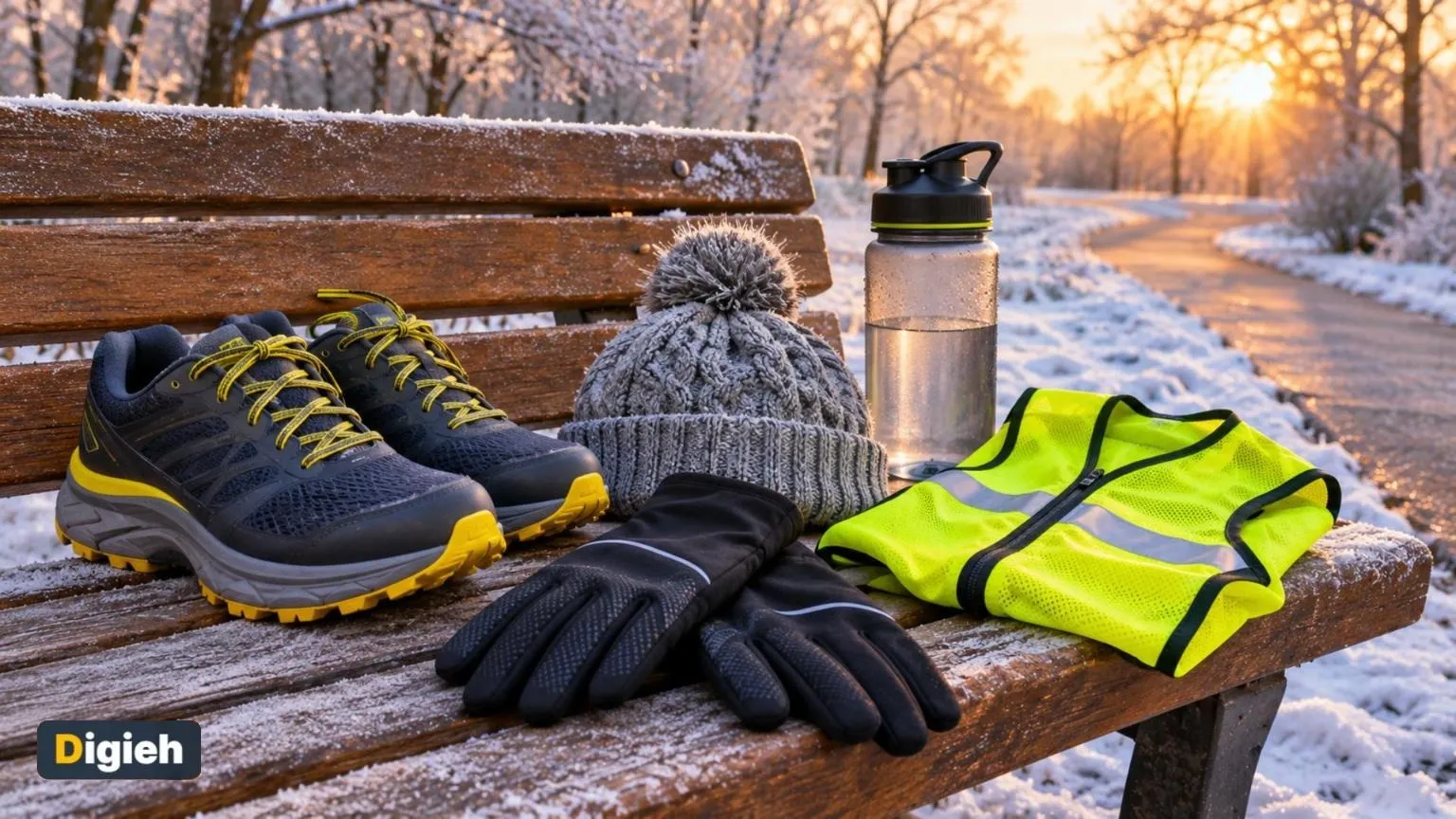
To run safely in winter, dress in light layers and cover your head, hands and ears. Warm up indoors for a few minutes first. Wear shoes with good grip and bright or reflective gear.
Cold weather does not have to stop your training. With the right prep, winter runs can feel fresh and energizing.
Talk to a doctor before running in the cold if you have asthma, heart problems or another health condition.
Key Takeaways
- Dress as if it is 10 to 20 degrees warmer than it is.
- Layer with a wicking base, a warm middle and a wind shell.
- Protect your hands, ears and face from frostbite.
- Use reflective gear on dark mornings and evenings.
- Change out of damp clothes right after your run.
On This Page
- How to Dress for a Winter Run
- 8 Winter Running Tips
- What to Wear by Temperature
- Signs of Cold Injury
- After Your Run
- Benefits of Running in Winter
- The Layering System
- Protect Your Hands, Head and Feet
- Running on Snow and Ice
- Running in the Dark
- Breathing in Cold Air
- Indoor Options for Bad Days
- Fuel and Hydration in the Cold
How to Dress for a Winter Run
Your body heats up fast once you start running. So dress for the second mile, not the first step.
Start with a base layer that pulls sweat away from your skin. Add a light fleece in very cold weather. Top it with a wind-resistant jacket.
10-20Degrees warmer than the real temperature is how you should dress for a run.
8 Winter Running Tips
Wear reflective gear, as the National Highway Traffic Safety Administration (NHTSA) advises for walkers and runners.
1. Warm Up Indoors
Do 5 to 10 minutes of easy moves inside. Try leg swings, lunges and high knees.
2. Cover Your Extremities
Wear a hat, gloves and a neck gaiter. You lose a lot of heat through exposed skin.
3. Choose Shoes With Grip
Pick trail shoes or add traction cleats on icy paths. Avoid shoes with mesh that lets in snow.
Quick tip. Lay out your running clothes by the heater the night before. Warm gear makes it easier to get out the door.
4. Be Seen
Wear bright colors and reflective gear. Add a headlamp or clip-on light in the dark.
5. Run Into the Wind First
Start your route facing the wind. You will have the wind at your back when you are sweaty.
6. Shorten Your Stride
Take short, quick steps on slick ground. This keeps your feet under your body.
Where do you run in winter?
- Outside
- Treadmill
- Both
- I take a break
7. Stay Hydrated
You still sweat in the cold, even if you feel less thirsty. Drink water before and after your run.
8. Know When to Go Inside
Skip outdoor runs in extreme cold or icy storms. A treadmill or indoor workout is a smart backup.
What to Wear by Temperature
| Temperature | What to wear |
|---|---|
| 40 to 50 degrees Fahrenheit | Long-sleeve top, shorts or tights, light gloves |
| 30 to 40 degrees Fahrenheit | Base layer, light jacket, tights, gloves, hat |
| 20 to 30 degrees Fahrenheit | Base layer, fleece, wind jacket, tights, warm gloves |
| Below 20 degrees Fahrenheit | Extra layers, face cover, mittens, warm socks |
Use this calculator to see how to dress for today.
Running outfit helper
Good to know. Wind chill makes it feel colder. Add a layer on windy days.
Signs of Cold Injury
Frostbite often starts with numb, pale or waxy skin. Hypothermia can cause intense shivering, confusion and slurred speech.
The Centers for Disease Control and Prevention (CDC) explains how to prevent frostbite.
Get indoors and warm up slowly if you notice these signs. The Centers for Disease Control and Prevention (CDC) explains winter weather health risks. Seek medical help for severe symptoms.
- Wicking base layer
- Wind-resistant jacket
- Hat and gloves
- Shoes with grip
- Reflective gear or light
- Dry clothes for after
After Your Run
Change into dry clothes as soon as you finish. Damp clothes chill you fast.
Have a warm drink and a snack with protein and carbs. Then stretch gently while your muscles are still warm.
Add to calendar
Benefits of Running in Winter
Winter running has real perks. Many runners find they enjoy the cool, quiet roads.
Cool air keeps your body from overheating. Some runners feel they can go farther without the summer heat.
Getting outside in daylight can also lift your mood. Short winter days make every bit of sunlight count.
Staying active through winter keeps your fitness steady. You will feel stronger when spring races arrive.
The Centers for Disease Control and Prevention (CDC) explains the many benefits of regular physical activity.
The Layering System
Layers trap warm air and let you adjust as you warm up. Most runners need three types of layers.
| Layer | Purpose | Good Materials |
|---|---|---|
| Base layer | Pulls sweat away from skin | Synthetic fabric or merino wool |
| Middle layer | Holds in warmth | Fleece or thermal fabric |
| Outer layer | Blocks wind and rain | Light windproof jacket |
Avoid cotton next to your skin. It soaks up sweat and stays wet, which chills you fast.
A good rule is to dress as if it were about 15 to 20 degrees warmer. You should feel a little cool at the start.
Protect Your Hands, Head and Feet
Your body sends warm blood to your core in the cold. Fingers, toes and ears get cold first.
- Hands. Mittens keep fingers warmer than gloves, since fingers share heat.
- Head. A thin hat or headband keeps ears covered.
- Face. A neck gaiter can cover your mouth and nose in very cold wind.
- Feet. Wool or synthetic socks keep feet warm even when damp.
Pack a spare pair of gloves on long runs. Swap them if your first pair gets sweaty.
Free updates
Join the Digieh list
Be the first to know when our weekly brief launches.
No spam. Unsubscribe anytime. Read our Privacy Policy.
Running on Snow and Ice
Slippery surfaces call for a few changes. Safety matters more than speed in winter.
Shorten Your Stride
Take shorter, quicker steps. This keeps your feet under your body and improves balance.
Use Traction Devices
Slip-on traction spikes grip packed snow and ice. They stretch over your regular running shoes.
Choose Your Route Carefully
Pick routes with clear paths and good lighting. Main paths often get plowed first.
Slow Down on Turns
Ice often hides on corners and in shady spots. Take turns slowly and watch for dark, shiny patches.
Running in the Dark
Winter days are short, so many runs happen in the dark. Being visible is a must.
- Wear bright or reflective clothing.
- Add a clip-on light or a headlamp.
- Run facing traffic when there is no sidewalk.
- Skip headphones, or keep the volume low.
- Tell someone your route and expected return time.
Drivers have a harder time seeing runners at dusk. Assume a car does not see you until you make eye contact.
Breathing in Cold Air
Cold air can feel harsh on your throat and lungs. A few habits make it easier.
Cover your mouth with a thin scarf or gaiter. It warms the air before you breathe it in.
Start slowly so your breathing can adjust. Ease into your normal pace over the first several minutes.
People with asthma should talk to a doctor before running in the cold. Cold, dry air can trigger symptoms for some people.
Indoor Options for Bad Days
Some days are too dangerous for outdoor runs. Ice storms, extreme cold and blizzards call for a backup plan.
- Run on a treadmill at home or at a gym.
- Try an indoor track at a community center.
- Do a strength workout with bodyweight moves.
- Use stairs in a safe building for a cardio boost.
Skipping one outdoor run will not hurt your fitness. Staying safe will keep you running all winter.
Fuel and Hydration in the Cold
You still sweat in winter, even if you do not notice it. Cold air is often dry, which adds to fluid loss.
Drink water before and after your run. On long runs, carry a bottle or plan a water stop.
Insulated bottles keep water from freezing. Carry them upside down so ice does not block the spout.
Winter Running Mistakes to Avoid
Some habits make winter runs riskier. Watch out for these common mistakes.
- Overdressing and sweating too much
- Running on icy paths without traction
- Skipping a warm-up indoors
- Forgetting reflective gear on dark mornings
Dress as if it is about 10 degrees warmer than it feels. You will warm up quickly once you start.
Listen to Your Body
Slow down or stop if you feel very cold, dizzy or numb. Head inside and warm up gradually.
Change out of damp clothes soon after your run.
Try this today. Lay out your running layers tonight, including gloves and a hat. Start tomorrow’s run feeling slightly cold.
Test Yourself
How warm should you dress for a winter run?
- For the exact temperature
- As if it is 10 to 20 degrees warmer
- As if it is 20 degrees colder
Your body heats up quickly once you start running.
Which direction should you run first?
- Into the wind
- With the wind
- It does not matter
You avoid a cold headwind when you are sweaty later.
Frequently Asked Questions
Is it safe to run in cold weather?
Yes, for most healthy people who dress right. Check with a doctor if you have health concerns.
How cold is too cold to run?
It depends on wind chill and your health. Many runners move indoors in extreme cold.
Should I breathe through my nose or mouth?
Either is fine. A neck gaiter over your mouth can warm the air.
Do I need special winter shoes?
Not always, but good grip helps. Traction cleats work well on ice.
What should I wear for a winter run?
Wear a moisture-wicking base layer, a warm middle layer and a windproof jacket. Add a hat and gloves.
Should I wear mittens or gloves?
Mittens keep hands warmer. Gloves give you more finger movement.
How do I run safely on ice?
Shorten your stride, slow down and use slip-on traction spikes.
Is it safe to run in the dark?
Yes, if you wear reflective gear and a light and run facing traffic.
Wrapping Up
Layer up, light up and start slow on your next winter run. You can keep your running habit strong all season.
Find more ways to move with our tips to stay active in winter. Rest well with our guide to sleep better in winter.
Read next. Rhabdomyolysis Warning Signs That Every Person Should Know
Found this useful?
Editor’s Note
This guide is accurate as of November 6, 2026. It is general information, not medical advice.
Spot an error in this article? Please contact us at support@digieh.com or read our Corrections Policy.
Keep exploring
Your next read is waiting
 1Food & LifestyleEasy Thanksgiving Appetizers That Your Guests Will Love9 min read
 2HealthWinter Allergies vs Cold Symptoms and Simple Fixes9 min read
 3TechnologyBest Time to See the Leonid Meteor Shower9 min read
 4NewsWhat Day Is Christmas 2026? The Simple Answer9 min read
 5EntertainmentBest Thanksgiving Movies to Watch With the Family9 min read
 6Finance & MarketsHSA Limits for 2027 and Smart Saving Tips9 min read