TRENDING
How to Descale a Coffee Maker: Easy Vinegar Method

8 min read
Last updated November 6, 2026
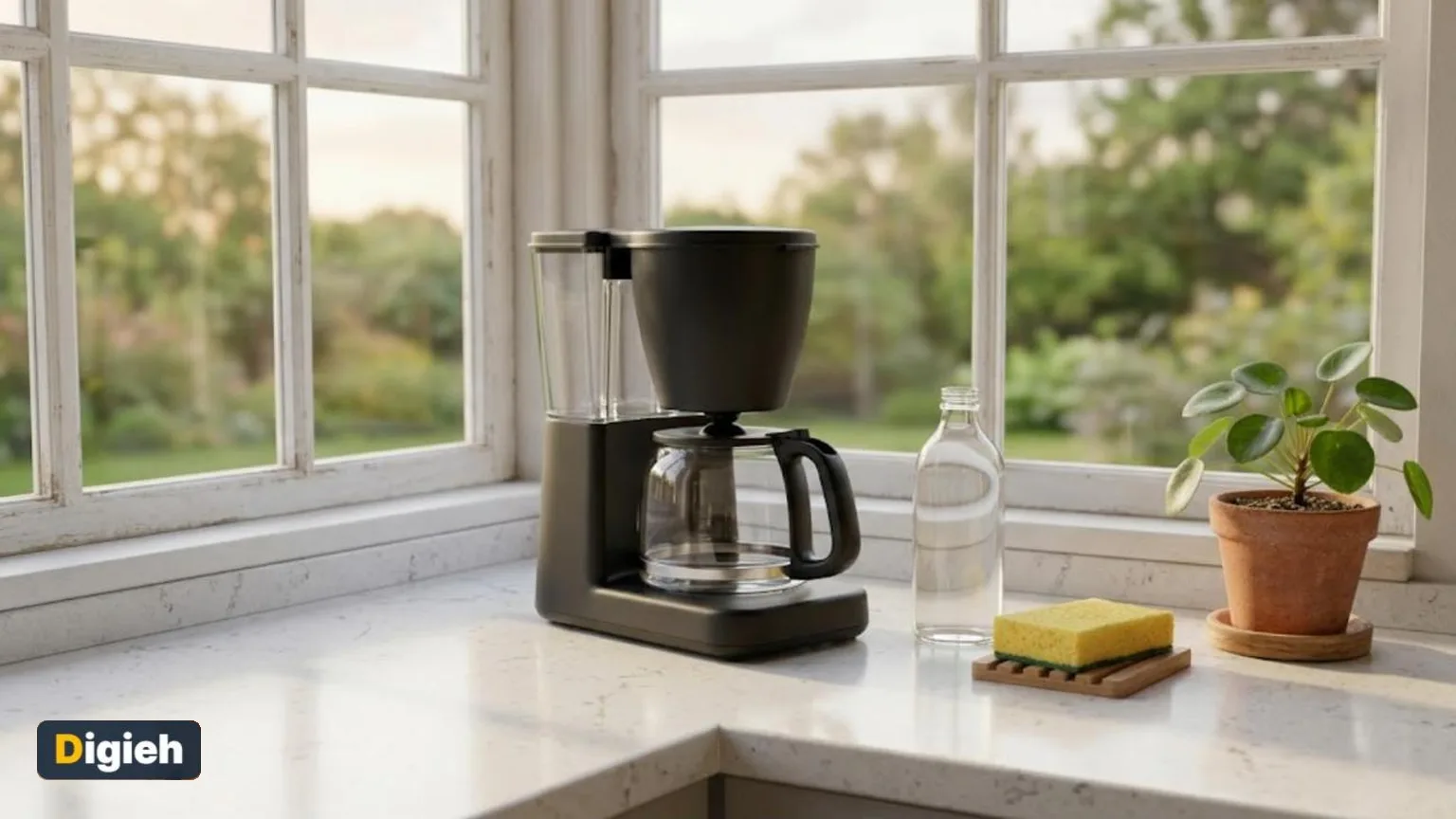
To descale a coffee maker, fill the water tank with equal parts white vinegar and water. Run half a brew cycle, pause for 30 minutes, then finish the cycle. Rinse by running two or three cycles with plain water until the smell is gone.
Hard water leaves mineral buildup inside your machine. Over time, coffee tastes bitter and brewing slows down. A quick descale fixes both problems.
Key Takeaways
- Descale every one to three months.
- Use equal parts white vinegar and water.
- Pause the cycle so the mix can work.
- Rinse with two or three plain water cycles.
- Clean the carafe and basket too.
On This Page
- Why Descaling Matters
- Signs Your Coffee Maker Needs Descaling
- How to Descale Step by Step
- Descaling Options Compared
- Daily Habits That Help
- Why Hard Water Makes Scale
- How Often to Descale
- Clean the Carafe and Filter Basket
- Choose a Descaling Product
- Pick the Best Water for Coffee
- Care for French Presses and Pour-Over Gear
- Store Coffee for Better Flavor
- Signs It Is Time for a New Machine
- Stay Safe While Cleaning
- Clean the Outside Too
- Make Better Coffee After Descaling
Why Descaling Matters
Tap water carries calcium and magnesium. These minerals stick to the heating parts inside your machine.
The buildup slows water flow and lowers brewing heat. Your coffee then tastes flat or bitter.
Regular descaling also helps your machine last longer. That saves you money over time.
1-3Months between descaling for most home coffee makers.
Signs Your Coffee Maker Needs Descaling
Watch for these common clues.
- Brewing takes longer than usual.
- Coffee tastes bitter or sour.
- The machine makes loud gurgling sounds.
- You see white crust around the water tank.
- Less coffee ends up in the pot.
How to Descale Step by Step
1. Empty and Clean the Parts
Throw out old grounds and the filter. Wash the carafe and basket in warm soapy water.
2. Mix the Descaling Solution
Fill the tank with equal parts white vinegar and water. A full tank works best.
Quick tip. Open a window while the vinegar heats. The smell fades fast with fresh air.
3. Run Half a Cycle
Start a brew cycle with no coffee. Turn the machine off halfway through.
4. Let It Sit
Wait 30 to 60 minutes. The warm vinegar breaks down mineral deposits.
5. Finish the Cycle
Turn the machine back on and let the cycle finish. Pour the hot mix down the sink.
6. Rinse Well
Run two or three full cycles with fresh water. Sniff the carafe. Stop once the vinegar smell is gone.
When did you last descale your coffee maker?
- This month
- A few months ago
- Over a year ago
- Never
Descaling Options Compared
| Option | Best For | Notes |
|---|---|---|
| White vinegar | Most drip machines | Cheap and easy to find |
| Citric acid powder | People who dislike vinegar smell | Mix about 1 tablespoon per liter of water |
| Store descaler | Machines with strict maker rules | Follow the label exactly |
Always check your owner manual first. Some brands ask you to avoid vinegar.
Use this checker to plan your next descale date.
Descale schedule checker
Good to know. Some brands void the warranty if you use vinegar. Check the manual before you start.
- Old grounds and filter thrown out
- Carafe and basket washed
- Vinegar and water mixed
- Half cycle run and paused
- Cycle finished
- Two or three water rinses done
Single-Serve and Espresso Machines
Pod machines often have a special descale mode. Read the manual to start it.
Espresso machines can be sensitive. Many makers suggest their own descaling product, so follow their steps.
Daily Habits That Help
Empty leftover water from the tank after each use. Standing water lets minerals settle.
Leave the lid open so the tank can dry. This also stops musty smells.
Use filtered water if your tap water is hard. You will need to descale less often.
Add to calendar
Why Hard Water Makes Scale
Scale comes from minerals in your tap water. Calcium and magnesium stay behind when water heats up.
Homes with hard water build up scale faster. The United States Geological Survey (USGS) explains what water hardness means and why it varies by area.
You may notice spots on glasses or crust on faucets. Those are good signs your coffee maker needs regular care too.
Using filtered water can slow scale buildup. It may also improve the taste of your coffee.
How Often to Descale
Your schedule depends on your water and how much coffee you make. Use this guide as a starting point.
| Water and Use | How Often to Descale |
|---|---|
| Soft water, one pot a day or less | Every three to six months |
| Average water, daily use | Every one to three months |
| Hard water, several pots a day | Every month |
Always check your owner’s manual first. Some machines have a light that tells you when to descale.
Clean the Carafe and Filter Basket
Descaling cleans the inside, but the parts you touch need care too. Coffee oils build up and can taste bitter.
Wash the carafe, lid and basket in warm soapy water after each use. Rinse well so no soap taste remains.
The Centers for Disease Control and Prevention (CDC) shares simple steps on when and how to clean your home. Regular cleaning helps keep kitchen items fresh.
For stubborn stains, fill the carafe with warm water and a spoonful of baking soda. Let it sit, then scrub gently.
Choose a Descaling Product
White vinegar works for many drip machines. Store-bought descalers are another option and often smell milder.
Some brands require their own product for warranty reasons. Check the manual before you choose.
Look for cleaners with safer ingredients. The Environmental Protection Agency (EPA) lists products that meet its Safer Choice standard.
Free updates
Join the Digieh list
Be the first to know when our weekly brief launches.
No spam. Unsubscribe anytime. Read our Privacy Policy.
Pick the Best Water for Coffee
The water you use affects both taste and scale. Coffee is mostly water, after all.
Filtered tap water is a good choice for most homes. A simple pitcher filter can reduce some minerals and odd flavors.
Distilled water has almost no minerals, so it slows scale a lot. Some coffee fans feel it makes coffee taste flat, though.
Try a few options and see what you like. Your machine and your taste buds will both thank you.
Care for French Presses and Pour-Over Gear
Not every coffee maker needs descaling, but all need cleaning. A French press can trap old grounds in its mesh filter.
Take the plunger apart once a week and wash each piece. A soft brush helps clean the mesh.
Kettles for pour-over coffee can build scale too. Descale them with the same vinegar method.
Store Coffee for Better Flavor
A clean machine works best with fresh coffee. Store beans in an airtight container away from heat and light.
Buy smaller bags you can finish in a few weeks. Grind beans just before brewing for the best taste.
Avoid keeping coffee near the stove or on a sunny counter. Heat makes the flavor fade.
Signs It Is Time for a New Machine
Sometimes descaling cannot fix an old coffee maker. Watch for leaks, burnt smells or coffee that never gets hot.
If brewing still takes far too long after a deep clean, the heating parts may be worn. A repair may cost more than a new machine.
Stay Safe While Cleaning
Always unplug the machine before you clean it. Let hot parts cool completely.
Never mix vinegar with bleach or other cleaners. The Centers for Disease Control and Prevention (CDC) warns that mixing bleach with other products can create harmful gases.
Clean the Outside Too
A spotless machine looks better and stays more hygienic. Wipe the outside with a damp cloth each week.
Pay attention to the buttons and handle. These spots collect fingerprints and coffee drips.
Clean the warming plate when it is cool. A paste of baking soda and water lifts burnt coffee stains.
Dry everything with a soft towel. This prevents streaks and water spots.
Make Better Coffee After Descaling
A freshly descaled machine brews hotter and faster. Many people notice better flavor right away.
Use about two tablespoons of ground coffee for every six ounces of water. Adjust to taste from there.
Brew right after grinding for the freshest flavor. Pour coffee into a warm mug so it stays hot longer.
Do not leave coffee on the warming plate for hours. It turns bitter as it sits.
Descaling Mistakes to Avoid
Some habits can damage your coffee maker.
- Skipping the rinse cycles
- Using the wrong cleaner
Always run clean water through the machine after descaling.
Check your manual for the right schedule for your machine. Many coffee makers need descaling every few months.
Try this today. Look inside your coffee maker’s water tank with a flashlight. If you see white crust or film, plan a vinegar descale this weekend.
Test Yourself
What mix works for most drip coffee makers?
- All bleach
- Equal parts white vinegar and water
- Dish soap and water
Vinegar breaks down minerals safely.
How do you remove the vinegar taste?
- Brew strong coffee
- Add sugar
- Run two or three water cycles
Plain water rinses clear the smell and taste.
Frequently Asked Questions
How often should I descale my coffee maker?
Every one to three months. Hard water areas need it more often.
Can I use apple cider vinegar?
White vinegar works better. Apple cider vinegar can leave a smell and stains.
Will my coffee taste like vinegar?
Not if you rinse well. Two or three water cycles usually remove the taste.
Is lemon juice a good descaler?
It can help, but citric acid powder gives more steady results.
Can I use lemon juice instead of vinegar?
Lemon juice can work for light scale. Rinse well, since it can leave a sticky film.
Does a single-serve machine need descaling too?
Yes. Pod machines build scale like drip machines. Follow the maker’s descaling steps.
Wrapping Up
Grab a bottle of white vinegar and descale your coffee maker this weekend. Your next cup will taste fresher.
Get your whole home ready with our Thanksgiving cleaning checklist. Warm up with our homemade hot chocolate recipe.
Found this useful?
Editor’s Note
This guide is accurate as of November 6, 2026. Always follow the instructions in your machine’s manual.
Spot an error in this article? Please contact us at support@digieh.com or read our Corrections Policy.
Keep exploring
Your next read is waiting
 1BusinessHow to Ask for a Raise: Tips and What to Say8 min read
 2HealthRaw or Powdered Turmeric? What the Science Says4 min read
 3Home & KitchenHow to Unclog a Drain Naturally Without Chemicals8 min read
 4Finance & MarketsHow to Cancel Unused Subscriptions and Save8 min read
 5NewsLoon Chicks Are in Decline, Alarming Study Shows4 min read
 6Beauty & Personal CareSimple Skincare Routine for Oily Skin8 min read