TRENDING
How to Unclog a Drain Naturally Without Chemicals

8 min read
Last updated November 6, 2026
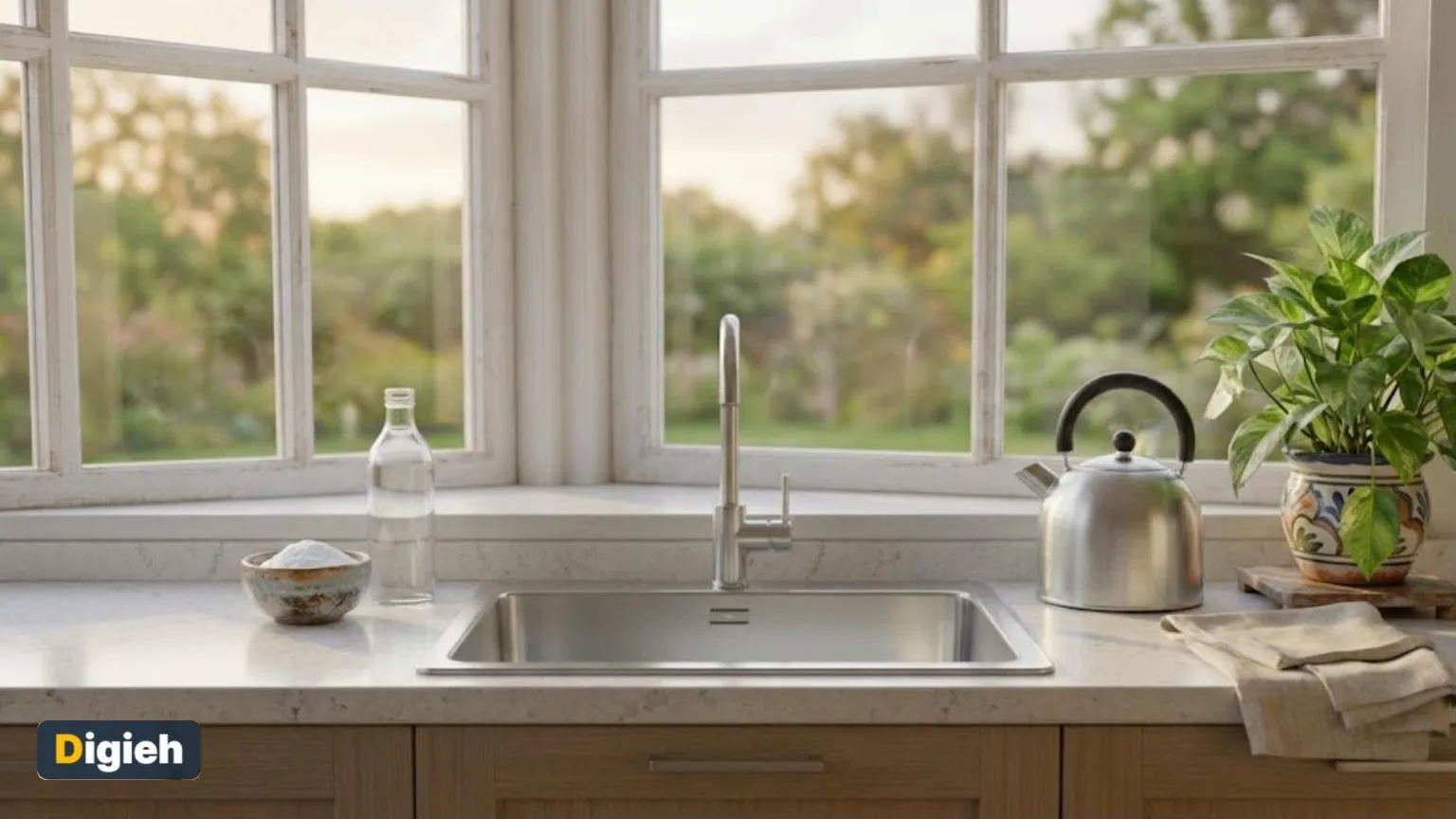
To unclog a drain naturally, pour a pot of hot water down the drain first. Add half a cup of baking soda and one cup of white vinegar. Cover for 15 minutes, then flush again.
For tougher clogs, use a plunger or a drain snake.
Grease, hair and soap buildup cause most slow drains. Simple tools fix many clogs without harsh chemicals.
Key Takeaways
- Start with hot water for grease clogs.
- Baking soda and vinegar loosen buildup.
- A plunger fixes many sink and tub clogs.
- A drain snake pulls out hair.
- Call a plumber if water backs up in several drains.
On This Page
- What Causes Clogs
- How to Unclog a Drain Step by Step
- Best Fix by Drain Type
- How to Prevent Clogs
- When to Call a Plumber
- Tools Every Home Should Have
- Use a Drain Snake Safely
- Clean the P-Trap Under the Sink
- Build Better Kitchen Habits
- Use Hair Catchers and Strainers
- Never Mix Drain Products
- Choose Safer Cleaning Products
- Fix Drain Smells and Mold
- Protect Drains in Winter
- Bathroom Drain Care Routine
- Save Money on Plumbing Repairs
- Signs You Have a Leak Under the Sink
What Causes Clogs
Kitchen sinks clog from grease, food scraps and coffee grounds. Bathroom drains clog from hair and soap.
Clogs build slowly, so a slow drain is an early warning.
Fixing it early is much easier than clearing a full blockage later.
15Minutes of baking soda and vinegar can loosen light drain buildup.
How to Unclog a Drain Step by Step
1. Remove Standing Water
Scoop out water so you can work on the drain.
2. Pour Hot Water
Boil water and pour it slowly down the drain. Skip this step with plastic pipes, and use hot tap water instead.
3. Add Baking Soda and Vinegar
Pour half a cup of baking soda, then one cup of vinegar. Cover the drain for 15 minutes.
Quick tip. Rub a little petroleum jelly on the plunger rim. It creates a tighter seal.
4. Flush Again
Pour more hot water to wash away loose buildup.
5. Plunge or Snake
If the drain is still slow, use a cup plunger or a plastic drain snake.
Which drain clogs most in your home?
- Kitchen sink
- Bathroom sink
- Shower or tub
- Toilet
Best Fix by Drain Type
| Drain | Best Fix |
|---|---|
| Kitchen sink | Hot water, then plunger |
| Bathroom sink | Remove stopper and clean hair |
| Shower or tub | Plastic drain snake |
| Toilet | Flange plunger |
Use this calculator to plan your monthly drain care.
Drain care planner
Good to know. Holiday cooking means more grease. Wipe pans with a paper towel before washing.
- Baking soda
- White vinegar
- Kettle for hot water
- Cup plunger
- Plastic drain snake
- Drain screens
How to Prevent Clogs
Never pour grease down the sink. Let it cool and toss it in the trash.
Use drain screens in showers and sinks to catch hair and food.
When to Call a Plumber
Call for help if several drains clog at once or water backs up in the tub.
Bad smells or gurgling sounds can point to a deeper problem.
Skip Harsh Chemicals
Strong chemical drain cleaners can damage pipes and irritate skin and eyes.
Never mix different drain products. The fumes can be dangerous.
Add to calendar
Tools Every Home Should Have
A few simple tools handle most clogs. You can find them at any hardware store for a low price.
A cup plunger works best on sinks and tubs. A flange plunger has an extra rubber flap and fits toilets better.
A plastic drain zip tool grabs hair from bathroom sinks. A small hand auger, also called a drain snake, reaches deeper clogs.
Keep rubber gloves and an old towel nearby. Clogs can get messy fast.
Use a Drain Snake Safely
A drain snake can clear clogs a plunger cannot reach. Feed the cable slowly into the drain.
Turn the handle when you feel resistance. This helps the tip grab or break up the clog.
Pull the cable out slowly and wipe it with a rag. Run hot water to flush any loose debris.
Do not force the snake if it gets stuck. Pushing too hard can damage older pipes.
Clean the P-Trap Under the Sink
Plumbers call the curved pipe under a sink a P-trap. It holds water to block sewer smells, but it also traps gunk.
Place a bucket under the trap first. Loosen the slip nuts by hand or with pliers.
Empty the trap into the bucket and rinse it in another sink. Put it back and tighten the nuts snugly.
Run water and check for drips. Tighten a little more if you see a leak.
Build Better Kitchen Habits
Kitchen clogs often start with grease. Fat may look like liquid when hot, but it hardens in the pipes.
Pour cooled grease into a can and throw it away. Wipe greasy pans with a paper towel before washing.
Scrape plates into the trash or compost. Coffee grounds and eggshells can also build up in pipes.
Use Hair Catchers and Strainers
Strainers are the cheapest clog prevention you can buy. They stop hair and food before they enter the pipes.
Place a mesh strainer in the kitchen sink. Use a hair catcher in the shower and tub.
Empty them often into the trash. A full strainer slows water down too.
Never Mix Drain Products
Mixing cleaners can be dangerous. Some combinations release toxic fumes.
The Centers for Disease Control and Prevention (CDC) warns against mixing bleach with other cleaning products. This includes ammonia and acids found in some drain cleaners.
If you already poured in a chemical cleaner, do not add vinegar or another product. Tell your plumber what you used.
Choose Safer Cleaning Products
You can keep drains fresh without harsh chemicals. Baking soda, vinegar and hot water handle many mild clogs.
If you buy a cleaner, look for safer choices. The Environmental Protection Agency (EPA) lists products that meet its Safer Choice standard.
Enzyme cleaners can help break down organic gunk over time. They work slowly, so use them for upkeep.
Free updates
Join the Digieh list
Be the first to know when our weekly brief launches.
No spam. Unsubscribe anytime. Read our Privacy Policy.
Fix Drain Smells and Mold
A smelly drain often means trapped food, hair or a dry P-trap. Run water in unused drains once a week to refill the trap.
Damp areas around sinks can grow mold. The Environmental Protection Agency (EPA) offers a brief guide to mold and moisture at home.
Fix leaks quickly and dry wet cabinets. Good airflow keeps mold from coming back.
Protect Drains in Winter
Cold weather can cause trouble for pipes along outside walls. Frozen pipes can crack and leak.
Let a faucet drip on very cold nights. Open cabinet doors under sinks so warm air can reach the pipes.
Our guide on how to prevent frozen pipes covers more steps. Acting early can save you from a costly repair.
Bathroom Drain Care Routine
Bathroom drains clog mostly from hair, soap scum and toothpaste. A simple routine keeps them flowing.
Clear hair from the shower drain after each wash. It only takes a few seconds with a catcher.
Once a week, run hot water for one minute after brushing your teeth. This helps flush soap and paste.
Once a month, pour half a cup of baking soda followed by a cup of vinegar. Wait 15 minutes, then flush with hot water.
Save Money on Plumbing Repairs
Small fixes now can prevent big bills later. Learn where your main water shutoff valve is today.
Fix dripping faucets and running toilets quickly. They waste water and can hide bigger problems.
Ask a plumber for a written estimate before work starts. Get a second quote for large jobs.
Signs You Have a Leak Under the Sink
Hidden leaks can cause damage before you notice them. Check under your sinks once a month.
Look for water stains, warped cabinet floors or a musty smell. Run the water and feel the pipes for moisture.
Place a dry paper towel under the pipes overnight. A damp spot in the morning means a slow leak.
Tighten loose fittings by hand first. Call a plumber if the leak keeps coming back.
Drain Mistakes to Avoid
Some habits cause clogs or damage pipes. Watch out for these common mistakes.
- Pouring grease down the sink
- Mixing chemical drain cleaners
- Rinsing coffee grounds down the drain
- Ignoring slow drains for weeks
Scrape food and grease into the trash before washing dishes.
Keep Drains Clear Every Week
A few simple habits stop most clogs before they start.
Use drain screens in sinks and showers. Run hot water through kitchen drains after washing up.
Know When to Call a Plumber
Call a plumber if several drains back up at once. This can mean a bigger problem in your pipes.
Try this today. Pour a kettle of hot, not boiling, water down your bathroom sink. Then pull out any hair you can reach with a gloved hand.
Test Yourself
What should never go down the kitchen sink?
- Grease
- Hot water
- Dish soap
Grease hardens and blocks pipes.
What tool pulls hair from a shower drain?
- A spoon
- A sponge
- A plastic drain snake
Snakes grab and pull out hair clogs.
Frequently Asked Questions
Does baking soda and vinegar really work?
It helps loosen light buildup. Tough clogs need a plunger or snake.
Can I pour boiling water down any drain?
Avoid it with plastic pipes or porcelain toilets.
How do I unclog hair from a shower drain?
Use a plastic drain snake to pull it out.
How often should I clean my drains?
A monthly hot water flush helps prevent clogs.
Is boiling water safe for all drains?
No. Very hot water can damage some plastic pipes and toilet bowls. Use hot tap water or water just below a boil.
How often should I clean my drains?
A quick baking soda and hot water flush once a month helps. Clean strainers every few days.
Wrapping Up
Try the hot water and baking soda method on a slow drain today. A little upkeep saves a costly plumber visit.
Protect your plumbing this winter with tips to prevent frozen pipes. Prep for guests with our Thanksgiving cleaning checklist.
Found this useful?
Editor’s Note
This guide is accurate as of November 6, 2026. Call a licensed plumber for serious plumbing problems.
Spot an error in this article? Please contact us at support@digieh.com or read our Corrections Policy.
Keep exploring
Your next read is waiting
 1TechnologyCold Weather Car Battery Tips That Prevent Breakdowns10 min read
 2SportsVital Sledding Safety Tips Every Parent Should Know10 min read
 3Food & LifestyleSmart Ways to Prevent Ice Dams This Winter10 min read
 4HealthSinus Infection vs Cold: Simple Ways to Tell10 min read
 5Finance & MarketsSmart Furnace Maintenance Tips That Save You Money10 min read
 6BusinessEssential Holiday Staffing Tips for Small Business Owners10 min read