TRENDING
Keep Mice Out of Your House This Winter

6 min read
Last updated November 19, 2026
Mice move indoors when it gets cold, and they fit through a hole about 1/4 inch wide. Seal gaps, remove food and set traps to keep them out all winter.
Many tips online lean on scents and home remedies. This guide sticks to the seal up, trap up, clean up plan from public health experts.
Key Takeaways.
- Mice can squeeze through a gap about the width of a pencil.
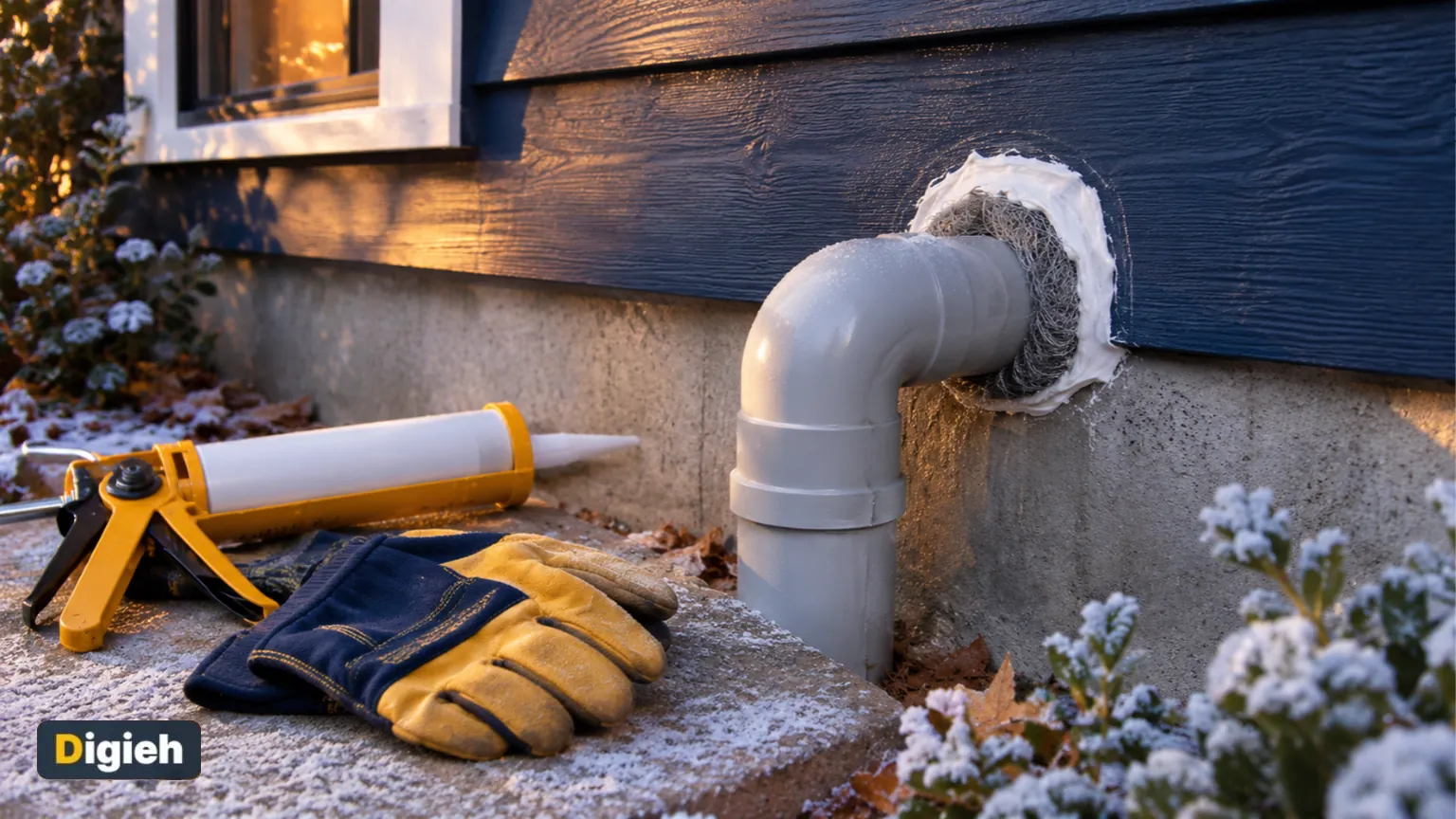
- Steel wool and metal stop mice, but foam, rubber, plastic and wood do not.
- Never sweep or vacuum droppings. Soak them in a bleach mix first.
- Keep poison bait in tamper-resistant stations away from kids and pets.
Jump to a section
- Signs you have mice
- Seal up entry points
- Materials that work
- Remove food and shelter
- Trap up
- Clean up safely
- Trap and bleach calculators
- When to call a professional
- Frequently asked questions
- Conclusion
Signs You Have Mice
Mice are most active at night, so you may see their signs before you see them. The University of California pest program lists the main clues.
- Droppings along walls, in drawers or under sinks.
- Fresh gnaw marks on food boxes, wires or wood.
- Nests of shredded paper or fabric behind boxes or in the garage.
- A musky smell in closed spaces.
- Scratching sounds in walls or ceilings at night.
Seal Up Entry Points
Sealing holes is the best long-term fix. Mice can fit through a hole about 1/4 inch wide, the Centers for Disease Control and Prevention says.
1/4 inchSize of the hole a mouse can fit through, according to federal health experts.
Inside the house
- Under and behind kitchen cabinets and appliances.
- Around pipes under sinks and behind the washing machine.
- Around vents, fireplaces, windows and doors.
- In the attic, basement or crawl space.
- Where the floor meets the wall.
Outside the house
- Roof edges, eaves and gable vents.
- Doors and windows without weather stripping.
- Gaps between the foundation and the ground.
- Holes where pipes and cables enter the house.
- The garage door seal and the garage itself.
Materials That Work and Materials That Fail
Mice chew through soft materials fast. Pick the right fix for each gap.
| Material | Stops mice? | Best use |
|---|---|---|
| Steel wool held with caulk | Yes | Small holes around pipes |
| Hardware cloth or lath screen | Yes | Vents and larger openings |
| Metal sheeting or flashing | Yes | Gnawed door edges, base of the house |
| Cement | Yes | Foundation cracks |
| Expanding foam alone | No | Only over steel wool |
| Rubber, vinyl, plastic or wood | No | Not for mouse gaps |
Material advice comes from federal health guidance and the University of California pest program.
Good to know. Steel wool scouring pads work as a quick plug but may rust. Swap them for copper mesh or metal for a lasting fix.
Have you seen signs of mice in your home this year?
- Yes, inside
- Only in the garage
- No
- Not sure
Remove Food and Shelter
Mice stay where food and nesting spots are easy. Cut both off and your home becomes far less inviting.
- Store cereal, grains, pet food and birdseed in thick plastic or metal containers with tight lids.
- Wipe crumbs and wash dishes before bed.
- Use trash cans with tight lids, inside and out.
- Stack firewood at least 100 feet from the house and one foot off the ground.
- Keep bird feeders and compost away from the house.
- Trim shrubs and weeds near the walls.
These distances come from federal health guidance. Storing boxes for winter? Our tips on storing holiday decorations and organizing your garage help remove nesting spots.
If you feed birds, see our winter bird feeding guide for spill-free feeder ideas.
Trap Up
Traps remove mice already inside. Snap traps are a common choice, since they work fast and leave no poison behind.
- Bait with a small amount of a food mice already eat.
- Place traps along walls, behind objects and in dark corners.
- Space traps no more than about 10 feet apart where you see activity.
- Set pairs close together to catch mice that jump over one trap.
- Check traps every day and wear gloves when you empty them.
Trap advice comes from the University of California pest program. Glue boards mostly catch young mice, and caught mice may suffer, the program notes.
Poison bait and safety
Consumer poison bait must come in a bait station, the Environmental Protection Agency says. Loose pellets are no longer sold to consumers.
Read the label to check it is tested against tampering by kids and dogs. Our guide on childproofing your home covers safe storage.
Free updates
Join the Digieh list
Be the first to know when our weekly brief launches.
No spam. Unsubscribe anytime. Read our Privacy Policy.
Clean Up Safely
Mouse droppings and urine can spread germs. The Centers for Disease Control and Prevention gives these steps.
- Open doors and windows for 30 minutes and leave the area.
- Put on rubber or plastic gloves.
- Mix 1.5 cups of household bleach in 1 gallon of water. Make it fresh each time.
- Soak droppings, urine and nests for 5 minutes.
- Pick everything up with paper towels and put them in a covered trash can.
- Disinfect the area, then wash gloved hands before taking the gloves off.
- Wash your hands with soap and warm water.
Good to know. Do not sweep or vacuum droppings. Federal health experts say this can stir germs into the air.
Trap and Bleach Calculators
Digieh built these two calculators from the guidance above. Use the first to plan traps and the second to mix cleaner.
How many traps you need
Bleach for your cleanup mix
When to Call a Professional
Call a licensed pest control company if you keep finding fresh droppings after two weeks of trapping. Also call if you hear activity inside walls you cannot reach.
A professional can find hidden entry points and use products not sold in stores. Ask for a written plan that starts with sealing.
Try this today. Walk around your house at dusk with a flashlight. Light shining through a gap from inside shows an entry point.
Test Yourself
Which material stops mice from chewing through?
- Expanding foam
- Steel wool
- Rubber
Mice cannot chew through steel wool, but they can get past foam, rubber, plastic and wood.
Frequently Asked Questions
How small a hole can a mouse fit through?
About 1/4 inch wide, according to federal health experts. That is roughly the width of a pencil.
What do mice hate the most?
Sealed gaps and no food. Public health guides focus on sealing and food storage, not scents.
Is it safe to vacuum mouse droppings?
No. Soak droppings in a bleach mix for 5 minutes, then wipe them up with paper towels.
Where do mice get into a house?
Common spots are gaps around pipes, vents, doors, the garage and the foundation.
Conclusion
Mice come in for warmth and food in winter. Seal small gaps with metal, store food tightly and trap any mice already inside.
Your next step is to check under the kitchen sink and around the garage door for gaps today.
Editor’s Note
This article is accurate as of November 19, 2026. Guidance comes from federal health and environment agencies and the University of California pest program.
Spot an error in this article? Please contact us at support@digieh.com or read our Corrections Policy.
Keep exploring
Your next read is waiting
 1RecipesEasy Shakshuka Recipe With Eggs in Tomato Sauce7 min read
 2Pets & AnimalsDog Separation Anxiety: Signs and How to Help5 min read
 3AI & TechGemini Tasks AI Agent: Free in Six Countries5 min read
 4NewsCalifornia AI Rules: What Newsom’s Plan Would Change4 min read
 5Finance & MarketsCompound Interest Calculator: See How Your Money Grows5 min read
 6GamingHow to Choose a Gaming Monitor, Specs Explained8 min read
Found this useful?