TRENDING
How to Organize Your Closet for Winter: 6 Easy Steps

8 min read
Last updated November 6, 2026
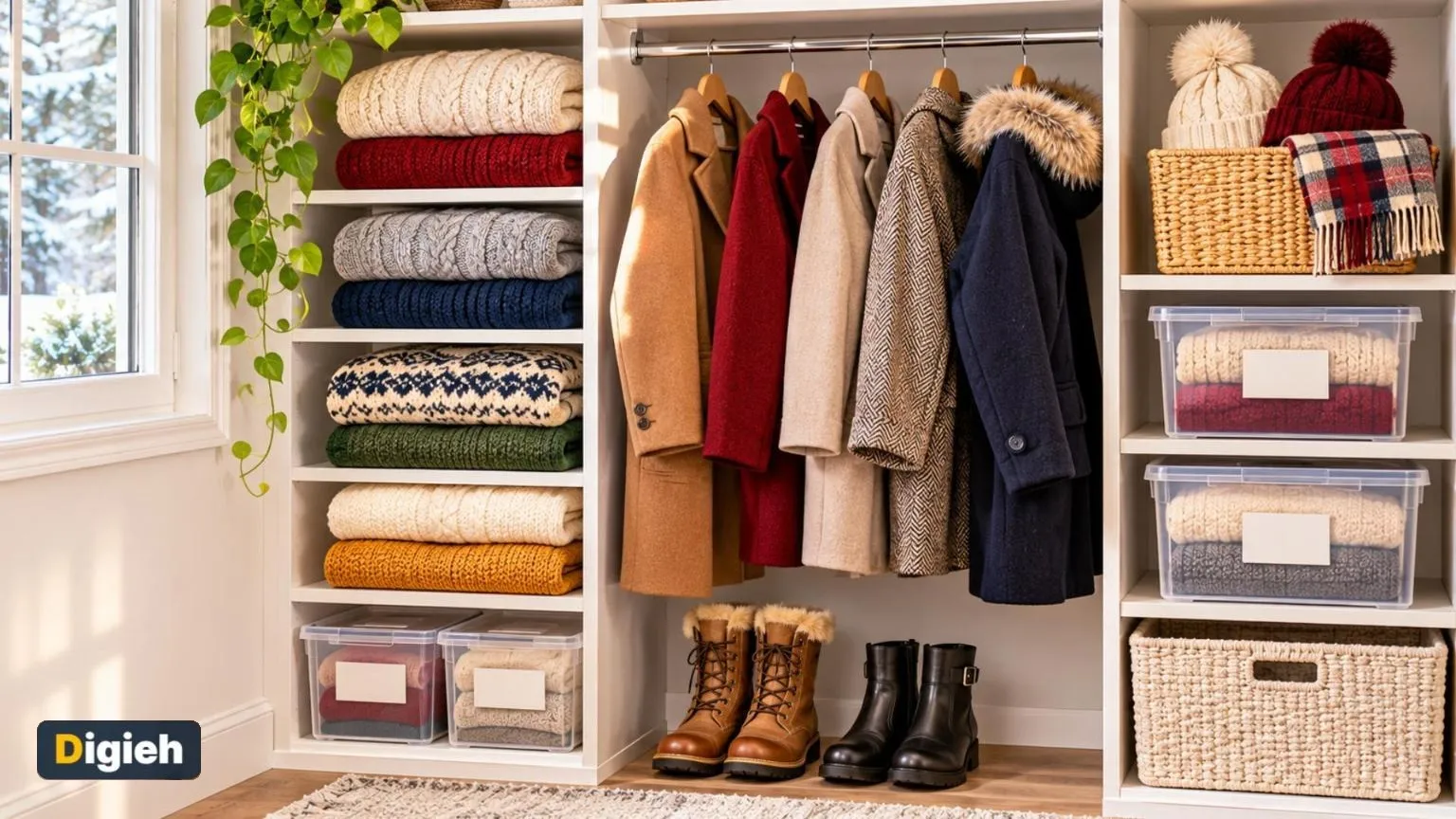
To organize your closet for winter, start by taking everything out. Sort clothes into keep, donate and store piles. Pack summer items in labeled bins, then hang coats and sweaters where you can reach them easily.
A tidy closet makes cold mornings easier. You find what you need fast, and your clothes stay in better shape.
Key Takeaways
- Empty the closet before you sort.
- Donate items you have not worn in a year.
- Store summer clothes clean, dry and labeled.
- Fold heavy sweaters so they keep their shape.
- Use hooks and bins for small winter gear.
On This Page
- Before You Start
- How to Organize Your Closet Step by Step
- What to Fold and What to Hang
- Smart Storage Ideas
- Keep It Tidy All Winter
- Decide What to Keep
- Organize by Category and Color
- Care for Winter Coats
- Store Boots and Winter Shoes
- Protect Clothes From Moths
- Make Busy Mornings Easier
- Build a Capsule Wardrobe
- Donate and Sell Unwanted Clothes
- Organize Kids’ Closets
Before You Start
Set aside one or two hours. Grab trash bags, a few storage bins and some labels.
Charities such as Goodwill accept gently used clothes.
The Environmental Protection Agency (EPA) tracks how many textiles reach landfills each year.
Open a window or turn on a fan. Dust builds up in closets over the summer.
6Simple steps to switch your closet from summer to winter.
How to Organize Your Closet Step by Step
1. Take Everything Out
Pull every item out and lay it on your bed. You see exactly what you own this way.
2. Clean the Space
Wipe the shelves and vacuum the floor. Check corners for moth signs or dampness.
3. Sort Into Piles
Make three piles for keep, donate and store. Be honest about pieces you never reach for.
Quick tip. Turn all hangers backward now. Flip each one after you wear it. In spring, donate anything still facing backward.
4. Pack Away Summer Clothes
Wash summer items before you store them. Stains and body oils can set over time.
Use clear bins with lids and label each one. Slide them under the bed or onto a high shelf.
5. Bring Winter Clothes Forward
Put coats, sweaters and boots in easy reach. Group them by type, then by color.
6. Add Small Organizers
Hang hooks for scarves and bags. Use baskets for hats and gloves.
What is the hardest part of closet cleanup?
- Letting go of clothes
- Finding time
- Lack of space
- Staying organized
What to Fold and What to Hang
| Item | Best way to store it |
|---|---|
| Heavy sweaters | Fold on a shelf |
| Wool coats | Hang on wide hangers |
| Jeans | Fold or hang |
| Dress shirts | Hang |
| Knit hats and scarves | Basket or hooks |
| Boots | Upright with boot shapers |
Hanging heavy knits can stretch the shoulders. Folding keeps them looking new.
- Empty the closet
- Wipe shelves and vacuum
- Sort into keep, donate and store
- Wash and pack summer clothes
- Label every bin
- Bring winter clothes forward
Smart Storage Ideas
Small changes can double your closet space.
The Environmental Protection Agency (EPA) explains how moisture leads to mold, so store clothes dry.
- Use slim matching hangers to save room.
- Add a second rod below the first one.
- Hang an over-the-door rack for shoes.
- Use shelf dividers to keep stacks neat.
- Try vacuum bags for bulky summer bedding.
Use this calculator to see how many bins you may need.
Storage bin estimator
Good to know. This estimate assumes about 25 folded items per medium bin. Bulky pieces take more space.
Keep It Tidy All Winter
Put clothes back right after you wear them. A small habit keeps the mess away.
Try the one-in, one-out rule. When you buy something new, donate something old.
Check your closet once a month. Five minutes of tidying keeps it under control.
Add to calendar
Decide What to Keep
Sorting is the hardest part of organizing a closet. A few simple questions make decisions easier.
- Have I worn this in the past year?
- Does it fit me well right now?
- Is it in good condition?
- Do I feel good when I wear it?
- Would I buy it again today?
If most answers are no, it is probably time to let it go. Keep a “maybe” bag and revisit it in a month.
Organize by Category and Color
Grouping clothes makes it easy to find what you need. It also shows what you already own.
| Group | Examples |
|---|---|
| Tops | T-shirts, blouses, sweaters |
| Bottoms | Jeans, trousers, skirts |
| Outerwear | Coats, jackets, vests |
| Dresses and suits | Work and special occasion outfits |
| Accessories | Scarves, belts, hats, bags |
Within each group, arrange items from light to dark. A color-sorted closet looks neat and calm.
Care for Winter Coats
Coats are some of the most expensive items in a closet. Good care helps them last for years.
- Hang coats on wide, sturdy hangers to keep their shape.
- Empty pockets so they do not stretch.
- Brush wool coats gently to remove lint.
- Follow the care label for cleaning.
- Let wet coats dry fully before putting them away.
Give coats a little space on the rod. Crushed coats can wrinkle and lose their shape.
Store Boots and Winter Shoes
Boots take up a lot of space and can drip salt and snow. Store them carefully.
Set a tray or mat by the door for wet boots. Let them dry before you put them in the closet.
Use boot shapers or rolled magazines to keep tall boots upright. Wipe off salt stains with a damp cloth.
Store shoes you rarely wear in clear boxes on a high shelf. Keep everyday shoes on a low rack.
Protect Clothes From Moths
Moths love wool, cashmere and other natural fibers. A few habits keep them away.
- Wash or dry-clean clothes before storing them.
- Store wool items in sealed bags or bins.
- Use cedar blocks, cedar hangers or lavender sachets.
- Vacuum the closet floor and corners often.
- Check stored clothes every few months.
Moths prefer dark, undisturbed spaces. Moving clothes around now and then helps.
Free updates
Join the Digieh list
Be the first to know when our weekly brief launches.
No spam. Unsubscribe anytime. Read our Privacy Policy.
Make Busy Mornings Easier
A well-organized closet can speed up your morning routine. A little planning the night before helps even more.
- Choose tomorrow’s outfit before bed.
- Hang complete outfits together for workdays.
- Keep everyday basics at eye level.
- Store accessories near the clothes you pair them with.
- Check the weather forecast before you pick an outfit.
Set aside a small hook for the next day’s clothes. It turns getting dressed into a quick, calm task.
Seasonal Closet Swap Checklist
Twice a year, swap seasonal clothes in and out of your closet. A short checklist keeps it quick.
Wash or clean every item before you store it. Check pockets, repair loose buttons and note anything you need to replace.
Label each storage bin with its contents and season. Your future self will thank you when the weather changes again.
Build a Capsule Wardrobe
A capsule wardrobe is a small collection of pieces that mix and match. It can simplify your mornings.
Choose a few neutral basics, like jeans, plain tops and a warm sweater. Add a few colorful pieces for variety.
Many people find they wear most of their capsule items often. Fewer choices can mean less stress.
Donate and Sell Unwanted Clothes
Giving clothes a second life keeps them out of landfills. Choose the option that suits you.
Local charities and shelters often welcome warm coats in winter. Call ahead to ask what they need most.
Sell higher-value items at consignment shops or online. Use the money for pieces you really need.
Recycle worn-out textiles through local programs. Many communities collect old clothes and fabric.
Organize Kids’ Closets
Kids grow fast, so their closets need frequent updates. Sort their clothes every season.
Use low rods and labeled bins so kids can reach their own clothes. Picture labels help younger children.
Keep a bin for outgrown clothes. Pass them on to siblings, friends or charities.
Closet Organizing Mistakes to Avoid
Some habits make closets messy again fast. Watch out for these common mistakes.
- Buying bins before you sort clothes
- Keeping clothes that no longer fit
- Stuffing too many items on one shelf
- Storing winter coats in damp places
Sort clothes first, then choose storage that fits what you keep.
Keep Your Closet Tidy All Season
A few daily habits keep your closet neat after you organize it.
Hang clothes right after wearing them. Put shoes back in the same spot each day.
Do a Quick Reset Each Month
Spend 10 minutes each month folding and returning stray items. Small resets prevent big messes.
Put a donation bag in the closet for items you no longer wear. Drop it off when it is full.
Try this today. Pull out five summer items you did not wear this year. Put them in a donate bag by the door.
Test Yourself
How should you store heavy sweaters?
- Hang them on thin hangers
- Fold them on a shelf
- Stuff them in a bag
Folding keeps knits from stretching.
What should you do before storing summer clothes?
- Iron them
- Spray perfume on them
- Wash them
Clean clothes avoid set-in stains and pests.
Frequently Asked Questions
Should I hang or fold sweaters?
Fold them. Hanging can stretch the shoulders out of shape.
Where should I store summer clothes?
Use clean, labeled bins in a cool, dry spot like under the bed.
How do I keep moths away?
Store clothes clean and use cedar blocks or lavender sachets.
How often should I declutter?
Do a big sort twice a year when the seasons change.
How do I decide which clothes to keep?
Keep items you have worn in the past year that fit well and make you feel good.
What is a capsule wardrobe?
It is a small set of pieces that mix and match easily.
How should I store winter boots?
Let them dry first, then use boot shapers and keep salt stains wiped away.
Where can I donate winter coats?
Local charities and shelters often welcome warm coats. Call ahead to ask what they need.
Wrapping Up
Clear out your closet this weekend and bring your winter clothes forward. You will save time every cold morning.
Get the rest of your home ready with our Thanksgiving cleaning checklist. Stay warm for less with tips to lower your heating bill.
Found this useful?
Editor’s Note
This guide is accurate as of November 6, 2026. Fabric care can vary, so check your clothing labels.
Spot an error in this article? Please contact us at support@digieh.com or read our Corrections Policy.
Keep exploring
Your next read is waiting
 1AI & TechClaude Personal Finance Tool Now Analyzes Your Spending4 min read
 2NewsAmerica Hits a New Record for Energy Production4 min read
 3TechnologyHow to Use Your Phone as a Hotspot Safely8 min read
 4HealthHow to Reduce Screen Time: 5 Simple Steps8 min read
 5Finance & MarketsWhy the Gold Price Soared Back Above $4,1004 min read
 6BusinessHow to Write a Cover Letter: Simple Guide8 min read