TRENDING
British Doctor With Ebola Treated at London Hospital

4 min read
A British doctor with Ebola is receiving care at London’s Royal Free Hospital, health officials said on November 5, 2026. The public risk remains low.
Key Points
- The doctor caught Ebola while helping fight an outbreak in the Democratic Republic of the Congo.
- The patient is in a special isolation unit at the Royal Free Hospital.
- Health officials say people in Britain do not need extra precautions.
What Happened
The patient is a British doctor and aid worker. They helped respond to an Ebola outbreak in the Democratic Republic of the Congo. A special medical flight brought them back to Britain.
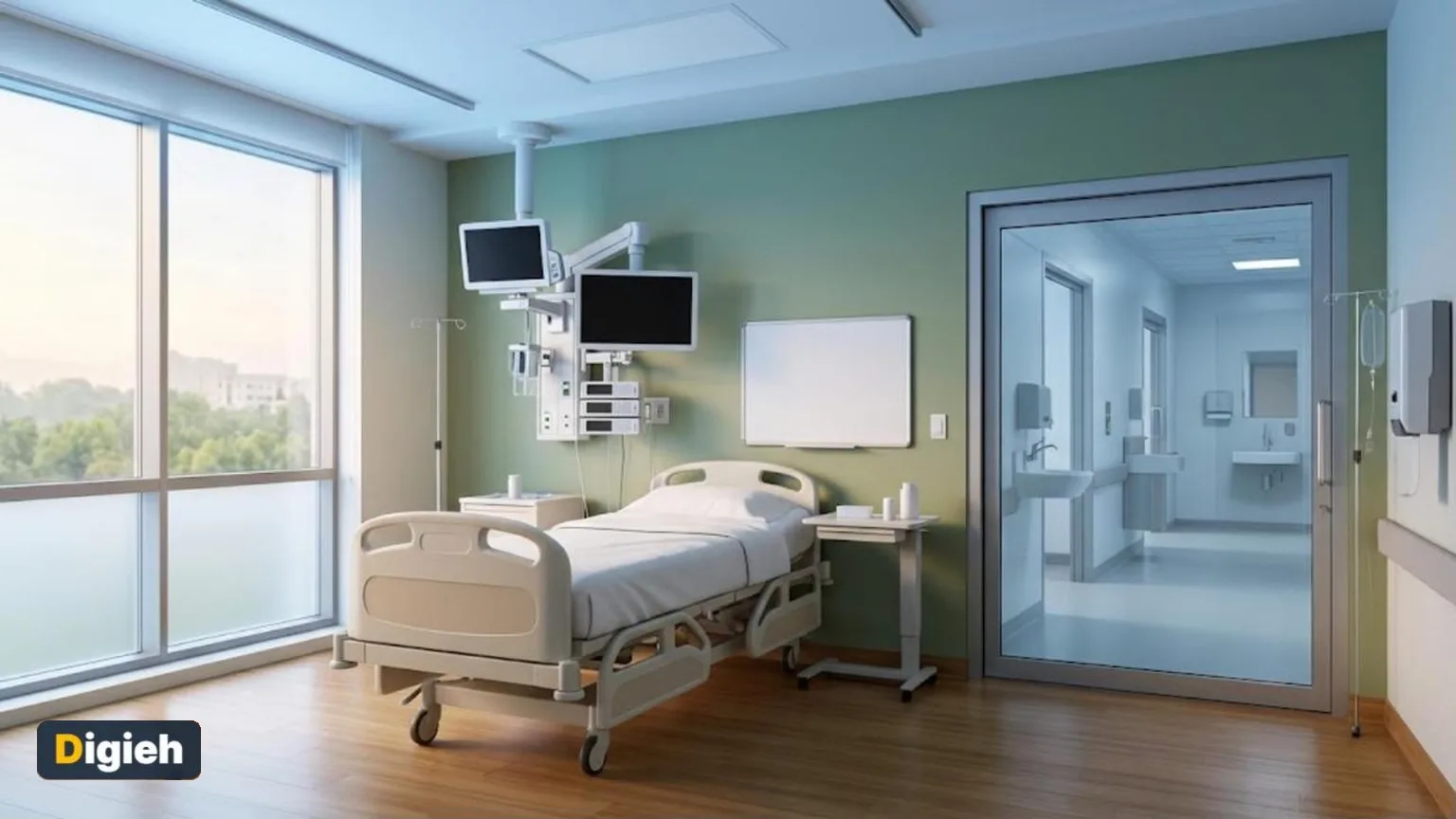
The patient is now in a High Consequence Infectious Disease unit, according to the United Kingdom Health Security Agency. These units treat the most serious infections.
The agency said the risk to the public in Britain remains low. It added that the medical flight does not raise that risk.
Good to know. Ebola does not spread through the air. Health officials say people in Britain do not need to take extra steps.
About the Outbreak
The Bundibugyo type of Ebola virus causes this outbreak. The World Health Organization confirmed cases in the Democratic Republic of the Congo and Uganda in May 2026.
The World Health Organization notes there is no licensed vaccine or specific treatment for this type of Ebola. Patients receive supportive care, such as fluids and treatment for symptoms.
Independent Television (ITV) News, citing United Nations figures, reported more than 5,100 deaths linked to the outbreak.
21 daysThe longest time Ebola symptoms may take to appear after contact, according to the United Kingdom Health Security Agency (UKHSA).
How Ebola Spreads
Ebola does not spread through the air like flu or a common cold. It passes through direct contact with the body fluids of a sick person, such as blood, vomit or diarrhea.
Health workers face higher risk because they care for very sick patients up close. That is why isolation units use strict safety gear and steps.
Staff wear full protective suits, masks and gloves. They also follow careful steps when putting on and taking off this gear.
Symptoms can appear 2 to 21 days after contact, the agency said. Most people show signs around 8 to 10 days later.
The National Health Service explains Ebola symptoms and risks in plain words. Malaria can cause similar early signs, so testing matters.
Do you check health advice before traveling abroad?
- Always
- Sometimes
- Never
Free updates
Join the Digieh list
Be the first to know when our weekly brief launches.
No spam. Unsubscribe anytime. Read our Privacy Policy.
Ebola Cases in Britain Before
This is not Britain’s first case. Before now, there had been four confirmed Ebola cases in the country, Independent Television (ITV) News reported. These cases date back almost 50 years.
One came from a laboratory needle accident in 1976. Three others involved health workers who helped during the 2014 to 2015 outbreak in West Africa.
When to Get Help
Most people in Britain have no reason to worry. However, travelers returning from affected areas should know the warning signs.
The agency lists these early signs of Ebola. Seek advice quickly if they appear after recent travel to affected areas.
- Sudden fever
- Headache and tiredness
- Muscle pain
- Sore throat
- Nausea, vomiting or diarrhea
Did you visit the Democratic Republic of the Congo or nearby affected areas in the last 21 days? If you feel unwell, stay home.
Call the National Health Service helpline on 111, or 999 in an emergency. Tell them about your travel, and do not go to a doctor’s office without calling first.
This article is for information only and is not medical advice.
- Know the warning signs if you traveled to affected areas
- Stay home and call 111 if you feel unwell
- Mention your travel history on the call
- Do not visit a doctor’s office without calling first
Try this today. Save your local health helpline number in your phone. It helps to have it ready in any emergency.
Frequently Asked Questions
Is Ebola spreading in Britain?
No. Health officials say the risk to the public remains low. The patient is in a specialist isolation unit.
How does Ebola spread?
Ebola spreads through direct contact with the blood or body fluids of a sick person. It is not airborne.
How can I lower my risk of catching infections when traveling?
Wash your hands often and follow local health advice. See our guides on how to wash your hands properly and staying healthy during holiday travel.
Found this useful?
Editor’s Note
This story is accurate as of November 6, 2026. Health officials say they will update their advice as the situation develops. Check the United Kingdom Health Security Agency (UKHSA) for the latest guidance.
Spot an error in this article? Please contact us at support@digieh.com or read our Corrections Policy.
Keep exploring
Your next read is waiting
 1AI & TechHow to Use AI to Write Emails: Easy Steps8 min read
 2Finance & MarketsHow to Cancel Unused Subscriptions and Save8 min read
 3BusinessHow to Price Your Product: Simple Guide8 min read
 4TechnologyHow to Spot Phishing Emails: 5 Warning Signs8 min read
 5HealthHow to Take a Power Nap That Leaves You Refreshed8 min read
 6SportsJump Rope Workout for Beginners: Easy Plan8 min read