TRENDING
How to Sell Your Old Stuff Online Safely

4 min read
Last updated November 15, 2026
Selling old stuff online is easy cash, but scammers target sellers too. Learn the overpayment trick, the code scam and simple steps to get paid safely.
Key Takeaways
- Never accept a check for more than your asking price.
- Never share a verification code that a buyer asks you to read back.
- Meet locally and take cash when you can.
- Report scams at ReportFraud.ftc.gov.
How to Sell Your Old Stuff Online
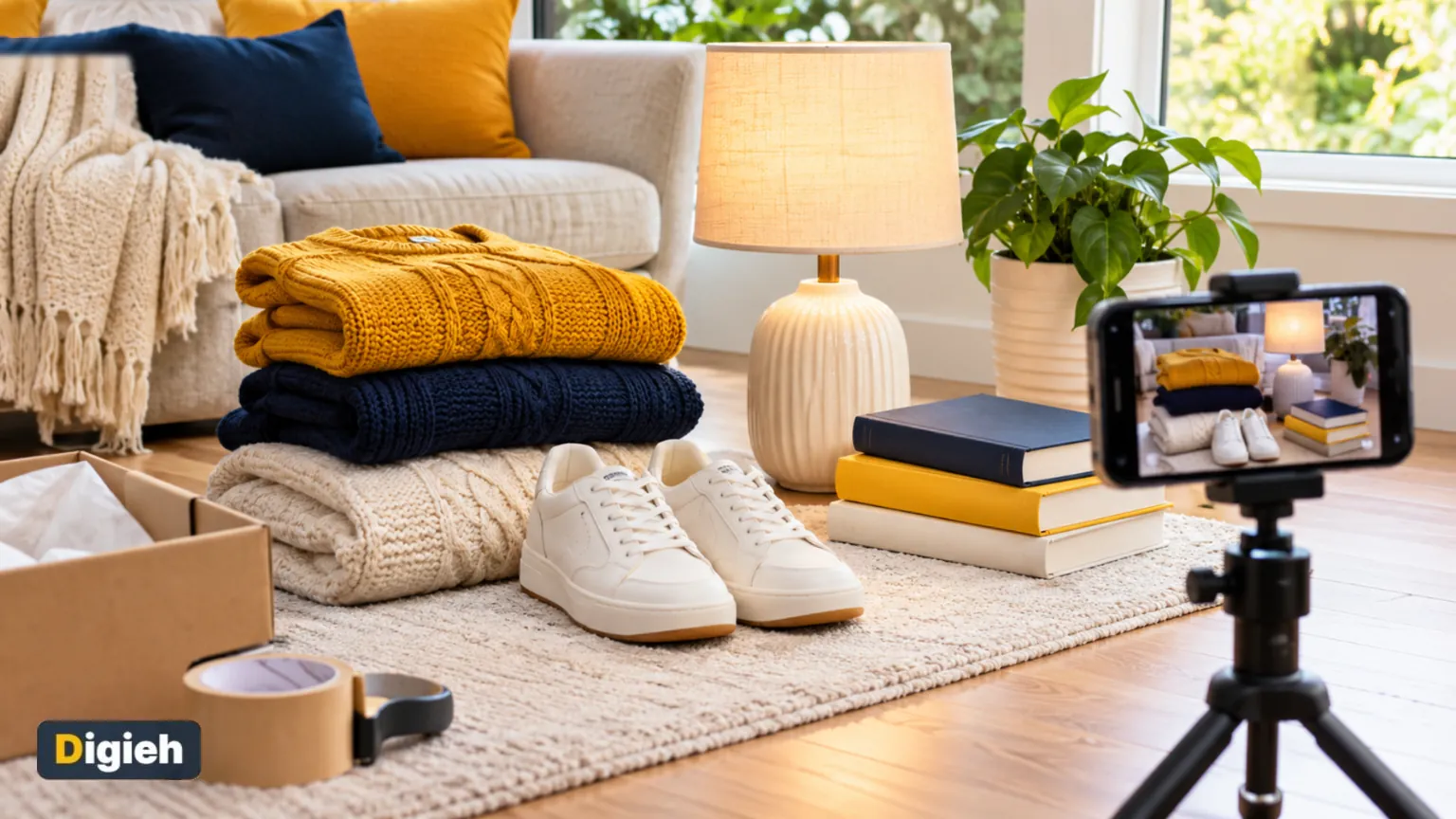
Start with items people search for, like electronics, furniture, clothes and toys. Clean them, take clear photos and write an honest description.
Price items by checking what similar ones sold for. Then pick a selling method that keeps you safe, as explained below.
Good to know. A real buyer never needs you to send money back. Any request for a refund of extra payment is a red flag.
The 3 Scams Sellers Face Most
The Federal Trade Commission (FTC) warns about these tricks in its alert for online sellers.
1. The Overpayment Check
A buyer sends a check for more than your price. Then they ask you to send back the extra.
The check is fake. Banks can take weeks to spot it and then take the money back, the FTC says in a later warning. You lose the cash you sent and maybe the item too.
2. Fake Payment Messages
A scammer shows a fake payment alert or email. It looks real, but no money reached you.
Always check your actual account balance before you hand over or ship anything.
3. The Verification Code Trick
A buyer asks you to read back a code sent to your phone. They claim it proves you are real.
In fact, they use the code to set up an account in your name. Never share a code with someone you do not know.
WeeksHow long banks can take to spot a fake check and take the money back, according to the FTC.
Scam Signs at a Glance
We turned the FTC warnings into a quick check for every buyer message.
| What the buyer says | What it likely means |
|---|---|
| “I sent extra, please refund the difference” | Overpayment scam |
| “Check your email for my payment” | Possible fake payment notice |
| “Read me the code I just sent you” | Verification code scam |
| “I cannot meet, my mover will pick it up” | Common setup for a fake check |
| “Please send the extra as gift cards” | Overpayment scam, the FTC warns |
Have you ever had a strange message from an online buyer?
- Yes, and it was a scam
- Yes, but I was not sure
- No, never
- Not sure
Free updates
Join the Digieh list
Be the first to know when our weekly brief launches.
No spam. Unsubscribe anytime. Read our Privacy Policy.
How to Get Paid Safely
- Meet in a public, well-lit place
- Take cash for local sales
- Never deposit a check for more than the price
- Confirm money is in your real account first
- Never share verification codes
- Keep all messages on the selling platform
When you ship, check what seller protection the selling platform offers. Avoid payment apps with people you do not know, since those payments are hard to reverse.
Make Your Listing Stand Out
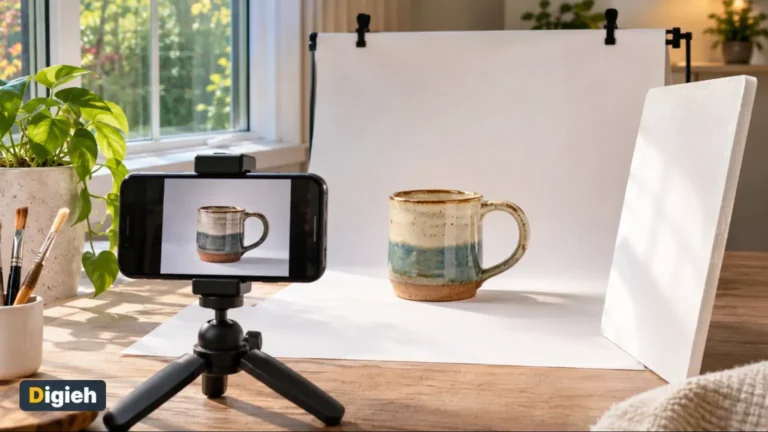
Good photos sell items faster. Our guide to product photos that sell shows how to shoot with a phone.
Before you post, remove hidden location data from your photos with our free photo metadata remover. Phone photos can show where you live.
Want to keep selling? Read our tips to start an online store cheaply.
What to Do If You Get Scammed
- Stop all contact with the buyer.
- Call your bank right away about any fake check or transfer.
- Report the buyer to the selling platform.
- Report the scam at ReportFraud.ftc.gov.
Try this today. Pick three things you no longer use. Clean them and take one clear photo of each near a window.
Test Yourself
A buyer sends a check for more than your price and asks for the extra back. What is it?
- A kind mistake
- An overpayment scam
- A normal bank practice
The FTC says never deposit a check for more than your selling price.
Frequently Asked Questions
What is the safest way to sell items online?
Sell locally, meet in a public place and accept cash when you can. Check that any payment is real before handing over the item.
Why do scammers overpay sellers?
They send a fake check for extra money and ask you to refund the difference. When the check bounces, you lose the money you sent.
Should I give a buyer a verification code?
No. Scammers use those codes to open accounts in your name. Never share a code with a stranger.
Found this useful?
Editor’s Note
This guide is accurate as of November 15, 2026. It follows consumer advice from the Federal Trade Commission. Scam tricks change, so stay alert.
Spot an error in this article? Please contact us at support@digieh.com or read our Corrections Policy.
Keep exploring
Your next read is waiting
 1TechnologyHow to Redact a PDF So Text Is Truly Gone6 min read
 2Pets & AnimalsSenior Dog Care Tips Every Owner Should Know3 min read
 3NewsTwo New Howler Monkey Species Found in Amazon4 min read
 4EcommerceHow to Write Product Descriptions That Really Sell4 min read
 5PhonesShould You Buy a Refurbished Phone? Smart Checks8 min read
 6CarsLease vs Buy a Car? Smart Money Guide8 min read