TRENDING
How to Spot Fake Black Friday Deals and Track Prices

8 min read
Last updated November 9, 2026
Not every Black Friday deal is real. Some stores inflate the original price so a small discount looks huge. Some sites are fakes built to steal your money.
The good news is that fake deals leave clues. Black Friday lands on November 27, 2026. This guide shows how to spot fake deals, track real prices and shop safely.
Key Takeaways
- A crossed-out price is only fair if the store really charged it for a meaningful time.
- Price history tools and alerts show whether a deal is truly low.
- Compare the exact model number, because some sale items are cheaper versions.
- Pay by credit card for the strongest protection if something goes wrong.
- Prices that look far too low on name brands can signal fakes or scams.
Inside this guide
- What makes a deal fake
- Warning signs of a fake deal
- How to track prices
- Watch for special sale models
- Spot fake shopping sites
- Pay the safe way
- Build a Black Friday plan
- Frequently asked questions
What Makes a Deal Fake
A real deal is a lower price than you would normally pay. A fake deal only looks that way.
The most common trick is a made-up original price. A store shows a high was price, crosses it out and then shows the sale price below it.
Federal rules address this in the Federal Trade Commission Guides Against Deceptive Pricing. A former price should be one the store really offered to the public in good faith for a reasonable time.
1Simple test from federal pricing guides. Was the old price real, offered openly for a meaningful time? See the Guides Against Deceptive Pricing.
If the store raised the price for a week just to cut it again, the bargain is false. Your job is to check the real price history yourself.
Warning Signs of a Fake Deal
- A huge percentage off on an item that never seems to sell at full price.
- A countdown timer that resets every time you reload the page.
- Claims like only two left that never change.
- A deal price that matches what the item cost last month.
- Name-brand products priced far below every major store.
- A new website you have never heard of with no clear contact details.
One sign alone does not prove a scam. But two or three together are a good reason to slow down and check.
Good to know. Pressure tactics work because they rush your decision. A real deal will usually still be there after five minutes of research.
How to Track Prices Before You Buy
Price tracking is the best way to know if a deal is real. Start a few weeks before Black Friday if you can.
Use price history tools
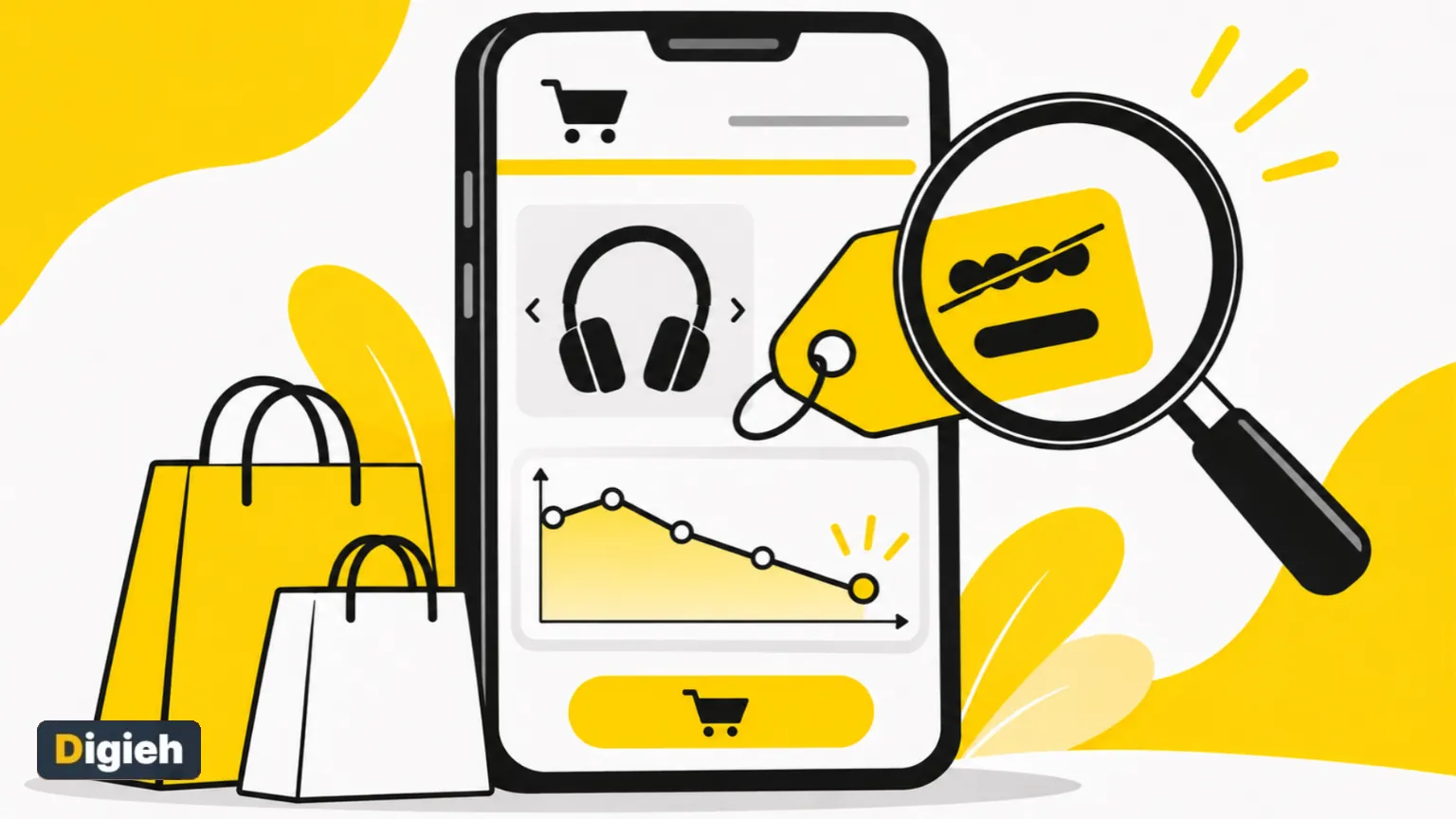
Several free browser extensions and websites show a chart of past prices for popular stores. Look at the lowest price over the last few months.
If the Black Friday price matches an earlier low, it is a fair deal. If the item was cheaper in the summer, you may want to wait.
Set price alerts
Many tools let you set a target price. You get an email or phone alert when the price drops to that number.
Make your own list
A simple note on your phone works too. Write down the item, the model number, the store and the price on a few different days.
Compare across stores
The Federal Trade Commission suggests noting the model number and details like size or color. Then compare prices at several trusted sites, as its online shopping guide explains.
Remember to compare the total cost, including shipping, taxes and fees. A low price with expensive shipping may not be a deal at all.
How do you check if a Black Friday deal is real?
- I use a price tracker or alert
- I compare a few stores
- I trust the sale tag
- Not sure
Watch for Special Sale Models
Some products sold during big sales are slightly different from the regular versions. A television might have fewer ports or a lower-grade screen, for example.
These items are not always bad. They can be fine for many buyers, but you should know what you are getting.
- Check the full model number, not just the brand and size.
- Compare the specifications side by side with the regular model.
- Read reviews for that exact model number.
- Ask yourself if the lower price matches the lower features.
Scammers fake reviews too, so read them with care. Our guide on how to spot fake reviews explains the warning signs.
The Federal Trade Commission adopted a final rule banning fake reviews in 2024. It covers fake reviews, including those made with artificial intelligence (AI), and paid reviews that require a certain opinion.
Scammers now use AI to build fake stores and ads. Learn how to use AI for smarter holiday shopping and stay safe.
How to Spot Fake Shopping Sites
Scammers build copycat stores that look real. They often advertise on social media with prices that seem too good to be true.
- Check the web address carefully for small spelling changes.
- Look for a real street address and a working phone number.
- Search the store name with words like complaint or scam.
- Be wary of sites that only accept gift cards, wire transfers or cryptocurrency.
A secure padlock in the address bar is not enough. The Federal Trade Commission warns that scammers can use secure web addresses too.
If you are unsure, type the store’s address yourself instead of clicking an ad. Our guide to holiday scams in 2026 lists other tricks to avoid.
Quick tip. Bookmark the real websites of stores you trust before the sales start. Then shop only from those bookmarks.
Read next. Get the full safety routine in our guide to shopping online safely this holiday season.
Free updates
Join the Digieh list
Be the first to know when our weekly brief launches.
No spam. Unsubscribe anytime. Read our Privacy Policy.
Pay the Safe Way
How you pay matters if something goes wrong. The Federal Trade Commission says credit cards offer the strongest protection.
You can dispute a charge if an item never arrives, arrives broken or shows up twice on your bill. Debit cards and payment apps may offer less protection.
Never pay a seller only with a gift card, wire transfer or cryptocurrency. Those payments are hard to get back.
Check the return policy
Read the return rules before you buy, especially for sale items. Some stores charge restocking fees or give shorter return windows on clearance goods.
Find out who pays for return shipping, too. That cost can wipe out your savings on a small purchase.
Build a Simple Black Friday Plan
A plan protects your budget and your time. It also helps you ignore flashy deals you do not need.
- Make a list of what you actually need or want to give.
- Set a total budget and a price limit for each item.
- Start tracking prices on your list right now.
- Decide which stores you trust and bookmark them.
- Buy only when the price hits your target or a real low.
Our guide to Black Friday 2026 covers store hours and the best days to buy each type of item.
If you miss a deal, Cyber Monday is close behind. See our Cyber Monday 2026 guide for online tips.
Avoid Buying Just Because It Is on Sale
The biggest Black Friday trap is buying things you never planned to buy. A 50 percent discount on something you do not need still costs money.
Give yourself a 24-hour rule for anything not on your list. If you still want it tomorrow, and the price is real, buy it then.
Our tips on how to stop impulse buying can help you stay on track.
Keep Records After You Buy
Save your order confirmation, the return policy and any shipping promises. Screenshots work well for deals that may disappear later.
Check your card statement for the right amount and for any charges you do not recognize. Report problems to your card company quickly.
If a seller will not fix a problem, the Federal Trade Commission accepts reports at ReportFraud.ftc.gov. Your report helps track scams.
Your Fake Deal Checklist
- I checked the price history for this item
- I compared the exact model number at other stores
- I added shipping, taxes and fees to the total
- I know the return policy
- The website is real and has contact details
- I am paying with a credit card
Try this today. Pick the three items you most want this Black Friday. Write down today’s price at two stores, and set a price alert for each.
Test Yourself
When is a crossed-out original price fair?
- When the store shows it in red
- When the store really offered it openly for a meaningful time
- When the discount is over 50 percent
Federal pricing guides say the former price should be a real price offered in good faith.
Which payment gives you the strongest protection online?
- Credit card
- Gift card
- Wire transfer
The Federal Trade Commission says credit cards let you dispute bad charges.
Frequently Asked Questions
Are Black Friday deals really the best prices of the year?
Sometimes, but not always. Price history tools show whether an item was cheaper earlier in the year.
How can I tell if an original price is fake?
Check the price history. If the item rarely or never sold at the was price, the discount may be misleading.
Is a website with a padlock always safe?
No. Scammers can use secure web addresses too, so check the store’s details before you buy.
Where can I report a fake deal or scam?
You can report it to the Federal Trade Commission at ReportFraud.ftc.gov.
Conclusion
Real Black Friday deals exist, but you need to check them. Track prices early, compare exact models and pay with a credit card.
A few minutes of research can save you money and stress. Start your price list today.
Found this useful?
Editor’s Note
This guide is accurate as of November 9, 2026. It draws on Federal Trade Commission shopping advice, its fake reviews rule and the federal Guides Against Deceptive Pricing.
This is general consumer information, not legal or financial advice.
Spot an error in this article? Please contact us at support@digieh.com or read our Corrections Policy.
Keep exploring
Your next read is waiting
 1MedicinesDoes Zinc Help Colds? How to Use It9 min read
 2Home & KitchenHow to Remove Red Wine Stains From Anything9 min read
 3FashionHow to Style a Long Coat Every Day9 min read
 4BusinessHoliday Gift Ideas for Coworkers Under 25 Dollars9 min read
 5Fruits & VegetablesBest Way to Cook Broccoli and Keep Nutrients9 min read
 6Travel & TourismHow to Pack a Carry-On for a Week9 min read