TRENDING
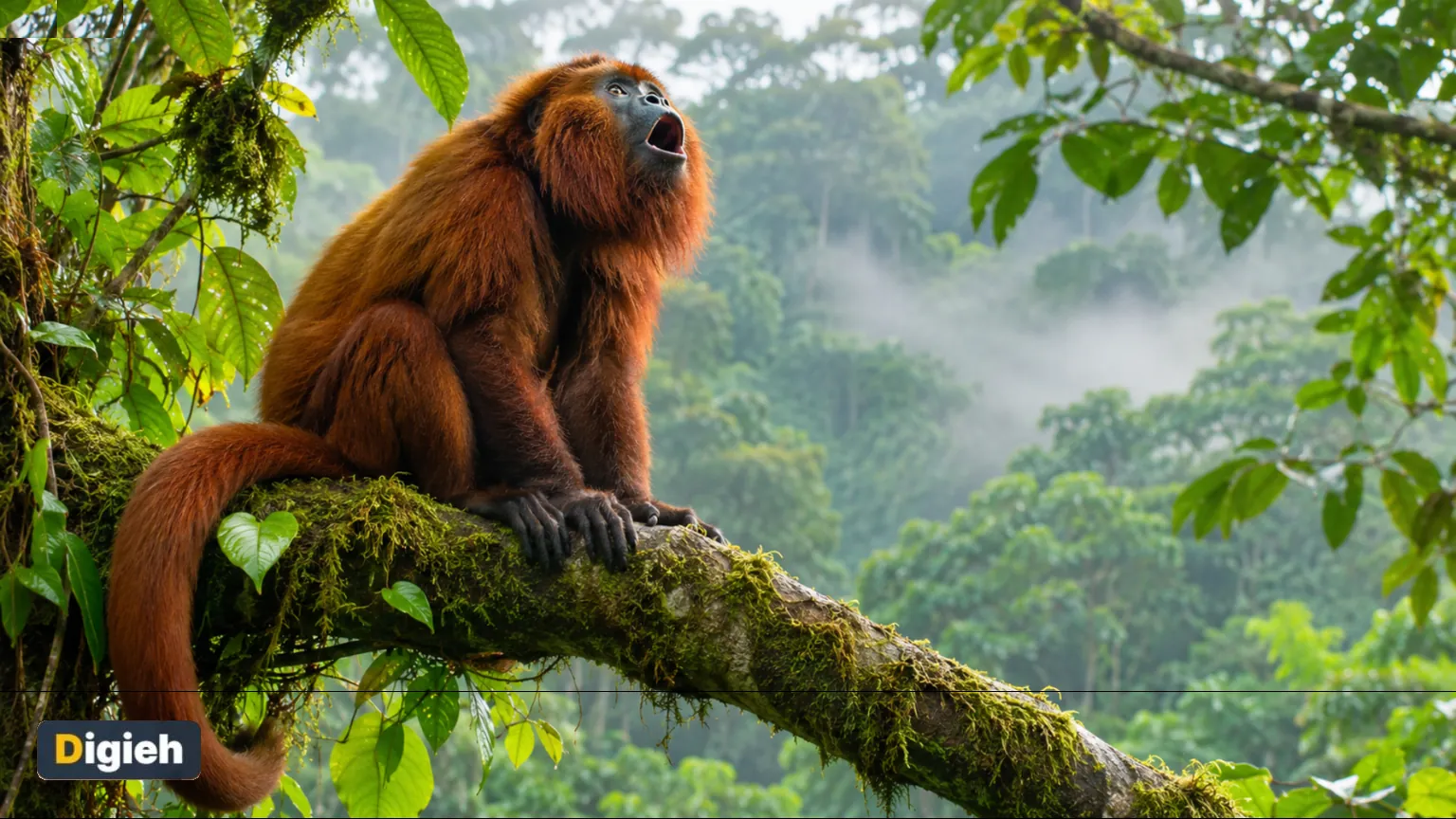
Two New Howler Monkey Species Found in Amazon

4 min read
Last updated November 15, 2026
Scientists have named two new howler monkey species in the Amazon, the first new howlers in 84 years. One may already be close to extinction, researchers say.
Key Points
- Scientists named the new species Alouatta iroi and Alouatta matogrossensis.
- Researchers spotted them by comparing the genes of howler monkeys across South and Central America.
- Deforestation in southern Amazonia puts at least one species at high risk.
What Scientists Found
Researchers studied the full genomes of 11 howler monkey species. They found that some monkeys long grouped as one species were really separate kinds.
The study appeared on October 30 in the journal Communications Biology. The University of Salford in the United Kingdom announced it on November 4.
These are the first new howler species described since 1941, the University of Salford said.
Good to know. Scientists did not find these monkeys in a new place. They found them by studying the genes of monkeys people already knew about.
Meet the Two New Species
We put what is known about each new monkey side by side.
| Detail | Alouatta iroi | Alouatta matogrossensis |
|---|---|---|
| Common name | Not yet widely used | Mato Grosso red howler monkey |
| Where it lives | Northern Amazon, photographed in Guiana | Southern Amazon, in Brazil |
| Main threat | A planned dam on the Rio Branco River | Fast forest loss in southern Amazonia |
| Risk level | Threatened, researchers say | Possibly close to extinction |
Details come from the University of Salford and Live Science.
84 yearsTime since the last new howler monkey species was described, according to the University of Salford.
How Rivers Created New Species
Howler monkeys can swim across small streams. Big rivers like the Amazon, the Xingu and the Rio Branco stop them.
Over thousands of years, groups on each side stopped mixing. Slowly, they became separate species.
“Understanding the different species in existence is the first step towards protecting them,” said Romina Batista, the study’s lead author.
Did you know scientists still find new monkey species?
- Yes, I knew
- No, this surprised me
- I follow wildlife news closely
- Not sure
Free updates
Join the Digieh list
Be the first to know when our weekly brief launches.
No spam. Unsubscribe anytime. Read our Privacy Policy.
Howler Monkey Facts
Howlers are big for monkeys. Their head and body measure 22 to 36 inches, with a tail just as long, says National Geographic.
- They live in troops in the forests of Central and South America.
- Leaves make up most of their diet.
- They live about 15 to 20 years in the wild.
- When a troop calls together, the sound can carry up to three miles.
They often call at dawn and dusk. That loud chorus gave them their name.
Why It Matters
People cannot protect a species until scientists know it exists. Newly named species have never had a formal risk check.
The International Union for Conservation of Nature (IUCN) keeps the Red List of Threatened Species. Experts can now study whether to add these monkeys.
Southern Amazonia is one of the fastest-shrinking forest areas in the world, the university said. Roads also kill tree-dwelling animals when forests are split apart.
More Good News From the Amazon
Some people are working to bring the forest back. Read how one Brazilian family planted 840,000 trees and saw tapirs return.
Love wildlife closer to home? Try our guide to bird watching for beginners. You can also read why Canada’s loon population is declining.
Try this today. Look up the IUCN Red List and search for an animal you love. See how it is doing in the wild.
What helped split howler monkeys into separate species?
- Mountains
- Large rivers
- Cities
Big Amazon rivers stopped groups from mixing, so they slowly became separate species.
Frequently Asked Questions
What are the two new howler monkey species?
They are Alouatta iroi and Alouatta matogrossensis. Both live in the Amazon rainforest.
How many howler monkey species are there now?
With the two new species, there are 16 known howler monkey species, Live Science reported.
Why are howler monkeys called howlers?
Howler monkeys make very loud calls, often at dawn and dusk. A troop calling together can be heard up to three miles away, National Geographic says.
Found this useful?
Editor’s Note
This story is accurate as of November 15, 2026. The new species have not yet had a formal conservation assessment. We will update this story if their status changes.
Spot an error in this article? Please contact us at support@digieh.com or read our Corrections Policy.
Keep exploring
Your next read is waiting
 1Finance & MarketsWhy Is Crypto Crashing? The Key Reasons Explained4 min read
 2Fruits & VegetablesLemon Water Benefits: Separating the Facts From Myths9 min read
 3NewsIs a 90-Day Blackout Coming? The Simple Truth4 min read
 4EcommerceSmart Ways to Start an Online Store Cheaply4 min read
 5CarsThe Cheapest MG4 Urban Yet Costs Just $34,9904 min read
 6MarketingEasy Guide to Writing Captions That Get Read8 min read