TRENDING
Quadrantid Meteor Shower 2027: Best Time to Watch

9 min read
Last updated November 10, 2026
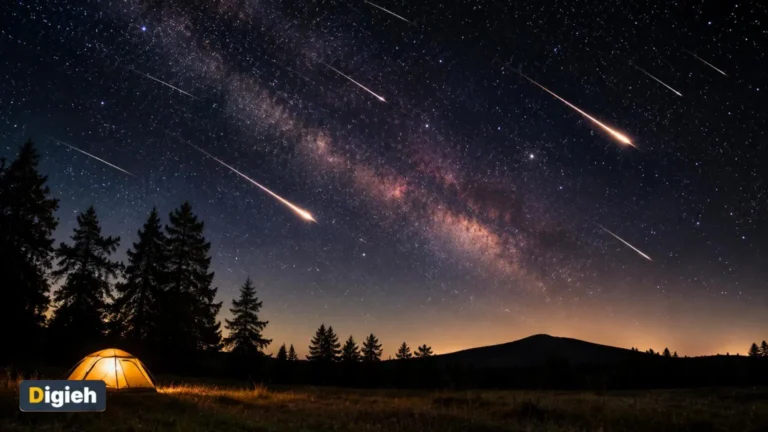
The Quadrantid meteor shower peaks on the night of January 3 to 4, 2027. The International Meteor Organization predicts the peak at around 3 a.m. Universal Time on January 4.
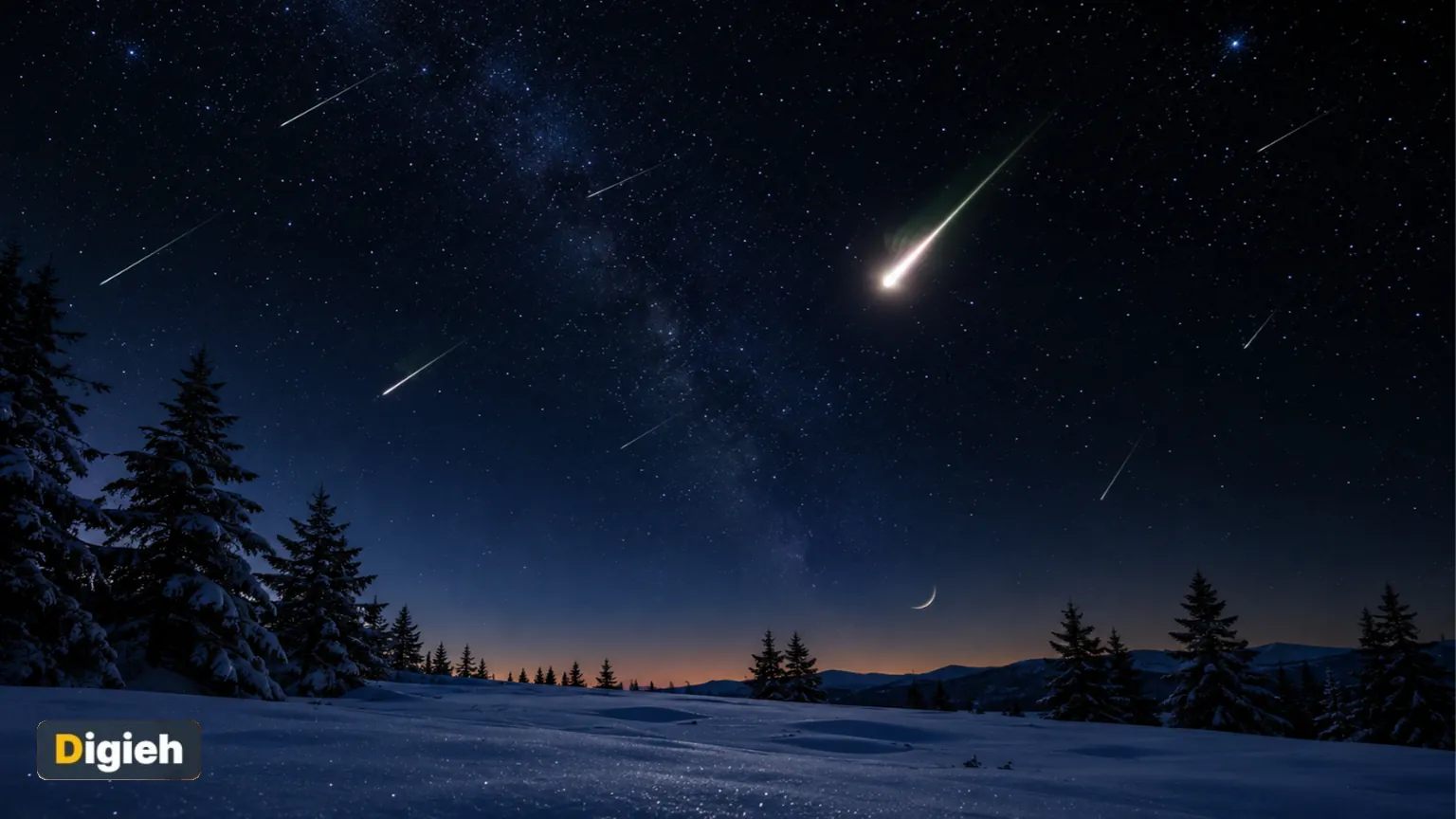
This year looks especially good. The Moon will be a thin crescent just days before new moon, so moonlight will barely interfere.
The catch is timing, since the peak lasts only a few hours. This guide explains when and where to look for the best show.
Key Takeaways
- The Quadrantids are active from December 28, 2026 to January 12, 2027.
- The predicted peak is around 3 a.m. UT on January 4, 2027.
- NASA says rates can reach 60 to 200 meteors per hour under perfect conditions.
- New moon falls on January 7, so the sky will be dark.
- The shower is best seen from the Northern Hemisphere after midnight.
Jump to a section
- Key dates
- Peak timing
- Moon conditions
- Where to look
- What makes it special
- Viewing tips
- Dress for the cold
- Photo tips
- With kids
- Frequently asked questions
Quadrantid Meteor Shower 2027 Key Dates
| Detail | 2027 information |
|---|---|
| Active period | December 28, 2026 to January 12, 2027 |
| Peak night | January 3 to 4, 2027 |
| Predicted peak time | Around 3 a.m. UT on January 4 |
| Expected rate | Around 80 per hour at best, can vary from 60 to 200 |
| Moon at peak | Thin waning crescent |
| Radiant | Near the constellation Bootes |
These details come from NASA and the International Meteor Organization 2027 calendar. Real rates you see at home are usually lower.
60 to 200Quadrantid meteors per hour possible under perfect conditions, according to NASA.
Peak Timing Explained
NASA explains that the Quadrantid peak is much shorter than most showers, only a few hours. Earth crosses a thin stream of debris at a steep angle.
The IMO predicts the 2027 maximum at around 3 a.m. UT on January 4. It notes an uncertainty of about two and a half hours.
| Location | Peak time in local clock |
|---|---|
| Eastern Time, U.S. | Around 10 p.m. on January 3 |
| Central Time, U.S. | Around 9 p.m. on January 3 |
| Pacific Time, U.S. | Around 7 p.m. on January 3 |
| United Kingdom | Around 3 a.m. on January 4 |
In North America, the predicted peak arrives in the evening, when the radiant is still low in the north. Meteors are fewer when the radiant is low.
Try watching late on January 3 and again before dawn on January 4. Europe is well placed, with the peak arriving in the dark early morning hours.
Quick tip. Set an alarm for the hours before dawn on January 4. The radiant climbs higher as the night goes on.
Moon Conditions Are Excellent
The U.S. Naval Observatory lists the January 2027 new moon on January 7, late in the day Universal Time. That means only a thin crescent rises before dawn on January 4.
The IMO calls the 2027 moonlight conditions perfect. Dark skies make it easier to see fainter meteors.
Many recent years had bright moonlight during the Quadrantids. 2027 is a rare chance for a darker sky.
A crescent Moon rising before dawn gives off very little light. It will not wash out fainter meteors the way a bright Moon would.
Dark skies also make the Milky Way and faint stars easier to see. It is a good night to enjoy the whole winter sky.
Will you try to watch the Quadrantids in 2027?
- Yes, I am planning for it
- Maybe if the weather is clear
- No, too cold
- Not sure
Where to Look
NASA says the meteors appear to come from the constellation Bootes, near the handle of the Big Dipper. You do not need to look right at that spot.
Meteors can appear anywhere in the sky. NASA suggests lying flat on your back with your feet facing northeast and looking up.
- Find a wide view of the sky with few trees or buildings.
- Face northeast but take in as much sky as you can.
- Look about halfway up the sky.
- Avoid checking your phone, which ruins night vision.
What Makes the Quadrantids Special
Most meteor showers come from comets. NASA says the Quadrantids come from asteroid 2003 EH1, which may be a dead comet or rock comet.
The shower is named after Quadrans Muralis, an old constellation that no longer appears on modern star charts. Its stars now belong to Bootes.
NASA also notes the Quadrantids are known for bright fireballs. These larger, brighter meteors can last longer than ordinary streaks.
| Fact | Detail |
|---|---|
| Parent body | Asteroid 2003 EH1 |
| Parent size | About 3 kilometers across |
| Orbit time | About 5.52 years around the Sun |
| Known for | Bright fireballs and a short, sharp peak |
How Meteor Showers Work
A meteor shower happens when Earth passes through a trail of debris left by a comet or asteroid. Tiny bits of rock and dust hit our atmosphere at high speed.
They burn up high above the ground, creating the bright streaks we call shooting stars. Most pieces are no bigger than a grain of sand.
Because Earth crosses the same trail each year, meteor showers return on about the same dates. The Quadrantids arrive every early January.
Why the Peak Is So Short
Many showers stay active for days near their peak. The Quadrantids are different, with a burst that lasts only a few hours.
NASA explains this comes from the thin debris stream and the angle at which Earth crosses it. If clouds roll in during those hours, you may miss the best of it.
That is why checking the forecast matters so much. A clear sky at the right time makes all the difference.
Weather and Viewing Conditions
- Check cloud cover forecasts a day or two ahead.
- Watch for snow or ice on roads to dark sites.
- Bring a backup plan for a closer viewing spot.
- Tell someone where you are going if you drive somewhere remote.
Clear, cold nights often offer the sharpest views. Low humidity can make stars and meteors look extra crisp.
Common Meteor Watching Mistakes
| Mistake | Better approach |
|---|---|
| Watching for only a few minutes | Give it at least an hour |
| Looking at a phone screen | Keep screens off or use red light |
| Staying in the city | Drive to a darker area |
| Dressing too lightly | Wear winter layers |
| Staring only at the radiant | Look across the whole sky |
Patience is the most important tool. Meteors often come in clusters with quiet stretches in between.
Southern Hemisphere Viewers
NASA says the Quadrantids are best seen from the Northern Hemisphere. Viewers north of about 51 degrees south latitude can still catch some meteors.
Rates will be much lower in the south because the radiant stays low or below the horizon. Northern viewers have the clear advantage.
Free updates
Join the Digieh list
Be the first to know when our weekly brief launches.
No spam. Unsubscribe anytime. Read our Privacy Policy.
Best Viewing Tips
- Check the weather forecast for clear skies.
- Drive away from city lights if you can.
- Arrive early and let your eyes adjust for about 30 minutes.
- Use a reclining chair or sleeping pad.
- Stay for at least an hour, since meteors come in bursts.
NASA notes that your eyes adapt in less than 30 minutes in the dark. Use a red flashlight if you need light, since red light protects night vision.
Light pollution is the biggest enemy of meteor watching. Even a short drive to a darker area can double what you see.
What to Bring
| Item | Why it helps |
|---|---|
| Reclining chair or sleeping pad | Lets you look up comfortably |
| Warm blankets or a sleeping bag | Keeps you warm while still |
| Red flashlight | Protects night vision |
| Thermos with a hot drink | Warms you from the inside |
| Snacks | Keep energy up on a long night |
| Phone with a star map app | Helps find Bootes and the Big Dipper |
Pack everything the day before so you can head out quickly if the sky clears. A small bag by the door saves time on a cold night.
Using Star Map Apps
Free star map apps can show you where Bootes and the Big Dipper sit in your sky. Many have a red night mode to protect your eyes.
Use the app to get oriented, then put the phone away. Your eyes need darkness to catch faint meteors.
Dress for the Cold
Early January nights are cold in much of the Northern Hemisphere. NASA recommends dressing for winter and bringing a sleeping bag, blanket or lawn chair.
- Wear warm base layers and a windproof coat.
- Bring a hat, gloves or mittens and a scarf.
- Wear insulated, waterproof boots.
- Pack a thermos of a hot drink.
- Bring hand warmers.
Learn how to layer clothes for cold weather. We also cover choosing a winter coat and winter boots.
Stay safe in the cold. Watch for signs of frostbite like numb or pale skin. Head indoors to warm up if you feel very cold.
Tips for Photographing Meteors
- Use a camera on a sturdy tripod.
- Choose a wide-angle lens.
- Set a long exposure and a high ISO.
- Focus manually on a bright star.
- Take many shots in a row and review them later.
Phone cameras with a night mode can capture bright meteors too. A small tripod helps keep the phone steady.
Cold drains batteries fast. Keep spare batteries in an inside pocket.
Watching With Kids
Meteor showers are a fun way to get kids excited about space. The early evening hours in North America may work better for young children.
- Bring blankets and snacks.
- Play a game to count meteors.
- Tell the story of the lost constellation Quadrans Muralis.
- Keep the outing short if it is very cold.
Other Sky Events This Winter
The Quadrantids close out a busy season for sky watchers. Mid-December brings the Geminids, one of the strongest showers of the year.
Read our guides to the Geminid meteor shower 2026 and the Leonid meteor shower. Do not miss the Cold Moon in December either.
The winter solstice 2026 brings the longest night of the year, perfect for stargazing.
Make It a New Year Tradition
The Quadrantids arrive just after New Year’s Day. Watching them can be a calm way to start the year.
If you are still celebrating, check our New Year’s Eve outfit ideas for warm, festive looks that work outdoors too.
Your Meteor Watching Checklist
- Mark January 3 to 4, 2027 on your calendar
- Check the weather forecast
- Find a dark spot away from lights
- Dress in warm layers
- Let your eyes adjust for 30 minutes
- Watch late night and before dawn
Try this today. Scout a dark viewing spot near you during the day. It is easier to find a safe place before the night arrives.
Test Yourself
What is the parent body of the Quadrantid meteor shower?
- Halley’s Comet
- Asteroid 2003 EH1
- Comet Tempel-Tuttle
NASA says the Quadrantids come from asteroid 2003 EH1.
Frequently Asked Questions
When is the Quadrantid meteor shower in 2027?
It peaks on the night of January 3 to 4, 2027.
How many meteors will I see?
Perhaps dozens per hour from a dark site, but fewer near cities.
Will the Moon affect viewing in 2027?
Barely. A thin crescent and dark skies make 2027 a good year.
Where should I look?
Look northeast and take in as much sky as possible.
Conclusion
The 2027 Quadrantids offer a great chance for dark-sky viewing. The short peak means timing matters, so plan to watch late on January 3 and before dawn on January 4.
Dress warmly, find a dark spot and be patient for the fireballs.
Found this useful?
Editor’s Note
This guide is accurate as of November 10, 2026. It draws on NASA, the International Meteor Organization and the U.S. Naval Observatory.
Peak times are predictions and may shift slightly.
Spot an error in this article? Please contact us at support@digieh.com or read our Corrections Policy.
Keep exploring
Your next read is waiting
 1MedicinesDo Probiotics Work? What Science Says About Them9 min read
 2FashionHow to Hem Pants Without Sewing in Minutes9 min read
 3Fruits & VegetablesOnion Health Benefits and How to Cut Tearlessly9 min read
 4Travel & TourismHow to Pack a Carry-On for a Week9 min read
 5AI & TechHow to Use AI for Smarter Holiday Shopping9 min read
 6FashionHow to Layer Necklaces Without Tangles or Clutter9 min read