TRENDING
Cold Moon December 2026, the Year’s Last Supermoon

8 min read
Last updated November 9, 2026
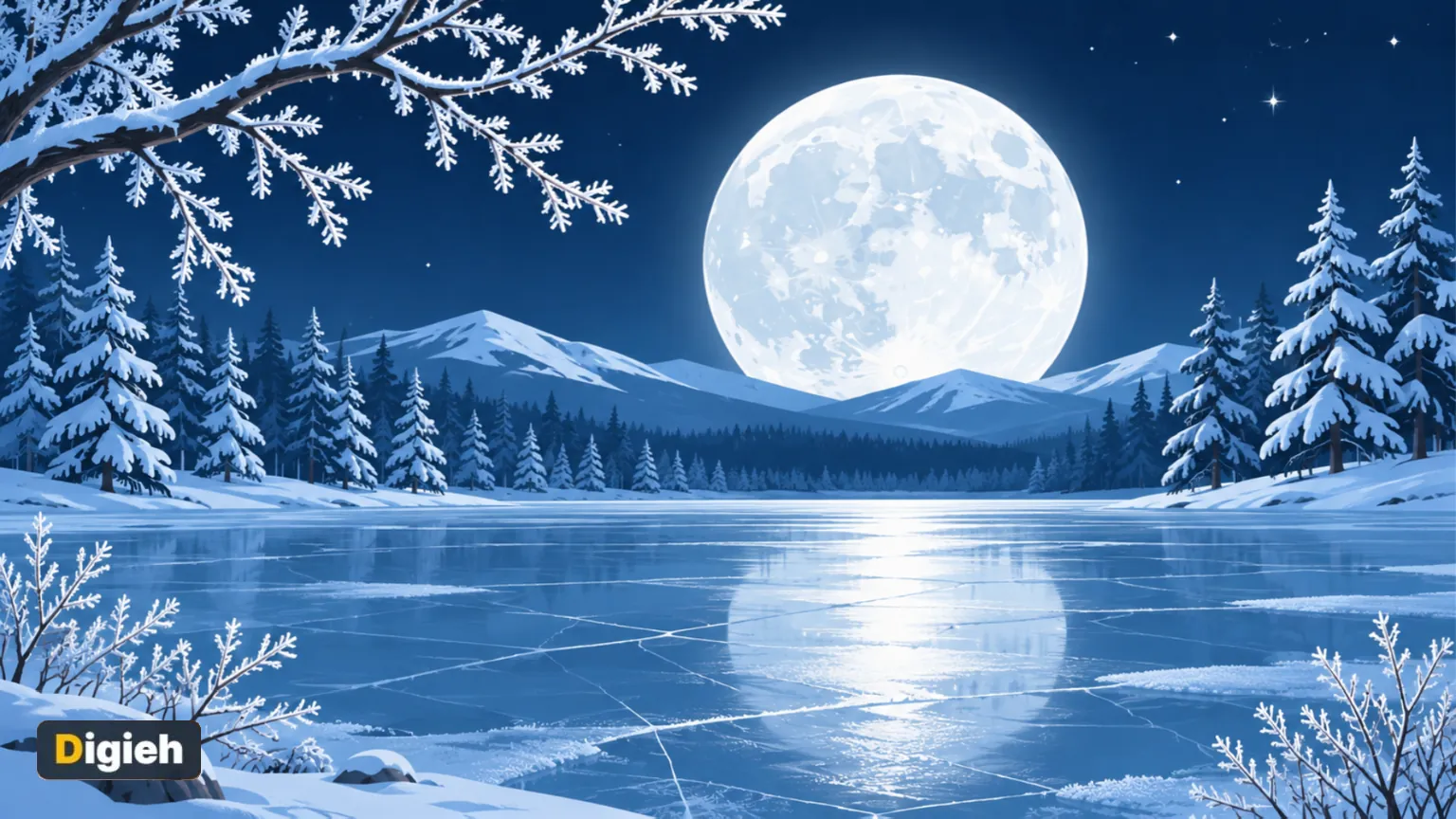
The Cold Moon, December’s full moon, peaks on Wednesday, December 23, 2026, at 8:28 pm Eastern Standard Time. It is also a supermoon, the closest full moon of the year.
It rises on the eve of Christmas Eve, just two days after the winter solstice. This guide covers when to look, why it has its name and how to enjoy it.
Key Takeaways
- The Cold Moon peaks December 23, 2026, at 8:28 pm Eastern time.
- That is 1:28 am Coordinated Universal Time on December 24.
- It is the third and final supermoon of 2026.
- The best view comes right after moonrise, low on the horizon.
- Its many names reflect cold weather and the longest nights of the year.
Inside this guide
- When to see the Cold Moon
- Is it a supermoon
- Where the name comes from
- Other names for the December moon
- How to watch
- Photographing the moon
- Other December sky events
- Frequently asked questions
When to See the Cold Moon
The full moon reaches its peak on Wednesday, December 23, 2026, at 8:28 pm Eastern time. That timing comes from the Old Farmer’s Almanac.
| Time zone | Peak time |
|---|---|
| Eastern | 8:28 pm, December 23 |
| Central | 7:28 pm, December 23 |
| Mountain | 6:28 pm, December 23 |
| Pacific | 5:28 pm, December 23 |
| Coordinated Universal Time | 1:28 am, December 24 |
You do not need to watch at the exact minute. The moon looks full the night before and the night after the peak.
221,667Miles from Earth, making this the closest full moon of 2026, per the Old Farmer’s Almanac.
Is It a Supermoon?
Yes. The Almanac calls it the closest supermoon of the year, at about 221,667 miles away.
A supermoon happens when a full moon lines up with the moon’s closest point to Earth. The National Aeronautics and Space Administration explains this on its supermoons page.
At its closest, a full moon can look 14 percent bigger and 30 percent brighter, says the agency. That compares it with the faintest full moon of the year. The difference is real, but hard to notice without a side-by-side comparison.
The agency also notes that supermoon is not an official astronomy term. Supermoons can bring slightly higher tides than usual.
Good to know. The December supermoon is the last of three in 2026. The others came in January and November, including the Beaver Moon.
Where the Name Comes From
Full moon names come from many cultures and track the seasons. The Almanac says the name Cold Moon comes from the Mohawk tradition and reflects the freezing season.
Time and Date notes that the Celts also used the name Cold Moon, according to its Cold Moon page.
The Mohican name, Long Night Moon, fits perfectly. This full moon rises near the winter solstice, during the longest nights of the year.
Other Names for the December Moon
- Long Night Moon, from the Mohican people
- Moon Before Yule, from ancient Europe
- Snow Moon, used by the Haida and Cherokee
- Moon of the Popping Trees, from the Oglala
- Winter Maker Moon, from the Western Abenaki
- Little Spirit Moon, from the Anishinaabe
Many names describe the sounds and sights of deep winter. Popping trees refers to wood cracking in hard frost.
Which December moon name do you like best?
- Cold Moon
- Long Night Moon
- Moon Before Yule
- Not sure
How to Watch the Cold Moon
- Check your local moonrise time for December 23.
- Find a spot with a clear view of the eastern horizon.
- Watch soon after moonrise, when the moon looks largest.
- Bring binoculars to see craters and dark lunar seas.
- Dress warmly, since winter evenings get cold fast.
The Almanac explains the moon illusion, which makes the moon look bigger near the horizon. Your brain compares it with trees and buildings, so it seems huge.
You need no special gear. Unlike the Sun, the moon is safe to look at with your eyes or binoculars.
Photographing the Moon
A bright full moon is hard to photograph because it can look like a white blob. Lower your exposure or tap the moon on your phone screen and slide the brightness down.
Include trees, rooftops or a lake in the frame for scale. A tripod or steady surface helps keep shots sharp.
Our holiday photo tips for your phone can help with night shots too.
Quick tip. Shoot the moon at twilight, when the sky still has some color. The moon and the land below both show detail.
A Christmas Week Full Moon
This full moon lights up the nights of Christmas Eve and Christmas Day. Families heading out on holiday drives or walks can enjoy the view.
A bright moon also makes a fun backdrop for winter traditions, like caroling or a walk after dinner.
If skies are cloudy on December 23, try the next night. The moon will still look nearly full on Christmas Eve, and the forecast may be better.
Other December Sky Events
December 2026 is a great month for skywatching. The Geminid meteor shower peaks on December 13 to 14.
The winter solstice follows on December 21, bringing the longest night of the year.
The full moon two days later lights up those long nights. It is a fitting end to the year’s sky calendar.
See More With Binoculars
Even simple binoculars reveal a lot on the moon. Look for the dark patches, which are old lava plains, and the bright rays around young craters.
Rest your elbows on a fence or car roof to keep the view steady. A full moon is very bright, so a short look at a time is most comfortable.
Interestingly, the days before and after full moon show more crater detail near the edge of the lit side.
Free updates
Join the Digieh list
Be the first to know when our weekly brief launches.
No spam. Unsubscribe anytime. Read our Privacy Policy.
Supermoons and Tides
The space agency says supermoons can cause higher tides than usual. Coastal areas may see slightly higher high tides around the peak.
If you live near the coast, check local tide forecasts and avoid low-lying paths during high tide.
Full Moon Myths and Facts
Many people believe a full moon changes behavior or sleep. Scientists have studied these ideas, but they found little strong evidence.
What is certain is that bright moonlight makes nights feel lighter. Some people sleep better with blackout curtains during a full moon.
Another myth says the moon is larger near the horizon. In fact, the size stays the same, and the effect happens in our minds.
Stay Safe on Night Walks
Winter nights can be icy and very cold. Wear boots with good grip and dress in warm layers.
Carry a small flashlight and stay on familiar paths. Let someone know where you are going if you head somewhere remote.
How Moon Phases Work
The moon does not make its own light. It reflects sunlight, and we see different amounts of the lit side as it orbits Earth.
After a new moon, a thin crescent appears in the evening sky. It grows night by night through first quarter until it becomes full.
After the full moon, the lit part shrinks again through last quarter. The whole cycle takes about 29.5 days.
A full moon rises around sunset and sets around sunrise. That is why it lights up the whole night.
Moon Facts for Curious Minds
- The moon is about 238,900 miles from Earth on average.
- The same side of the moon always faces Earth.
- A full moon happens when Earth sits between the Sun and the moon.
- The moon’s gravity drives Earth’s ocean tides.
The moon’s orbit is an oval, not a circle. That is why its distance and apparent size change from month to month.
Watching With Kids
A full moon is perfect for young skywatchers because it is easy to find. Let kids sketch the craters they see through binoculars.
Ask them to name the moon themselves, just as ancient cultures did. It makes the night memorable.
Kids can also track the moon’s shape each night for a week before and after. Drawing the changes is a simple science lesson.
Your Cold Moon Checklist
- December 23 marked on my calendar
- Local moonrise time checked
- Clear eastern view found
- Binoculars ready
- Warm clothes laid out
- Phone set up for night photos
Try this today. Look up your moonrise time for December 23 and pick a spot with a low, open eastern horizon.
Test Yourself
When does the Cold Moon peak in 2026?
- December 13
- December 23 at 8:28 pm Eastern
- December 31
The Almanac lists December 23, 2026, at 8:28 pm Eastern time.
How much brighter can a full moon at its closest look?
- Up to 30 percent brighter than the faintest full moon
- Twice as bright
- No difference at all
The space agency says up to 14 percent bigger and 30 percent brighter.
Frequently Asked Questions
Is the December 2026 full moon a supermoon?
Yes. It is the closest full moon of 2026 and the last supermoon of the year.
Where does the name Cold Moon come from?
The name reflects the freezing season. It comes from the Mohawk tradition and also appears in Celtic custom.
What is the best time to watch?
Watch just after moonrise on December 23, when it looks largest near the horizon.
Conclusion
The Cold Moon on December 23, 2026, is the year’s closest and final supermoon. Watch it rise low in the east and enjoy the bright light of Christmas week.
Bundle up, bring binoculars and share the view with family or good friends nearby.
Found this useful?
Editor’s Note
This guide is accurate as of November 9, 2026. It draws on the Old Farmer’s Almanac, the National Aeronautics and Space Administration and Time and Date.
Moonrise times vary by location, so check your local schedule.
Spot an error in this article? Please contact us at support@digieh.com or read our Corrections Policy.
Keep exploring
Your next read is waiting
 1Fruits & VegetablesFrozen vs Fresh Vegetables: Which Is Healthier?8 min read
 2PhonesPhone Privacy Settings to Change Right Now8 min read
 3Travel & TourismHow to Renew a Passport Online: Steps, Fees and Rules8 min read
 4CarsCar Maintenance Checklist, Simple Monthly Guide8 min read
 5Home & KitchenFrozen Pipes: What to Do When Pipes Freeze or Burst8 min read
 6BikesBike Maintenance Basics Every Rider Should Know8 min read