TRENDING
Best Time to See the Leonid Meteor Shower

9 min read
Last updated November 7, 2026
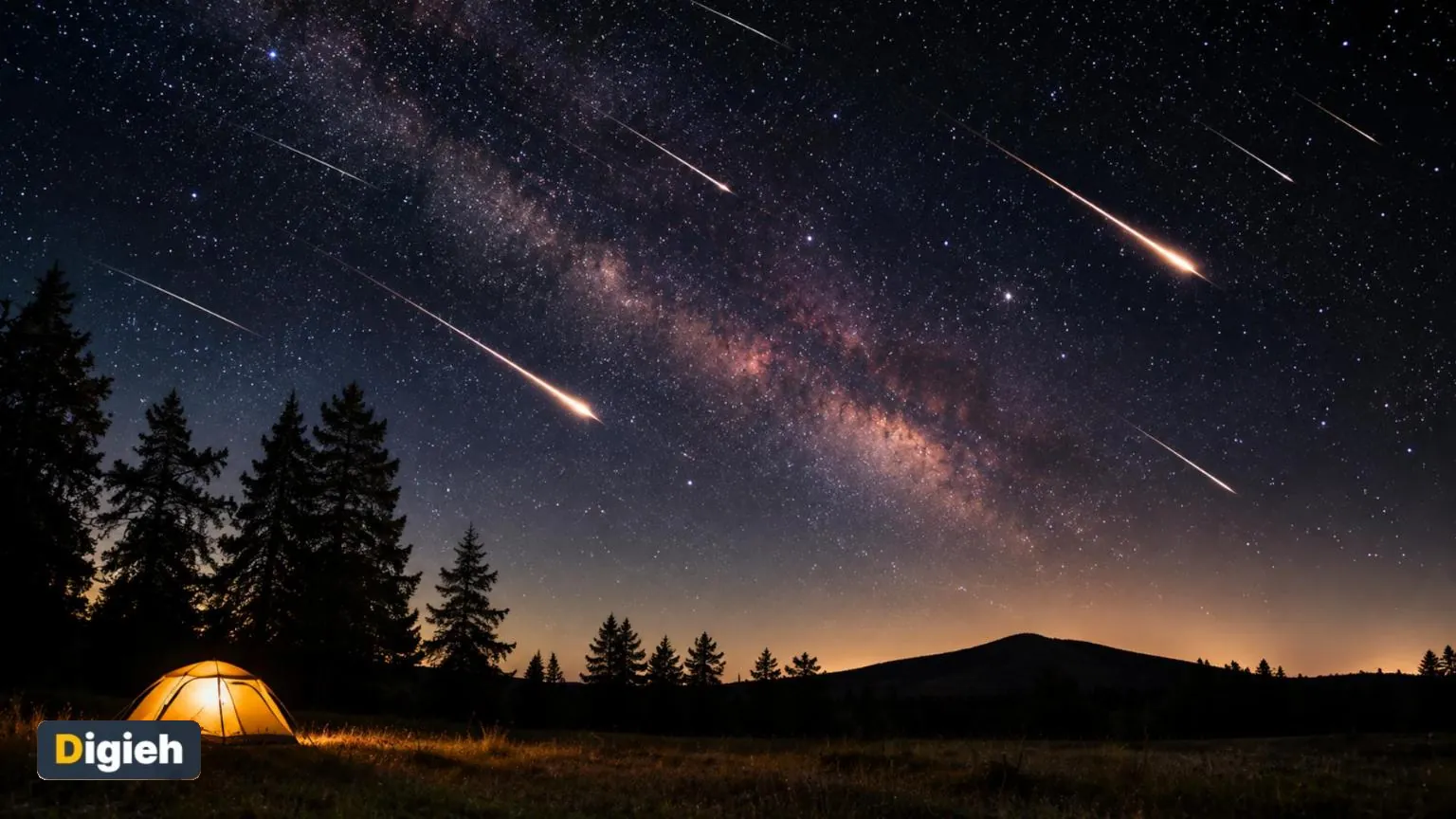
Watch the 2026 Leonid meteor shower after midnight on Tuesday, November 17, into Wednesday, November 18. The Moon sets around midnight, leaving dark skies until dawn. Under dark skies, you may see 10 to 15 meteors an hour.
You do not need a telescope or binoculars. Just find a dark spot, look up and give your eyes time to adjust.
Key Takeaways
- The Leonids peak on the night of November 17 to 18, 2026.
- The best viewing window runs from about midnight to dawn.
- Expect around 10 to 15 meteors per hour from a dark location.
- The shower stays active from November 6 to November 30.
- You need no special equipment, only patience and warm clothes.
On This Page
- What Are the Leonids?
- Leonids 2026 Dates and Times
- Where to Look in the Sky
- How to Watch Step by Step
- What to Bring
- How the Moon Affects the View
- Find a Dark Sky Spot
- The Famous Leonid Meteor Storms
- Meteors, Meteoroids and Meteorites
- Why Meteor Showers Happen at the Same Time Each Year
- Viewing Tips Around the World
- Photographing the Leonids
- Make It a Fun Night Out
- Watching With Kids
- Stay Safe During Late-Night Skywatching
- What if It Is Cloudy?
- Other Sky Events This Month
What Are the Leonids?
The Leonids are a yearly meteor shower that happens every November. They come from tiny bits of dust left behind by a comet called 55P/Tempel-Tuttle.
Each year, Earth passes through this trail of comet dust. The dust hits our atmosphere at very high speed and burns up, creating bright streaks of light.
People often call these streaks shooting stars. They are not stars at all, but grains of space dust, most smaller than a grain of sand.
Leonid meteors are some of the fastest of any shower. They enter the atmosphere at up to 70 kilometers per second, according to Royal Museums Greenwich.
70 km/sHow fast Leonid meteors hit the atmosphere, per Royal Museums Greenwich.
Leonids 2026 Dates and Times
The Leonids are active for most of November. The peak is the best time to watch, but you can catch some meteors on other nights too.
| Detail | 2026 Leonids |
|---|---|
| Active period | November 6 to November 30 |
| Peak night | November 17 into November 18 |
| Best viewing hours | About midnight to dawn |
| Expected rate | 10 to 15 meteors per hour |
| Moon at peak | About 56% lit, sets near midnight |
| Parent comet | 55P/Tempel-Tuttle |
The Farmers’ Almanac suggests watching from about midnight to 5.30 in the morning, local time. At that time, Leo, the shower’s home constellation, climbs higher in the sky.
Where to Look in the Sky
The Leonids seem to come from the constellation Leo, the Lion. Astronomers call this point the radiant.
Leo rises in the east around midnight and climbs higher toward dawn. However, you do not need to stare right at it.
Meteors can appear anywhere in the sky. Look about halfway up and take in as much sky as you can.
Meteors seen far from the radiant often have longer, more beautiful trails. So a wide view works best.
Quick tip. Face east or south and look about halfway up the sky. That gives you the widest view of the meteors.
How to Watch Step by Step
1. Check the Weather
Look at the forecast a day ahead. Clear skies matter more than anything else.
2. Pick Your Spot
Choose a safe, open place away from streetlights. Parks, fields and beaches with a wide view of the sky work well.
3. Get Comfortable
Bring a reclining chair or a thick blanket. Lying back lets you see more sky without hurting your neck.
4. Let Your Eyes Adjust
Put your phone away and wait about 20 to 30 minutes. Your eyes slowly adjust to the dark and see fainter meteors.
5. Be Patient
Meteors come in bursts. You may see none for several minutes, then two or three in a row.
Will you watch the Leonids this year?
- Yes, at the peak
- Maybe if the sky is clear
- I have never seen a meteor shower
What to Bring
Mid-November nights can be cold, especially after midnight. Dress as if it is several degrees colder than the forecast says.
- Warm jacket, hat and gloves
- Reclining chair or blanket
- Red flashlight
- Hot drink in a flask
- Charged phone for safety
- Snacks
A red flashlight is handy. Red light helps you see without ruining your night vision.
How the Moon Affects the View
Moonlight can wash out faint meteors. That is why the Moon’s phase matters for any meteor shower.
In 2026, the Moon will be just past first quarter, about 56% lit on November 17. Luckily, it sets around midnight.
That timing is good news. The darkest hours after the Moon sets match the best hours for the Leonids.
Good to know. Your eyes need 20 to 30 minutes to fully adjust to the dark. Looking at a bright phone screen resets that clock.
Find a Dark Sky Spot
City lights hide most meteors. Even a short drive away from town can make a huge difference.
Look for state parks, rural roads with safe pull-offs or open farmland. Many areas also have official dark sky parks.
Always tell someone where you are going. Bring a charged phone and park in a safe, legal spot.
The Famous Leonid Meteor Storms
The Leonids are famous for rare meteor storms. During a storm, thousands of meteors can fall per hour.
These storms happen roughly every 33 years, when the parent comet passes close to the Sun and leaves fresh dust. Big storms lit up the sky in 1833, 1966 and around 1999 to 2002.
The 1833 storm was so intense that it helped scientists first study meteor showers seriously. Some witnesses thought the stars were falling.
Experts do not expect a storm in 2026. Still, the Leonids can surprise skywatchers with bright fireballs.
Which comet creates the Leonids?
- Halley’s Comet
- 55P/Tempel-Tuttle
- Comet Hale-Bopp
The Leonids come from dust left by comet 55P/Tempel-Tuttle.
Meteors, Meteoroids and Meteorites
These words sound alike, but they mean different things. Knowing them makes skywatching more fun.
A meteoroid is a small piece of rock or dust floating in space. When it enters Earth’s atmosphere and burns up, the streak of light is a meteor.
If a piece survives the trip and lands on the ground, it becomes a meteorite. Leonid particles are tiny, so they burn up long before reaching the ground.
Skywatchers call a very bright meteor a fireball. The Leonids are known for producing some brilliant ones.
Why Meteor Showers Happen at the Same Time Each Year
Comets leave long trails of dust along their paths around the Sun. These trails stay in roughly the same place in space.
Earth crosses the Leonid trail at about the same point in its orbit every year. That is why the shower returns each November.
Some years, Earth passes through a thicker part of the trail. Those years bring stronger displays, while others are quieter.
Free updates
Join the Digieh list
Be the first to know when our weekly brief launches.
No spam. Unsubscribe anytime. Read our Privacy Policy.
Viewing Tips Around the World
You can see the Leonids from almost anywhere on Earth. Viewers in the Northern Hemisphere usually get a slightly better show.
In North America and Europe, look after midnight local time. The pattern is similar in Asia, including Pakistan and India.
In the Southern Hemisphere, Leo rises lower in the sky. You can still see meteors, just a little fewer.
Wherever you live, the rule stays the same. Dark skies and patience matter most.
Photographing the Leonids
You can capture meteors with a camera or even a modern phone. The key is a long exposure and a steady base.
Put your camera on a tripod and use a wide-angle lens. Set a long exposure of 15 to 30 seconds and a high light setting.
Take many photos in a row. Most frames will show only stars, but a few will catch a meteor streak.
Many newer phones have a night mode. Prop your phone against something steady and use a timer to avoid shaking it.
Make It a Fun Night Out
A meteor shower is a great excuse for a cozy night under the stars. Many people turn it into a mini camping trip.
Bring a thermos of soup or tea and a few warm snacks. A sleeping bag on a padded mat keeps you warm while lying back.
Play soft music or simply enjoy the quiet. Many skywatchers say the calm of the night is part of the magic.
Watching With Kids
Meteor showers are a great family activity. The peak falls on a school night, so plan around bedtime.
Younger kids can watch early in the evening, even before the peak hours. They may still spot a few meteors.
Bring snacks, hot cocoa and blankets. Turn it into a game by counting meteors together.
Stay Safe During Late-Night Skywatching
Watching after midnight means being out in the cold and dark. A few simple steps keep the night safe.
Go with a friend or family member when possible. Park well off the road and never stand on busy roadsides.
Watch for signs of cold, such as shivering or numb fingers. Head inside or warm up in the car if you feel too cold.
Which constellation do the Leonids seem to come from?
- Leo
- Orion
- Ursa Major
The shower is named after Leo, where its radiant sits.
What if It Is Cloudy?
Clouds can block the view, but you still have options. The Leonids stay active for days before and after the peak.
Try again on November 16 or November 18 and 19. Rates will be lower, but you may still catch a few meteors.
You can also check the American Meteor Society calendar for other showers this season.
Add to calendar
Other Sky Events This Month
November is a great month for stargazing. Nights are longer, which gives you more time to look up.
Planets often shine brightly in the evening sky this time of year. A simple stargazing app can help you find them.
Curious about other space news? Read about the strange cat’s tail near Beta Pictoris. Also see how the end of daylight saving time brings darker evenings.
Use this calculator to estimate how many meteors you might see during your watch.
Meteor count estimator
Try this today. Scout a dark viewing spot during daylight. It is much easier to find a safe place to park and sit before the night of the peak.
Frequently Asked Questions
What night is the Leonid meteor shower in 2026?
The peak is the night of Tuesday, November 17, into Wednesday, November 18.
What time should I watch the Leonids?
Watch from about midnight until dawn, after the Moon sets.
How many meteors can I see?
Under dark skies, expect about 10 to 15 meteors per hour at the peak.
Do I need a telescope?
No. Your eyes work best because they can see a wide area of the sky.
Will there be a Leonid meteor storm in 2026?
Experts do not expect a storm this year. Storms happen roughly every 33 years.
Conclusion
The best time to see the Leonid meteor shower in 2026 is after midnight on November 17 into November 18. Find a dark spot, dress warmly and give your eyes time to adjust.
With a little patience, you can watch fast, bright meteors streak across the sky. It is a free, beautiful show that anyone can enjoy.
Found this useful?
Editor’s Note
This guide is accurate as of November 7, 2026. Meteor rates are estimates and can vary with weather, location and light pollution.
Spot an error in this article? Please contact us at support@digieh.com or read our Corrections Policy.
Keep exploring
Your next read is waiting
 1Food & LifestyleThe Busiest Thanksgiving Travel Days and Smart Tips9 min read
 2BusinessBlack Friday Store Hours at the Big Retailers3 min read
 3EntertainmentSunrise on the Reaping Release and Big Details3 min read
 4NewsRussell Brand Found Guilty in Major UK Trial4 min read
 5Finance & MarketsSocial Security Cap Jumps to a Record $192,3003 min read
 6HealthCheck Your Pills in the Major Olmesartan Recall4 min read