TRENDING
How to Choose a Winter Coat That Keeps You Warm


8 min read
Last updated November 9, 2026
To choose a winter coat, start with your climate and daily routine. Pick down insulation for dry, very cold weather and synthetic insulation for wet, slushy winters.
Then check the length, hood, fit and features like a water-resistant shell. This guide explains fill power, coat styles and fit tips. It also shows how to get the best value so your coat keeps you warm for years.
Key Takeaways
- Match your coat to your weather, whether cold and dry or cold and wet.
- Down is warmest for its weight, while synthetic insulation handles moisture better.
- Higher fill power means fluffier, lighter down, but fill weight matters too.
- Longer coats and good hoods add a lot of warmth.
- Try coats on over a sweater to check the fit for layering.
Inside this guide
- Start with your needs
- Down vs. synthetic
- Fill power explained
- Coat styles compared
- Features that matter
- How a winter coat should fit
- Getting good value
- Caring for your coat
- Frequently asked questions
Start With Your Needs
The best winter coat is the one that fits your life. Ask yourself a few questions before you shop.
- How cold do winters get where you live?
- Is your winter mostly dry, snowy or rainy?
- Do you walk, commute by transit or mostly drive?
- Will you wear it to the office, outdoors or both?
- Do you run warm or feel cold easily?
A city commuter, a winter hiker and a parent at the bus stop all need slightly different coats. Knowing your answers narrows your choices fast.
Down vs. Synthetic Insulation
Insulation is what keeps you warm. It traps body heat in tiny air pockets.
| Feature | Down | Synthetic |
|---|---|---|
| Warmth for weight | Excellent | Good |
| When wet | Loses much of its warmth | Keeps more warmth |
| Packability | Squishes small | Bulkier |
| Price | Usually higher | Usually lower |
| Care | Needs special washing | Easier to wash |
| Best for | Cold, dry climates | Wet, mild or variable climates |
Switchback Travel notes that down loses its insulating ability when wet. For rainy or slushy winters, synthetic insulation or a hybrid coat is often a smarter pick.
Some coats combine both. They use down in the body and synthetic fill in areas that get wet, like the shoulders and hood.
What type of winter coat do you own?
- Down puffer
- Synthetic insulated
- Wool overcoat
- Not sure
Fill Power Explained
Fill power measures the quality and loft of down. A higher number means the down puffs up more and traps more warmth for its weight.
According to a down jacket guide from Switchback Travel, high-end coats use down rated 800 fill power or higher.
| Fill power | What it means |
|---|---|
| 550 to 650 | Good value, a bit heavier for the warmth |
| 700 to 750 | Warm, light and versatile |
| 800 and above | Premium, very light and packable |
Fill weight matters too. It is the total amount of down inside the coat. More down at the same fill power means more warmth.
800+Fill power found in many high-end down jackets, according to Switchback Travel.
Winter Coat Styles Compared
| Style | Best for | Watch out for |
|---|---|---|
| Puffer jacket | Everyday warmth, travel | Can look casual |
| Long parka | Very cold, windy cities | Can feel bulky when driving |
| Wool overcoat | Office and dressy outfits | Less warm in deep cold or rain |
| Insulated shell | Rain, sleet and snow | Can feel stiff |
| Three-in-one jacket | Changing weather, budget | Heavier than single-layer coats |
A three-in-one jacket pairs a waterproof shell with a removable inner layer. You can wear each piece alone or together.
Features That Matter
Length
A coat that covers your hips or thighs keeps much more heat in. Short jackets are easier to move in but leave your lower body exposed.
Hood
Look for an adjustable hood that fits over a hat. A brim helps block snow and wind.
Water resistance
Many coats have a water-repellent finish for light snow and rain. For heavy rain, choose a waterproof shell with sealed seams.
Closures and cuffs
- A two-way zipper makes sitting and driving easier.
- A storm flap over the zipper blocks wind.
- Adjustable or knit cuffs keep cold air out.
- A drawcord at the hem seals in warmth.
Pockets
Fleece-lined hand pockets warm cold fingers. Inside pockets keep your phone warm, which helps its battery last longer in the cold.
How a Winter Coat Should Fit
Fit affects warmth as much as insulation. A coat that is too tight squeezes out warm air, while one that is too loose lets cold air in.
- Wear a sweater or fleece when you try coats on.
- Reach forward and up to check that sleeves still cover your wrists.
- Sit down to make sure the coat does not pull tight.
- Zip it up and turn your head to test the collar and hood.
- Hug yourself to check room across the back and shoulders.
Switchback Travel notes that fit varies by brand, with some running boxy and others slimmer. Try coats on in person when you can.
Plan your layers before you buy. Our guide on how to layer clothes for cold weather explains what to wear underneath.
Coats for Commuters vs. Outdoor Adventures
How you spend time outside should guide your choice. A commuter and a hiker face very different conditions.
| Need | Commuter coat | Outdoor coat |
|---|---|---|
| Look | Clean lines, works with work clothes | Technical, bright colors |
| Length | Hip to knee length | Hip length for easy movement |
| Warmth | Steady warmth for short trips | Layer-friendly for changing effort |
| Extras | Inside pockets, two-way zipper | Pit zips, helmet-friendly hood |
If you do both, a simple puffer or three-in-one jacket can bridge the gap. Pair it with different layers for each activity.
Free updates
Join the Digieh list
Be the first to know when our weekly brief launches.
No spam. Unsubscribe anytime. Read our Privacy Policy.
Choosing a Coat for Kids
Kids lose heat quickly and play hard, so their coats need warmth and durability. Look for water-resistant shells, snug cuffs and a hood.
Bright colors and reflective strips help drivers see children on dark winter afternoons. Leave a little room for growth, but not so much that cold air gets in.
Bulky coats can be unsafe under car seat straps. Buckle children in with a thin layer and lay the coat or a blanket over the straps instead.
Ethical and Eco-Friendly Choices
Down comes from ducks and geese. Many brands now follow the Responsible Down Standard, which aims to stop harsh practices like live-plucking.
Look for that certification on the label. Recycled synthetic insulation and recycled shell fabrics are also good choices for the planet.
Buying a well-made coat and caring for it is one of the most sustainable choices. A coat that lasts ten winters beats three cheap ones.
Getting Good Value
- Shop end-of-season sales in late winter for big discounts.
- Compare fill power and fill weight, not just price.
- Check the return policy in case the fit is not right.
- Look for repair programs or warranties.
- Consider gently used coats from secondhand stores.
A mid-range coat with 650 to 700 fill power often hits the sweet spot of warmth and price. Spend more only if you face extreme cold or need light, packable gear.
Style Tips
A neutral coat in black, navy, camel or olive works with almost everything. Bright colors add fun and help you stay visible on dark winter evenings.
Finish your look with a warm scarf. See ten ways in our guide on how to style a scarf. Then browse winter fashion trends for 2026.
Common Shopping Mistakes
- Buying for looks alone without checking warmth
- Choosing down for a rainy climate without a waterproof shell
- Trying coats on over a thin T-shirt
- Ignoring sleeve length and hood fit
- Skipping the care label before buying
Take your time and compare a few options. A thoughtful purchase saves money in the long run.
Caring for Your Coat
- Read the care label before washing.
- Wash down coats with a down cleaner and dry with tennis balls.
- Spot clean small stains between washes.
- Hang coats on wide hangers, not hooks.
- Store them clean, dry and uncompressed in summer.
Learn the right method in our guide on how to wash a down jacket. Own a wool coat? Read how to care for cashmere and wool.
Signs You Need a New Coat
- The insulation looks flat even after washing.
- Zippers break or the shell has large tears.
- You feel cold even with warm layers underneath.
- The coat no longer fits over a warm sweater.
Repair shops can often fix small rips and broken zippers. Fix them first before buying something brand new.
Do Not Forget Your Feet
A great coat cannot keep you warm if your feet are cold and wet. Pair it with insulated, water-resistant boots and wool socks.
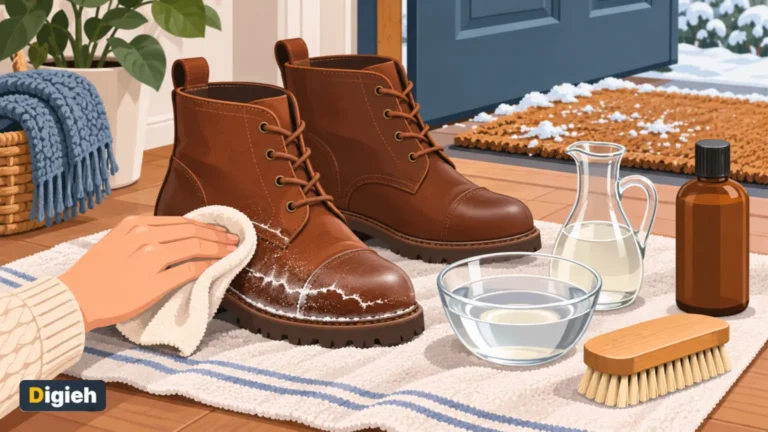
Keep them in shape with our guide on how to waterproof boots.
Test Yourself
Which insulation keeps more warmth when wet?
- Down
- Synthetic
- Cotton
Synthetic fill keeps more of its warmth in damp conditions.
What does a higher fill power number mean?
- Fluffier down with more warmth for its weight
- A heavier coat
- A cheaper coat
Higher fill power down lofts more and traps more heat per ounce.
Frequently Asked Questions
What is the warmest type of winter coat?
A long down parka with a good hood is usually the warmest.
Is 600 fill power warm enough?
Yes, for most winters, especially in a coat with plenty of fill.
Should a winter coat be a size bigger?
Not always. Choose one that fits over a sweater without being baggy.
How long should a winter coat last?
A well-made coat can last many winters with good care.
Conclusion
Choosing a winter coat comes down to your weather, your routine and a good fit. Pick down for dry cold, synthetic for wet winters and check the length, hood and features.
Try it on over a sweater, care for it well and stay warm all season.
Found this useful?
Editor’s Note
This guide is accurate as of November 9, 2026. Fill power and insulation details draw on a down jacket guide from Switchback Travel.
Prices and features vary by brand, so compare labels before you buy.
Spot an error in this article? Please contact us at support@digieh.com or read our Corrections Policy.
Keep exploring
Your next read is waiting
 1MedicinesDo Antibiotics Cure Colds or Flu? What You Need to Know8 min read
 2HealthSore Throat Home Remedies That Actually Help8 min read
 3SportsAP Top 25 College Football Rankings: Georgia Takes No. 14 min read
 4Science & DiscoveriesWinter Bird Feeding Guide: Best Foods, Feeders and Tips8 min read
 5FashionHow to Wash a Down Jacket Without Ruining It8 min read
 6Travel & TourismREAL ID Explained: What You Need to Fly in 20268 min read