TRENDING
How to Thrift Shop Like a Pro Easily

9 min read
Last updated November 10, 2026
To thrift shop like a pro, go in with a short list. Check fabric labels and seams, and try everything on. Shop often, since stock changes daily, and inspect each item closely before you pay.
Thrifting saves money and keeps clothes out of landfills. With a few smart habits, you can find quality pieces for a fraction of the retail price.
This guide covers planning, inspecting clothes, spotting quality, safety rules for kids’ items and how to care for your finds.
Key Takeaways
- Make a short wish list before you go.
- Check fabric content, seams, zippers and stains.
- Learn your measurements, since vintage sizes run differently.
- Avoid used car seats, cribs and other recalled or risky kids’ gear.
- Wash or clean every find before wearing it.
Jump to a section
- Why thrift
- Plan before you go
- Where to shop
- How to inspect clothes
- Spotting quality
- Sizes and fit
- Safety rules
- Thrifting online
- Caring for finds
- Frequently asked questions
Why Thrift Shopping Is Worth It
Secondhand shopping stretches your budget and gives clothes a longer life. It also lets you find unique pieces nobody else is wearing.
The EPA reports that the United States generated about 17 million tons of textiles in 2018. Americans recycled only about 14.7 percent, and about 11.3 million tons went to landfills.
17 million tonsTextiles generated in the United States in 2018, according to the EPA.
Plan Before You Go
- Write a short list of what you need, like a wool coat or dark jeans.
- Know your measurements for chest, waist, hips and inseam.
- Bring a tape measure and wear fitted clothes for easy try-ons.
- Set a budget so small prices do not add up fast.
- Go early in the day or midweek when racks are fuller.
A capsule mindset helps. Our capsule wardrobe guide shows how to buy pieces that work together.
Quick tip. Ask staff when they restock. Many stores put out new items on certain days.
Where to Shop
| Type | Best for | Price |
|---|---|---|
| Charity thrift stores | Huge variety and low prices | Lowest |
| Consignment shops | Curated, brand-name pieces | Medium |
| Vintage boutiques | Unique older pieces | Higher |
| Online resale apps | Searching by size and brand | Varies |
| Yard sales and swaps | Bargains and trades | Very low |
Stores in different neighborhoods carry different stock. Visit a few to learn which suit your style.
How to Inspect Clothes
- Check the fabric label for fiber content and care.
- Look at seams for loose threads or splitting.
- Test zippers, buttons and snaps.
- Hold items up to light to spot thin areas or holes.
- Look closely at underarms, collars and cuffs for stains.
- Smell the item for mildew or smoke.
New York consumer officials suggest checking for loose buttons and snaps. Also look for stains or damage you cannot fix.
What do you love finding at thrift stores?
- Coats and jackets
- Jeans
- Sweaters
- Not sure
Spotting Quality
| Sign of quality | What to look for |
|---|---|
| Natural fibers | Wool, cotton, linen, silk or leather |
| Strong seams | Tight, even stitching |
| Lined coats and blazers | A full lining that hangs smoothly |
| Metal zippers | Smooth, sturdy and working |
| Pattern matching | Stripes and plaids that line up at seams |
| Extra buttons | Spare buttons sewn inside |
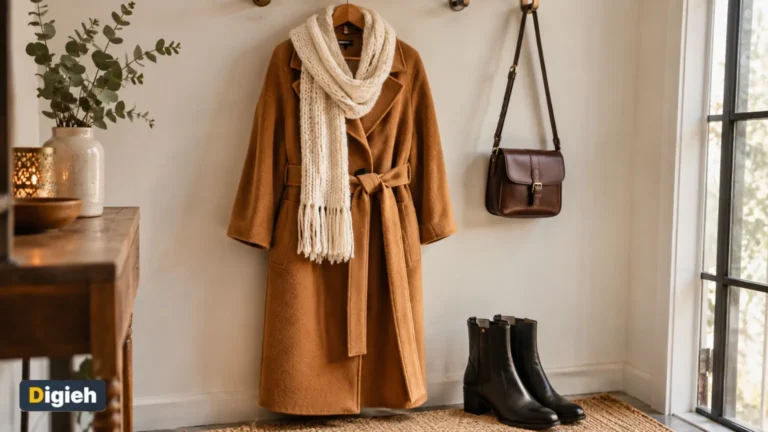
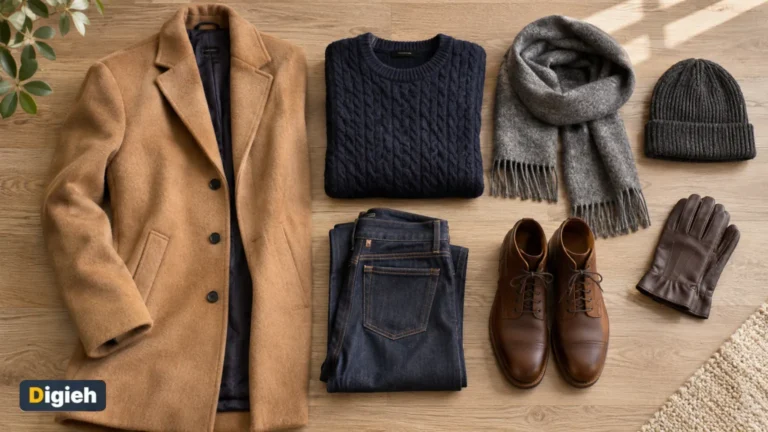
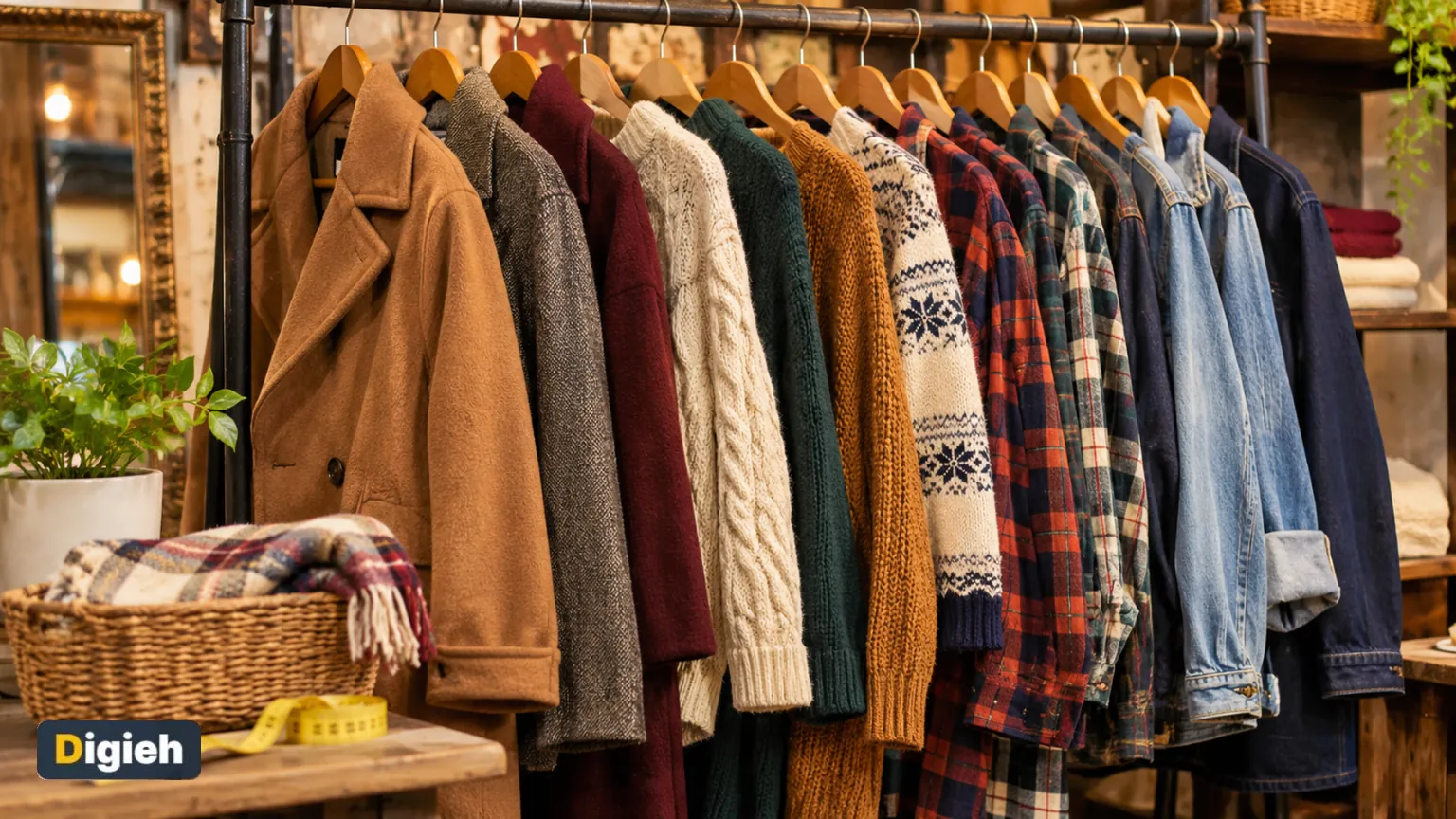
Wool coats, leather boots and denim are often the best thrift values. They are built to last and cost much more new.
Sizes and Fit
Vintage and international sizes often run small or differently. Ignore the tag and check measurements instead.
- Measure a garment that fits you well and compare.
- Try on everything you can.
- Check that shoulders fit, since they are hard to alter.
- Remember that hems and waists are easy to tailor.
Learn what shapes flatter you in our guide on how to dress for your body shape.
Fixable Flaws vs Deal Breakers
| Fixable | Usually a deal breaker |
|---|---|
| Missing button | Large holes in thin fabric |
| Loose hem | Strong mildew smell |
| Light pilling | Stains on light silk |
| Small seam split | Broken zipper on a cheap item |
| Lint and fuzz | Moth damage across the item |
Pilling is easy to fix. See our guide on how to remove pilling from sweaters.
Safety Rules for Secondhand Items
Some used items are risky. The New York Division of Consumer Protection advises checking the CPSC recall list before you buy.
- Avoid used cribs, bassinets and infant sleep products.
- Avoid used car seats, booster seats and helmets.
- Check children’s clothes for long drawstrings.
- Skip used lithium-ion batteries.
- Inspect furniture closely for bed bugs.
The Consumer Product Safety Commission notes that its safety laws apply to resellers, including thrift stores and yard sales. Its advice for nursery products is simple. When in doubt, throw it out.
Safety first. Never buy a used car seat or helmet. You cannot know whether it has been in a crash.
Thrifting Online
Online resale apps let you search by size, brand and color. They also carry more risk of fakes and scams.
- Buy from reputable platforms with buyer protection.
- Read the return policy before you pay.
- Ask for measurements and extra photos.
- Check seller ratings and reviews.
- Pay through the app, never by wire transfer or gift card.
Our guide on how to shop online safely explains more ways to avoid scams.
Spotting Fake Designer Items
The New York Division of Consumer Protection warns about counterfeit brand-name products, which may be lower quality and less safe.
- Check stitching, logos and hardware closely.
- Compare with photos from the brand’s website.
- Be wary of prices that seem too good to be true.
- Use consignment shops that authenticate luxury items.
Caring for Your Finds
Clean everything before wearing it. The New York guidance suggests cleaning clothes according to the garment label.
- Read the care label.
- Wash in cool water on gentle, or hand wash knits.
- Air dry flat to avoid shrinking.
- Take dry clean only pieces to a cleaner.
- Steam or iron to refresh the fabric.
Accidentally shrank a find? Try our guide on how to unshrink a sweater. For stains, see how to remove red wine stains.
Thrifting Kids’ Clothes
Children outgrow clothes fast, so secondhand is a smart choice. Check items carefully for safety.
- Check hoodies and jackets for long drawstrings at the neck.
- Pull gently on buttons, snaps and decorations.
- Look for stretched elastic in waistbands.
- Wash everything before your child wears it.
Skip used pacifiers, teething toys and bath toys, which the New York guidance says can trap mold and bacteria.
Free updates
Join the Digieh list
Be the first to know when our weekly brief launches.
No spam. Unsubscribe anytime. Read our Privacy Policy.
Home Goods and Kitchenware
Thrift stores are full of dishes, frames and decor. A few checks keep you safe.
- Look for cracks, chips or peeling coatings on kitchenware.
- Assume painted items over 50 years old may contain lead unless tested.
- Check electronics for frayed or damaged cords.
- Skip cookware with damaged nonstick surfaces.
The New York Division of Consumer Protection shares these tips. It also suggests anchoring tall furniture like dressers and bookcases to the wall.
Furniture Finds
- Inspect seams, cushions and joints for bed bugs.
- Ask stores what pest treatment they use.
- Check that drawers slide and legs are sturdy.
- Avoid heavily stained upholstered pieces.
You can often clean and refinish solid wood furniture. It can last far longer than many new flat-pack pieces.
Donating and Selling
Keep the cycle going by passing on clothes you no longer wear. Clean, gently used items are most helpful to stores and buyers.
- Wash items before donating.
- Check what your local store accepts.
- Sell higher-value pieces through consignment.
- Recycle worn-out textiles where programs exist.
Thrift Shopping on a Budget
- Look for color-tag or weekly discount days.
- Join store loyalty programs.
- Shop off-season, like coats in spring.
- Sell or donate items you no longer wear.
Tailoring Your Finds
A tailor can turn a good find into a perfect one. Simple changes are often affordable.
| Alteration | Usually easy | Usually hard |
|---|---|---|
| Hemming pants or skirts | Yes | No |
| Taking in a waist | Yes | No |
| Shortening sleeves | Often | Sometimes on lined coats |
| Changing shoulder width | No | Yes |
| Replacing a zipper | Yes | No |
Factor the tailoring cost into the price. A low-cost coat plus a small alteration can still beat buying new.
A Seasonal Thrifting Calendar
| Season | What to look for |
|---|---|
| Winter | Sweaters, coats and boots, plus holiday decor after the season |
| Spring | Light jackets and new donations from spring cleaning |
| Summer | Linen, sandals and off-season wool coats |
| Fall | Denim, flannel and early sweater stock |
Shopping off-season often means better selection and lower prices. A summer wool coat hunt can pay off when winter arrives.
Thrift Style Ideas
- Pair a vintage wool blazer with modern jeans.
- Layer a thrifted cashmere sweater over a crisp shirt.
- Mix a statement vintage coat with simple basics.
- Wear thrifted leather boots with everything.
Mixing old and new keeps outfits fresh. One standout vintage piece can make a simple outfit feel special.
Thrift Store Etiquette
- Return items you will not buy to the right rack or staff.
- Be kind to staff, who handle huge amounts of donations.
- Do not hide items to come back for later.
- Respect fitting room limits.
- Bring your own bag to cut waste.
Good manners make thrifting nicer for everyone. Staff may even tip you off to new arrivals if you become a friendly regular.
Make Thrifting a Fun Habit
Treat thrifting like a treasure hunt, not a chore. Short, regular visits often beat long, rare trips.
Bring a friend with a different size and style. You can spot pieces for each other and share honest opinions in the fitting room.
Keep a running note on your phone of finds you love and pieces you still need. Over time, you will build a closet full of quality clothes with stories behind them.
Common Mistakes
| Mistake | Better choice |
|---|---|
| Buying because it is cheap | Buy only what you will wear |
| Skipping the try-on | Try on or measure everything |
| Ignoring care labels | Check fabric and care first |
| Buying used car seats | Buy new for safety |
| Not washing finds | Clean every item before wearing |
Your Thrift Shopping Checklist
- Bring a wish list and tape measure
- Check labels, seams and zippers
- Try everything on
- Skip recalled or risky kids’ gear
- Check return policies
- Clean finds before wearing
Try this today. Measure your favorite jeans and coat. Save the numbers on your phone for your next thrift trip.
Test Yourself
Which item should you never buy secondhand?
- A wool coat
- A car seat
- Leather boots
Consumer safety officials advise against buying used car seats, since crash damage may not be visible.
Frequently Asked Questions
What is the best day to go thrifting?
Ask your store about restock days. Weekday mornings are often quieter.
How do I know if vintage clothes will fit?
Compare measurements with clothes that fit you well.
Should I wash thrifted clothes?
Yes. Clean every item before wearing it.
Is thrifting really better for the planet?
Buying used gives clothes a longer life and keeps them out of landfills.
Conclusion
Thrift shopping like a pro takes a plan, a careful eye and a little patience. Check quality, try things on and follow safety rules for kids’ gear.
Start with one item on your list this weekend and enjoy the hunt.
Found this useful?
Editor’s Note
This guide is accurate as of November 10, 2026. It draws on the New York Division of Consumer Protection, the Consumer Product Safety Commission and EPA textile data.
Store policies vary, so ask about returns before you buy.
Spot an error in this article? Please contact us at support@digieh.com or read our Corrections Policy.
Keep exploring
Your next read is waiting
 1Fruits & VegetablesKale vs Spinach: Which Leafy Green Is Healthier?9 min read
 2MedicinesDo Probiotics Work? What Science Says About Them9 min read
 3FashionHow to Clean White Sneakers So They Shine9 min read
 4Science & DiscoveriesQuadrantid Meteor Shower 2027: Best Time to Watch9 min read
 5Travel & TourismHow to Pack a Carry-On for a Week9 min read
 6AI & TechHow to Use AI for Smarter Holiday Shopping9 min read