TRENDING
Seasonal Color Analysis Explained: Find Your Best Colors

9 min read
Last updated November 10, 2026
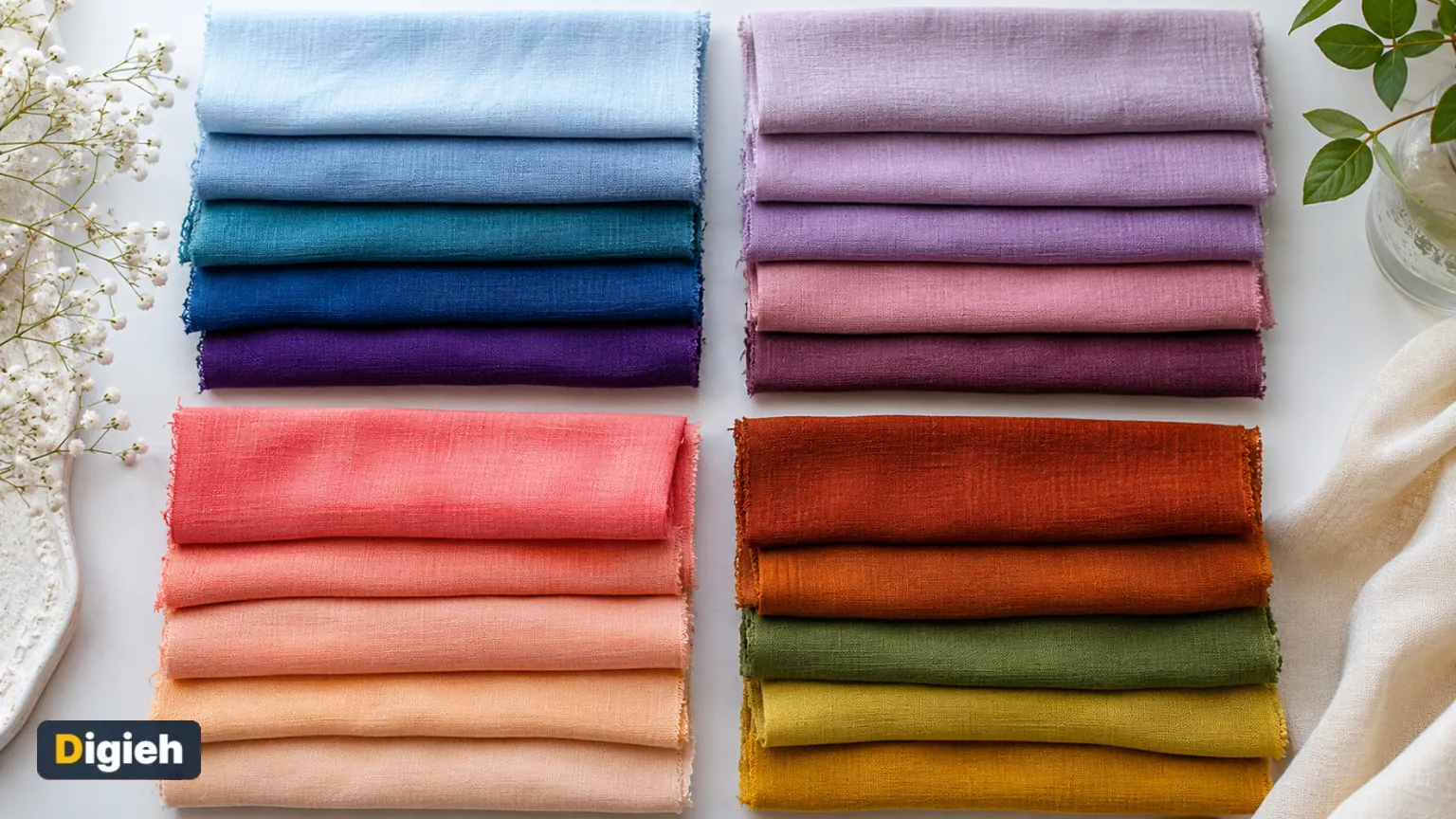
Seasonal color analysis sorts people into four groups, called winter, spring, summer and autumn. Each group reflects skin undertone, hair color and eye color. Each season has a palette meant to flatter it.
It is a styling tool, not a science. Still, it uses real color ideas like warm versus cool tones, light versus dark shades and bright versus muted colors.
This guide explains the four seasons, a simple at-home test and how to use your results without feeling boxed in.
Key Takeaways
- Seasonal color analysis groups people into winter, spring, summer or autumn.
- It looks at undertone, value and color intensity.
- Cool seasons are winter and summer, while warm seasons are spring and autumn.
- Colors near your face matter most.
- Use the results as a guide, not a strict rule.
Jump to a section
- Color basics
- The four seasons
- At-home test
- Winter palette
- Summer palette
- Spring palette
- Autumn palette
- Using your palette
- Frequently asked questions
Where Seasonal Color Analysis Comes From
The idea of matching clothing colors to personal coloring has been around for a long time in art and fashion. The four-season system became very popular in the 1980s and has seen a big comeback through social media.
Today, people share draping videos and color quizzes online. The basic idea stays the same, which is finding colors that make your face look bright, clear and healthy.
Color Basics Behind the Seasons
Utah State University Extension explains that color has three main qualities. They are hue, value and intensity.
| Quality | Meaning | Example |
|---|---|---|
| Hue | The color family | Red, blue, green |
| Value | How light or dark | Pale pink vs deep burgundy |
| Intensity | How bright or muted | Bright cobalt vs dusty blue |
Seasonal analysis adds one more idea, temperature. Warm colors lean yellow or golden, while cool colors lean blue or pink.
3 qualitiesHue, value and intensity describe every color, per Utah State University Extension.
The Four Seasons at a Glance
| Season | Temperature | Typical look | Best colors |
|---|---|---|---|
| Winter | Cool | High contrast between hair, skin and eyes | Clear, icy and deep colors |
| Summer | Cool | Soft, low contrast | Muted, soft and light cool colors |
| Spring | Warm | Bright and fresh | Clear, warm and light colors |
| Autumn | Warm | Rich and earthy | Muted, warm and deep colors |
Many stylists split each season into three sub-types, like deep winter or soft autumn. Start with the main four seasons first.
Think about contrast too. If your hair, skin and eyes are very different in depth, you may suit bold contrasts. If they blend together softly, gentle color pairings may look better. Contrast is one of the easiest clues to spot in a mirror.
A Simple At-Home Color Test
- Stand by a window in natural daylight.
- Remove makeup and pull hair back.
- Hold gold jewelry or a gold fabric near your face, then silver.
- Notice which makes your skin look clearer and brighter.
- Look at the veins on your inner wrist for a quick clue.
- Hold up pure white and soft ivory, and compare.
| If you notice | You may lean |
|---|---|
| Silver and pure white flatter you | Cool, so winter or summer |
| Gold and ivory flatter you | Warm, so spring or autumn |
| Both look fine | Neutral, so you have more freedom |
Quick tip. Ask a friend to watch your face as you switch colors. Others often notice the difference faster than you do.
Winter Palette
Winters often have striking contrast, like dark hair with fair skin. Clear, cool and bold colors suit them.
- Pure white and true black
- Icy blue and icy pink
- Royal blue and emerald
- Cool red and fuchsia
- Charcoal and navy
Icy shades are trending this winter. See our guide to the icy blue color trend.
Summer Palette
Summers usually have soft, blended coloring. Gentle, cool and muted shades look harmonious.
- Soft white and dove gray
- Powder blue and periwinkle
- Rose pink and lavender
- Soft teal and sage
- Cool taupe and slate
Which season do you think you are?
- Winter or summer
- Spring or autumn
- Never tested
- Not sure
Spring Palette
Springs often look bright and warm, with golden or peachy tones. Clear, warm and light colors shine.
- Ivory and warm beige
- Coral and peach
- Warm turquoise and aqua
- Golden yellow and leaf green
- Light camel
Autumn Palette
Autumns usually have rich, warm coloring. Earthy, muted and deep shades flatter them.
- Cream and camel
- Olive and forest green
- Rust and burnt orange
- Mustard and gold
- Chocolate brown and teal
Why Colors Near Your Face Matter
New Mexico State University Extension notes that color can change how features look. It can draw attention or make areas seem smaller or larger.
Tops, scarves, collars and glasses frames sit closest to your face. That is where your best colors make the biggest difference.
If you love a color outside your palette, wear it on pants, skirts or shoes instead.
Using Your Palette When Shopping
- Save photos of your palette on your phone.
- Bring a fabric swatch or color card to stores.
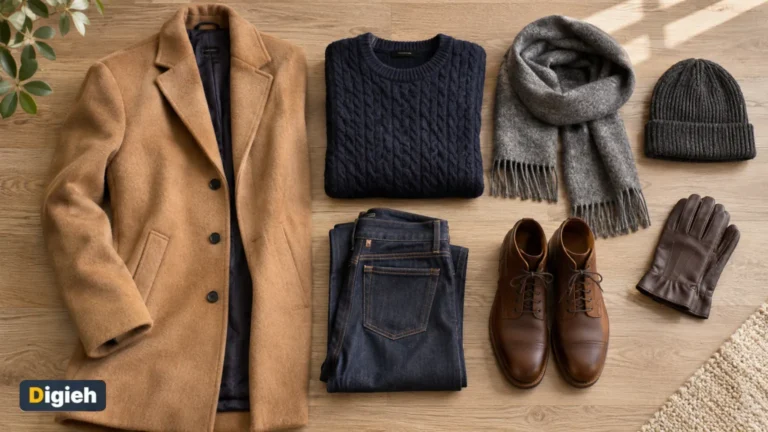
- Choose neutrals from your season, like navy for winter or camel for autumn.
- Add one or two accent colors per outfit.
- Check colors in daylight before buying.
Your palette also makes thrift shopping faster. Scan racks for your colors first, as our thrift shopping guide suggests.
Neutrals by Season
| Season | Best neutrals |
|---|---|
| Winter | Black, pure white, charcoal, navy |
| Summer | Soft gray, rose beige, slate blue |
| Spring | Ivory, camel, warm gray |
| Autumn | Cream, chocolate, olive, khaki |
Pantone named Cloud Dancer, a soft white, its 2026 Color of the Year. Softer whites often suit warm or soft palettes better than stark white.
See how to wear it in our guide to Cloud Dancer outfits.
A Mini Capsule for Each Season
| Season | Base neutrals | Accent colors | Easy outfit |
|---|---|---|---|
| Winter | Black, navy | Icy pink, emerald | Navy trousers with an emerald knit |
| Summer | Soft gray, slate | Lavender, powder blue | Gray dress with a powder blue scarf |
| Spring | Camel, ivory | Coral, aqua | Ivory sweater with coral lipstick |
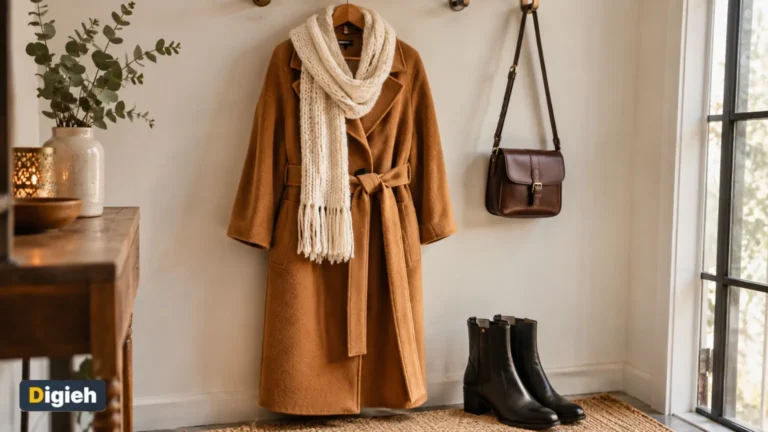
| Autumn | Chocolate, olive | Rust, mustard | Olive coat with a mustard scarf |
Pick two neutrals and two accents from your palette. That small set mixes into many outfits without clashing.
Glasses Frames by Season
| Season | Frame ideas |
|---|---|
| Winter | Black, silver or jewel-toned frames |
| Summer | Soft gray, rose or clear frames |
| Spring | Light tortoise, gold or warm colors |
| Autumn | Dark tortoise, bronze or olive frames |
Frames sit right on your face, so they matter as much as a top. Try on a few colors in daylight before you choose.
Free updates
Join the Digieh list
Be the first to know when our weekly brief launches.
No spam. Unsubscribe anytime. Read our Privacy Policy.
Holiday Outfits by Season
- Winter shines in true red, emerald and silver sparkle.
- Summer glows in soft plum, dusty rose and pewter.
- Spring looks fresh in coral, warm gold and ivory.
- Autumn looks rich in burgundy brown, bronze and deep teal.
One flattering color near your face is enough to make a holiday outfit feel special.
Color Analysis for Men
Seasonal colors work for everyone. Shirts, ties, sweaters and scarves near the face are the easiest places to start.
Find outfit ideas in our men’s winter outfit ideas guide.
Workwear in Your Colors
Build a work wardrobe around your season’s neutrals, then add a flattering accent. A cool winter might pair charcoal with an icy pink blouse, while an autumn might pair camel with olive.
See polished outfit formulas in our winter work outfits for women.
Color and Body Shape Together
Color and line work together. Dark, cool colors tend to recede, while bright and warm colors stand out, NMSU explains.
Our guide on how to dress for your body shape shows how to combine color with fit.
The 12 Sub-Seasons
| Main season | Sub-seasons |
|---|---|
| Winter | Deep winter, cool winter, bright winter |
| Summer | Light summer, cool summer, soft summer |
| Spring | Light spring, warm spring, bright spring |
| Autumn | Soft autumn, warm autumn, deep autumn |
Sub-seasons blend features of neighboring seasons. For example, a soft autumn shares the muted quality of summer with the warmth of autumn.
Jewelry and Metals
| Undertone | Metals that often flatter |
|---|---|
| Cool | Silver, white gold, platinum |
| Warm | Yellow gold, brass, copper |
| Neutral | Rose gold or a mix of metals |
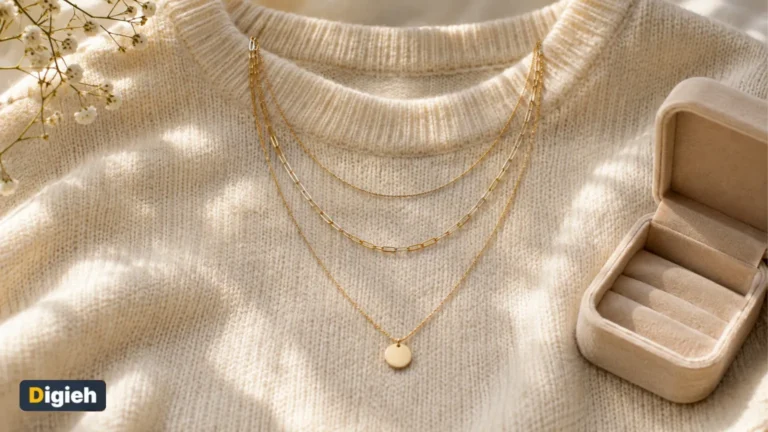
Mixing metals is fashionable now, so do not feel limited. Choose the metal that feels most like you for pieces worn near your face.
Makeup and Hair in Your Season
- Cool seasons often suit berry, rose and plum lip colors.
- Warm seasons often suit coral, peach and brick shades.
- Soft seasons look good in blended, muted tones.
- Bright seasons can wear clear, bold colors.
Your hair color changes your overall contrast. If you dye your hair a very different shade, retest your colors.
Professional vs DIY Analysis
| Option | Pros | Cons |
|---|---|---|
| DIY at home | Free and quick | Lighting and bias can mislead |
| Online quiz | Easy and fun | Very rough results |
| Professional stylist | Draping with many fabric samples | Costs money |
If you try a professional, ask how they test and whether they use natural light. A good analyst explains their reasoning clearly.
Beyond Clothes
Some people use their palette for accessories, bags and even home decor. The same warm or cool feel can make a room feel calm and personal.
You do not need to go that far. Starting with a few tops and a scarf in your best colors is plenty.
Limits of Seasonal Color Analysis
- Lighting in stores and photos can mislead you.
- Hair dye, tans and makeup change your look.
- Many people fall between two seasons.
- Personal style and confidence matter just as much.
Treat your season as a starting point. If a color makes you happy, wear it with confidence. Style should feel fun and personal, not like a test you can fail.
Common Mistakes
| Mistake | Better choice |
|---|---|
| Testing under yellow indoor light | Use natural daylight |
| Throwing out every off-palette item | Wear those colors away from your face |
| Ignoring neutrals | Build a base from your season’s neutrals |
| Following rules you dislike | Trust what makes you feel great |
Your Color Analysis Checklist
- Test in natural daylight
- Compare gold and silver near your face
- Decide if you lean warm, cool or neutral
- Pick neutrals from your season
- Add one or two accent colors
- Keep colors you love, even if off-palette
Try this today. Hold a white shirt and an ivory shirt near your face in daylight. Notice which one makes your skin look brighter.
Test Yourself
Which two seasons have cool undertones?
- Spring and autumn
- Spring and summer
- Winter and summer
Winter and summer are the cool seasons. Spring and autumn are warm.
Frequently Asked Questions
What is seasonal color analysis?
A styling method that groups people into four color seasons.
How do I know if I am warm or cool?
Compare gold and silver near your face in daylight.
Can my season change?
Hair color, tans and aging can shift which colors suit you best.
Do I have to wear only my colors?
No. Use your palette as a guide, especially near your face.
Conclusion
Seasonal color analysis is a fun way to find colors that flatter you. Learn whether you lean warm or cool, light or deep and bright or soft.
Use your palette near your face, build around flattering neutrals and wear what makes you feel confident.
Found this useful?
Editor’s Note
This guide is accurate as of November 10, 2026. Color principles come from Utah State University and New Mexico State University extension publications, with trend notes from Pantone.
Seasonal color analysis is a fun styling tool, not a scientific or medical test of any kind.
Spot an error in this article? Please contact us at support@digieh.com or read our Corrections Policy.
Keep exploring
Your next read is waiting
 1Fruits & VegetablesHow to Ripen Fruit Faster With Kitchen Tricks9 min read
 2MedicinesVitamin B12 Deficiency Signs and Who Needs Supplements9 min read
 3Finance & MarketsAnthropic IPO Explained: Date, Ticker and Key Numbers5 min read
 4FashionHow to Layer Necklaces Without Tangles or Clutter9 min read
 5AI & TechHow to Use AI for Smarter Holiday Shopping9 min read
 6Science & DiscoveriesQuadrantid Meteor Shower 2027: Best Time to Watch9 min read