TRENDING
Bunions: Causes, Pain Relief and When Surgery Helps
Bunions explained: symptoms, causes, self-care, how to choose shoes, when surgery helps, a recovery timeline, complications and when to see a doctor today.


7 min read
Last updated November 25, 2026
A bunion is a bony lump on the side of the foot at the base of the big toe. The big toe slowly leans towards the other toes.
Wide, low-heeled shoes, bunion pads, ice and simple painkillers can ease pain. Surgery is the only way to remove a bunion, and it is only done for real pain.
Health note. This article is for general information only and is not medical advice. People with diabetes should see a doctor or podiatrist about any foot problem.
Key Takeaways.
- Bunions often run in families because of inherited foot shape.
- Tight, pointed or high-heeled shoes can make them worse.
- Home care eases pain but cannot straighten the toe.
- Surgery is not done just to improve how a foot looks, says the National Health Service.
- Recovery from surgery can take several months.
Jump to a section
- What a bunion is
- Symptoms
- Causes and risk factors
- Official advice compared
- Should I see a doctor?
- Self-care that helps
- Choosing shoes
- Bunion surgery
- Recovery timeline
- Complications
- When to Get Help
- Questions to Ask Your Doctor
- Frequently Asked Questions
- Sources
- Conclusion
What Is a Bunion?
A bunion forms when the bones at the front of the foot shift out of line. The big toe angles inwards and the joint pushes out, forming a bump, explains Mayo Clinic.
A smaller bump on the outside of the foot, by the little toe, is called a bunionette or tailor’s bunion.
2 to 12 weeksTypical time off work after bunion surgery, according to the National Health Service.
Symptoms
- A hard lump on the side of the foot by the big toe.
- Redness or swelling over the lump.
- The big toe pointing towards the other toes.
- Pain, often worse in shoes or when walking.
- Corns or hard skin where toes rub.
- Stiffness in the big toe.
These symptoms come from the National Health Service and Mayo Clinic.
Causes and Risk Factors
- Inherited foot shape, so bunions often run in families.
- High heels that push toes into the front of the shoe.
- Tight, narrow or pointed shoes.
- Rheumatoid arthritis.
- Foot injuries.
Experts disagree on how much shoes cause bunions, but they can make them worse, notes Mayo Clinic. Learn about joint conditions in our guide to osteoarthritis vs rheumatoid arthritis.
Official Advice Compared
| Question | National Health Service (UK) | Mayo Clinic (US) |
|---|---|---|
| Main cause | Not always known, poor-fitting shoes may help cause them | Inherited foot type, stress, some arthritis |
| Self-care | Wide shoes, pads, ice, painkillers, weight loss | Supportive shoes with a wide toe box |
| Surgery | Only for severe pain or big effect on life | If other measures fail |
| Complications | Toes stiff or not straight after surgery | Bursitis, hammertoe, ball-of-foot pain |
Sources: National Health Service and Mayo Clinic, checked November 25, 2026.
Should I See a Doctor?
Tap the signs you have. The bars show the level of care that fits best. This is a guide, not a diagnosis.
- Small bump, little pain
- Pain not better after a few weeks of self-care
- Pain stops me doing normal things
- Bunion getting worse
- Hard to find shoes that fit
- Other toes bending or overlapping
- I have diabetes
What bothers you most about your bunion?
- Pain
- Finding shoes
- How it looks
- Not sure
Self-Care That Helps
- Wear wide shoes with a low heel and soft sole.
- Use bunion pads to stop rubbing.
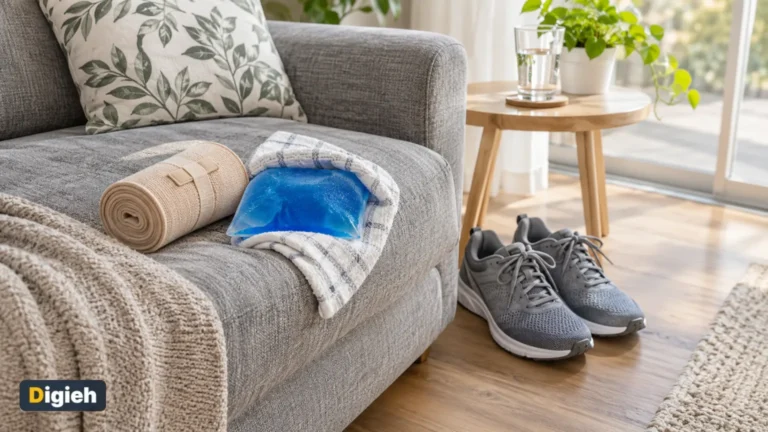
- Hold a wrapped ice pack on the bunion for up to 5 minutes at a time.
- Take paracetamol or ibuprofen if needed and safe for you.
- Lose weight if you are overweight.
- Ask a podiatrist about insoles or toe spacers to ease pain.
These steps follow the National Health Service. They ease pain but cannot get rid of a bunion.
Try this today. Try shoes on in the afternoon, when feet are slightly bigger. Shoes that fit then will not squeeze later.
Choosing Shoes
- Pick a wide, deep toe box.
- Leave a thumb’s width between your longest toe and the shoe end.
- Choose soft uppers that do not press on the bump.
- Keep heels low.
- Avoid pointed toes.
Good shoes help with many foot problems. See our tips on shoes and insoles in our guide to plantar fasciitis.
Bunion Surgery
A doctor may refer you to a specialist if a bunion is very painful or affects your daily life. Surgery is not done just to improve appearance, the National Health Service says.
The most common operation straightens the toe bone and fixes it with small screws or staples. Most people go home the same day.
Recovery Timeline
| Stage | Rough timing |
|---|---|
| Keep the foot raised | At least 2 weeks |
| No driving | 6 to 8 weeks |
| Off work | 2 to 12 weeks, depending on the job |
| No sport | 3 to 6 months |
Source: National Health Service, checked November 25, 2026. Your surgeon will give personal advice.
After surgery, toes may be stiffer, not perfectly straight, or still painful. Bunions can also come back.
Free updates
Join the Digieh list
Be the first to know when our weekly brief launches.
No spam. Unsubscribe anytime. Read our Privacy Policy.
Complications
- Bursitis: painful swelling of fluid-filled pads near the joint.
- Hammertoe: a bend in the middle joint of a nearby toe.
- Ball-of-foot pain: pain and swelling under the foot.
These complications are listed by Mayo Clinic.
If You Have Diabetes
Diabetes can reduce feeling in the feet, so rubbing from a bunion may cause sores you do not notice. See a doctor or podiatrist rather than treating it yourself.
Check your feet daily. Learn more foot care tips in our ingrown toenail guide.
Exercises for Toe Comfort
Gentle toe exercises may help keep the joint moving and ease stiffness. They do not straighten a bunion.
- Spread your toes wide, hold for 5 seconds, then relax.
- Pick up a small towel with your toes.
- Roll a tennis ball under the sole of your foot.
- Point and flex your toes slowly.
Stop any exercise that causes sharp pain, and ask a physiotherapist or podiatrist for a plan.
Corns and Hard Skin
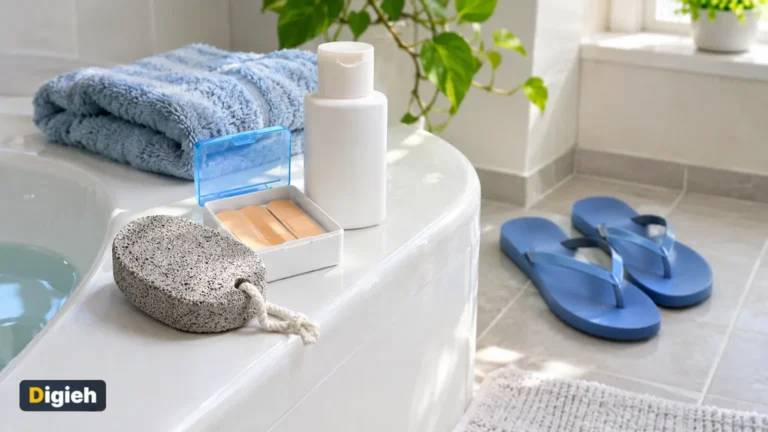
Bunions often rub inside shoes and cause corns or calluses. Soaking feet and using a pumice stone gently can help soften hard skin.
- Use soft pads to protect rubbing areas.
- Moisturise feet daily.
- Do not cut corns yourself.
- See a podiatrist for painful corns.
Dry, cracked feet can add to the pain. See our guide to fixing dry, cracked heels.
Work and Sport
Jobs that involve standing all day or tight safety shoes can make bunion pain worse. Ask about wider safety footwear if you need it.
For sport, choose trainers with a wide toe box. Some brands make wide fittings, which can make a big difference.
Bunions in Teenagers
Young people can get bunions too, often when they run in the family. Comfortable, wide shoes are especially important while feet are still growing.
Surgery is usually delayed until the feet have stopped growing, unless pain is severe. A podiatrist can suggest comfortable options in the meantime.
What is the only way to remove a bunion?
- Surgery
- Bunion correctors
- Ice packs
Home care eases pain, but surgery is the only way to remove a bunion.
Bunion Myths
- Correctors straighten bunions. Splints and spacers may ease pain but do not fix the bone.
- Only women get bunions. Men get them too, though less often.
- Surgery is quick and easy. Recovery can take months.
- Flat shoes are always best. Very flat, thin soles can hurt too, so choose cushioned, supportive shoes.
- A bunion is just extra bone. It is mainly the joint pushing out of line.
When to Get Help
See a doctor or podiatrist if pain has not improved after a few weeks of home care. Also go if it stops you doing normal activities. Also get help if your bunion is getting worse, the National Health Service advises.
Always get foot problems checked if you have diabetes.
Questions to Ask Your Doctor
- Is this a bunion or another joint problem?
- Would insoles or toe spacers help my pain?
- Should I see a podiatrist?
- Am I a good candidate for surgery?
- How long will recovery take?
- Could the bunion come back after surgery?
Frequently Asked Questions
Can bunions go away without surgery?
No, but home care can ease pain and slow discomfort.
Do bunion correctors work?
They may ease pain but do not straighten the bone.
What shoes are best for bunions?
Wide, low-heeled shoes with soft uppers.
Are bunions hereditary?
Often. Inherited foot shape plays a big role in who gets them.
Sources
Conclusion
Bunions are common and often run in families. The right shoes and simple care keep most people comfortable for many years.
Next step: check your shoes for a wide toe box and low heel today. See a podiatrist if pain does not ease in a few weeks.
Editor’s Note
This article is accurate as of November 25, 2026. Facts come from the National Health Service, Mayo Clinic and MedlinePlus.
Spot an error in this article? Please contact us at support@digieh.com or read our Corrections Policy.
Keep exploring
Your next read is waiting
 1HealthTennis Elbow: Causes, Exercises and Recovery Time Explained7 min read
 2Finance & MarketsJensen Huang Returns to Lead Nvidia After Resigning4 min read
 3Parenting & FamilyFood Stamp Rule Could Change Free School Meals4 min read
 4SportsPakistan Shaheens Crush Nepal, Reach Asia Cup Semis3 min read
 5Pets & AnimalsFleas on Dogs and Cats: Treatment and Prevention7 min read
 6AI & TechChatGPT Classic Is Retiring: How to Switch Apps4 min read
Found this useful?