TRENDING
Healthy Lunchbox Ideas Your Kids Will Actually Eat

7 min read
Last updated November 17, 2026
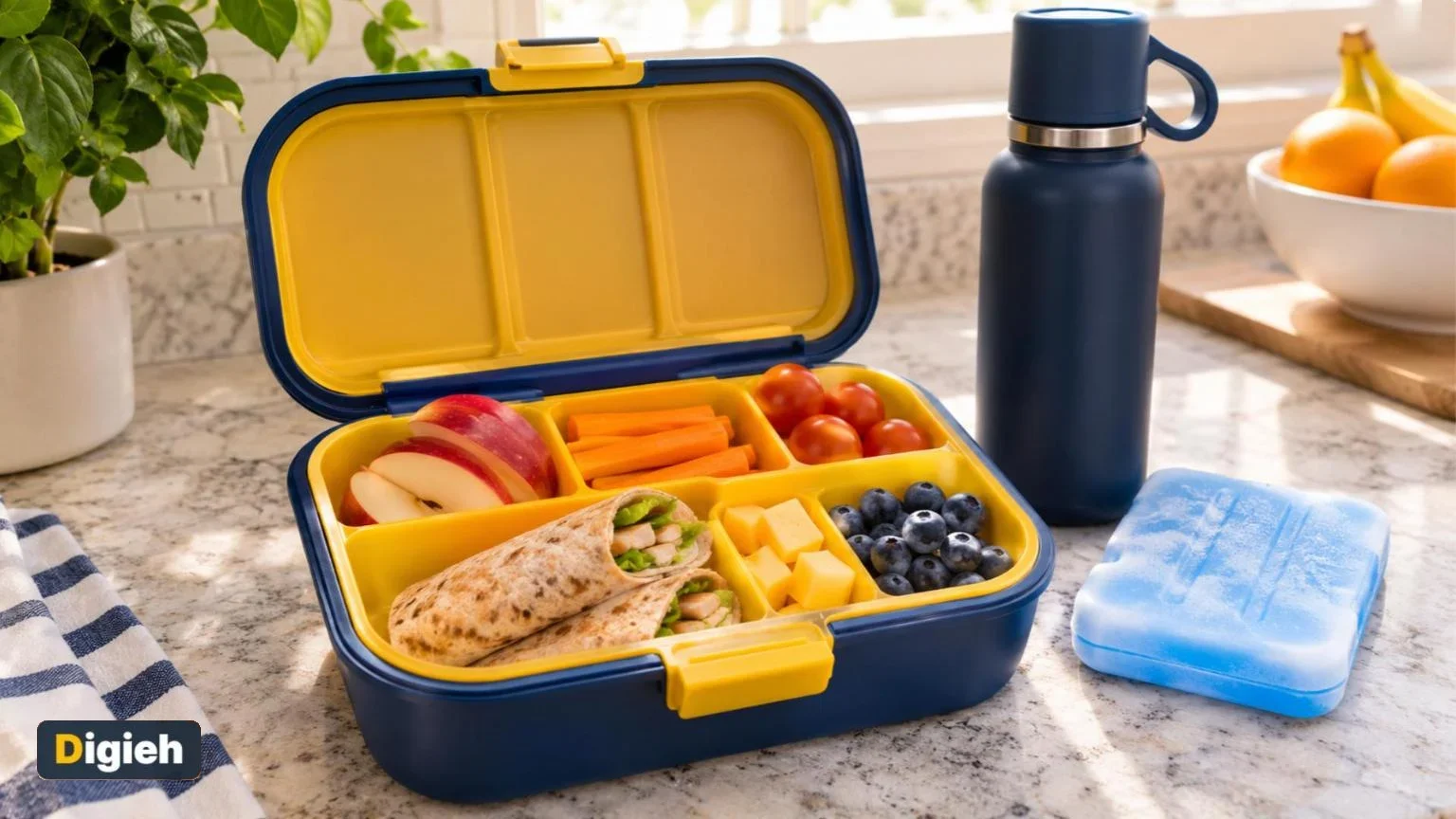
A healthy lunchbox is half fruits and vegetables, a quarter whole grains and a quarter protein, with water to drink. Pack it with two cold packs so food stays safe until lunchtime.
That simple formula comes from Harvard nutrition experts and US food safety officials. This guide turns it into easy ideas your kids will actually eat.
Key Takeaways
- Fill half the lunchbox with fruits and vegetables.
- Add a whole grain and a healthy protein.
- Pack water instead of sugary drinks.
- Use an insulated lunchbox with two cold packs.
- Let kids help choose and pack their lunch.
Jump to a section
- The healthy lunchbox formula
- Mix and match ideas
- A week of lunches
- Keeping lunch safe
- Lunch tips by age
- Tips for picky eaters
- Drinks and snacks
The Healthy Lunchbox Formula
Harvard’s Nutrition Source uses a simple plate model for lunchboxes. It splits the box into clear parts.
| Part of the box | How much | Examples |
|---|---|---|
| Vegetables and fruit | About half | Carrot sticks, cucumber, apple slices, berries |
| Whole grains | About a quarter | Whole grain wrap, brown rice, whole wheat pasta |
| Healthy protein | About a quarter | Beans, eggs, chicken, tofu, nut butter if allowed |
| Extras | Small amount | Cheese, yogurt or a few nuts if allowed |
These proportions follow Harvard’s lunchbox guide, based on its Kid’s Healthy Eating Plate.
Why balance matters
A mix of fiber, protein and healthy fats helps kids feel full through the afternoon. That can make it easier to focus in class.
Fruits and vegetables also add water and vitamins. Whole grains release energy more slowly than white bread or sugary snacks.
Aim for variety
Harvard suggests two or three different fruits and vegetables when you can. Different colors bring different nutrients.
Good to know. Many schools ban nuts because of allergies. Check your school’s food rules before packing nut butters or trail mix.
Mix and Match Lunch Ideas
Harvard recommends a simple build. Choose one fruit, two vegetables, one protein and one whole grain.
| Fruit | Vegetables | Protein | Whole grain |
|---|---|---|---|
| Apple slices | Carrot and cucumber sticks | Hard-boiled egg | Whole grain crackers |
| Grapes, cut for young kids | Cherry tomatoes and peppers | Chicken strips | Whole wheat wrap |
| Orange segments | Snap peas and corn | Hummus | Whole grain pita |
| Blueberries | Broccoli and edamame | Tofu cubes | Brown rice |
| Banana | Celery and cherry tomatoes | Bean salad | Whole wheat pasta |
Homemade dips make vegetables more fun. Try our easy homemade hummus recipe.
Quick tip. Cut food into fun shapes or thread it onto short skewers. Harvard notes that kabobs and bento boxes encourage kids to try more foods.
What is the hardest part of packing school lunches?
- Finding new ideas
- Picky eaters
- Not enough time
- Not sure
A Week of Healthy Lunches
Here is a sample week to get you started. Swap items based on what your child likes.
| Day | Lunchbox |
|---|---|
| Monday | Turkey and veggie wrap, apple slices, carrot sticks, water |
| Tuesday | Pasta salad with beans and peppers, grapes, cucumber, water |
| Wednesday | Hummus with pita, cherry tomatoes, snap peas, orange, water |
| Thursday | Brown rice with chicken and broccoli, berries, water |
| Friday | Egg salad on whole grain bread, celery, banana, water |
Plan and prep ahead
- Wash and cut vegetables for several days at once.
- Cook extra grains and proteins at dinner for next-day lunches.
- Store prepped items in clear containers in the fridge.
- Pack lunches the night before to save morning time.
Harvard suggests batch prepping produce and proteins and letting kids help the night before.
Keeping Lunch Safe Until It Is Eaten
Food safety matters as much as nutrition. Bacteria grow fast in a warm lunchbox.
The US Department of Agriculture (USDA) points to a danger zone between 40 and 140 degrees Fahrenheit. Bacteria multiply quickly in that range.
Keep cold foods cold
- Use an insulated lunchbox, not a paper bag.
- Pack at least two cold sources, such as ice packs.
- Place cold packs above and below foods like meat, eggs and dairy.
- A frozen water bottle or juice box can work as a cold pack.
These tips come straight from the USDA back-to-school guidance. Paper bags tear and let cold air escape.
Keep hot foods hot
Fill an insulated food jar with boiling water for a few minutes, then empty it. Add hot food and close it tightly until lunch.
The USDA says hot food should stay at 140 degrees Fahrenheit or above.
Clean the lunchbox
Wash and sanitize lunchboxes often. Throw away leftover perishable food that sat out for more than two hours.
2Minimum number of cold sources to pack with perishable lunch foods, says the USDA.
Lunch Tips by Age
Children need different lunches as they grow. Adjust the size and style to fit your child.
| Age group | Lunch tips |
|---|---|
| Preschoolers | Cut grapes and cherry tomatoes into quarters, keep portions small and use easy-open containers |
| Early primary | Use bento boxes with small sections and include one familiar favorite |
| Older children | Pack larger portions and let them plan part of the menu |
| Teens | Offer filling grain bowls or wraps, and teach them to pack their own |
Young children choke more easily on round foods. Always cut grapes, cherry tomatoes and similar foods into small pieces for them.
Older kids who help plan lunches are more likely to eat them. It also builds useful cooking skills for later.
Free updates
Join the Digieh list
Be the first to know when our weekly brief launches.
No spam. Unsubscribe anytime. Read our Privacy Policy.
Tips for Picky Eaters
Picky eating is common in young children. Patience and small steps usually work better than pressure.
- Include one food you know your child likes in every lunch.
- Offer new foods in small amounts next to favorites.
- Let kids choose between two healthy options.
- Involve them in shopping and packing.
- Ask what they ate and what they skipped, without judging.
Repeated, relaxed exposure helps kids accept new foods over time. Do not give up after one rejected carrot.
Curious kids may enjoy learning why foods matter. Our articles on blueberries and carrots and eyesight make fun talking points.
Budget-Friendly Lunch Tips
Healthy lunches do not have to cost a lot. A little planning stretches your food budget.
- Buy fruits and vegetables in season, when prices are lower.
- Use frozen vegetables in pasta salads and rice bowls.
- Cook a big batch of beans or grains for the week.
- Buy large tubs of yogurt and portion them into small containers.
- Turn dinner leftovers into next-day lunches.
Reusable containers and bottles also save money over time. They cut down on wrappers and waste too.
Make cleanup easy
Choose containers your child can open and close alone. Ask them to bring everything home, so you can wash and reuse it.
Drinks and Snacks
Water is the best everyday drink for kids. Pack a refillable bottle with every lunch.
Harvard’s guide suggests saving sports drinks for vigorous activity lasting more than an hour. Most school days do not need them.
Watch the added sugar
The American Heart Association (AHA) sets a clear limit for children. It advises about 25 grams of added sugar a day, roughly 6 teaspoons.
It also suggests no more than one 8-ounce sugary drink a week. For children under two, the AHA says added sugars should not be part of their usual diet.
- Choose plain yogurt and add fresh fruit.
- Skip sweetened drinks and pack water or milk.
- Read labels on granola bars, which can hide added sugar.
- Offer fruit as the sweet treat most days.
Smart snack pairs
Pair a protein-rich food with a carb-rich food to keep kids full. Keep portions small.
- Apple slices with roasted chickpeas
- Yogurt with blueberries
- Whole grain crackers with cheese
- Veggie sticks with hummus
Need a make-ahead breakfast or snack? Our easy overnight oats recipe travels well in a small jar.
- Half the box is fruits and vegetables
- Add a whole grain and a protein
- Pack water to drink
- Use two cold packs
- Check school allergy rules
Try this today. Ask your child to pick one fruit and one vegetable for tomorrow’s lunch. Kids eat more of what they choose.
Test Yourself
How much of a healthy lunchbox should be fruits and vegetables?
- About half
- About a tenth
- None
Harvard’s lunchbox guide fills about half the box with fruits and vegetables.
How many cold sources should you pack with perishable food?
- None
- One
- At least two
The USDA recommends at least two cold sources to keep food out of the danger zone.
Frequently Asked Questions
Are sandwiches healthy for school lunch?
Yes, especially on whole grain bread with lean protein and vegetables.
Can I pack leftovers from dinner?
Yes. Keep cold leftovers chilled with ice packs, or hot ones in a preheated food jar.
Is juice a good lunch drink?
Water is better for everyday lunches. Juice adds sugar without much fiber.
How can I save time packing lunches?
Prep ingredients in batches and pack the night before.
Conclusion
A healthy lunchbox does not need to be fancy. Fill half with fruits and vegetables, add a whole grain and protein, pack water and keep it cold.
Your next step is to plan next week’s lunches with your child using the mix and match table above. Small changes really add up quickly.
Found this useful?
Editor’s Note
This guide is accurate as of November 17, 2026. It draws on Harvard’s Nutrition Source and the US Department of Agriculture.
Children have different needs and allergies. Ask your pediatrician or a dietitian for personal advice.
Spot an error in this article? Please contact us at support@digieh.com or read our Corrections Policy.
Keep exploring
Your next read is waiting
 1Education & CareersLinkedIn Profile Tips That Help Recruiters Find You8 min read
 2RecipesEasy Chicken Biryani Recipe for Beginners at Home7 min read
 3TechnologyHow to Convert a PDF to PowerPoint Slides4 min read
 4PhonesShould You Buy a Refurbished Phone? Smart Checks8 min read
 5GamingGaming Eye Strain and the 20-20-20 Rule Explained7 min read
 6InsurancePhone Insurance vs Warranty, Which Do You Need?8 min read