TRENDING
Safe Sleep for Babies, a Simple Parent Checklist

8 min read
Last updated November 17, 2026
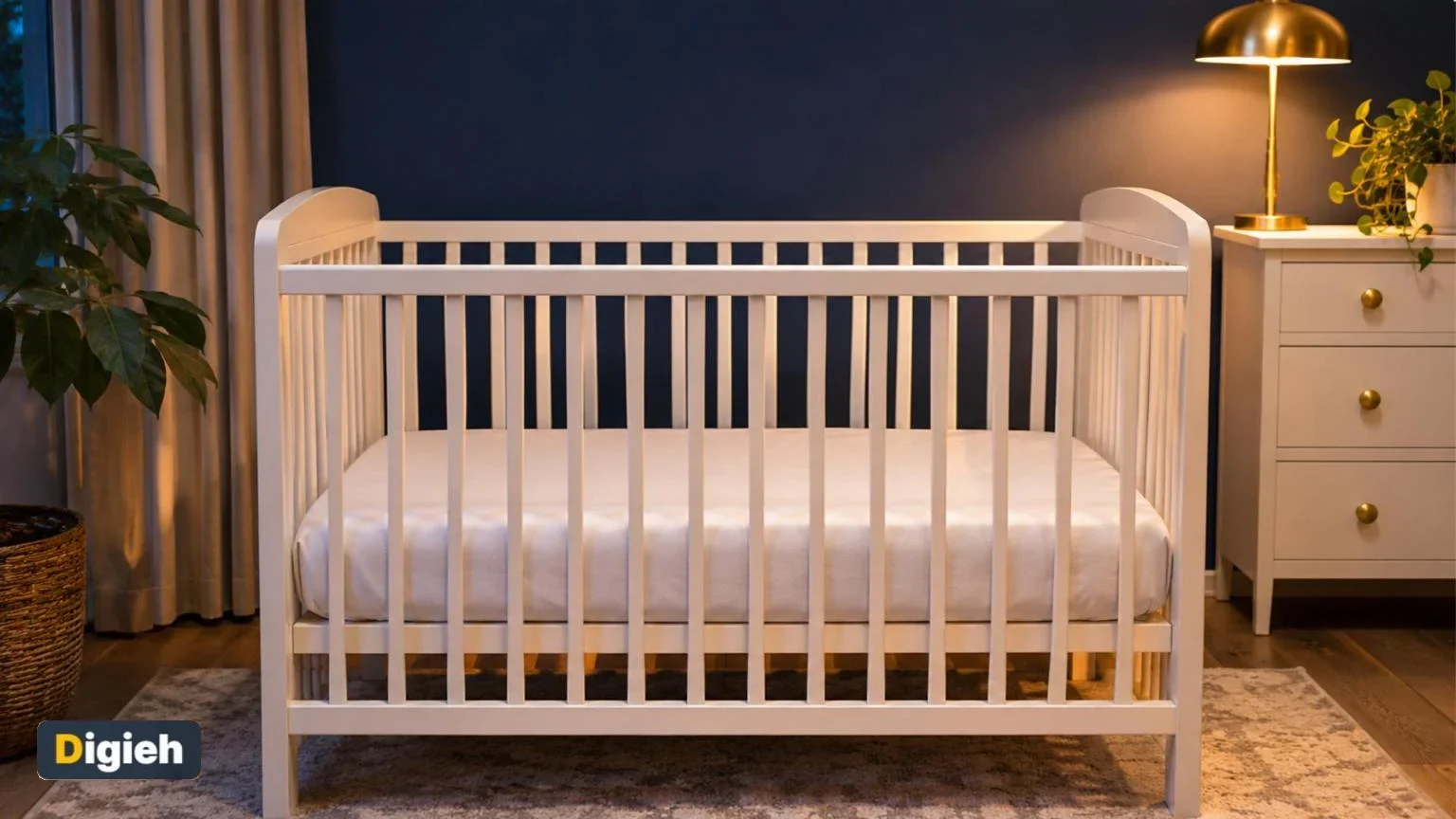
Place your baby on their back for every sleep, alone in a crib or bassinet with only a fitted sheet. Keep the crib in your room, close to your bed, but never share your bed.
These steps come from the US Safe to Sleep campaign and the American Academy of Pediatrics. This guide explains each one in plain words, with a checklist you can keep.
Key Takeaways
- Always place your baby on their back to sleep, until age one.
- Use a firm, flat mattress with only a fitted sheet.
- Keep pillows, blankets, bumpers and toys out of the crib.
- Share a room for at least six months, but not a bed.
- Never let your baby sleep on a couch or armchair.
Jump to a section
- The basics of safe sleep
- Setting up a safe sleep space
- Room sharing without bed sharing
- Clothing, swaddling and temperature
- Products to avoid
- Safe sleep away from home
- When to Get Help
The Basics of Safe Sleep
Many parents remember safe sleep with three simple ideas. Your baby should sleep alone, on their back, in a crib or bassinet.
The American Academy of Pediatrics (AAP) says about 3,500 babies in the United States die suddenly while sleeping each year. Safe sleep habits lower that risk.
| Do | Do not |
|---|---|
| Place baby on their back for every sleep | Place baby on their side or stomach |
| Use a firm, flat mattress | Use soft, sagging or inclined surfaces |
| Use only a fitted sheet | Add pillows, blankets, bumpers or toys |
| Keep the crib in your room | Share your bed with your baby |
| Move baby to the crib if they fall asleep elsewhere | Leave baby asleep in a car seat or swing |
This table summarizes guidance from Safe to Sleep, run by the US National Institutes of Health.
Back to sleep, every time
Place your baby on their back for naps and at night until their first birthday. The AAP warns that the side position is just as dangerous as the stomach.
Once your baby can roll both ways on their own, you do not need to turn them back. Still, always start them on their back.
Good to know. Back sleeping applies to naps too, not just nighttime. Every sleep counts.
Setting Up a Safe Sleep Space
A safe sleep space is simple and almost empty. The CPSC sums it up in three words, bare is best.
- Choose a crib, bassinet or play yard that meets federal safety standards.
- Use the firm, flat mattress made for that product.
- Cover it with a tight fitted sheet only.
- Remove pillows, blankets, bumpers, toys and positioners.
- Keep cords, curtains and heaters away from the crib.
Avoid inclined surfaces
The AAP says any surface inclined more than 10 degrees is not safe for sleep. That includes many rockers, swings and gliders.
Check the crib itself
Make sure the mattress fits snugly, with no gaps at the sides. Check that no slats or screws are missing or loose.
Older or secondhand cribs may not meet today’s standards. Look up any recall before you use one at home.
Skip weighted items
The CPSC warns against weighted blankets and weighted swaddles for infants. Use a light wearable blanket or layers instead.
Quick tip. Check the crib each night before you lay your baby down. Remove anything that slipped in during the day, like burp cloths or toys.
Which safe sleep tip was new to you?
- No bumpers or blankets
- No inclined sleepers
- Room share, not bed share
- Not sure
Room Sharing Without Bed Sharing
Keeping your baby close makes night feeds easier and helps you respond quickly. But your baby needs their own sleep surface.
Safe to Sleep advises room sharing for at least the first six months. Place the crib or bassinet near your bed.
Why not share a bed?
Adult beds have soft mattresses, pillows and covers that can block a baby’s breathing. A tired parent may also roll closer during sleep.
Couches and armchairs are riskier still
The AAP says the risk of sleep-related death is up to 67 times higher on couches, armchairs and cushions. If you feel sleepy while feeding, put your baby back in the crib.
67xHigher risk of sleep-related infant death when sleeping on a couch or soft armchair, says the AAP.
Clothing, Swaddling and Temperature
Babies can overheat easily. Dress them for the room, not for outdoors.
- Dress your baby in about one more layer than you would wear.
- Skip hats indoors once your baby is home.
- Keep your baby’s head and face uncovered during sleep.
- Watch for sweating, a hot chest or flushed skin.
These tips follow the AAP safe sleep guide. A light sleep sack or wearable blanket can replace loose blankets.
When to stop swaddling
Safe to Sleep says to stop swaddling once your baby starts trying to roll. That usually happens around three months.
Other steps that lower risk
- Feed breast milk if you can, ideally for about six months.
- Offer a pacifier at sleep time once feeding is going well.
- Keep your home free of smoke, vaping, alcohol and drugs.
- Go to all well-baby checkups and stay up to date on vaccines.
- Give supervised tummy time every day while your baby is awake.
Free updates
Join the Digieh list
Be the first to know when our weekly brief launches.
No spam. Unsubscribe anytime. Read our Privacy Policy.
Products to Avoid
Many baby products promise better sleep. Not all of them are safe.
| Product | Why to avoid it |
|---|---|
| Crib bumpers | Banned in the United States, and they can block breathing |
| Inclined sleepers or rockers | Surfaces over 10 degrees are not safe for sleep |
| Weighted blankets or swaddles | The CPSC warns against them for infants |
| Pillows and positioners | Soft items raise the risk of suffocation |
| Monitors that claim to prevent SIDS | No proof they lower the risk |
Safe to Sleep also advises against products or monitors that claim to prevent SIDS. The AAP agrees there is no evidence they help.
Car seats and swings
Car seats are for travel, not routine sleep. Did your baby fall asleep in a car seat, stroller or swing? Move them to a flat crib once you can.
Planning a trip? Our guide on traveling with kids has packing ideas that include a portable sleep space.
Safe Sleep Away From Home
Your baby may sleep at daycare, with grandparents or in a hotel. The same rules apply everywhere.
- Ask caregivers to place your baby on their back every time.
- Check that the crib or play yard is empty except for a fitted sheet.
- Bring a portable crib or play yard when you travel.
- Never let a relative nap with your baby on a couch.
Grandparents may remember older advice, like placing babies on their stomachs. Share this guide kindly, and explain that the advice has changed.
Tummy time while awake
Back sleeping is for sleep, but awake time is different. The AAP recommends supervised tummy time every day.
Tummy time helps your baby build neck and shoulder strength. Start with a few minutes at a time, always while you are watching.
When to Get Help
Call your local emergency number right away if your baby is not breathing, turns blue or will not wake. If you know infant CPR, start it while you wait.
Call your baby’s doctor if you notice breathing pauses, unusual sleepiness, a fever in a young baby or trouble feeding. Our guide to RSV symptoms explains one common cause of breathing trouble in infants.
Fit carbon monoxide and smoke alarms near sleeping areas. Our guide to carbon monoxide poisoning signs explains why they matter.
Good to know. This article is for information only and is not medical advice. Ask your baby’s doctor about safe sleep for your child, especially if they were born early or have health needs.
- Back to sleep for every nap and night
- Firm, flat mattress with a fitted sheet only
- No pillows, blankets, bumpers or toys
- Crib in your room, not your bed
- No sleeping on couches or in car seats
Try this today. Share this checklist with everyone who cares for your baby, including grandparents and sitters.
Test Yourself
What should be in your baby’s crib during sleep?
- A soft pillow and blanket
- Only a fitted sheet
- Bumpers and a toy
Bare is best. A fitted sheet on a firm, flat mattress is all your baby needs.
How long should babies room-share with parents?
- One week
- One month
- At least six months
Safe to Sleep advises room sharing, without bed sharing, for at least the first six months.
Frequently Asked Questions
Can my baby sleep on their side?
No. The AAP says side sleeping is as risky as stomach sleeping. Always use the back position.
When can my baby have a blanket?
Keep blankets out of the crib for at least the first year. Ask your doctor when your child is ready.
Is it safe to let my baby nap in a swing?
No. Move your baby to a flat crib or bassinet once they fall asleep.
What if my baby rolls onto their stomach?
If your baby can roll both ways alone, you can leave them. Always start them on their back.
Conclusion
Safe sleep is simple. Put your baby on their back, alone, in a bare crib in your room, every single time.
Your next step is to check your baby’s sleep space tonight against the checklist above.
Found this useful?
Editor’s Note
This guide is accurate as of November 17, 2026. It draws on the US Safe to Sleep campaign and the American Academy of Pediatrics. It also uses advice from the US Consumer Product Safety Commission.
Advice can change as research grows. Check with your pediatrician for the latest guidance.
Spot an error in this article? Please contact us at support@digieh.com or read our Corrections Policy.
Keep exploring
Your next read is waiting
 1Fitness & ExerciseDesk Stretches to Ease Neck and Back Stiffness7 min read
 2RecipesEasy Chicken Biryani Recipe for Beginners at Home7 min read
 3Education & CareersHow to Write a Professional Email, With Examples8 min read
 4Parenting & FamilyHow to Childproof Your Home, Room by Room7 min read
 5InsuranceHealth Insurance Terms Explained Simply With Real Examples8 min read
 6TechnologyHow to Convert Word to PDF Without Losing Layout4 min read