TRENDING
Carbon Monoxide Poisoning Signs Every Family Should Know

10 min read
Last updated November 8, 2026
Carbon monoxide poisoning often starts with a headache, dizziness, weakness, nausea or confusion. These signs can feel like the flu, which makes the danger easy to miss.
Do several people at home feel sick at the same time? Do symptoms fade when you leave the house?
If so, carbon monoxide could be the cause. Get everyone to fresh air and call 911 right away.
This guide explains the warning signs, common winter sources and the simple steps that protect your family.
This article shares general health information, not medical advice. In an emergency, call 911.
Key Takeaways
- Carbon monoxide has no color, smell or taste.
- Early symptoms often feel like the flu.
- More than 400 Americans die from it each year, federal health officials say.
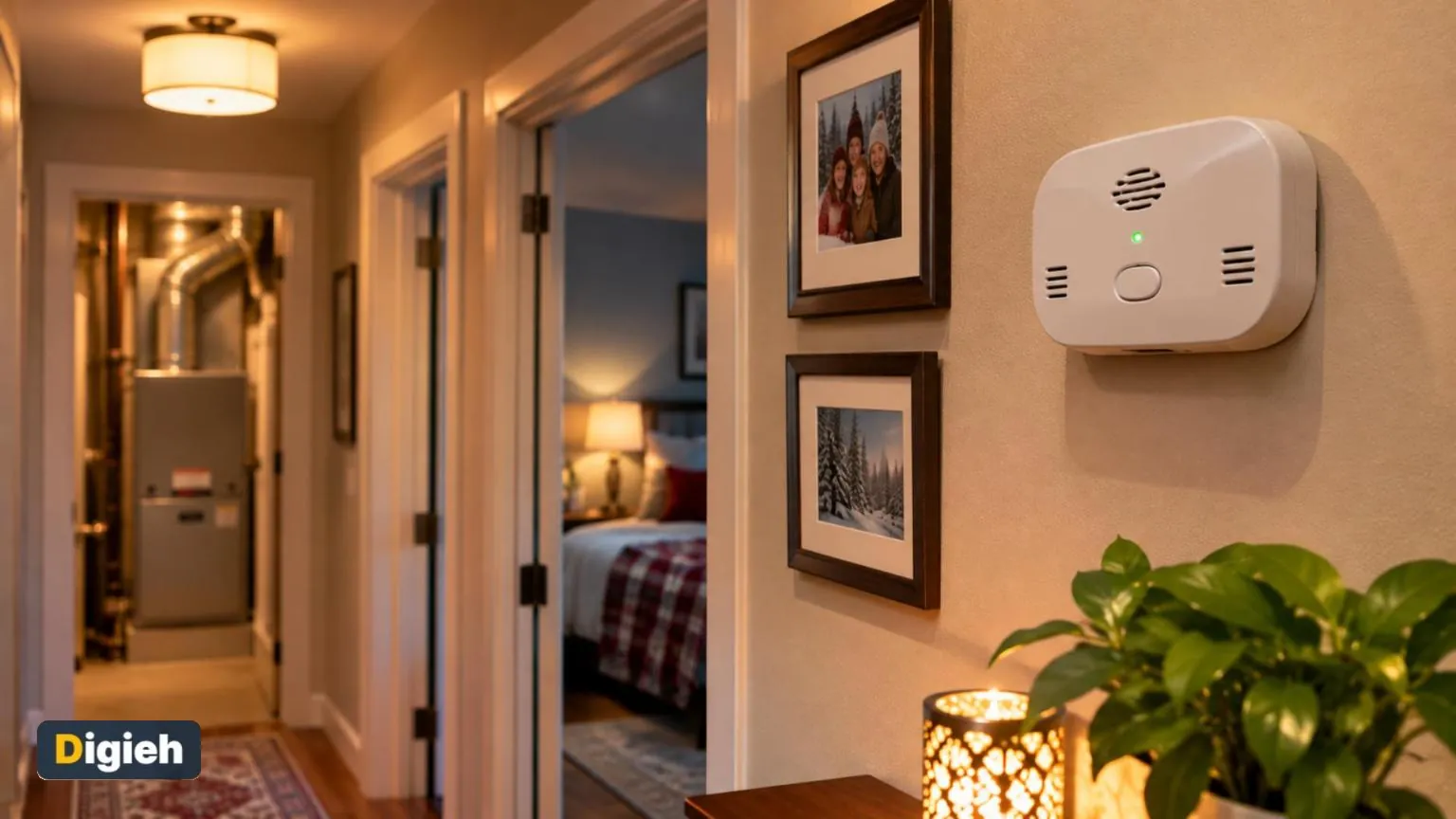
- Place alarms near every sleeping area and on every level.
- Run generators outdoors only, far from windows and doors.
400+Americans who die each year from carbon monoxide poisoning not linked to fires, according to federal health officials.
What Is Carbon Monoxide?
Carbon monoxide (CO) is a gas made when fuel burns. Furnaces, gas stoves, fireplaces, cars and generators can all produce it.
You cannot see, smell or taste it. That is why people sometimes call it a silent killer.
When you breathe it in, carbon monoxide replaces oxygen in your blood. Your heart, brain and other organs then struggle to get the oxygen they need.
How Common Is It?
Each year, more than 400 Americans die from carbon monoxide poisoning not linked to fires. The Centers for Disease Control and Prevention (CDC) shares that figure on its carbon monoxide basics page.
The agency adds that more than 100,000 people visit an emergency room each year. More than 14,000 end up in the hospital.
Cases rise in winter, when furnaces run more and people use generators during storms. Closed windows also trap gas indoors.
Do you have a carbon monoxide alarm on every level of your home?
- Yes, on every level
- Only one alarm
- No alarms yet
- Not sure
Warning Signs to Watch For
Federal health officials list these common symptoms.
- Headache
- Dizziness
- Weakness
- Upset stomach or vomiting
- Chest pain
- Confusion
Heavy exposure can cause people to pass out or die. People who are asleep or have been drinking can die before they notice any symptoms.
Clues It Might Be Carbon Monoxide
Several people feel sick at once. A virus usually spreads over days, while carbon monoxide affects everyone in the space at the same time.
Pets act ill too. Animals can show sluggishness or vomiting along with people.
You feel better away from home. Symptoms that fade at work or outdoors and return at home are a red flag.
Symptoms start when an appliance runs. Pay attention if you feel worse when the furnace, stove or fireplace is on.
Not sure whether it is the flu? Our guide to flu, cold and coronavirus disease 2019 (COVID-19) symptoms explains common illness signs.
Quick tip. Write the date on the back of each new alarm. Most alarms need replacing after several years.
Who Faces the Highest Risk?
Everyone is at risk, the agency says. Some groups are more likely to become seriously ill.
- Infants
- Older adults
- People with long-term heart disease
- People with anemia or breathing problems
Unborn babies are also vulnerable, so pregnant people should take extra care. Pets can be affected too.
Common Winter Sources
The agency lists many everyday sources of carbon monoxide.
- Gas and oil furnaces
- Portable generators
- Charcoal grills
- Cars and small engines
- Gas stoves and ranges
- Fireplaces and lanterns
Problems happen when these appliances do not vent properly or run in closed spaces. A blocked chimney or a cracked furnace part can leak gas into your home.
Good to know. Plug-in alarms need backup batteries to keep working during a power outage.
Prevention Steps That Work
Install Carbon Monoxide Alarms
Alarms are the most important protection. The Northern New England Poison Center calls an alarm your top tool for avoiding poisoning, in its carbon monoxide guide.
Place an alarm near each sleeping area and at least one on every floor. Follow the maker’s directions for placement and batteries.
Choose the Right Alarm
Choose battery-operated alarms or ones with battery backup. The Consumer Product Safety Commission (CPSC) gives that advice in its January 2026 winter safety release. Interconnected alarms are best, since they all sound when one goes off.
Test alarms monthly. The commission advises replacing batteries at least once a year, unless your alarm has a sealed 10-year battery.
Service Fuel-Burning Appliances
Have your furnace, water heater and other fuel-burning appliances checked every year. Federal health officials also recommend a yearly chimney check or cleaning.
Use Generators Safely
Run portable generators outdoors only, more than 20 feet from windows, doors and vents. Never run one inside a home, basement or garage, even with the door open.
Never Heat Indoors With Outdoor Gear
Do not burn charcoal indoors or use camp stoves inside. Never use a gas oven to heat your home.
Watch Your Car
Never leave a car running in an attached garage, even with the door open. After a snowstorm, clear snow from the tailpipe before starting the engine.
- Alarm near every sleeping area
- Alarm on every level
- Test alarms monthly
- Yearly furnace and chimney check
- Generators 20+ feet from the house
- Never run a car in the garage
What to Do If an Alarm Sounds
Treat every alarm as real. Do not try to find the source first.
The Northern New England Poison Center lists three steps. Get to fresh air right away and call 911 or your fire department. Then call the poison center for advice while you wait.
The national Poison Help line is 1-800-222-1222. You can also text the word poison to 85511, the center notes.
Do not go back inside until emergency responders say it is safe. Have the appliance checked before using it again.
What should you do first when a carbon monoxide alarm sounds?
- Search for the source
- Get everyone to fresh air
- Open a window and stay inside
Leave the home first, then call 911 from outside.
Replacing Old Alarms
Alarms do not last forever. Federal health officials advise replacing detectors as the maker directs, or every five years.
Check batteries when clocks change in spring and fall. That simple habit makes it easy to remember.
If an alarm chirps, it may need a new battery or a full replacement. Read the label or manual to know which.
Renters and Apartment Living
Renters face carbon monoxide risks too, especially in buildings with shared heating systems or attached garages. Check that your unit has working alarms near the bedrooms.
If you do not see one, ask your landlord. Check your local rules too, since some areas require alarms in rental homes.
You can also buy a battery-powered alarm for extra peace of mind. It moves with you when you change homes.
Teach Your Family the Plan
Everyone in your home should know what the alarm sounds like and what to do. Press the test button together so kids recognize the sound.
Pick a meeting spot outside, like a neighbor’s porch or the end of the driveway. Practice leaving quickly, just as you would for a fire drill.
Post the Poison Help number on the fridge and save it in every phone. In a stressful moment, a clear plan helps everyone act fast.
Remind older kids and babysitters never to ignore an alarm. Leaving first and asking questions later is always the safe choice.
Free updates
Join the Digieh list
Be the first to know when our weekly brief launches.
No spam. Unsubscribe anytime. Read our Privacy Policy.
Power Outages and Winter Storms
Storms bring a spike in carbon monoxide cases. People turn to generators, grills and other fuel-burning devices when the power goes out.
Plan ahead with safe options like extra blankets, warm layers and battery-powered lights. Keep generators outside and well away from the house.
Know what storm alerts mean with our guide to winter storm watch vs warning. If you drive in snow, pack a winter car emergency kit.
Space Heaters and Fireplaces
Electric space heaters do not make carbon monoxide. Fuel-burning heaters, like kerosene or propane models, can.
If you use a fuel-burning heater, choose one approved for indoor use and follow every instruction. Our space heater safety tips cover safe setup.
For fireplaces, open the damper before lighting a fire and keep it open until the ashes cool. Have the chimney inspected each year.
Holiday candles and decorations bring other risks. See our holiday fire safety tips for more.
How far from your home should a portable generator run?
- Inside the garage
- Right next to a window
- More than 20 feet from windows and doors
Federal health officials advise running generators outdoors, more than 20 feet away.
Holiday Gatherings and Cooking
Big holiday meals can mean ovens and stovetops running for hours. Make sure your kitchen has good airflow and your range hood vents outdoors when possible.
Never use a gas oven or stovetop to heat your home. That practice can raise carbon monoxide levels quickly.
If you fry a turkey or grill for a crowd, do it outdoors only, away from the house and garage. Keep doors and windows closed near the cooking area.
Cars, Garages and Snow
Cars produce carbon monoxide every time they run. In winter, people sometimes warm up their cars in the garage, which is dangerous.
Pull the car outside before letting it idle. After heavy snow, clear the tailpipe and the area around it.
If you get stuck in snow, run the engine only in short bursts. Crack a window and keep the exhaust pipe clear of snow.
When to Get Help
Call 911 right away if someone has symptoms of carbon monoxide poisoning or if your alarm sounds. Move everyone, including pets, to fresh air first.
Get emergency care immediately for these signs.
- Fainting or trouble waking up
- Confusion or trouble thinking
- Chest pain or a racing heartbeat
- Trouble breathing
- Seizures
Even mild symptoms deserve a call to the poison center or a doctor. Carbon monoxide can harm the heart and brain, sometimes after symptoms ease.
Add to calendar
A Quick Home Safety Walk-Through
Take 15 minutes this weekend to check your home. A simple walk-through can catch problems before they become emergencies.
Bedrooms. Make sure an alarm sits near every sleeping area. Press the test button to hear it sound.
Furnace area. Look for soot, rust or water around the furnace. Keep the area clear of boxes and clutter.
Fireplace. Check that the damper opens fully and the chimney has been inspected this year.
Garage. Make sure no one warms up a car inside. Store generators and fuel safely, away from living spaces.
Kitchen. Watch for yellow or flickering flames on a gas stove. A healthy flame usually burns blue, so call a technician if yours looks different.
Myths About Carbon Monoxide
Myth One
You can smell a leak. Carbon monoxide has no odor, so only an alarm can warn you.
Myth Two
Opening the garage door makes running a car safe. Federal health officials warn never to run a car in an attached garage, even with the door open.
Myth Three
Smoke alarms detect carbon monoxide. Many do not, unless they are combination alarms. Check the label on yours.
Try this today. Press the test button on every carbon monoxide alarm in your home. Note any rooms near bedrooms that still need one.
Frequently Asked Questions
What are the first signs of carbon monoxide poisoning?
Headache, dizziness, weakness, nausea and confusion are common early signs.
Where should I put a carbon monoxide alarm?
Place one near each sleeping area and on every level of your home.
Can carbon monoxide poisoning feel like the flu?
Yes. Federal health officials describe the symptoms as often flu-like.
How far should a generator be from my house?
Run it outdoors, more than 20 feet from windows, doors and vents.
What should I do if my carbon monoxide alarm goes off?
Get to fresh air, call 911 and stay out until responders say it is safe.
Conclusion
Carbon monoxide is invisible, but the warning signs are clear once you know them. Headaches, dizziness and flu-like illness in several people at once deserve quick action.
Install alarms, service your appliances each year and keep generators outdoors. These steps help your family stay safe all winter.
Found this useful?
Editor’s Note
This article is accurate as of November 8, 2026. It draws on guidance from federal health officials, the Consumer Product Safety Commission and the Northern New England Poison Center. It is general information, not medical advice.
Spot an error in this article? Please contact us at support@digieh.com or read our Corrections Policy.
Keep exploring
Your next read is waiting
 1Finance & MarketsStocking Stuffer Ideas Under $25 That Feel Special10 min read
 2HealthRSV Symptoms in Adults and Kids: Essential Guide10 min read
 3Food & LifestyleFun Thanksgiving Trivia Questions for the Whole Family9 min read
 4SportsEssential Skiing Tips for Beginners on the Slopes10 min read
 5TechnologySpeed Up a Slow Computer With Proven Fixes10 min read
 6EntertainmentBest Thanksgiving Movies to Watch With the Family9 min read