TRENDING
What to Do Right After a Car Accident

8 min read
Last updated November 17, 2026
After a car accident, check for injuries and call 911 if anyone is hurt. Then move to safety, swap insurance details, take photos and call your insurer.
Those steps keep you safe and protect your claim. This guide covers what to do at the scene, what to say and how the claim works afterward.
Key Takeaways
- Safety comes first, so call 911 if anyone is hurt.
- Share only your name and insurance details with the other driver.
- Take photos of the cars, the scene and the road conditions.
- Stay polite, but do not admit fault at the scene.
- Report the accident to your insurer as soon as possible.
Jump to a section
- What to do at the scene
- Information to collect
- Reporting to your insurer
- Which coverage pays
- Hit-and-run or uninsured drivers
- Working with the adjuster
- If you disagree
What to Do at the Scene
The first minutes matter most. Follow these steps in order, even after a small bump.
- Stay calm and check yourself and passengers for injuries.
- Call 911 if anyone is hurt.
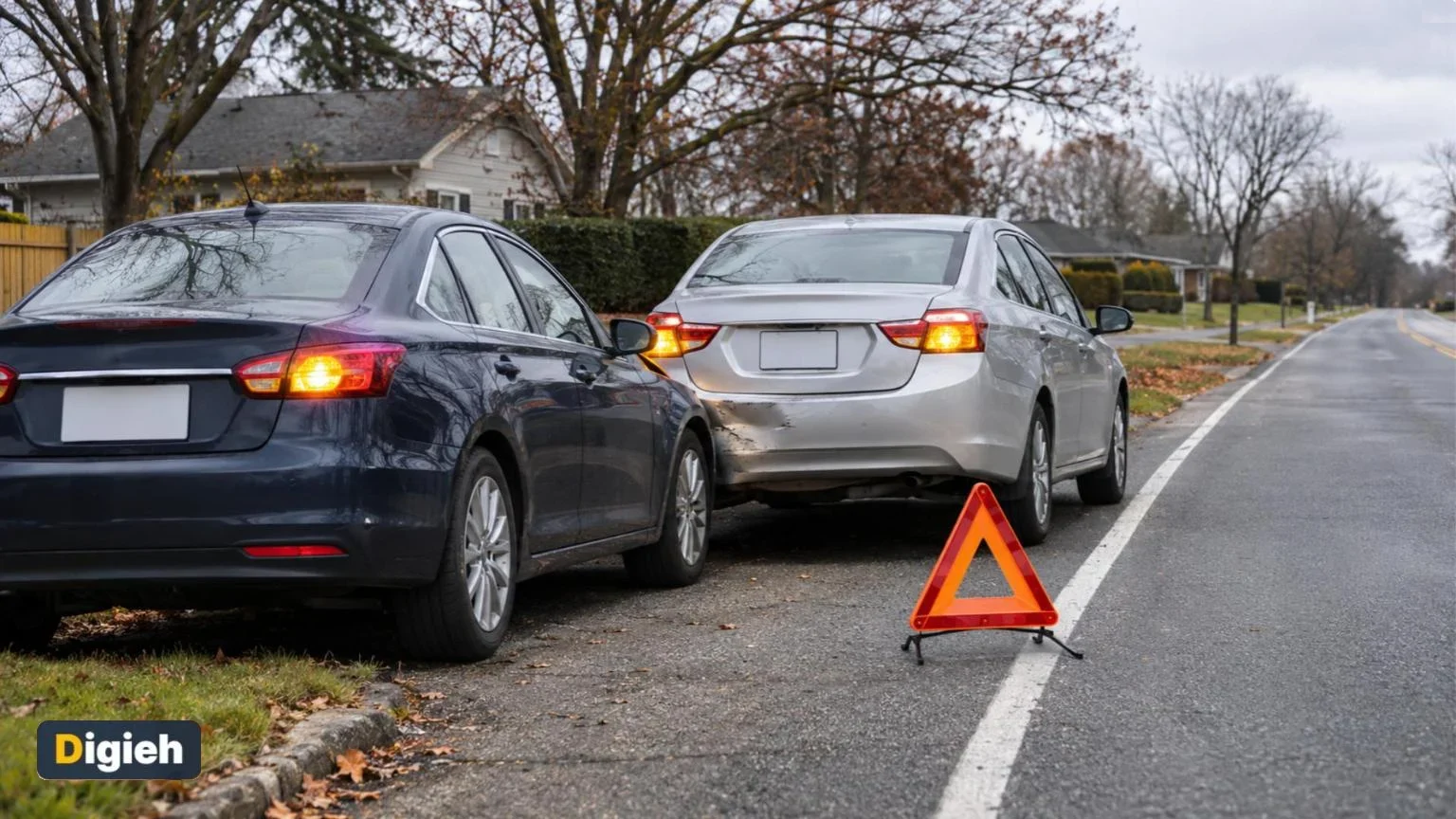
- Turn on your hazard lights.
- Move the car out of traffic if it is drivable and safe to do so.
- Stay inside the car if getting out is unsafe.
- Call the police, especially after injuries, a hit-and-run or a theft.
The National Association of Insurance Commissioners (NAIC) puts it simply. Safety is the priority after a car collision.
If the police come
Get the officer’s name, badge number and contact details. Ask when and where you can get the accident report.
If the police do not come
The NAIC suggests filing an incident report yourself. Your insurer will likely ask for it.
Watch what you say
Be polite and check on the other driver. However, the NAIC advises that you do not admit fault at the scene.
Fault depends on facts you may not know yet. Let the insurers and police sort that out.
Good to know. Some injuries show up hours later. If you feel pain or dizziness after a crash, see a doctor promptly.
Information to Collect
Good notes make your claim faster and harder to dispute. Collect these details before you leave.
| What to collect | Why it matters |
|---|---|
| Other driver’s name and insurance company | Needed to start any claim against them |
| Other car’s make, model, year and plate | Identifies the vehicle in reports |
| Witness names and phone numbers | Supports your account of events |
| Photos of both cars and the scene | Shows damage, positions and conditions |
| Time, date, exact location and weather | Helps rebuild what happened |
| Police report number | Your insurer will ask for it |
This list follows the NAIC auto claim checklist.
What not to share
Drivers generally need to share only names and insurance information. Maine’s insurance bureau notes that extra details can be risky.
The NAIC adds that sharing your home address or license number could expose you to identity fraud.
Photos that help most
- Wide shots showing both cars and the road
- Close-ups of every dent and scratch
- Skid marks, debris and traffic signs nearby
- The other car’s license plate
Quick tip. Keep a copy of your insurance card and registration in the glove box. The NAIC also offers a free WreckCheck app with an accident checklist.
Do you keep your insurance card in your car?
- Yes, a paper copy
- Yes, on my phone
- No
- Not sure
Reporting to Your Insurer
Call the number on your insurance card as soon as you can. Many insurers also let you start a claim in their phone app.
Report while details are fresh in your mind. Have these ready when you call.
- Your policy number
- The police or incident report number
- Your notes, photos and witness details
- The other driver’s insurance information
Your insurer may handle the claim with the other driver’s insurer for you. You may also need to give a recorded interview.
Keep a claim log
Write down the date, time and name for every call with your agent or adjuster. The NAIC recommends tracking all conversations this way.
Which Coverage Pays
The coverage that applies depends on fault, your policy and your state. Here is what each common type does.
| Coverage | What it pays for |
|---|---|
| Liability | Injuries and property damage you cause to others |
| Collision | Damage to your own car from hitting another car or object |
| Comprehensive | Non-crash damage such as theft, fire, storms or broken glass |
| Uninsured motorist | Your injuries when a hit-and-run or uninsured driver is at fault |
| Medical payments or personal injury protection | Medical bills after a crash, depending on your state |
| Rental reimbursement | A rental car while the shop fixes yours, up to a limit |
Definitions come from the NAIC auto insurance guide. Collision and comprehensive are optional, though a lender may require them.
No-fault states
In no-fault states, your own insurer pays your injury losses no matter who caused the crash. Check your state rules to see whether this applies.
When a car is a total loss
For older cars, repairs can cost more than the car is worth. The insurer may then total the car and pay its value instead.
Hit-and-Run or Uninsured Drivers
A hit-and-run feels unfair, but you still have options. Act quickly to protect your claim.
- Call the police right away and report the hit-and-run.
- Write down anything you remember about the other car.
- Ask nearby shops or homes whether a camera caught the crash.
- Tell your insurer and give them the police report number.
The NAIC explains that uninsured motorist coverage protects you directly when a hit-and-run or uninsured driver hurts you.
Some policies also add uninsured motorist property damage coverage. It can help pay when an uninsured driver wrecks your car.
If your car was stolen
Call the police promptly and get a report number. Comprehensive coverage, if you have it, usually handles theft claims.
Free updates
Join the Digieh list
Be the first to know when our weekly brief launches.
No spam. Unsubscribe anytime. Read our Privacy Policy.
Getting Your Car Repaired
Once the insurer approves the claim, repairs can begin. A little planning keeps the process smooth.
- Get a written repair estimate before work starts.
- Ask how long repairs will take and whether parts are in stock.
- Check your rental reimbursement limit before you pick a rental car.
- Inspect the car carefully before you drive it home.
Rental reimbursement is optional coverage with a dollar limit. Keep rental costs inside that limit to avoid paying the difference.
Working With the Adjuster
The insurer assigns an adjuster to inspect the damage and decide on payment. They may be an employee or an outside contractor.
- Cooperate and answer questions honestly.
- Show the adjuster every area of damage.
- Ask for a written explanation of any decision.
- Invite your repair shop to meet the adjuster if needed.
2 thingsUsually all drivers need to share after a crash are names and insurance details, says Maine’s insurance bureau.
If You Disagree With the Settlement
You do not have to accept a payment you feel is unfair. The NAIC says so plainly in its auto claim guidance.
- Ask the adjuster to explain the offer in writing.
- Send repair estimates, photos or receipts that support your case.
- Check your policy for an appraisal clause on value disputes.
- Contact consumer services at your state insurance department.
Claims and your premium
How often you claim, and for what, can affect your price and renewal. For ways to keep costs down, read our guide on how to lower car insurance.
- Keep your insurance card and registration in the car
- Save your insurer’s claim number in your phone
- Install an accident checklist app
- Keep a warning triangle or flares in the trunk
- Know your coverage types before you need them
Prevention is still best. See our tips on driving on black ice and our car maintenance checklist.
This article is for information only and is not legal or financial advice. Rules vary by state.
Try this today. Open your insurer’s app or website and save the claims number in your phone contacts. You will be glad it is there after a crash.
Test Yourself
What should you share with the other driver after a crash?
- Your home address and license number
- Your name and insurance details
- Nothing at all
Drivers generally need to share only names and insurance information.
Which coverage pays to fix your car after you hit a tree?
- Liability
- Comprehensive
- Collision
Collision pays for damage to your own car from hitting an object or another vehicle.
Frequently Asked Questions
Should I call the police after a minor accident?
It is usually wise, and some states require it. If police do not come, file an incident report.
Should I report a small accident to my insurer?
Yes, in most cases. Your policy likely requires prompt notice, even if you do not plan to claim.
Can I choose my own repair shop?
Usually, yes. Ask your insurer how its repair shop rules work before you agree to repairs.
What if the other driver has no insurance?
Uninsured motorist coverage on your own policy may pay for your injuries. Call your insurer to check.
Conclusion
After a car accident, put safety first, then document everything and report quickly. Calm, careful steps at the scene make your claim far smoother.
Your next step is to save your insurer’s claim number in your phone today.
Then add a warning triangle and a printed checklist to your glove box or trunk.
Found this useful?
Editor’s Note
This guide is accurate as of November 17, 2026. It draws on the NAIC and the Maine Bureau of Insurance.
Accident reporting rules and coverage vary by state. Check your own policy and your state insurance department for details.
Spot an error in this article? Please contact us at support@digieh.com or read our Corrections Policy.
Keep exploring
Your next read is waiting
 1GamingHow to Spot and Avoid Gaming Scams Fast8 min read
 2Fitness & ExerciseHeart Rate Zones Explained, With a Free Calculator7 min read
 3Visas & PassportsESTA or B-2 Visa? Easy Guide for Visitors8 min read
 4Parenting & FamilySafe Sleep for Babies, a Simple Parent Checklist8 min read
 5RecipesHomemade Chicken Noodle Soup Recipe for Cold Days6 min read
 6Education & CareersLinkedIn Profile Tips That Help Recruiters Find You8 min read