TRENDING
RSV Symptoms in Adults and Kids: Essential Guide

10 min read
Last updated November 8, 2026
Respiratory syncytial virus (RSV) is a common germ that infects the nose, throat and lungs. Most people catch it as a mild cold, but it can hit babies and older adults much harder.
Cases usually climb in fall and winter. That is the same stretch when flu and colds spread, so it helps to know what this virus looks like.
This guide covers the main symptoms and how long they last. It also explains home care and when to call a doctor.
Key Takeaways
- Symptoms usually show up four to six days after infection.
- Most people feel better within one to two weeks.
- Babies may only seem fussy, tired or slow to eat.
- Trouble breathing always needs prompt medical care.
- A single vaccine dose is advised for many older adults.
1 to 2 weeksHow long most mild cases last, according to federal health officials.
What Is This Virus?
Respiratory syncytial virus spreads through droplets from coughs and sneezes. It also spreads through touching a surface with the virus and then your face.
Most children catch it at least once in early childhood. Adults can catch it again and again throughout life.
For healthy older kids and adults, it often feels like a regular cold. For young infants and older adults, it can lead to lung infections like bronchiolitis and pneumonia.
Common Symptoms
Federal health officials list a familiar set of signs. According to the Centers for Disease Control and Prevention guidance on symptoms and care, they include the following.
- Runny nose
- Stuffy nose or congestion
- Less interest in eating
- Coughing
- Sneezing
- Fever
- Wheezing
These symptoms tend to show up in stages, not all at once. A runny nose and low appetite may come first, with coughing and wheezing a few days later.
Has anyone in your home had a bad cold this season?
- Yes, a baby or child
- Yes, an adult
- No one so far
- Not sure
Symptoms in Babies
Young babies often do not show the classic cold signs. The only clues may be changes in mood or energy.
Watch for a baby who seems unusually cranky or much less active. Some infants also breathe faster or work harder to breathe.
Feeding is another key sign. A baby who drinks far less than usual, or has fewer wet diapers, needs a call to the pediatrician.
How Breathing Trouble Looks
Look at the chest and belly while your baby breathes. Skin pulling in between or under the ribs is a warning sign.
Other signs include flaring nostrils and grunting sounds with each breath. A bluish tint around the lips or nails needs emergency care right away.
Good to know. In very young babies, fussiness, low energy and poor feeding may be the only early signs.
Symptoms in Adults
Most healthy adults get a cold-like illness. You may have a sore throat, cough, congestion and a mild fever.
Some adults feel more run down than with a typical cold. Rest and fluids are usually enough to get through it.
Adults 75 and older face a higher risk of serious illness. So do adults with chronic heart or lung disease, weak immune systems or certain other long-term conditions.
When It Affects Lung Conditions
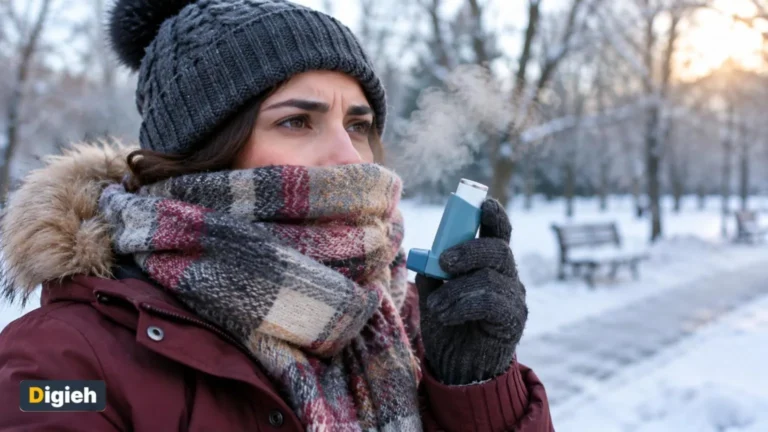
The virus can make existing breathing problems worse. People with asthma may notice more wheezing and need their rescue inhaler more often.
People with chronic obstructive pulmonary disease (COPD) can also have flare-ups. Follow your action plan and call your doctor early if breathing gets harder.
Symptoms in Older Kids
School-age kids and teens usually have mild symptoms. Expect a runny nose, cough and maybe a low fever.
Children with asthma are the exception. A simple cold from this virus can trigger wheezing and an asthma flare.
Keep a close eye on any child with heart or lung problems. Call their doctor at the first sign of trouble breathing.
How Long Does It Last?
Symptoms usually start four to six days after someone is infected. Most mild cases clear up within one to two weeks.
A cough can linger longer than other symptoms. That is normal as the airways heal.
People can spread the virus before they feel sick and while they have symptoms. Babies and people with weak immune systems may spread it for weeks.
| Stage | What to Expect |
|---|---|
| Days 1 to 3 | Runny nose, low appetite, maybe a mild fever |
| Days 3 to 5 | Cough, sneezing and possible wheezing |
| Week 2 | Most symptoms fade, though a cough may linger |
This timeline is a typical pattern, not a rule. Every person and every child can be a little different.
How It Compares to Flu and Colds
This virus, flu and the common cold share many symptoms. You cannot always tell them apart by symptoms alone.
Flu often starts suddenly with high fever and body aches. Colds tend to be milder and build slowly.
A test at the doctor’s office can confirm which virus is causing the illness. That matters most for babies, older adults and anyone at high risk. Our guide to flu vs cold vs covid symptoms breaks down the differences.
How soon do symptoms usually appear after infection?
- Within one hour
- Four to six days
- Three weeks
Symptoms usually start four to six days after someone is infected.
Home Care Tips
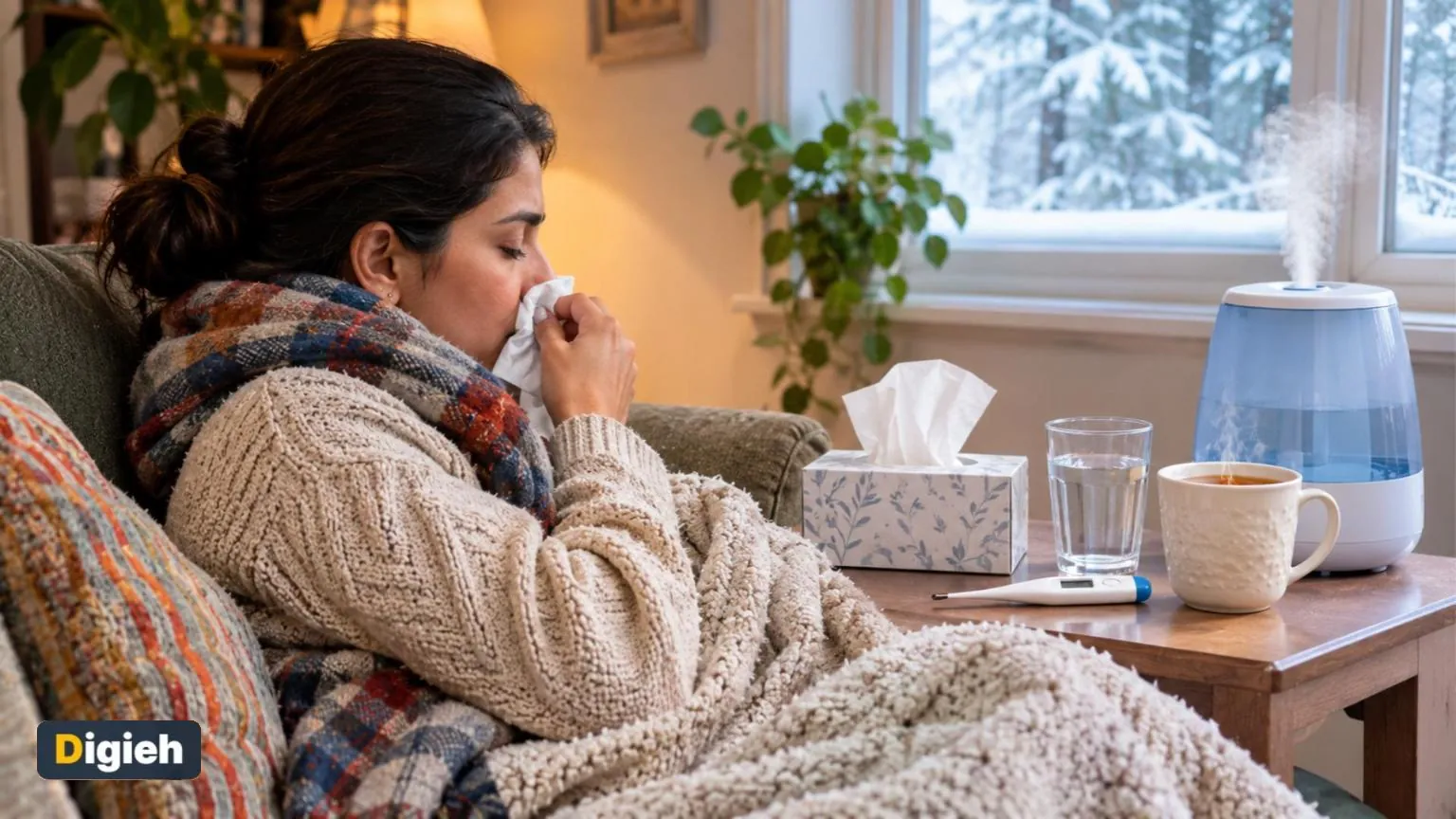
There is no specific cure for mild cases. Care focuses on easing symptoms while the body fights the virus.
Drink plenty of fluids
Water, broth and warm drinks help prevent dehydration. Our winter hydration tips offer easy ways to drink more.
Ease fever and pain
Over-the-counter fever reducers and pain relievers can help. Never give aspirin to children.
Check before giving medicines
Talk to a healthcare provider before giving any over-the-counter medicine to a child. Some cold products contain ingredients that are not safe for kids.
Clear stuffy noses
Saline drops and gentle suction can help babies breathe and feed. A cool-mist humidifier may also ease congestion.
Rest as much as possible
Sleep gives your body energy to recover. Let kids nap and take quiet time at home.
Quick tip. Use saline drops and gentle suction about 15 minutes before a feeding. A clearer nose can help a baby drink more.
Antiviral medicine is not routinely used for this virus. Your doctor will decide if any treatment beyond home care is needed.
- Offer fluids often
- Track wet diapers for babies
- Check temperature twice a day
- Use saline and a humidifier
- Skip aspirin for children
- Watch for breathing changes
Try this today. Write your pediatrician’s after-hours number on the fridge. Add a note to watch breathing, drinking and wet diapers.
Caring for a Sick Baby at Home
Sick babies need extra attention, even with a mild case. Small changes in breathing or feeding can matter.
Keep feedings small and frequent
A stuffy nose makes it hard to suck and breathe at the same time. Offer shorter feeds more often if your baby tires quickly.
Track wet diapers
Write down each wet diaper during the day. A sudden drop is an early sign your baby is not getting enough fluid.
Raise comfort, not risk
Hold your baby upright while awake to ease breathing. Always place babies on their back to sleep on a firm, flat surface.
Check in at night
Symptoms can seem worse after dark. Look in on your baby often and listen for fast or noisy breathing.
Free updates
Join the Digieh list
Be the first to know when our weekly brief launches.
No spam. Unsubscribe anytime. Read our Privacy Policy.
Caring for an Older Adult
Older adults may not run a high fever, even when they are quite sick. Confusion, weakness or a big drop in appetite can be clues.
Help them drink fluids throughout the day. Keep water, broth or tea within easy reach of their chair or bed.
Watch for shortness of breath during simple tasks like walking to the bathroom. That change deserves a call to their doctor.
If they have heart disease, keep an eye out for new swelling or tiredness. Illness can put extra strain on the heart.
Other Winter Illnesses to Know
Not every winter sniffle comes from this virus. Allergies and bacterial infections can look similar at first.
Itchy eyes and sneezing without fever may point to indoor allergies. Read our guide to winter allergies vs cold symptoms to spot the difference.
A very sore throat with fever and no cough could be something else. Our article on strep throat signs and recovery explains when a test makes sense.
Who Can Get Protected?
Protection options now exist for the groups at highest risk. They are older adults and young babies.
Vaccines for Older Adults
According to the federal guidance on adult vaccines, all adults 75 and older should get one dose. Adults 50 to 74 at higher risk of severe illness should also get one.
It is a single dose, not a yearly shot. Protection lasts at least two years, and a second dose is not advised at this time.
Late summer and early fall is the best time to get vaccinated. It is still worth asking your doctor about it if you missed that window.
Protection for Babies
There are two main ways to protect babies, according to federal guidance on infant immunizations. Most babies need only one of them.
The first is a vaccine given during pregnancy, between 32 and 36 weeks. It is given from September through January, and it protects the baby for about six months after birth.
The second is a preventive antibody shot given to the baby. It is for infants younger than eight months whose mothers did not get the vaccine. It protects for at least five months.
Some high-risk children aged eight to 19 months may also get the antibody shot. Ask your pediatrician whether your child qualifies.
How often do eligible older adults need the vaccine?
- One dose, not yearly
- Every fall
- Every month
It is a single dose, and protection lasts at least two years.
How to Prevent the Spread
Simple habits lower the chance of catching or passing this virus. They also help against flu and colds.
- Wash hands often with soap and water for 20 seconds.
- Cover coughs and sneezes with a tissue or your elbow.
- Avoid close contact, like kissing, when you are sick.
- Clean toys, doorknobs and phones often.
- Stay home from work or school while you are sick.
Keep sick visitors away from newborns. Ask family to wash their hands before holding the baby. Gentle reminders now can spare a newborn a rough winter.
When to Get Help
Call a doctor or other healthcare provider if symptoms get worse or do not improve. Also call if a baby or older adult seems very sick.
Get medical care quickly for these warning signs.
- Trouble breathing or fast, hard breathing
- Skin pulling in around the ribs with each breath
- Not drinking enough or fewer wet diapers
- A high fever in a young baby
- Unusual sleepiness or trouble waking
- Symptoms that get worse after starting to improve
Call 911 or go to the emergency room for severe trouble breathing or lips that look blue. Trust your instincts if something feels wrong.
This article shares general health information, not medical advice. Talk with your healthcare provider about your own situation.
Frequently Asked Questions
Can adults get this virus more than once?
Yes. People can catch it many times throughout life, though later infections are often milder.
How long are people contagious?
Most people can spread it for several days. Babies and people with weak immune systems may spread it for weeks.
Is there a test?
Yes. A doctor can test a swab from the nose to confirm the virus.
Do antibiotics help?
No. Antibiotics treat bacteria, not viruses, so they do not help with this illness.
Can it turn into pneumonia?
It can in some people, especially young babies and older adults. That is why breathing trouble needs prompt care.
Conclusion
This common virus usually causes a mild cold that fades within one to two weeks. Babies and older adults face higher risks, so watch them closely.
Rest, fluids and simple care help most people recover at home. Call a doctor for breathing trouble, poor drinking or worsening symptoms, and ask about protection for those at high risk.
Found this useful?
Editor’s Note
This article is accurate as of November 8, 2026. It draws on guidance from the agency. It is general health information, not medical advice.
Spot an error in this article? Please contact us at support@digieh.com or read our Corrections Policy.
Keep exploring
Your next read is waiting
 1BusinessHow to Write a Powerful Year-End Self Review10 min read
 2Finance & MarketsGiving Tuesday 2026, Date and How to Give Safely8 min read
 3BikesE-Bike Buying Guide for Beginners, What to Know8 min read
 4FashionWinter Fashion Trends 2026 and How to Wear Them8 min read
 5EntertainmentHoliday Volunteering Ideas: Meaningful Ways to Give Back10 min read
 6Travel & TourismHow to Beat Jet Lag, Simple Tips That Work8 min read