TRENDING
Strep Throat Signs and Smart Steps to Recover

10 min read
Last updated November 8, 2026
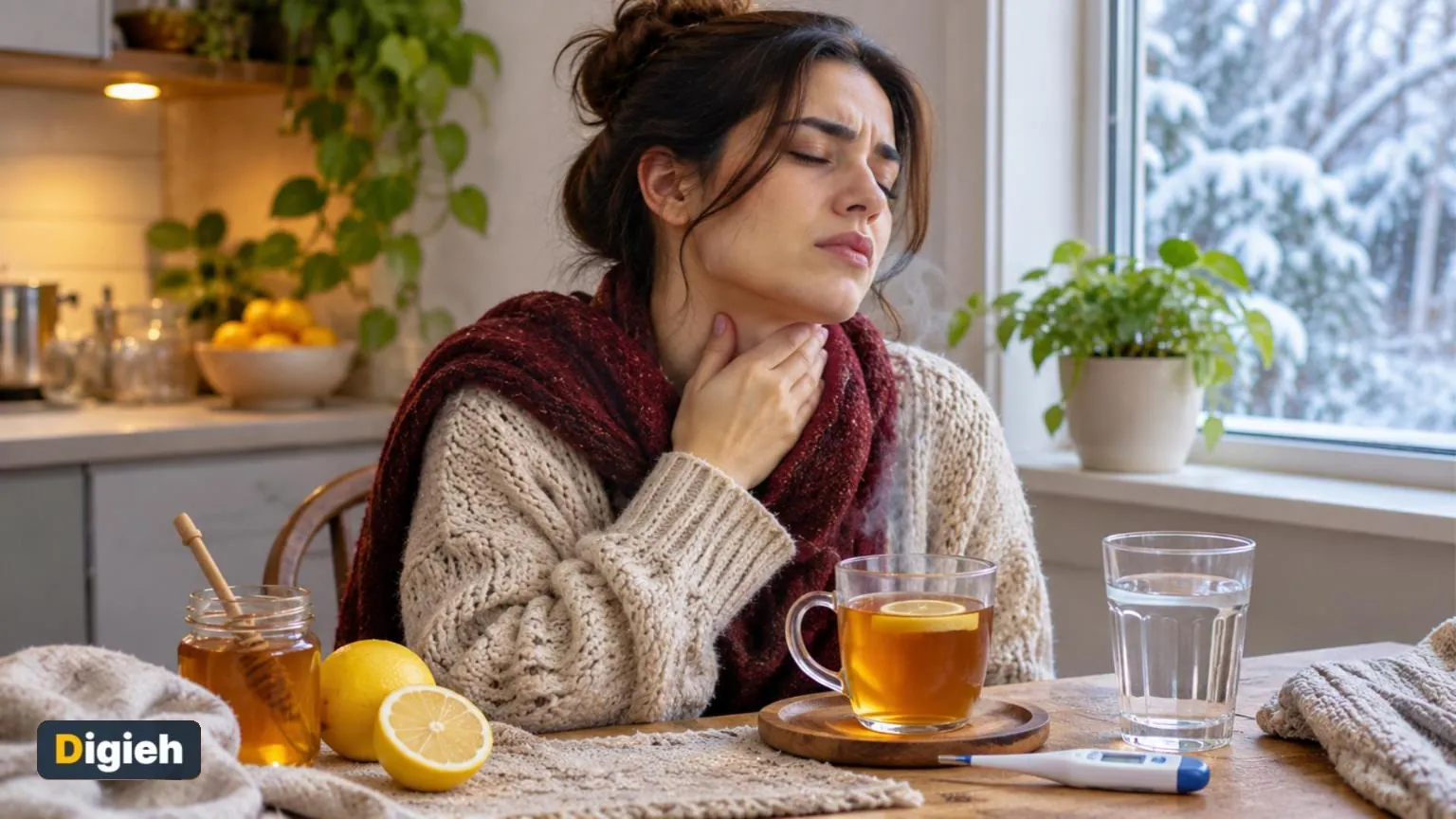
Strep throat is a bacterial infection of the throat and tonsils. It often causes a sore throat that starts quickly, pain when swallowing and a fever.
Most sore throats come from viruses, not strep. A quick test at a clinic can tell the difference, and antibiotics treat strep when the test is positive.
This guide covers the key signs, how strep spreads, what testing looks like and how to feel better at home.
This article shares general health information, not medical advice. Talk with a doctor or other healthcare provider about your symptoms.
Key Takeaways
- Strep throat comes from group A Streptococcus bacteria.
- Cough, runny nose and hoarseness usually point to a virus instead.
- It is most common in children ages 5 to 15.
- A rapid test gives results in minutes.
- Most people stop spreading strep after at least 12 hours on antibiotics and once the fever is gone.
5 to 15The age range when strep throat is most common in children, according to federal health officials.
What Is Strep Throat?
Group A Streptococcus bacteria cause strep throat. These germs live in the nose and throat and spread easily from person to person.
The Centers for Disease Control and Prevention (CDC) notes that viruses cause most sore throats. Strep is less common but needs different treatment, according to the agency.
Federal health officials say illness usually begins 2 to 5 days after contact with the bacteria. Strep spreads most often through close contact, so it often moves through a household.
Classic Signs of Strep Throat
The agency lists these common symptoms.
- A sore throat that starts quickly
- Pain when swallowing
- Fever
- Red and swollen tonsils
- White patches or streaks of pus on the tonsils
- Tiny red spots on the roof of the mouth
- Swollen lymph nodes in the front of the neck
Children may also have a headache, stomach pain, nausea or vomiting. Some develop a rash, which doctors call scarlet fever.
Has anyone in your home had strep throat this year?
- Yes, a child
- Yes, an adult
- No one so far
- Not sure
Strep or a Viral Sore Throat?
Certain symptoms suggest a virus instead of strep. Federal health officials say a cough, runny nose, hoarseness and pink eye point toward a viral cause.
| Clue | More Likely Strep | More Likely a Virus |
|---|---|---|
| Start | Sudden | Gradual |
| Cough | Usually absent | Common |
| Runny nose | Usually absent | Common |
| Hoarse voice | Uncommon | Common |
| White patches on tonsils | Common | Less common |
| Swollen neck glands | Common | Sometimes |
These clues help, but only a test confirms strep. Doctors use the full picture before deciding whether to test.
Feel more like a cold or the flu? Read our guide to flu, cold and coronavirus disease 2019 (COVID-19) symptoms. Sniffles that linger for weeks may also be allergies, as our winter allergies vs cold guide explains.
Quick tip. Use a flashlight to look at the back of the throat. White patches and swollen tonsils are worth mentioning to a doctor.
Who Gets Strep Throat Most?
Anyone can get strep throat. Still, it shows up most often in children between 5 and 15 years old.
It is rare in children younger than 3. Parents of school-age kids and adults who work with children face a higher risk.
Crowded places raise the chances of spread. Schools, daycares and military training sites are common examples.
How Doctors Test for Strep
A clinician swabs the back of the throat with a long cotton swab. It only takes a few seconds, though it may make you gag a little.
The Rapid Test
Nemours KidsHealth explains that a rapid strep test gives results in about five minutes, in its parent guide. A positive result usually means treatment can start right away.
The Throat Culture
If a child’s rapid test is negative, the clinician may send a second swab to a lab. Results from this throat culture usually take a couple of days.
For children older than 3 with a negative rapid test, the agency recommends a backup culture. That advice appears on its clinician page. Adults usually do not need a backup culture.
Good to know. Doctors usually do not test babies and toddlers for strep, since it is rare at those ages.
How Strep Throat Is Treated
Doctors treat strep throat with antibiotics. Penicillin or amoxicillin are the usual first choices, and doctors offer other options for people with a penicillin allergy.
Antibiotics can help you feel better faster. They also lower the chance of spreading strep to others.
Finish Every Dose
A typical course lasts about 10 days. KidsHealth stresses taking every dose, even after symptoms improve.
Stopping early can let bacteria survive, and symptoms may come back. A full course also helps prevent complications like rheumatic fever and kidney disease.
When Are You No Longer Contagious?
Untreated strep can spread for up to three weeks, KidsHealth says. Treatment shortens that window a lot.
Within about 12 hours of starting antibiotics, most children no longer have a fever and are no longer contagious. The agency’s clinical guidance sets a similar bar for school and work. People can return once the fever is gone and they have taken antibiotics for at least 12 to 24 hours.
Ask your doctor when it is safe to return to school, work or sports. Rules can differ during outbreaks or in health care settings.
- Take every antibiotic dose
- Stay home until fever is gone
- Wait at least 12 hours on antibiotics
- Use separate cups and utensils
- Replace the toothbrush
- Ask your doctor before returning
Feeling Better at Home
Antibiotics fight the infection, but comfort care helps you get through the sore days.
Drink plenty of fluids. Water, warm tea and broth soothe the throat and prevent dehydration. Our winter hydration tips share easy ways to drink more.
Choose soft foods. Soup, yogurt, mashed potatoes and smoothies are easier to swallow. Cold treats like ice pops can numb the pain.
Skip acidic drinks. Orange juice and lemonade can sting a sore throat.
Ask about pain relievers. Acetaminophen or ibuprofen can ease fever and pain when used as the label directs. Never give aspirin to anyone under 18 because of the risk of Reye syndrome, KidsHealth warns.
Rest. Sleep gives your body energy to recover.
Which symptom usually points to a virus instead of strep?
- White patches on tonsils
- A cough
- Sudden throat pain
Cough, runny nose and hoarseness suggest a viral sore throat.
Caring for a Child With Strep
Kids with strep often feel miserable for the first day or two. A calm, cozy setup at home can help.
Set up a resting spot with pillows, blankets and a water bottle within reach. Quiet activities like books, puzzles or a favorite movie help pass the time.
Offer small sips of fluid often, even if your child does not feel thirsty. Count wet diapers or bathroom trips to watch for dehydration.
Use a simple chart to track antibiotic doses. Checking off each dose helps you finish the full course, even on busy days.
Keep siblings from sharing cups, toys that go in the mouth and pillows. Wash hands after helping your sick child.
Most children start feeling better within a day or two of starting antibiotics. Call the doctor if your child does not seem better after a couple of days on treatment.
Free updates
Join the Digieh list
Be the first to know when our weekly brief launches.
No spam. Unsubscribe anytime. Read our Privacy Policy.
How to Stop Strep From Spreading
The agency shares several simple prevention steps.
- Wash hands often with soap and water.
- Cover coughs and sneezes with a tissue or your elbow.
- Do not share cups, utensils or food with someone who is sick.
- Wash dishes and glasses used by a sick person in hot, soapy water.
KidsHealth also suggests a new toothbrush once antibiotics have started and the person is no longer contagious. That simple swap helps you avoid starting over.
These habits also help with other winter germs. Our norovirus guide shares more ways to keep a household healthy.
What Is Scarlet Fever?
Some children with strep throat develop a red rash. Doctors call this scarlet fever, and the same group A Streptococcus bacteria cause it.
The rash often feels rough, like sandpaper. It may start on the neck and chest and then spread.
Scarlet fever sounds scary, but antibiotics treat it the same way as strep throat. Call your doctor if your child has a sore throat with a new rash.
Questions to Ask Your Doctor
A short list of questions can make a quick visit more useful. Write them down before you go.
- Do my symptoms suggest strep or a virus?
- Will you do a rapid test, a culture or both?
- How long should I take the antibiotic?
- When can I return to school, work or sports?
- What side effects should I watch for?
- What signs mean I should come back?
Let your doctor know about any medicine allergies, especially to penicillin. Also mention other medicines you take.
Possible Complications
Most people recover fully with treatment. However, untreated strep can sometimes lead to other problems.
The agency lists abscesses around the tonsils or in the neck, ear infections and sinus infections. Rare but serious complications include rheumatic fever, which can affect the heart and joints.
Strep can also lead to post-streptococcal glomerulonephritis, a kidney condition. Prompt testing and treatment lower these risks.
How long does a typical antibiotic course for strep last?
- 1 day
- 3 days
- About 10 days
Treatment usually lasts about 10 days, even after you feel better.
When to Get Help
Call a doctor or other healthcare provider if you or your child has a sore throat with other strep symptoms. That is especially true for a sore throat with fever, white patches or swollen neck glands.
Get care sooner for these warning signs.
- Trouble breathing or swallowing
- Drooling or being unable to swallow saliva
- Trouble opening the mouth fully
- A stiff neck or a swollen, painful neck
- Signs of dehydration, like very little urine
- Symptoms that get worse after starting antibiotics
Call 911 or go to the emergency room for severe trouble breathing. Trust your instincts if something feels wrong.
Can You Get Strep Again?
Yes. Having strep once does not protect you from future infections.
Some children get strep several times in a year. Close contact at school and home makes repeat exposure common.
If strep keeps coming back, talk with your doctor. They may check whether family members carry the bacteria or discuss other options.
Strep Throat at School and Work
Strep spreads quickly in classrooms and offices. Clear communication helps protect others.
Let the school or your workplace know about a positive test. Many schools ask children to stay home until the fever is gone. They also want at least 12 hours of antibiotics first.
Pack a water bottle and a soft lunch for the first days back. Remind kids to wash hands before meals and not to share drinks.
If several cases appear in one class or team, clinicians may watch more closely. Follow any guidance your school nurse or local health department shares.
Add to calendar
Try this today. Check your medicine cabinet for a working thermometer and fresh pain reliever. Being ready saves a late-night store run.
Frequently Asked Questions
How do I know if my sore throat is strep?
Sudden throat pain, fever and white patches without a cough suggest strep. Only a test can confirm it.
How long is strep contagious?
Most people stop spreading strep after at least 12 hours on antibiotics and once the fever is gone. Untreated strep can spread for weeks.
Can adults get strep throat?
Yes. It is most common in children, but adults can get it too, especially parents and people who work with kids.
Does strep throat go away without antibiotics?
Symptoms may fade, but antibiotics help you recover faster, stop the spread and prevent complications.
How long does a rapid strep test take?
Results usually come back in about five minutes.
Conclusion
Strep throat often brings a sudden sore throat, fever and painful swallowing, usually without a cough. A quick test tells you whether antibiotics are needed.
Finish every dose, rest and drink fluids. Call a doctor promptly if symptoms are severe or get worse.
Found this useful?
Editor’s Note
This article is accurate as of November 8, 2026. It draws on guidance from federal health officials and Nemours KidsHealth. It is general health information, not medical advice.
Spot an error in this article? Please contact us at support@digieh.com or read our Corrections Policy.
Keep exploring
Your next read is waiting
 1HealthDry Cracked Hands in Winter: Easy Proven Fixes11 min read
 2TechnologyClever Smart Plug Ideas to Save Energy Daily10 min read
 3Food & LifestyleEasy Swedish Meatballs Recipe With Rich Creamy Gravy9 min read
 4BusinessHow to Write a Powerful Year-End Self Review10 min read
 5SportsSnowshoeing for Beginners: Easy Guide to Winter Trails10 min read
 6Finance & MarketsSmart Furnace Maintenance Tips That Save You Money10 min read