TRENDING
Sore Throat Home Remedies That Actually Help

8 min read
Last updated November 9, 2026
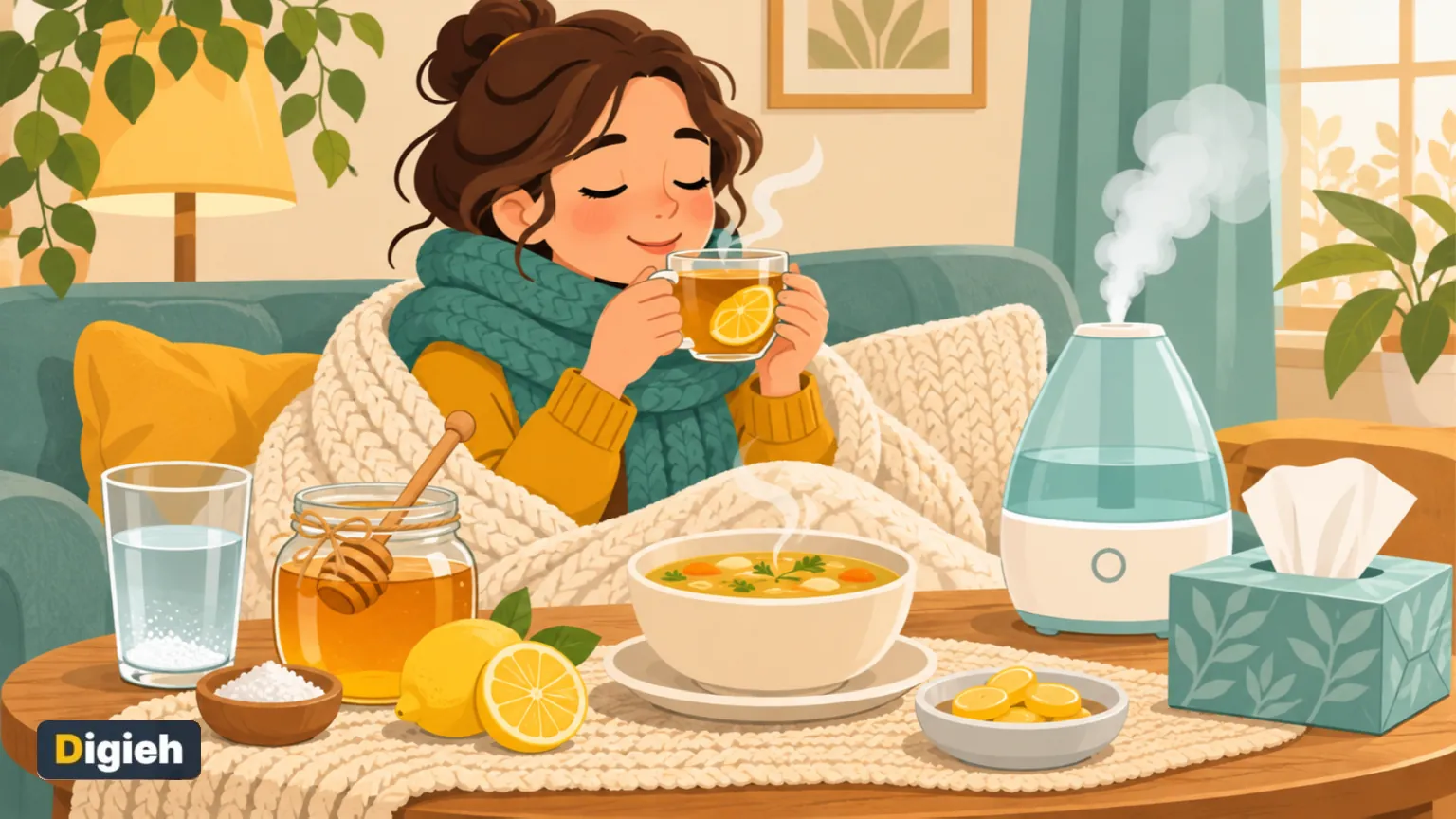
The best sore throat home remedies include gargling with warm salt water and sipping warm drinks with honey. Staying hydrated and using a humidifier help too. Cool, soft foods and throat lozenges can also ease the pain.
Most sore throats come from viruses and get better within about a week. This guide explains what helps, what to avoid and when a sore throat needs a doctor.
Health note. This article is general information, not medical advice. See a doctor if your symptoms are severe or do not improve.
Key Takeaways
- Most sore throats clear up on their own within about a week.
- Warm salt water gargles can soothe pain for adults and older children.
- Honey can calm a sore throat, but never give it to babies under 1.
- Antibiotics usually do not help unless bacteria cause the infection.
- Get urgent help for trouble breathing or swallowing, or drooling.
Inside this guide
- What causes a sore throat?
- 10 home remedies that help
- Foods and drinks to try
- Things to avoid
- Pharmacy options
- Sore throats in children
- Is it strep throat?
- When to see a doctor
- Frequently asked questions
What Causes a Sore Throat?
Most sore throats come from viruses, like those that cause colds and flu. Bacteria, such as the germs behind strep throat, cause fewer cases.
- Colds and flu
- Strep throat and other bacterial infections
- Dry winter air
- Allergies and postnasal drip
- Smoke and other irritants
- Shouting or overusing your voice
The National Health Service in the United Kingdom says sore throats usually clear up on their own. Most improve within a week.
1 weekHow long most sore throats take to clear up, according to the health service.
10 Home Remedies That Help
1. Gargle with warm salt water
The health service suggests half a teaspoon of salt in a glass of warm water. Gargle, then spit it out instead of swallowing. This remedy is not suitable for young children.
2. Sip warm drinks with honey
Warm water with honey and lemon, or herbal tea, can soothe a scratchy throat. Never give honey to babies under 1 year old.
3. Stay hydrated
Drinking plenty of water keeps your throat moist and helps your body recover. Aim for pale yellow urine as a sign you are drinking enough.
4. Use a humidifier
Moist air keeps your throat from drying out, especially at night. Learn how to set one up in our guide on how to use a humidifier safely.
5. Eat cool or soft foods
Yogurt, smoothies, applesauce and ice pops can numb pain and are easy to swallow.
6. Suck on lozenges or ice chips
Lozenges and hard candies boost saliva, which keeps the throat moist. Keep them away from young children, since they can cause choking.
7. Rest your voice
Talking less gives irritated tissues a chance to heal. Avoid whispering, which can strain your voice even more.
8. Rest your body
Sleep helps your immune system fight infection. Take it easy for a few days.
9. Breathe in steam
A warm shower can moisten your throat and nose. Avoid bending over very hot water, which can cause burns.
10. Avoid smoke
Smoke irritates the throat and slows healing. Stay away from cigarettes and secondhand smoke.
What is your favorite sore throat remedy?
- Honey and lemon tea
- Salt water gargle
- Lozenges
- Not sure
Why Sore Throats Are Worse in Winter
Cold and flu viruses spread more easily in winter, when people spend time indoors together. Dry heated air also pulls moisture from the throat.
Breathing through your mouth at night, often because of a stuffy nose, dries the throat even more. That is why many people wake up with a scratchy throat in winter.
Simple changes help prevent this. Run a humidifier, drink water through the day and treat nasal congestion before bed. A scarf over your mouth in very cold, dry air may also help protect your throat when you head outside.
Herbal Teas and Natural Options
Many people enjoy herbal teas when their throat hurts. The warmth itself is often the biggest comfort.
- Chamomile tea is mild and calming before bed.
- Ginger tea adds gentle warmth.
- Peppermint tea may feel cooling.
- Licorice root tea can raise blood pressure, so check with a doctor if you have heart or blood pressure concerns.
Research on most herbal remedies remains thin. Ask a pharmacist before using supplements, especially if you take other medicines or are pregnant.
Foods and Drinks to Try
| Try | Why it helps |
|---|---|
| Warm broth or soup | Soothing, hydrating and easy to swallow |
| Herbal tea with honey | Coats and calms the throat |
| Yogurt and smoothies | Cool, soft and gentle |
| Oatmeal | Warm and smooth |
| Ice pops | Numb pain and add fluids |
Homemade broth is a classic comfort food. Try our homemade chicken broth recipe, or sip the zero-proof version of our hot toddy.
A Simple Three-Day Recovery Plan
| Day | What to focus on |
|---|---|
| Day 1 | Rest, fluids, salt water gargles and a humidifier at night |
| Day 2 | Warm soups, honey tea, lozenges and voice rest |
| Day 3 | Keep hydrating, check for warning signs and ease back into activity |
Most people start to feel better within a few days. If you feel worse instead, or develop a high fever, call your doctor. Keep a full water bottle nearby as a reminder.
Sore Throat From Overusing Your Voice
Teachers, singers and anyone who talks all day can develop a sore throat without being sick. Strain irritates the vocal cords.
- Rest your voice for a day or two.
- Drink water often throughout the day.
- Use a microphone if you speak to groups.
- See a doctor if hoarseness lasts more than a few weeks.
Things to Avoid
- Spicy, acidic or crunchy foods that scratch the throat
- Alcohol, which dries you out
- Smoking and secondhand smoke
- Very hot drinks that can burn
- Yelling or long phone calls
Night tip. Keep a glass of water and a few lozenges by the bed. Sore throats often feel worse when you wake up.
Pharmacy Options
A pharmacist can suggest products to ease the pain. Options include pain relievers, medicated lozenges and throat sprays.
The health service notes that sprays alone show only limited benefit in studies. Pain relievers like acetaminophen or ibuprofen often help more.
Not sure which pain reliever to choose? Read acetaminophen vs. ibuprofen.
Free updates
Join the Digieh list
Be the first to know when our weekly brief launches.
No spam. Unsubscribe anytime. Read our Privacy Policy.
Do You Need Antibiotics?
Most sore throats come from viruses, so antibiotics will not help. The health service says doctors usually give antibiotics only when a bacterial infection is likely.
Learn more in our guide do antibiotics cure colds or flu.
Sore Throats in Children
- Offer plenty of fluids and soft foods.
- Skip salt water gargles for young children.
- Do not give hard candies or lozenges to young children.
- Never give honey to babies under 1.
- Ask a pharmacist or doctor about pain relief for your child’s age.
The health service advises seeing a doctor for a child under 5 who needs help with a sore throat.
Protect Others While You Recover
- Wash your hands often, especially after blowing your nose.
- Cover coughs and sneezes with a tissue or your elbow.
- Do not share cups, utensils or towels.
- Stay home if you have a fever.
Replace your toothbrush after a bacterial throat infection. It is a simple step that may help prevent spreading germs around the household.
Sleep Better With a Sore Throat
Throat pain often feels worse at night. Raise your head with an extra pillow and run a humidifier in the bedroom.
Sip water or warm tea before bed, and keep a glass nearby. Treat a stuffy nose so you breathe through it instead of your mouth.
Common Myths
- Myth, every sore throat needs antibiotics. Fact, most come from viruses.
- Myth, cold drinks make a sore throat worse. Fact, cool drinks and ice pops can soothe pain.
- Myth, whispering protects your voice. Fact, it can strain your vocal cords more.
- Myth, a sore throat always means you are contagious. Fact, dry air and allergies can also cause one.
Is It Strep Throat?
Strep throat comes from bacteria and often causes a very sore throat with fever. People with strep usually do not have a cough or runny nose.
A quick test at the doctor’s office can confirm it. Learn the signs in our guide to strep throat signs and recovery.
When to See a Doctor
Make an appointment if
- Your sore throat has not improved after a week
- You get sore throats often
- You notice a lump in your neck or a mouth ulcer lasting more than three weeks
- You have a high fever or feel shivery
- You have a weakened immune system
Get emergency help if
- You have trouble breathing
- You cannot swallow
- You are drooling
- You hear a high-pitched sound when breathing
- Symptoms are severe and getting worse quickly
A blocked nose can also lead to loud nights. See our guide on how to stop snoring.
Sore Throat and Cough Together
A sore throat often comes with a cough, especially at night. Raising your head and running a humidifier can help both.
See more tips in our guide on how to stop coughing at night.
Test Yourself
How long do most sore throats last?
- One day
- About a week
- Two months
Most sore throats clear up on their own within about a week.
Who should not have honey for a sore throat?
- Teenagers
- Adults
- Babies under 1 year old
Honey is not safe for babies under 1 year old.
Frequently Asked Questions
Does salt water really help a sore throat?
It can ease pain for adults and older children.
Is ice cream good for a sore throat?
Cold, soft foods can soothe pain for some people.
Should I see a doctor for every sore throat?
No. See one if it lasts over a week or you have warning signs.
Can a sore throat be allergies?
Yes. Postnasal drip from allergies can irritate the throat.
Conclusion
Most sore throats get better on their own. Gargle salt water, sip warm drinks with honey, stay hydrated and rest your voice.
Watch for warning signs like trouble breathing or swallowing. See a doctor if your throat does not improve within a week.
Found this useful?
Editor’s Note
This guide is accurate as of November 9, 2026. It draws on sore throat guidance from the National Health Service in the United Kingdom.
It is general information, not medical advice. Talk to a health professional about your own symptoms.
Spot an error in this article? Please contact us at support@digieh.com or read our Corrections Policy.
Keep exploring
Your next read is waiting
 1EntertainmentChristmas Traditions Around the World: 15 Festive Customs8 min read
 2NewsWalmart Thanksgiving Meal Deal 2026: $35 Basket Feeds 103 min read
 3Food & LifestyleEasy Fudgy Brownies Recipe From Scratch8 min read
 4Finance & MarketsHow Certificates of Deposit Work: A Beginner Guide8 min read
 5MedicinesHow to Dispose of Old or Expired Medicines Safely8 min read
 6FashionHow to Wash a Down Jacket Without Ruining It8 min read