TRENDING
Acetaminophen vs. Ibuprofen: How They Differ and Which to Use

8 min read
Last updated November 9, 2026
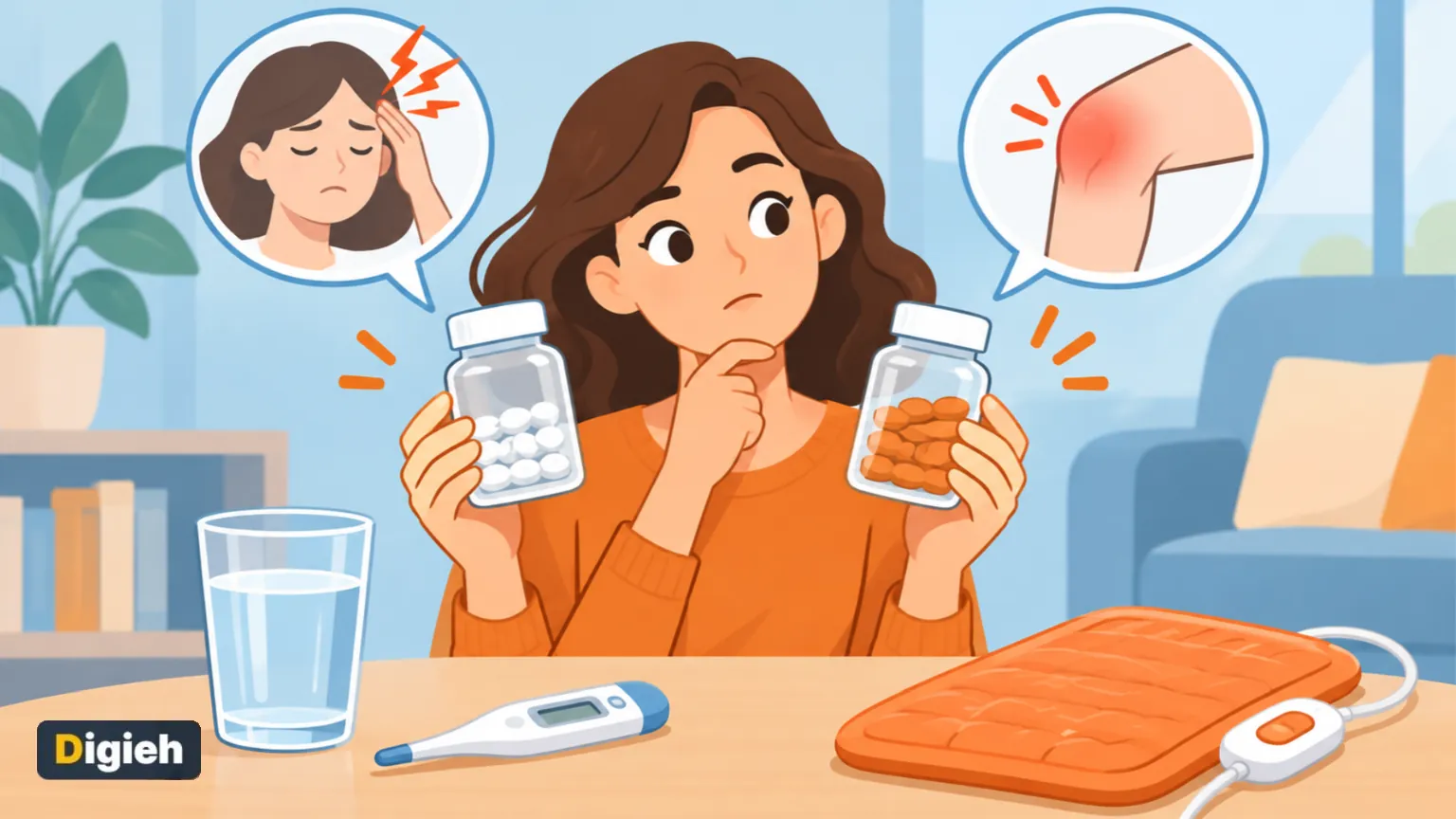
Acetaminophen and ibuprofen both relieve pain and lower fever, but they work differently. Ibuprofen also reduces inflammation, which makes it useful for swelling, sprains and menstrual cramps.
Acetaminophen is gentler on the stomach but can harm the liver if you take too much. This guide compares the two side by side, explains the risks and shows how to choose.
Health note. This article is general information, not medical advice. Always follow the dosing directions on the label, and ask a doctor or pharmacist before using any pain reliever, especially for children.
Key Takeaways
- Both medicines ease pain and fever.
- Only ibuprofen reduces inflammation.
- Too much acetaminophen can cause serious liver damage.
- Ibuprofen can irritate the stomach and affect the kidneys and heart.
- Check labels, since many cold medicines contain one of these ingredients.
Inside this guide
- Side-by-side comparison
- How acetaminophen works
- How ibuprofen works
- Which one to choose
- Who should be careful
- Hidden doses in other products
- Children and fever
- When to see a doctor
- Frequently asked questions
Side-by-Side Comparison
Internal medicine physician Laura Salazar, MD, wrote a guide for Baylor Scott and White Health. It highlights the key differences.
| Feature | Acetaminophen | Ibuprofen |
|---|---|---|
| Relieves pain | Yes | Yes |
| Lowers fever | Yes | Yes |
| Reduces inflammation | No | Yes |
| Main risk | Liver damage if you take too much | Stomach bleeding, kidney and heart risks |
| Stomach irritation | Less likely | More likely |
| Drug class | Pain reliever and fever reducer | Nonsteroidal anti-inflammatory drug |
Which pain reliever do you usually reach for?
- Acetaminophen
- Ibuprofen
- It depends on the pain
- Not sure
How Acetaminophen Works
Experts do not fully understand how acetaminophen works. Scientists believe it acts in the brain to block pain signals. It also seems to calm the area that controls body temperature.
Because it does not reduce inflammation, it may not help much with swelling. It works well for headaches, fevers, muscle aches and toothaches.
Main risk, the liver
Taking more than the label allows can cause serious liver damage. The risk rises for people who drink alcohol heavily, have liver disease, are older or have low body weight.
Never take more than the maximum daily amount on the label. If you are unsure, ask your pharmacist.
How Ibuprofen Works
Ibuprofen belongs to a group called nonsteroidal anti-inflammatory drugs. It blocks enzymes that help produce inflammation, pain and fever.
That makes it a good choice when swelling is part of the problem. Think of a sprained ankle, back pain or menstrual cramps.
Main risks, stomach, kidneys and heart
- It can irritate the stomach and, in some cases, cause ulcers or bleeding.
- It can affect kidney function, especially when your body lacks fluids.
- It may raise the risk of heart attack and stroke, particularly with long-term use.
- It can make bleeding more likely, a concern for people on blood thinners.
Taking ibuprofen with food or milk may help reduce stomach upset. Use the lowest effective dose for the shortest time needed.
1Only one of these two pain relievers, ibuprofen, also reduces inflammation.
Which One Should You Choose?
| Problem | Often a good fit |
|---|---|
| Fever | Either, many start with acetaminophen |
| Headache | Acetaminophen is a common first choice |
| Sprain or strain | Ibuprofen, for the swelling |
| Menstrual cramps | Ibuprofen |
| Arthritis pain | Ibuprofen, or acetaminophen if anti-inflammatory drugs are not safe for you |
| Sensitive stomach | Acetaminophen |
Salazar suggests trying acetaminophen first for fever and headache. She points to ibuprofen when inflammation plays a role. Your own health history matters, so ask your doctor what is best for you.
Smart habit. Write down which medicine you took and when. It helps you avoid doubling up, especially when you feel unwell.
Who Should Be Careful
Ask a doctor before using ibuprofen if you
- Take blood thinners
- Have heart disease or high blood pressure
- Have kidney disease
- Have a history of stomach ulcers or bleeding
- Have a bleeding disorder
Ask a doctor before using acetaminophen if you
- Drink alcohol heavily
- Have liver disease
- Are older or have low body weight
- Take other medicines that may contain acetaminophen
Pregnant people should check with a doctor before using either medicine. Some pain relievers are not recommended at certain stages of pregnancy.
Pain Relievers for Common Winter Illnesses
| Illness | How a pain reliever may help |
|---|---|
| Cold | Eases headache, sore throat and body aches |
| Flu | Lowers fever and soothes muscle aches |
| Sinus pressure | Relieves facial pain and headache |
| Sore throat | Reduces throat pain and swelling, especially ibuprofen |
Pain relievers ease symptoms but do not shorten most viral illnesses. Rest and fluids still do much of the healing work.
Follow the Label Timing
Each product lists how often you can take a dose and the most you can take in a day. These limits keep you safe.
- Set a phone reminder for your next allowed dose.
- Do not take a second dose early because pain returns.
- Track doses on paper when you are sick or caring for someone.
- Ask a pharmacist if you need relief more often than the label allows.
Hidden Doses in Other Products
Acetaminophen appears in hundreds of products, including many cold, flu and sleep remedies. Taking a cold medicine plus a separate pain reliever can lead to an accidental overdose.
- Read the active ingredients on every product you take.
- Look for acetaminophen and ibuprofen in multi-symptom medicines.
- Ask the pharmacist before combining products.
Learn to spot active ingredients in our guide on how to read a Drug Facts label.
What About Aspirin and Naproxen?
Aspirin and naproxen are two other common pain relievers. Like ibuprofen, they belong to the anti-inflammatory group.
- Naproxen lasts longer, so people take it less often.
- Aspirin also thins the blood, which is why some people take it for heart health under a doctor’s care.
- Both share similar stomach and bleeding risks with ibuprofen.
- Do not combine different anti-inflammatory pain relievers.
Free updates
Join the Digieh list
Be the first to know when our weekly brief launches.
No spam. Unsubscribe anytime. Read our Privacy Policy.
Creams and Gels
Topical pain relievers come as creams, gels and patches. Some contain anti-inflammatory ingredients, while others use menthol or lidocaine.
They can help with sore muscles and joints near the skin, like knees and hands. Less medicine reaches the bloodstream, which may mean fewer side effects for some people.
Wash your hands after applying them, and keep them away from your eyes. Do not use heating pads over these creams, since that can cause burns.
Can You Take Them Together?
Some doctors recommend using both medicines, or alternating them, in certain situations. This should only happen with guidance from a health professional.
Do not combine or alternate them on your own, especially for children. Mistakes with timing and amounts are common.
Children and Fever
Fever is the body’s way of fighting infection, and a mild fever is not always dangerous. Comfort and fluids matter most.
- Use only products made for children.
- Follow the label directions for your child’s age or weight.
- Use the measuring device that comes with liquid medicine.
- Never give aspirin to children or teens unless a doctor says so.
- Ask a doctor before giving any pain reliever to a baby.
Call your pediatrician if your baby has a fever. Also call for any child with fever plus trouble breathing, unusual sleepiness or dehydration.
Store and Choose Wisely
Keep both medicines in a safe, high place away from children. Read our guide on how to store medicines at home.
Store brands contain the same active ingredients as famous brands and usually cost less. Learn more in generic vs. brand-name medicines.
Pain Relief Without Pills
- Rest and protect an injured area.
- Use ice for new sprains during the first day or two.
- Try heat for stiff muscles and cramps.
- Stretch gently and stay active as you can.
- Drink fluids and rest when you have a fever.
These simple steps can reduce how much medicine you need. They work well alongside a pain reliever.
Tips for Older Adults
Older adults may face higher risks from both medicines. Kidney function, liver health and other prescriptions all play a part.
Review pain relievers with a doctor or pharmacist at least once a year. Ask whether a lower dose or a different option makes sense.
Common Myths
- Myth, more medicine works faster. Fact, extra doses raise risks without speeding relief.
- Myth, natural-sounding products are always safe. Fact, check every active ingredient.
- Myth, acetaminophen is harmless because it is common. Fact, overdoses can cause serious liver damage.
- Myth, ibuprofen is fine on an empty stomach for everyone. Fact, food may reduce stomach upset.
When to See a Doctor
- Pain lasts more than about 10 days or fever lasts more than 3 days
- You have severe pain, swelling or redness
- You notice black or bloody stools or vomit that looks like coffee grounds
- You have yellowing of the skin or eyes, or dark urine
- You need pain relievers often for a long time
Black stools can signal stomach bleeding, and yellow skin can signal liver problems. Seek care right away for these signs.
Remember that pain relievers ease symptoms but do not cure infections. See flu, cold and COVID symptoms and do antibiotics cure colds or flu for more.
Check for Interactions
Both medicines can interact with other drugs and with alcohol. Ask your pharmacist to review everything you take.
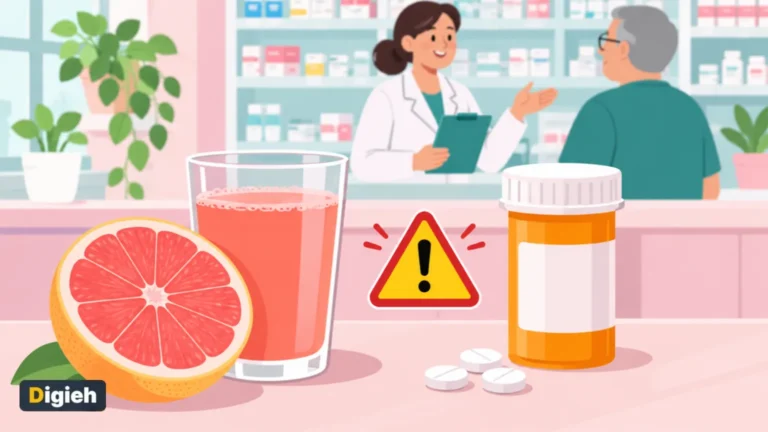
Food can matter too. Learn about grapefruit and medicine interactions for prescription drugs.
Test Yourself
Which medicine reduces inflammation?
- Acetaminophen
- Ibuprofen
- Both equally
Ibuprofen is an anti-inflammatory drug, while acetaminophen is not.
What is the main risk of taking too much acetaminophen?
- Liver damage
- Hair loss
- Better sleep
Too much acetaminophen can seriously harm the liver.
Frequently Asked Questions
Is acetaminophen the same as paracetamol?
Yes. Paracetamol is the name used in many countries.
Which is better for a toothache?
Both can help. Ask your dentist which suits you.
Can I drink alcohol with these medicines?
It is best to avoid it. Alcohol raises liver and stomach risks.
Is ibuprofen safe every day?
Long-term daily use should only happen under a doctor’s care.
Conclusion
Acetaminophen and ibuprofen both relieve pain and fever, but only ibuprofen reduces inflammation. Each has its own risks, from liver damage to stomach bleeding.
Read labels, avoid hidden doses and ask your pharmacist or doctor which one is right for you.
Found this useful?
Editor’s Note
This guide is accurate as of November 9, 2026. It draws on guidance from Baylor Scott and White Health.
It is general information, not medical advice. Follow label directions and talk to a health professional.
Spot an error in this article? Please contact us at support@digieh.com or read our Corrections Policy.
Keep exploring
Your next read is waiting
 1SportsAP Top 25 College Football Rankings: Georgia Takes No. 14 min read
 2MedicinesHow to Dispose of Old or Expired Medicines Safely8 min read
 3HealthEczema in Winter: How to Calm Dry, Itchy Skin8 min read
 4Finance & MarketsHow Certificates of Deposit Work: A Beginner Guide8 min read
 5Home & KitchenHow to Make a Christmas Wreath at Home, Step by Step8 min read
 6Food & LifestyleHot Toddy Recipe: The Classic Winter Warmer and Easy Twists8 min read