TRENDING
Do Antibiotics Cure Colds or Flu? What You Need to Know

8 min read
Last updated November 9, 2026
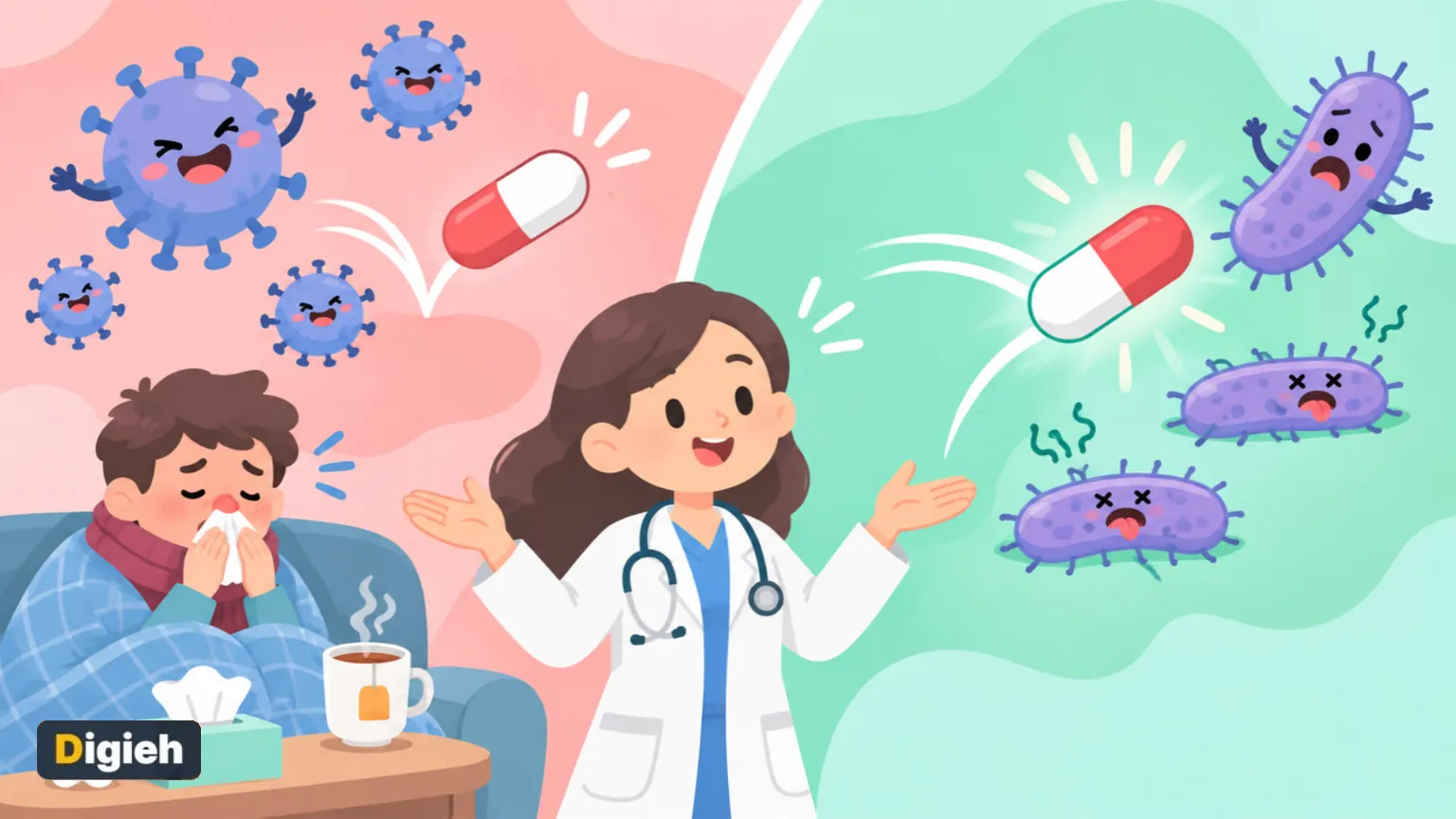
Antibiotics do not cure colds or the flu. These illnesses come from viruses, and antibiotics only work against certain bacteria.
Taking antibiotics you do not need will not help you feel better. It can also cause side effects and antibiotic resistance. This guide explains the difference between viral and bacterial infections and what actually helps when you are sick.
Health note. This article is general information, not medical advice. Talk to a doctor or pharmacist about your symptoms and treatment.
Key Takeaways
- Antibiotics treat certain bacterial infections, not viruses.
- Colds, flu, most sore throats and most bronchitis come from viruses.
- Unneeded antibiotics can cause side effects without any benefit.
- Overuse helps bacteria become resistant to antibiotics.
- Rest, fluids and symptom relief help most colds get better.
Inside this guide
- Viruses vs. bacteria
- When antibiotics work
- Why unneeded antibiotics can harm you
- What is antibiotic resistance?
- What helps a cold or flu
- When to see a doctor
- How to use antibiotics safely
- Frequently asked questions
Viruses vs. Bacteria
Viruses and bacteria are both germs, but they are very different. Bacteria are tiny living cells, while viruses need to get inside your cells to multiply.
Antibiotics work by attacking parts of bacteria, like their cell walls. Viruses do not have those parts, so antibiotics have nothing to target.
| Usually viral | Sometimes bacterial |
|---|---|
| Common cold | Strep throat |
| Flu | Whooping cough |
| Most sore throats | Urinary tract infections |
| Most bronchitis | Some ear and sinus infections |
| COVID | Some pneumonia |
Have you ever asked a doctor for antibiotics for a cold?
- Yes
- No
- I did not know they do not work
- Not sure
When Antibiotics Do Work
According to the Centers for Disease Control and Prevention, antibiotics help only certain bacterial infections. Examples include strep throat, whooping cough and urinary tract infections.
The agency notes that many sinus infections and some ear infections clear up on their own. That can happen even when bacteria cause them. Your doctor may suggest waiting a few days before starting antibiotics.
Not sure whether you have a cold or a sinus infection? Read sinus infection vs. cold to learn the differences.
Why Unneeded Antibiotics Can Harm You
Every medicine has risks. When antibiotics cannot help, you get the risks without any benefit.
| Minor side effects | Serious side effects |
|---|---|
| Rash | Severe allergic reactions |
| Nausea | A serious gut infection called Clostridioides difficile |
| Diarrhea | Infections that resist antibiotics |
| Dizziness | |
| Yeast infections |
The agency warns that in children, side effects from antibiotics are the most common cause of medicine-related emergency room visits.
#1Antibiotic side effects are the top cause of medicine-related emergency visits for children, per the health agency.
What Is Antibiotic Resistance?
Bacteria can change over time so that antibiotics no longer kill them. Experts call this antibiotic resistance.
Each time you take antibiotics, some bacteria in your body may survive and multiply. Using antibiotics only when needed helps keep them working for everyone.
- Resistant infections can be harder to treat.
- They may require stronger medicines or hospital care.
- They can spread from person to person.
Remember. Antibiotics are a shared resource. Using them wisely protects you, your family and your community.
How Doctors Tell the Difference
Symptoms of viral and bacterial infections can look alike. Doctors use your history, an exam and sometimes quick tests to decide.
- A rapid strep test or throat culture checks for strep throat.
- A urine test can confirm a urinary tract infection.
- Listening to your lungs helps check for pneumonia.
- Rapid tests can detect flu and COVID.
Testing helps your doctor choose the right treatment. It also avoids antibiotics when they would not help.
Antibiotics and Children
Children catch many colds each year, especially in daycare and school. Most of these illnesses are viral and get better without antibiotics.
Ear infections are common in young kids. Doctors sometimes suggest watchful waiting for a day or two because many clear up on their own.
Call your pediatrician if your child has a high fever, trouble breathing, ear pain that worsens or signs of dehydration.
What Actually Helps a Cold or Flu
- Rest as much as you can.
- Drink plenty of fluids.
- Use a cool-mist humidifier.
- Gargle salt water for a sore throat.
- Try honey for a cough, but not for babies under 1.
- Ask a pharmacist about over-the-counter symptom relief.
For nighttime coughing, see our tips on how to stop coughing at night. Before choosing a cold medicine, learn how to read a Drug Facts label.
What about the flu?
Prescription antiviral medicines can treat the flu, especially when started early. They are not antibiotics.
Call your doctor quickly if you are at high risk for flu complications. That includes older adults, young children, pregnant people and those with chronic health conditions.
While a viral sore throat runs its course, these sore throat home remedies can ease the pain.
Cold or Strep Throat?
| Sign | Common cold | Strep throat |
|---|---|---|
| Cough | Common | Usually absent |
| Runny nose | Common | Usually absent |
| Fever | Mild or none | Often present |
| Throat | Scratchy | Very sore, sometimes with white patches |
| Treatment | Rest and fluids | Antibiotics after a positive test |
Only a test can confirm strep throat. See a doctor if you have a severe sore throat with fever.
Why Your Doctor Might Say No
It can feel frustrating to leave the doctor without a prescription. But a careful doctor is protecting you from medicine that will not help.
Ask what to watch for and when to call back. If symptoms change, your doctor can reassess and treat you if a bacterial infection develops.
How Long Do Colds Last?
Most colds improve within about 7 to 10 days. A cough can linger for a few weeks.
Feeling worse after a week does not always mean you need antibiotics. But it is a good reason to check in with your doctor.
Free updates
Join the Digieh list
Be the first to know when our weekly brief launches.
No spam. Unsubscribe anytime. Read our Privacy Policy.
When to See a Doctor
- Trouble breathing or chest pain
- A high fever that will not come down
- Symptoms that get better and then return worse
- Symptoms lasting more than 10 days
- Severe sore throat with fever and no cough
- Signs of dehydration, like little or no urination
Babies, older adults and people with weak immune systems should see a doctor sooner. Learn the warning signs in our guide to RSV symptoms in adults and kids.
How to Use Antibiotics Safely
When you do need antibiotics, use them exactly as prescribed.
- Take every dose at the right time.
- Follow your doctor’s instructions on how long to take them.
- Do not skip doses or stop early without asking your doctor.
- Never take antibiotics prescribed for someone else.
- Do not save leftovers for next time.
- Tell your doctor about any allergies or past reactions.
If you have leftover antibiotics, do not keep them. Learn how to dispose of old medicines safely.
Caring for a Sick Family Member
- Offer fluids often, like water, broth and warm tea.
- Encourage plenty of rest and quiet time.
- Wash hands after helping them and before preparing food.
- Use separate towels and wipe shared surfaces.
- Keep track of fever and symptoms to share with the doctor.
Take care of yourself too. Rest and good food help your own immune system stay strong.
Questions to Ask Your Doctor
- Is this infection caused by a virus or bacteria?
- Do I need an antibiotic, or will this get better on its own?
- What can I do to feel better at home?
- What side effects should I watch for?
- When should I come back if I do not improve?
Asking these questions helps you and your doctor make the best choice together.
Protecting Your Gut During Antibiotics
Antibiotics can upset the balance of helpful bacteria in your gut. That is one reason diarrhea is a common side effect.
- Take antibiotics with food if the label allows it.
- Drink extra fluids if you have diarrhea.
- Ask your doctor or pharmacist whether a probiotic makes sense for you.
- Call your doctor if diarrhea becomes severe, bloody or lasts several days.
Severe or watery diarrhea during or after antibiotics can signal a serious infection. Do not ignore it, and seek medical care if it happens.
Antibiotic Allergies
Many people believe they are allergic to penicillin because of a reaction in childhood. Studies suggest most of them can actually take it safely today.
Ask your doctor whether allergy testing makes sense for you. Knowing your true allergy status can open up better, safer treatment options later.
Prevent Infections in the First Place
- Wash your hands often with soap and water.
- Get recommended vaccines, including a yearly flu shot.
- Cover coughs and sneezes.
- Stay home when you are sick.
- Clean high-touch surfaces during cold and flu season.
See our guide to the 2026 flu shot and compare flu, cold and COVID symptoms.
Common Myths
- Myth, green mucus means you need antibiotics. Fact, mucus color alone does not show a bacterial infection.
- Myth, antibiotics help you recover from a cold faster. Fact, they do not work on viruses.
- Myth, stronger antibiotics are always better. Fact, the right antibiotic matters more.
- Myth, you can stop when you feel better. Fact, follow your doctor’s instructions.
Test Yourself
Which illness can antibiotics treat?
- The common cold
- Strep throat
- The flu
Strep throat comes from bacteria, so antibiotics can help.
Why do antibiotics not work on colds?
- Colds are too mild
- Colds are allergies
- Colds come from viruses
Antibiotics target bacteria, and viruses cause colds.
Frequently Asked Questions
Can antibiotics prevent a cold from turning into something worse?
Usually not. Your doctor will decide if a bacterial infection develops.
Does yellow or green mucus mean I need antibiotics?
No. Color alone does not show a bacterial infection.
Are antivirals the same as antibiotics?
No. Antivirals target viruses, while antibiotics target bacteria.
Can I take leftover antibiotics?
No. Use antibiotics only when a doctor prescribes them for you.
Conclusion
Antibiotics are powerful medicines, but they do not cure colds or the flu. Using them only when needed protects you from side effects and helps keep them working.
Rest, drink fluids and see a doctor if symptoms are severe or last too long.
Found this useful?
Editor’s Note
This guide is accurate as of November 9, 2026. It draws on antibiotic guidance from the Centers for Disease Control and Prevention.
It is general information, not medical advice. Talk to a health professional about your own symptoms.
Spot an error in this article? Please contact us at support@digieh.com or read our Corrections Policy.
Keep exploring
Your next read is waiting
 1Food & LifestyleChristmas Dinner Menu Ideas: 5 Easy Menus for 20268 min read
 2MedicinesHow to Store Medicines at Home Safely8 min read
 3Science & DiscoveriesWinter Bird Feeding Guide: Best Foods, Feeders and Tips8 min read
 4FashionHow to Wash a Down Jacket Without Ruining It8 min read
 5HealthHow to Stop Coughing at Night: Simple Tips That Help8 min read
 6EntertainmentChristmas Traditions Around the World: 15 Festive Customs8 min read