TRENDING
How Long Do Antibiotics Take to Start Working?

9 min read
Last updated November 10, 2026
Antibiotics start fighting bacteria soon after your first dose, but you may not feel better right away. Symptoms often improve within 48 to 72 hours, according to the University of Rochester Medical Center.
Full recovery can take longer, depending on the infection. Antibiotics also only work on bacteria, not on viruses like colds and flu.
This guide explains what to expect after starting antibiotics, when to call your doctor and how to use them safely.
Health note. This article shares general information, not medical advice. Take antibiotics exactly as prescribed and call your healthcare provider with any questions.
Key Takeaways
- Many people start to feel better within 48 to 72 hours.
- Full recovery may take longer than the antibiotic course.
- Antibiotics do not work on viruses like colds and flu.
- Take antibiotics exactly as prescribed and do not share them.
- Call your doctor if you are not improving or feel worse.
Jump to a section
- How antibiotics work
- Typical timeline
- By infection type
- When they will not help
- Tips while taking them
- Side effects
- Alcohol
- When to call your doctor
- Resistance
- Frequently asked questions
How Antibiotics Work
Antibiotics either kill bacteria or stop them from multiplying. Your immune system then clears the remaining germs.
The medicine begins working soon after you take it. But symptoms like fever, pain and swelling take time to fade as your body heals.
That is why you may still feel sick for a day or two after starting treatment. It does not mean the antibiotic is failing.
Different antibiotics target different kinds of bacteria. Your doctor chooses one based on the likely cause of your infection.
Sometimes a test, such as a throat swab or urine test, confirms the type of infection. This helps the doctor pick the right medicine.
Taking the wrong antibiotic, or one you do not need, adds side effects without benefit. That is why self-treating with leftover pills is risky.
48 to 72 hoursWhen symptoms often begin to improve after starting an antibiotic, per the University of Rochester Medical Center.
A Typical Timeline
| Time | What many people notice |
|---|---|
| First day | The medicine starts working, but symptoms may not change yet |
| Days 2 to 3 | Fever and pain often start to ease |
| Middle of the course | Energy and appetite usually return |
| End of the course | Most symptoms are gone, though some may linger |
| After the course | Full recovery may take a little longer |
URMC notes that full recovery may come shortly after finishing antibiotics, or it may take a bit longer. Everyone heals at a different pace.
Quick tip. Write down your symptoms each day. It helps you notice improvement and gives your doctor useful details if you call.
Timing by Type of Infection
How fast you feel better depends on the infection, how severe it is and your overall health.
| Infection | What to expect |
|---|---|
| Strep throat | Sore throat and fever often ease within a few days |
| Urinary tract infection | Burning and urgency often improve within a few days |
| Bacterial sinus infection | Pressure and congestion may take longer to clear |
| Skin infection | Redness may take several days to shrink |
| Pneumonia | Cough and tiredness can last weeks after treatment |
The CDC notes that antibiotics can help treat strep throat, whooping cough and urinary tract infections. Learn more in our guide to strep throat signs and recovery.
Some bacterial infections, including many sinus and some ear infections, can get better without antibiotics, according to the CDC. Compare symptoms in our guide to sinus infection vs cold.
How quickly did you feel better the last time you took antibiotics?
- Within a day or two
- After three or more days
- I did not notice a difference
- Not sure
When Antibiotics Will Not Help
The CDC says antibiotics will not make you feel better if you have a virus. Colds, flu, most sore throats and most chest colds are caused by viruses.
- Common colds
- Flu
- Most sore throats, except strep
- Most chest colds or bronchitis
- COVID-19
For flu, some people benefit from antiviral medicines instead. Read our guide to flu antiviral medicines and why antibiotics do not treat colds and flu.
Home care helps with viral illnesses. Our guide to sore throat home remedies has simple ideas.
Tips While Taking Antibiotics
- Take each dose exactly as your prescription says.
- Finish the course unless your doctor tells you otherwise.
- Space doses evenly through the day.
- Take with food or water as the label directs.
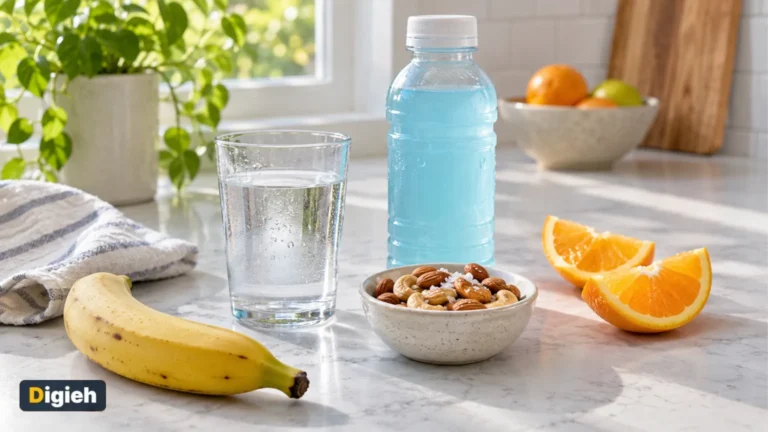
- Rest and drink plenty of fluids.
- Do not share or save leftover antibiotics.
URMC advises finishing the full course as prescribed. Stopping early may leave some bacteria alive.
The CDC warns against saving antibiotics for later or taking someone else’s. Doing so can delay correct treatment and cause side effects.
Common Side Effects
The CDC lists rash, dizziness, nausea, diarrhea and yeast infections as common antibiotic side effects. Most are mild.
More serious problems include severe allergic reactions and a gut infection called C. diff. The CDC says antibiotic side effects are the most common cause of medicine-related emergency visits in children.
URMC suggests that foods with probiotics may help restore helpful gut bacteria. Learn more in our guide on whether probiotics work.
Antibiotics and Alcohol
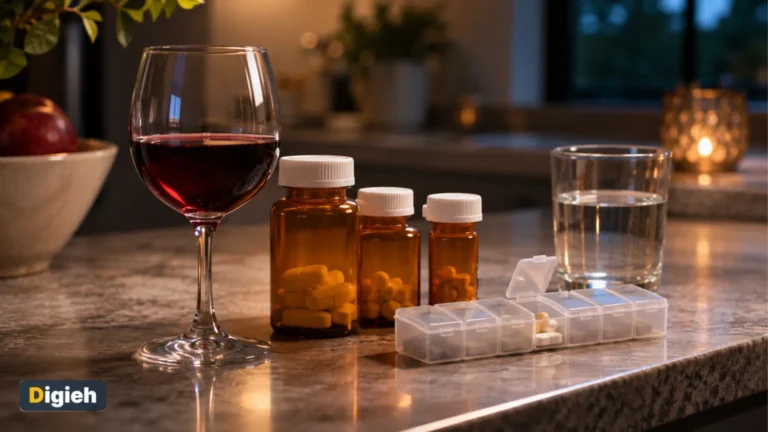
URMC advises avoiding alcohol because it can interact with some antibiotics. Alcohol can also slow your recovery.
Some antibiotics are especially risky with alcohol. MedlinePlus says not to drink while taking metronidazole and for at least three days after the last dose.
Read more in our guide to medicines and alcohol.
Rest and Recovery Tips
Antibiotics fight bacteria, but your body still needs support to heal. Simple habits help you bounce back faster.
- Get extra sleep while you recover.
- Drink water, broth or warm tea.
- Eat light, easy meals like soup, toast and rice.
- Ease back into exercise once fever is gone.
- Stay home from work or school as your doctor advises.
Listen to your body. If you feel worn out, it is a sign to rest a bit longer before returning to your normal routine.
Older Adults and Antibiotics
Older adults may take several medicines, which raises the chance of interactions. Tell your pharmacist about everything you take.
Side effects like diarrhea can lead to dehydration faster in older adults. Call the doctor early if problems appear, rather than waiting to see if they pass on their own.
Free updates
Join the Digieh list
Be the first to know when our weekly brief launches.
No spam. Unsubscribe anytime. Read our Privacy Policy.
When to Call Your Doctor
- You feel no better after two to three days
- Your symptoms get worse at any point
- You develop a rash, hives or swelling
- You have diarrhea that will not stop or contains blood
- Your fever returns after improving
URMC says to call your provider about persistent diarrhea, belly pain, nausea or fever, since C. diff can be serious. The CDC advises calling about any side effects.
Emergency signs. Call 911 for trouble breathing, swelling of the face or throat, or signs of a severe allergic reaction.
Why You Might Not Feel Better Yet
- The infection may need more time to clear.
- The illness may be viral, so antibiotics cannot help.
- The bacteria may not respond to the chosen antibiotic.
- You may have a second problem, like dehydration.
- Doses may have been missed or taken unevenly.
If you are not improving after two or three days, call your doctor. They may change the medicine or look for another cause.
If You Miss a Dose
Missing a dose happens. Check your prescription label or ask your pharmacist what to do.
Do not double up unless told to. Setting phone alarms can help you stay on schedule.
Food and Antibiotics
Some antibiotics work best on an empty stomach, while others should be taken with food. The label and your pharmacist will tell you which.
Certain antibiotics can be affected by dairy, antacids or supplements with calcium, iron or zinc. Ask your pharmacist how to time these.
- Read the pharmacy label carefully.
- Ask about dairy and supplements.
- Drink a full glass of water with each dose if directed.
- Keep eating light, healthy meals as you recover.
Antibiotics for Children
Liquid antibiotics for children must be measured carefully. Use the dosing tool that comes with the medicine, not a kitchen spoon.
Some liquid antibiotics need to be refrigerated, so check the label. Call your pediatrician if your child is not improving or develops a rash.
Myths About Antibiotics
| Myth | Fact |
|---|---|
| Antibiotics cure colds and flu | They only work on bacteria |
| Feeling better means you can stop | Follow your prescription unless told otherwise |
| Leftover antibiotics are good to keep | Saving them can cause harm later |
| Green mucus always means you need antibiotics | Viruses can cause colored mucus too |
Understanding how antibiotics work helps you use them wisely and keeps them effective for everyone.
Questions to Ask Your Doctor
- When should I expect to feel better?
- What side effects should I watch for?
- Should I take this with food?
- Can I drink alcohol while taking it?
- What should I do if I miss a dose?
Antibiotic Resistance
The CDC explains that any time antibiotics are used, they can contribute to antibiotic resistance. Resistant bacteria are harder to treat.
Using antibiotics only when needed helps keep them working. The CDC advises not pressuring your clinician for antibiotics.
Getting Rid of Leftover Antibiotics
Do not keep leftover antibiotics for future illnesses. The CDC suggests using a drug take-back program when possible.
No take-back option? The CDC says to mix medicine with dirt, kitty litter or used coffee grounds in a sealed bag. See our guide on how to dispose of old medicines.
Preventing Infections
- Wash your hands often.
- Cover coughs and sneezes.
- Stay home when sick.
- Get recommended vaccines, including the flu shot.
The CDC lists these habits as ways to stay healthy and reduce the need for antibiotics.
Your Antibiotic Checklist
- Take doses exactly as prescribed
- Expect improvement in two to three days
- Finish the course unless told otherwise
- Avoid alcohol if advised
- Watch for side effects
- Never share or save antibiotics
Try this today. Check your medicine cabinet for leftover antibiotics and take them to a pharmacy take-back program.
Test Yourself
Which illness will antibiotics NOT help?
- Strep throat
- The common cold
- A urinary tract infection
The CDC says antibiotics do not work on viruses, including those that cause colds.
Frequently Asked Questions
How long do antibiotics take to work?
Symptoms often improve within 48 to 72 hours.
Should I stop antibiotics when I feel better?
No. Finish the course unless your doctor says otherwise.
Why do I still feel sick on antibiotics?
Healing takes time. Call your doctor if you are not better in a few days.
Can I drink alcohol on antibiotics?
It is best to avoid it. Some antibiotics react badly with alcohol.
Conclusion
Antibiotics start working quickly, but most people need two to three days to feel better. Full recovery can take longer.
Take them exactly as prescribed and call your doctor if you are not improving.
Found this useful?
Editor’s Note
This guide is accurate as of November 10, 2026. It draws on the CDC, the University of Rochester Medical Center and MedlinePlus.
Follow your own prescription instructions.
Spot an error in this article? Please contact us at support@digieh.com or read our Corrections Policy.
Keep exploring
Your next read is waiting
 1FashionHow to Clean White Sneakers So They Shine9 min read
 2Fruits & VegetablesIron Rich Vegetables for Vegetarians and Better Absorption9 min read
 3MedicinesNasal Spray Rebound: Why Decongestant Sprays Stop Working9 min read
 4AI & TechClaude Fable 5.2 and Mythos 5.2: What Changed4 min read
 5Finance & MarketsAnthropic IPO Explained: Date, Ticker and Key Numbers5 min read
 6Travel & TourismHow to Pack a Carry-On for a Week9 min read