TRENDING
Winter Asthma Triggers and Proven Ways to Cope

10 min read
Last updated November 8, 2026
Many people with asthma notice their symptoms get worse in winter. Coughing, wheezing and a tight chest can show up more often when temperatures drop.
Winter brings a mix of triggers. Cold, dry air, respiratory viruses and indoor allergens all play a role.
The good news is that you can take steps to protect your lungs. This guide explains common winter triggers, practical ways to cope and the warning signs of a serious attack.
Key Takeaways
- Cold, dry air can irritate and narrow the airways.
- Colds, flu and other viruses are common winter asthma triggers.
- Indoor allergens build up when windows stay closed.
- A scarf over the mouth and nose warms the air you breathe.
- Trouble speaking or blue lips mean you should call 911.
Below 10°FTemperatures some experts consider dangerous for going outside with asthma, according to the American Lung Association.
Why Asthma Gets Worse in Winter
Asthma affects the airways that carry air to and from the lungs. In people with asthma, these airways are already swollen and sensitive.
According to the American Lung Association, dry, cold air evaporates the fluid that lines and protects the airways. That can leave them irritated and swollen.
Cold weather also makes the body produce more mucus. It becomes thicker and stickier, which can make breathing even harder.
People with asthma already have extra mucus and swollen airways. That is why these winter changes can hit them harder than others.
Winter also keeps people indoors and close together. That makes it easier for germs to spread and for indoor allergens to build up.
Each person’s triggers are a little different. Tracking your own symptoms helps you learn what affects you most.
Which winter trigger bothers your breathing most?
- Cold air
- Colds and flu
- Dust and pet dander
- Not sure
Top Winter Asthma Triggers
Cold, Dry Air
Breathing in cold air can set off coughing and wheezing quickly. Exercising outside adds to the risk, since fast mouth breathing pulls in more cool, dry air.
Colds, Flu and Other Viruses
Winter is respiratory virus season. Colds, flu, respiratory syncytial virus (RSV) and coronavirus disease 2019 (COVID-19) can all trigger asthma flares.
Indoor Allergens
Homes stay closed up in winter. Dust, pet dander and pests can build up indoors, according to the lung association.
Smoke
Smoke from a fireplace or wood stove can irritate sensitive airways. Riverside Health lists fire smoke among winter-specific triggers.
Secondhand tobacco smoke is another trigger to avoid. Ask guests to smoke outside and away from doors.
Holiday Decorations
A fresh Christmas tree can also set off symptoms for some people, Riverside notes. Dust on stored decorations may add to the problem.
Quick tip. Keep a spare scarf or neck warmer by the door. Grab it every time you head out in the cold.
Simple Ways to Cope With Cold Air
Cover Your Mouth and Nose
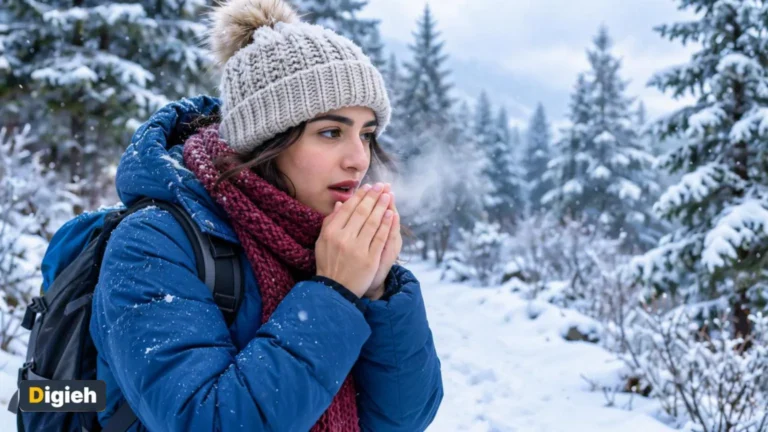
Loosely wrap a scarf over your mouth and nose when you go outside. It helps warm the air before it reaches your lungs.
Try to breathe in through your nose and out through your mouth. Your nose naturally warms and moistens the air.
Stay In on the Coldest Days
The lung association notes that some experts consider temperatures below 10 degrees dangerous for going outside. Move workouts indoors on bitter days.
Plan Ahead for Outdoor Exercise
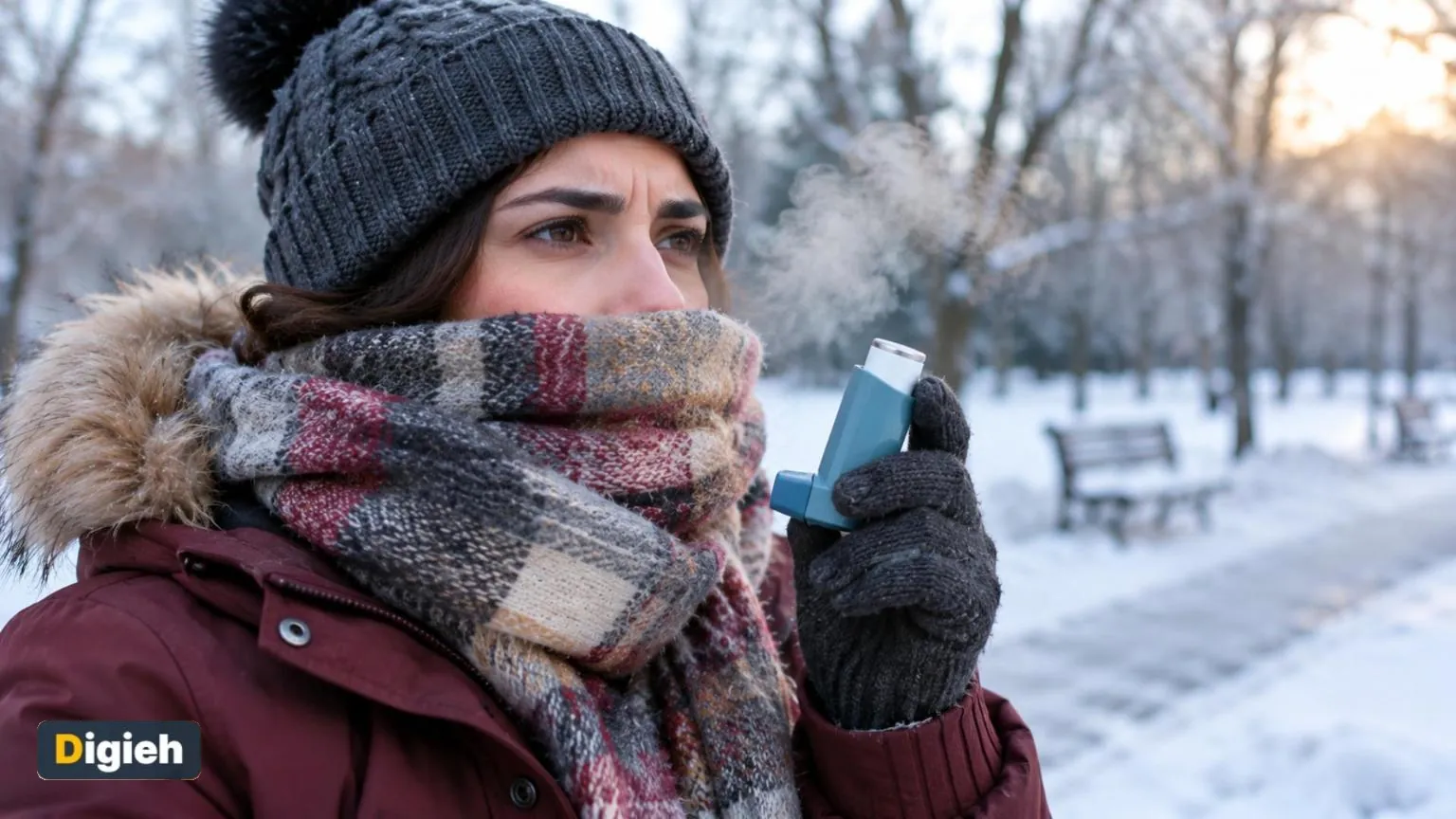
Ask your healthcare provider whether to use a quick-relief inhaler before exercising outside. Follow their instructions for timing.
Warm up slowly indoors before heading out. A gradual start can be easier on your airways.
Good to know. Your nose works like a natural heater. Breathing in through the nose warms and moistens cold air.
Protect Yourself From Winter Viruses
Staying healthy is one of the best ways to prevent winter flares. Keep your vaccines up to date, as the lung association recommends.
Wash your hands often and avoid close contact with sick people. Cover coughs and sneezes.
Drink plenty of fluids and get enough rest. Our guide to winter habits that boost your immunity shares more ideas.
Reduce Indoor Triggers
Clean Often
Vacuum and dust regularly. If dust bothers you, ask someone else to do the cleaning when possible, as Riverside suggests.
Wash Bedding in Hot Water
Wash sheets and blankets in hot water each week. Use allergen-proof covers on mattresses and pillows.
Keep Pets Out of the Bedroom
Pet dander settles on bedding and carpets. A pet-free bedroom gives your lungs a break overnight.
Consider an Air Cleaner
An air cleaner can help reduce airborne particles indoors. Change heating system filters regularly too.
- Wash bedding in hot water weekly
- Keep pets out of the bedroom
- Vacuum and dust often
- Avoid fireplace and tobacco smoke
- Change heating filters
- Check your rescue inhaler date
Heating, Humidity and Your Lungs
Indoor heating keeps homes warm, but it can also dry out the air. Very dry air can irritate sensitive airways.
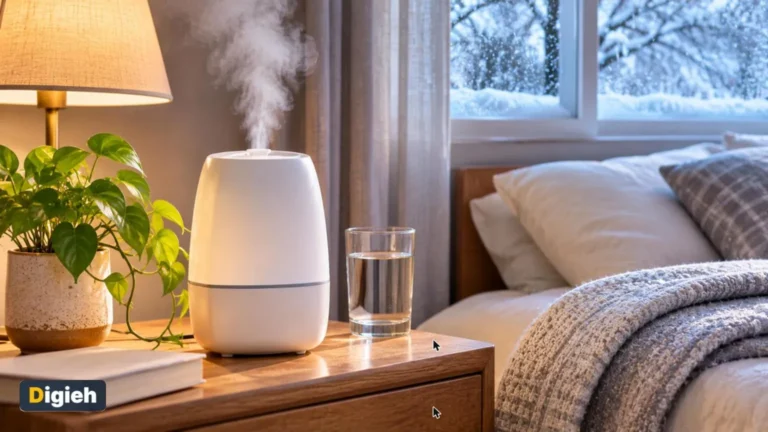
Some people find a humidifier makes breathing more comfortable. Clean it often, since dirty humidifiers can grow mold.
Too much humidity can cause problems too. Damp homes can encourage mold and dust mites, two common asthma triggers.
Have your furnace checked before winter. A clean system with fresh filters spreads less dust through your home.
Never use gas stoves or ovens to heat your home. They can release fumes that irritate lungs and raise carbon monoxide risk.
Know Your Early Warning Signs
Asthma flares often start small. Catching them early can keep them from getting worse.
Watch for a cough that lingers, especially at night. Notice if you feel short of breath during activities that are usually easy.
Wheezing, chest tightness and waking up at night with symptoms are other clues. Some people feel unusually tired or irritable before a flare.
Your asthma action plan should explain what to do when early signs appear. Follow it closely and contact your provider if things do not improve.
Staying Active Indoors
Exercise is good for people with asthma when it is well managed. Winter just means moving the workout inside more often.
Try walking at a mall, swimming at an indoor pool or following an online workout video. Yoga and stretching can also be gentle options.
Warm up slowly and cool down gradually. Keep your rescue inhaler nearby during any workout.
Our guide to staying active in winter has more ideas for keeping fit when it is cold.
Make an Asthma Action Plan
An asthma action plan is a written guide you create with your healthcare provider. It explains your daily medicines and what to do when symptoms get worse.
The lung association encourages everyone with asthma to have one. Keep copies at home, at work and in your child’s school.
Review your plan before winter starts. Make sure your rescue inhaler is not expired and that you have enough medicine.
Taking prescribed medicine as directed is one of the most important ways to avoid an attack, according to Riverside Health.
What is a simple way to warm cold air before breathing it in?
- Run outside quickly
- Wrap a scarf over your mouth and nose
- Hold your breath
A loose scarf over the mouth and nose warms the air you breathe.
Free updates
Join the Digieh list
Be the first to know when our weekly brief launches.
No spam. Unsubscribe anytime. Read our Privacy Policy.
Tips for Children With Asthma
Kids with asthma often play hard outside in winter. A little planning keeps them safe.
Dress children warmly and cover their mouths with a scarf or neck warmer. Make sure they carry their rescue inhaler if their doctor recommends it.
Share the asthma action plan with teachers and coaches. Everyone should know what to do if symptoms start.
Teach children to tell an adult right away when breathing feels hard. Practice what to say so they feel confident asking for help.
Keep indoor play options ready for very cold days. Board games, dance parties and craft projects keep kids moving and happy.
Common Myths About Winter Asthma
Myth. Asthma only flares in spring.
Many people have winter flares from cold air, viruses and indoor allergens. Triggers exist in every season.
Myth. Skipping medicine is fine when you feel good.
Daily control medicines work best when taken as prescribed. Stopping them without talking to your provider can lead to flares.
Myth. Exercise is unsafe with asthma.
Most people with well-controlled asthma can exercise safely. Work with your provider to find a plan that fits you.
Holiday Travel With Asthma
Pack all medicines in your carry-on bag. Bring a copy of your asthma action plan. Refill prescriptions before you leave so you do not run short far from home.
Hotel rooms and relatives’ homes may have pets, dust or smoke. Ask ahead and request a smoke-free room.
Our guide on staying healthy during holiday travel has more tips for the road.
Asthma at Work and School
Many people spend most of the day at work or school. These places can hold their own winter triggers.
Dusty classrooms, strong cleaning products and crowded hallways full of germs can all affect breathing. Talk with school staff or your employer about your needs.
Keep a rescue inhaler where you can reach it quickly. Make sure a coworker or teacher knows where it is.
Ask about air filters and cleaning schedules if dust is a problem. Small changes can make a big difference over a long winter.
Caring for Someone With Asthma
If a family member has asthma, learn their action plan too. Knowing what to do can calm everyone during a flare.
Help reduce triggers at home by keeping things clean and smoke-free. Encourage them to keep medicine on hand.
Practice what you would do in an emergency. Know where their inhaler is and when to call for help.
Building Healthy Habits
Simple daily habits support healthy lungs all year. Regular sleep, balanced meals and staying active all help your body fight illness.
Manage stress with short walks, deep breathing or quiet time. Stress can make asthma symptoms feel worse for some people.
Keep track of your symptoms in a notebook or app. Patterns can help you and your provider adjust your plan.
When to Get Help
Asthma attacks can become life-threatening. Know the emergency signs and act fast.
According to Asthma Canada, call 911 right away if someone has any of these signs.
- Trouble speaking, breathing or staying alert
- Lips or fingernails turning blue or gray
- No rescue inhaler available during an attack
- No improvement after using a rescue inhaler
While waiting for help, keep the person calm and sitting upright. Loosen tight clothing around the chest and neck, and follow their asthma action plan.
See your healthcare provider soon if you have more frequent flares or use your rescue inhaler more often than usual. Your treatment plan may need an update.
This article shares general health information, not medical advice. Talk with your healthcare provider about your own asthma.
Which sign means you should call 911 during an asthma attack?
- A mild cough
- A runny nose
- Blue or gray lips
Blue or gray lips or nails and trouble speaking are emergency signs.
Other Winter Breathing Problems
Not every winter cough is asthma. Allergies, colds and other infections can cause similar symptoms.
Our guide to winter allergies vs. cold symptoms explains the differences. If symptoms are new or unusual, check with your healthcare provider.
Try this today. Check the expiration date on your rescue inhaler. Make a copy of your asthma action plan for your bag.
Frequently Asked Questions
Why does cold air make asthma worse?
Cold, dry air dries out the protective fluid in the airways and leads to thicker mucus. Both can make breathing harder.
Does wearing a scarf help with asthma in winter?
Yes. A scarf loosely wrapped over the mouth and nose warms the air before you breathe it in.
Can a Christmas tree trigger asthma?
For some people, yes. Fresh trees and dusty decorations can set off symptoms.
Should people with asthma get a flu shot?
Health groups recommend keeping vaccines up to date. Ask your healthcare provider which vaccines are right for you.
When is an asthma attack an emergency?
Call 911 for trouble speaking or breathing, blue or gray lips, or no improvement after a rescue inhaler.
Conclusion
Winter can be tough on asthma, but you can stay ahead of it. Cover your mouth in cold air, avoid smoke and keep indoor allergens low.
Stay current on vaccines, follow your asthma action plan and know the emergency signs. With preparation, you can breathe easier all season.
Found this useful?
Editor’s Note
This article is accurate as of November 8, 2026. It draws on guidance from the American Lung Association, Riverside Health and Asthma Canada. It is general health information, not medical advice.
Spot an error in this article? Please contact us at support@digieh.com or read our Corrections Policy.
Keep exploring
Your next read is waiting
 1BusinessHow to Write a Powerful Year-End Self Review10 min read
 2SportsIce Hockey Rules Explained: Easy Guide for Beginners10 min read
 3EntertainmentSecret Santa Rules and Gift Ideas Everyone Loves10 min read
 4CarsHow to Drive in Snow Safely, Simple Tips That Work8 min read
 5Finance & MarketsRenters Insurance Explained: Simple Guide to Smart Coverage10 min read
 6TechnologySmart Ways to Protect Packages From Porch Pirates10 min read