TRENDING
How to Support Your Immune System This Winter

8 min read
Last updated November 10, 2026
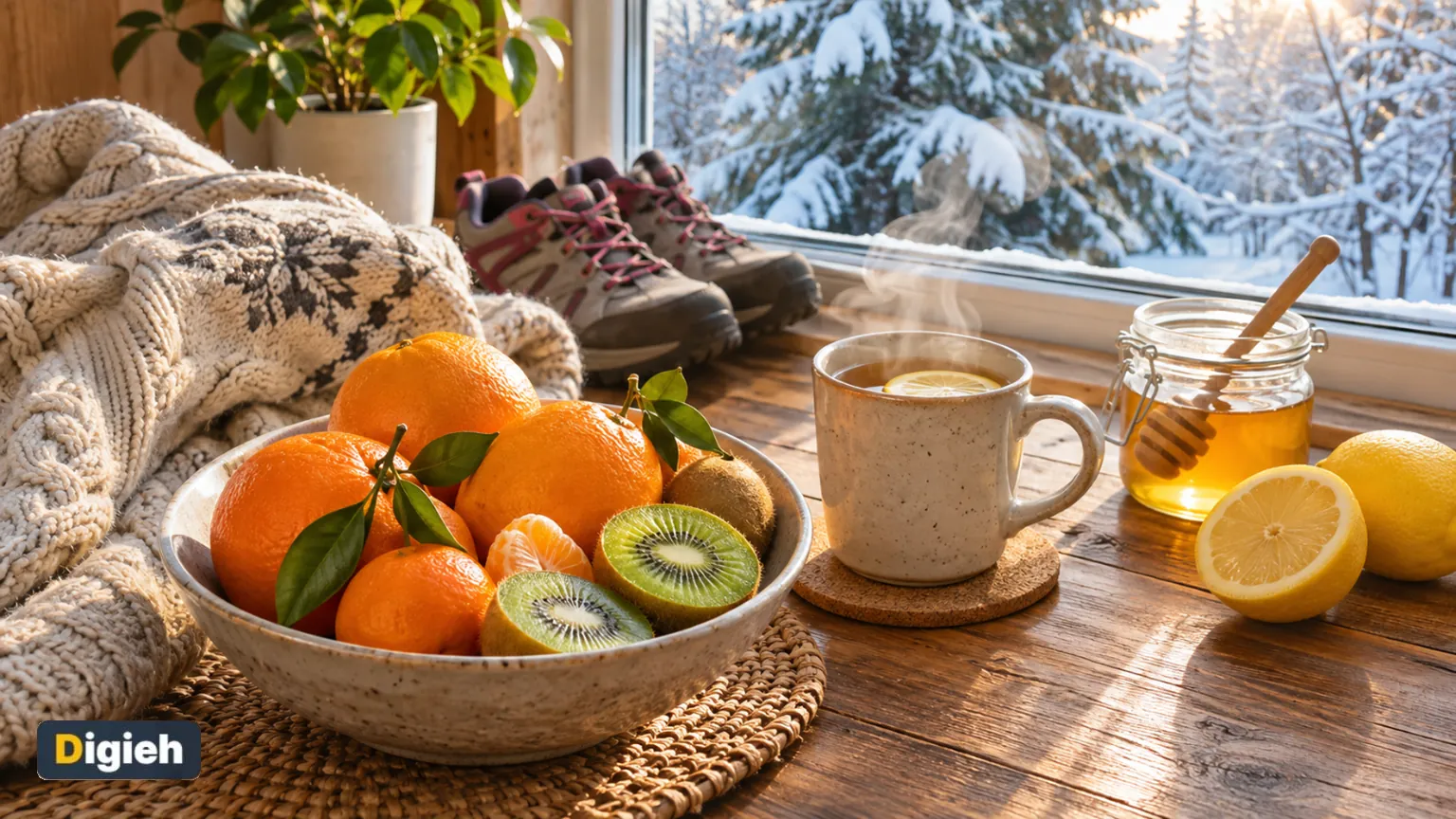
The best ways to support your immune system this winter are simple. Get your recommended vaccines, sleep at least seven hours, eat a varied diet, stay active and wash your hands often.
Supplements usually do not help healthy people who already get enough nutrients, according to the NIH. Steady daily habits matter far more than any single pill or “immune boosting” drink.
This guide explains what really helps, what the research says about popular supplements and when to call a doctor.
Health note. This article shares general information, not medical advice. Talk to your doctor or pharmacist before starting supplements, especially if you take medicine.
Key Takeaways
- The CDC recommends a yearly flu vaccine for everyone 6 months and older.
- Adults need 7 or more hours of sleep, which supports immune health.
- A varied diet gives your immune system the vitamins and minerals it needs.
- Supplements help mainly when you have a real deficiency.
- Handwashing and staying home when sick protect you and others.
Jump to a section
- Can you really boost immunity?
- Vaccines
- Sleep
- Food and nutrients
- What supplements can and cannot do
- Everyday habits
- Stress, exercise and alcohol
- If you get sick
- When to get help
- Frequently asked questions
Can You Really Boost Your Immune System?
You cannot flip a switch to supercharge immunity. Your immune system is a complex network that works best when your whole body is healthy.
That is why support is a better word than boost. Good sleep, nutrition, movement and vaccines all help your body respond well to germs.
Be wary of products that promise to boost immunity overnight. The NIH says extra nutrients from supplements generally do not prevent infections in people who are not deficient. They also rarely speed recovery.
6 monthsThe CDC recommends a yearly flu vaccine for everyone this age and older, per its flu prevention guide.
Get Your Recommended Vaccines
Vaccines train your immune system to recognize specific germs. The CDC says everyone 6 months and older should get a flu vaccine every season.
The CDC advises getting vaccinated ideally by the end of October. If you missed that window, it is still worth getting a shot while flu is spreading.
Ask your doctor or pharmacist which other vaccines you may need. Recommendations depend on your age, health and risk factors.
Quick tip. Many pharmacies give flu shots without an appointment. Bring your insurance card and ask about other vaccines while you are there.
Make Sleep a Priority
Sleep is when your body repairs and resets. The CDC says adults ages 18 to 60 need 7 or more hours each night.
| Age | Sleep the CDC recommends |
|---|---|
| 18 to 60 | 7 or more hours |
| 61 to 64 | 7 to 9 hours |
| 65 and older | 7 to 8 hours |
- Keep the same bedtime and wake time every day.
- Make your room calm, quiet, dark and cool.
- Put away screens about 30 minutes before bed.
- Limit caffeine in the afternoon and evening.
Short winter days can throw off sleep. Our guide on how to sleep better in winter has more tips.
Which habit is hardest for you in winter?
- Getting enough sleep
- Staying active
- Eating enough fruit and vegetables
- Not sure
Eat for a Healthy Immune System
The NIH lists many nutrients your immune system needs. These include vitamins A, B6, B12, C, D, E and K, plus folate, iron, selenium, magnesium and zinc.
A colorful, varied diet covers most of these. The NIH recommends getting nutrients from food first.
| Nutrient | Good food sources |
|---|---|
| Vitamin C | Kiwi, oranges, red peppers, strawberries |
| Vitamin D | Fatty fish, fortified milk and cereals |
| Zinc | Meat, beans, nuts, whole grains |
| Vitamin A | Carrots, sweet potatoes, leafy greens |
| Folate | Beans, leafy greens, beets |
| Protein | Eggs, fish, chicken, beans, yogurt |
Kiwi is a standout for vitamin C. Our kiwi health benefits guide explains why. For more seasonal ideas, see our winter produce guide.
Vitamin D can run low in winter because of less sunlight. Read our guide on vitamin D in winter to see who may need more.
What Supplements Can and Cannot Do
The NIH reviewed supplements for immune function. Here is a short summary.
| Supplement | What research suggests |
|---|---|
| Vitamin C | Regular use may ease and shorten colds, but taking it after a cold starts may not help |
| Vitamin D | May slightly lower respiratory infection risk, especially in people with low levels |
| Zinc | Lozenges started early may speed recovery from a cold |
| Elderberry | Does not seem to prevent colds, but may ease symptoms |
| Echinacea | May slightly lower cold risk, but does not shorten colds |
Supplements can interact with medicines, so the NIH advises talking to a health professional first. Follow the product label and ask a pharmacist about the right amount for you.
Curious about other popular supplements? Our magnesium guide shows how to judge supplement claims.
Everyday Habits That Protect You
The CDC recommends simple actions that cut the spread of germs.
- Wash your hands often with soap and water.
- Use an alcohol-based hand rub when soap is not available.
- Cover coughs and sneezes with a tissue, then throw it away.
- Avoid touching your eyes, nose and mouth.
- Stay away from people who are sick when you can.
- Bring in fresh air or use an air purifier indoors.
Traveling for the holidays? Our guide on staying healthy during holiday travel covers airports, flights and family visits.
Protect the People Around You
Supporting your own health also protects babies, older relatives and anyone with a weak immune system. They face a higher risk of serious illness from flu and other winter viruses.
- Get vaccinated before visiting newborns or older family members.
- Skip gatherings when you feel sick.
- Keep tissues and hand sanitizer handy.
Free updates
Join the Digieh list
Be the first to know when our weekly brief launches.
No spam. Unsubscribe anytime. Read our Privacy Policy.
Stress, Exercise and Alcohol
Manage Stress
Long-term stress can wear down your body. Short walks, calls with friends, prayer, meditation or deep breathing can help you reset.
Stay Active
Regular movement supports overall health. Aim for activity most days, even a brisk 20-minute walk.
Limit Alcohol and Quit Smoking
Heavy drinking and smoking strain the body. The NIH notes that smokers even need more vitamin C than nonsmokers.
A Simple Winter Wellness Routine
| Time | Habit |
|---|---|
| Morning | Get daylight and eat a fruit with breakfast |
| Midday | Take a short walk and drink water |
| Afternoon | Skip late caffeine and have a vegetable snack |
| Evening | Eat a balanced dinner and dim the lights |
| Bedtime | Put screens away and sleep 7 or more hours |
Small, repeatable habits beat big changes you cannot keep up. Pick two to start this week.
Track them on a simple calendar or phone app. Seeing a streak of good days makes it easier to keep going when winter drags.
If You Get Sick
Even healthy people catch colds and flu. The CDC advises staying home until symptoms improve. Wait at least 24 hours with no fever, without using fever-reducing medicine.
- Rest and drink plenty of fluids.
- Use a tissue and wash your hands to protect others.
- Follow the label on any cold medicine you take.
- Call your doctor early if you are at higher risk of complications.
The CDC says prescription flu antivirals work best when started within 2 days of symptoms. Ask your doctor quickly if you are older, pregnant or have a chronic health condition.
When to Get Help
Call your doctor if symptoms last more than about 10 days, keep getting worse or improve and then return.
Get emergency care for warning signs like these.
- Trouble breathing or shortness of breath
- Pain or pressure in the chest
- Confusion or trouble staying awake
- Bluish lips or face
- Signs of dehydration, such as very little urine
- A high fever that does not come down
Immune Myths and Facts
| Myth | Fact |
|---|---|
| More supplements mean stronger immunity | Extra nutrients rarely help if you are not deficient |
| Cold weather alone causes colds | Viruses cause colds, though we gather indoors more in winter |
| You can sweat out a cold | Rest and fluids help more than hard exercise when sick |
| Vitamin C cures colds | It may shorten colds a little, not cure them |
Your Winter Immune Checklist
- Get your flu vaccine
- Sleep 7 or more hours
- Eat colorful fruit and vegetables daily
- Move your body most days
- Wash your hands often
- Stay home when sick
- Ask before taking supplements
Try this today. Book your flu shot and set a bedtime alarm for tonight. Two small steps make a big difference.
Test Yourself
According to the NIH, when do supplements most often help immune health?
- Always, for everyone
- Only when taken in large amounts
- When a person has a real deficiency
The NIH says extra nutrients generally do not prevent infections in people who are not deficient.
Frequently Asked Questions
What is the fastest way to boost my immune system?
There is no instant boost. Sleep, vaccines, a varied diet and regular activity support your immune system over time.
Do vitamin C supplements prevent colds?
For most people, no. Regular use may slightly shorten colds, according to the NIH.
When should I get a flu shot?
The CDC advises getting vaccinated ideally by the end of October, but later is still helpful.
Does cold weather make you sick?
Viruses cause colds and flu. People gather indoors more in winter, which helps germs spread.
Conclusion
Supporting your immune system this winter comes down to everyday basics. Get vaccinated, sleep well, eat a colorful diet, stay active and wash your hands.
Skip miracle products and focus on two healthy habits you can start today.
Found this useful?
Editor’s Note
This guide is accurate as of November 10, 2026. Supplement findings come from the NIH Office of Dietary Supplements. Flu and sleep guidance come from the CDC.
This is general information, not medical advice. Talk to a health professional about your own health.
Spot an error in this article? Please contact us at support@digieh.com or read our Corrections Policy.
Keep exploring
Your next read is waiting
 1Fruits & VegetablesHigh Fiber Fruits and Vegetables for Better Digestion9 min read
 2MedicinesDaily Aspirin: Who Should Take It and Why9 min read
 3FashionHow to Layer Necklaces Without Tangles or Clutter9 min read
 4Science & DiscoveriesQuadrantid Meteor Shower 2027: Best Time to Watch9 min read
 5AI & TechClaude Fable 5.2 and Mythos 5.2: What Changed4 min read
 6Travel & TourismHow to Pack a Carry-On for a Week9 min read