TRENDING
How to Choose the Right Foundation Shade
Learn how to choose the right foundation shade in five easy steps. Find your undertone, swatch on your jawline, pick a finish and fix a shade that looks off.

8 min read
Last updated November 6, 2026
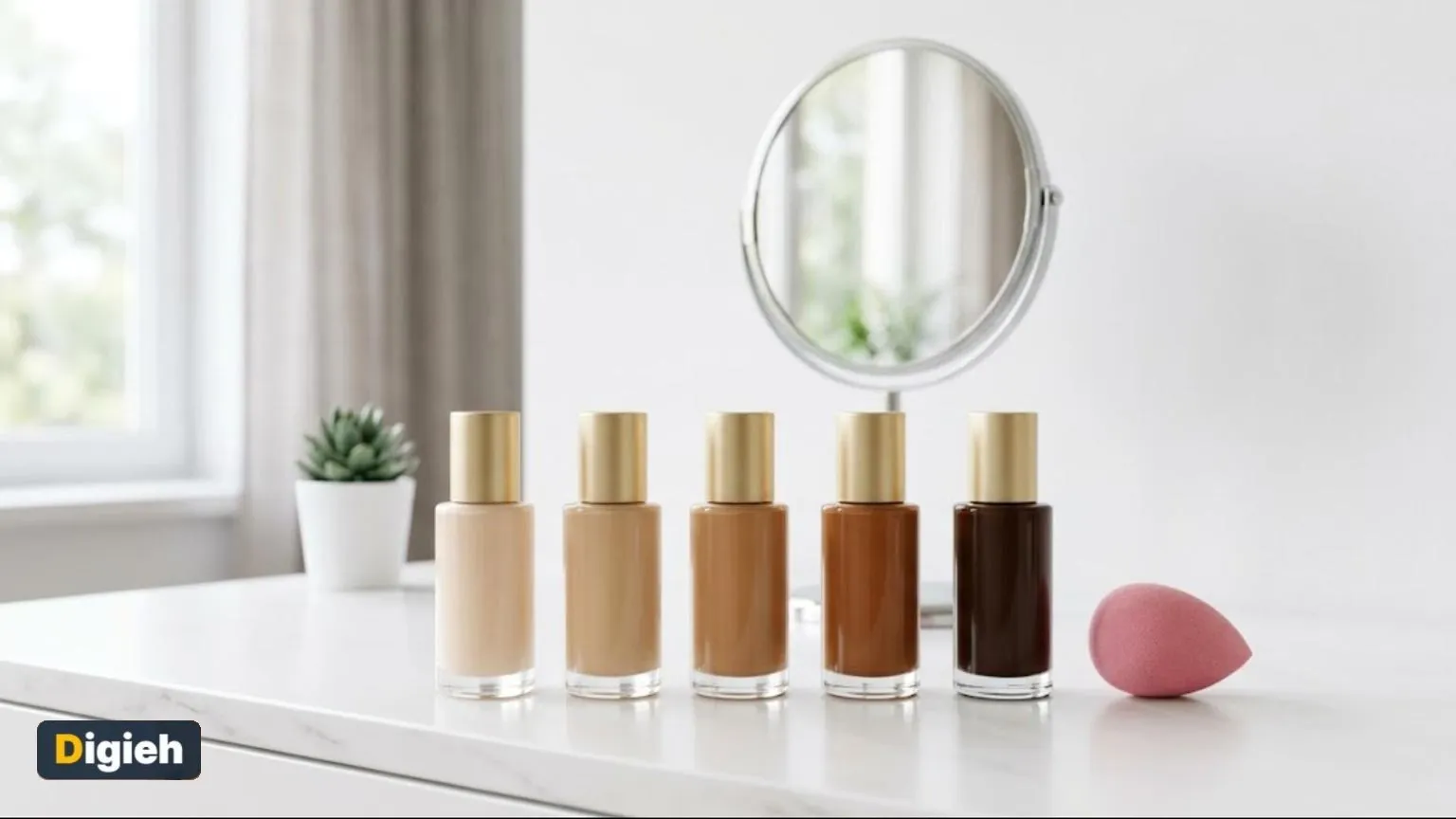
To choose the right foundation shade, first find your undertone by checking the veins on your wrist. Swatch three shades along your jawline in natural daylight. The shade that disappears into your skin is your match.
The wrong shade can look orange, gray or chalky. A few quick checks help you pick a foundation that looks like real skin.
Key Takeaways
- Know your undertone before you shop.
- Test on your jawline, not your hand.
- Check the color in natural daylight.
- Let the swatch dry for a few minutes.
- Adjust your shade as seasons change.
On This Page
- Know Your Skin Tone and Undertone
- How to Find Your Shade Step by Step
- Pick the Right Finish
- Shopping Tips
- How to Fix a Shade That Is Off
- Understanding Undertones
- Skin Tone vs Undertone
- Why Lighting Matters
- Choose the Right Coverage
- Foundation Types Compared
- Ask for Samples
- Seasonal Shade Changes
- Applying Foundation for a Natural Look
- Check the Ingredients
- Common Shade-Matching Mistakes
- Finding Shades for Deeper Skin Tones
Know Your Skin Tone and Undertone
Skin tone is how light or deep your skin looks. Undertone is the color beneath the surface.
The American Academy of Dermatology (AAD) explains basic skin care for every skin type.
Undertones are usually cool, warm or neutral. They decide whether a shade looks natural on you.
Cool undertones lean pink or blue. Warm undertones lean golden or peach. Neutral undertones sit in between.
3Shades swatched on your jawline help you find a true match.
How to Find Your Shade Step by Step
1. Check Your Veins
Blue or purple veins suggest cool undertones. Green veins suggest warm undertones. A mix often means neutral.
2. Try the Jewelry Test
Silver flatters cool skin. Gold flatters warm skin. Both suit neutral skin.
3. Swatch on Your Jawline
Apply three close shades in thin stripes from cheek to jaw.
Quick tip. Take a selfie near a window after swatching. Photos show which shade blends best.
4. Check in Daylight
Step near a window or outside. Store lights can change how colors look.
5. Wait and Recheck
Some formulas darken as they dry. Wait five minutes before deciding.
What is your undertone?
- Cool
- Warm
- Neutral
- Not sure yet
Pick the Right Finish
The academy shares tips for controlling oily skin.
| Skin Type | Best Finish |
|---|---|
| Dry | Dewy or hydrating |
| Oily | Matte or oil-free |
| Combination | Natural or satin |
| Mature | Light, hydrating formula |
Use this calculator to see how long your bottle will last.
Foundation bottle planner
Good to know. One pump is roughly 0.2 milliliters. Pumps vary by brand.
- Undertone checked
- Three shades to swatch
- Natural daylight
- Mirror or phone camera
- Sample to wear all day
- Return policy checked
Shopping Tips
Ask for free samples at beauty counters. Wear the sample for a full day.
The Food and Drug Administration (FDA) explains how cosmetic labels work.
Many brands offer online shade finders and easy returns. Check the return policy before you buy.
How to Fix a Shade That Is Off
Mix two shades if one is too light and one too dark. Many people use two shades year-round.
Add a drop of moisturizer to sheer out a shade that looks heavy.
Match Your Neck Too
Blend foundation down onto your neck. This avoids a visible line at the jaw.
If your face is darker than your neck, match the neck and add bronzer.
Add to calendar
Understanding Undertones
Your undertone is the color beneath the surface of your skin. It stays the same even when your skin tans or pales.
| Undertone | Common Signs | Shades That Often Suit |
|---|---|---|
| Cool | Pink or red hints, blue veins | Cool, pink or rosy shades |
| Warm | Golden hints, green veins | Warm, golden or yellow shades |
| Neutral | A mix of both, blue-green veins | Neutral shades |
| Olive | A green tint with warm tones | Neutral to warm shades |
Many people find their undertone confusing. If the tests disagree, start with a neutral shade.
Skin Tone vs Undertone
Skin tone and undertone are two different things. You need both to find a match.
Your skin tone is the surface color, such as fair, light, medium, tan or deep. It can change with sun exposure.
Your undertone is the hidden hue underneath. A fair person and a deep-toned person can both have warm undertones.
Foundation names often use numbers for depth and letters for undertone. For example, a “W” may mean warm and a “C” may mean cool.
Why Lighting Matters
Store lighting can fool your eyes. Bright, cool lights can make a shade look different than it does at home.
Check your swatch near a window or step outside. Natural daylight shows the truest color.
Look at your face in a mirror after a few minutes. Foundation can darken slightly as it dries on your skin.
Choose the Right Coverage
Coverage is how much the foundation hides. Pick the level that fits your needs and comfort.
- Sheer coverage. Evens out skin slightly and lets freckles show.
- Light coverage. Blurs small spots and redness.
- Medium coverage. Hides most spots for a polished look.
- Full coverage. Covers blemishes and discoloration completely.
Many people prefer a light or medium foundation. They add concealer only where needed.
Foundation Types Compared
Foundations come in many forms. Each one suits different skin types.
| Type | Feel | Best For |
|---|---|---|
| Liquid | Smooth and blendable | Most skin types |
| Cream | Rich and moisturizing | Dry skin |
| Powder | Light and matte | Oily skin |
| Stick | Portable and buildable | Quick touch-ups |
| Tinted moisturizer | Very sheer and hydrating | A natural, no-makeup look |
Choose a formula that feels comfortable. If you dislike how it feels, you will not wear it.
Ask for Samples
Buying the wrong shade can waste money. Many beauty counters offer free samples.
Ask the staff to put a small amount in a sample pot. Wear it for a full day before you buy.
Check how it looks in the morning and evening. See how it holds up over hours.
Some stores also accept returns on opened makeup. Ask about the policy before you buy.
Free updates
Join the Digieh list
Be the first to know when our weekly brief launches.
No spam. Unsubscribe anytime. Read our Privacy Policy.
Seasonal Shade Changes
Many people get lighter in winter and darker in summer. One shade may not work all year.
Some people keep two shades. They mix them together during the in-between months.
A small drop of bronzer or a lighter shade can also adjust your foundation. Mix it in your palm before you apply it.
Applying Foundation for a Natural Look
The right technique helps even a good match look better.
- Start with moisturized skin and primer.
- Apply a small amount to the center of your face.
- Blend outward toward your hairline and jaw.
- Use a damp sponge or brush for a smooth finish.
- Build up thin layers only where you need more coverage.
Blend down onto your neck slightly. This avoids a visible line at the jaw.
Check the Ingredients
People with sensitive skin should read labels carefully. Fragrance is a common cause of irritation.
Look for products marked fragrance-free or for sensitive skin. Patch test a new foundation on a small area first.
If you notice redness, itching or breakouts, stop using the product. See a dermatologist if the problem continues.
The academy shares tips for preventing common skin problems.
Common Shade-Matching Mistakes
Many people pick the wrong shade for simple reasons. Avoid these common errors.
- Testing on the back of your hand, which differs from your face
- Choosing a shade that is too light to look “brighter”
- Picking a shade in harsh store lighting only
- Ignoring your neck and chest
- Buying without wearing a sample first
Take a photo in natural light with the swatches on your jaw. It helps you compare later.
Finding Shades for Deeper Skin Tones
People with deeper skin tones often have trouble finding a match. Many brands now offer wider shade ranges.
Look for brands with many deep shades and clear undertone labels. Test in daylight, since some shades can look gray or ashy.
If one shade does not match fully, mixing two shades can help. Ask the counter staff for advice.
Foundation Mistakes to Avoid
Some habits make finding the right shade harder. Watch out for these common mistakes.
- Testing shades on your hand instead of your jaw
- Choosing a shade under store lighting only
- Ignoring your skin’s undertone
- Buying full sizes without trying samples
Swatch shades on your jawline and check them in daylight. The right shade should disappear into your skin.
Adjust Through the Seasons
Your skin tone can change a little between summer and winter. Your foundation may need to change too.
Some people keep two shades and mix them as needed. This helps you match your skin all year.
Ask for Help
Many beauty counters offer free shade matching. Ask for samples to test at home.
Take your time, and test each shade for a full day.
Try this today. Swipe three shades along your jawline and check them in daylight. The one that disappears is your match.
Test Yourself
Where should you test foundation?
- Back of your hand
- Along your jawline
- On your forehead only
The jawline matches both face and neck.
Green veins usually mean which undertone?
- Warm
- Cool
- None
Green veins often point to warm undertones.
Frequently Asked Questions
Where should I test foundation?
On your jawline, so it matches face and neck.
Why does my foundation look orange?
The shade may be too warm or too dark for you.
Does my shade change in winter?
Yes. Many people go a shade lighter in winter.
Can I use one foundation all year?
Some people can. Others mix two shades.
What is the difference between skin tone and undertone?
Skin tone is the surface color. Undertone is the hue beneath it and does not change with the sun.
How do I know if I have olive skin?
Olive skin often has a slight green or gray tint mixed with warm tones.
Should I get foundation samples?
Yes. Wear a sample for a full day before you buy a full bottle.
Why does my foundation darken after a few hours?
Skin oils can oxidize some formulas. Try a shade slightly lighter or use a primer.
Wrapping Up
Check your undertone today and swatch three shades on your next shopping trip. Your perfect match is closer than you think.
Try fresh looks with our holiday makeup ideas. Prep your skin with our winter skin care tips.
Found this useful?
Editor’s Note
This guide is accurate as of November 6, 2026. Stop use if a product irritates your skin.
Spot an error in this article? Please contact us at support@digieh.com or read our Corrections Policy.
Keep exploring
Your next read is waiting
 1HealthHiccups: Causes, Quick Fixes and When to Worry7 min read
 2Beauty & Personal CareDandruff vs Dry Scalp: Signs, Causes and Treatment7 min read
 3Pets & AnimalsKennel Cough in Dogs: Signs, Treatment and Recovery7 min read
 4Home & KitchenFridge Without Power: How Long Food Stays Safe7 min read
 5MedicinesIs Sugar an Electrolyte? The Simple Science Answer7 min read
 6HealthShin Splints: Causes, Relief, Recovery and Easy Prevention7 min read