TRENDING
How to Save Money on Groceries: 12 Smart Tips
Learn how to save money on groceries with 12 smart tips. Plan meals, compare unit prices, use digital coupons and cut food waste to lower your weekly bill.

8 min read
Last updated November 6, 2026
To save money on groceries, plan your meals and shop with a list. Compare unit prices and choose store brands. Use digital coupons and loyalty apps, and cook more at home.
These habits can trim your food bill every week, even as prices stay high. They matter even more during the holidays, when big meals stretch budgets.
Prices and deals vary by store and region. Check your local store’s weekly ad before you shop.
Key Takeaways
- A weekly meal plan helps you buy only what you need.
- Store brands often cost less than name brands.
- Unit prices show the true cost per ounce or pound.
- Digital coupons and loyalty apps add up over time.
- Buying in season and freezing extras cuts waste.
On This Page
- Why Grocery Bills Keep Climbing
- 12 Ways to Save Money on Groceries
- Saving on Holiday Meals
- Set a Grocery Budget
- Build a Budget-Friendly Pantry
- Cheap Meal Ideas
- Use Leftovers Creatively
- Shop the Store Smartly
- Try Different Stores
- Grow a Few Herbs at Home
- Get Help if Money Is Tight
- Teach Kids About Food Budgets
- Track Your Savings
Why Grocery Bills Keep Climbing
Food prices in the United States have risen for several years. The U.S. Department of Agriculture (USDA) expects them to keep rising in 2026, as Supermarket News reported.
That makes smart shopping habits more useful than ever.
12Simple habits in this guide that can lower your grocery bill every week.
12 Ways to Save Money on Groceries
The FoodKeeper app helps you use food before it spoils.
1. Plan Your Meals
Plan meals for the week before you shop. Build them around what you already have at home.
2. Shop With a List
A list keeps you focused. Stick to it and skip impulse buys near the checkout.
3. Choose Store Brands
Store brands are often made to similar standards as name brands. They usually cost less.
Quick tip. Shop after a meal. People tend to buy more snacks and extras when they shop hungry.
4. Compare Unit Prices
Look at the price per ounce or pound on the shelf tag. A bigger package is not always the better deal.
5. Use Digital Coupons
Most grocery chains offer free apps with digital coupons. Clip them before you shop.
6. Join Loyalty Programs
Loyalty cards can unlock member prices and fuel rewards. Sign up at the stores you visit most.
What is your favorite way to save on groceries?
- Store brands
- Digital coupons
- Meal planning
- Not sure
7. Buy Produce in Season
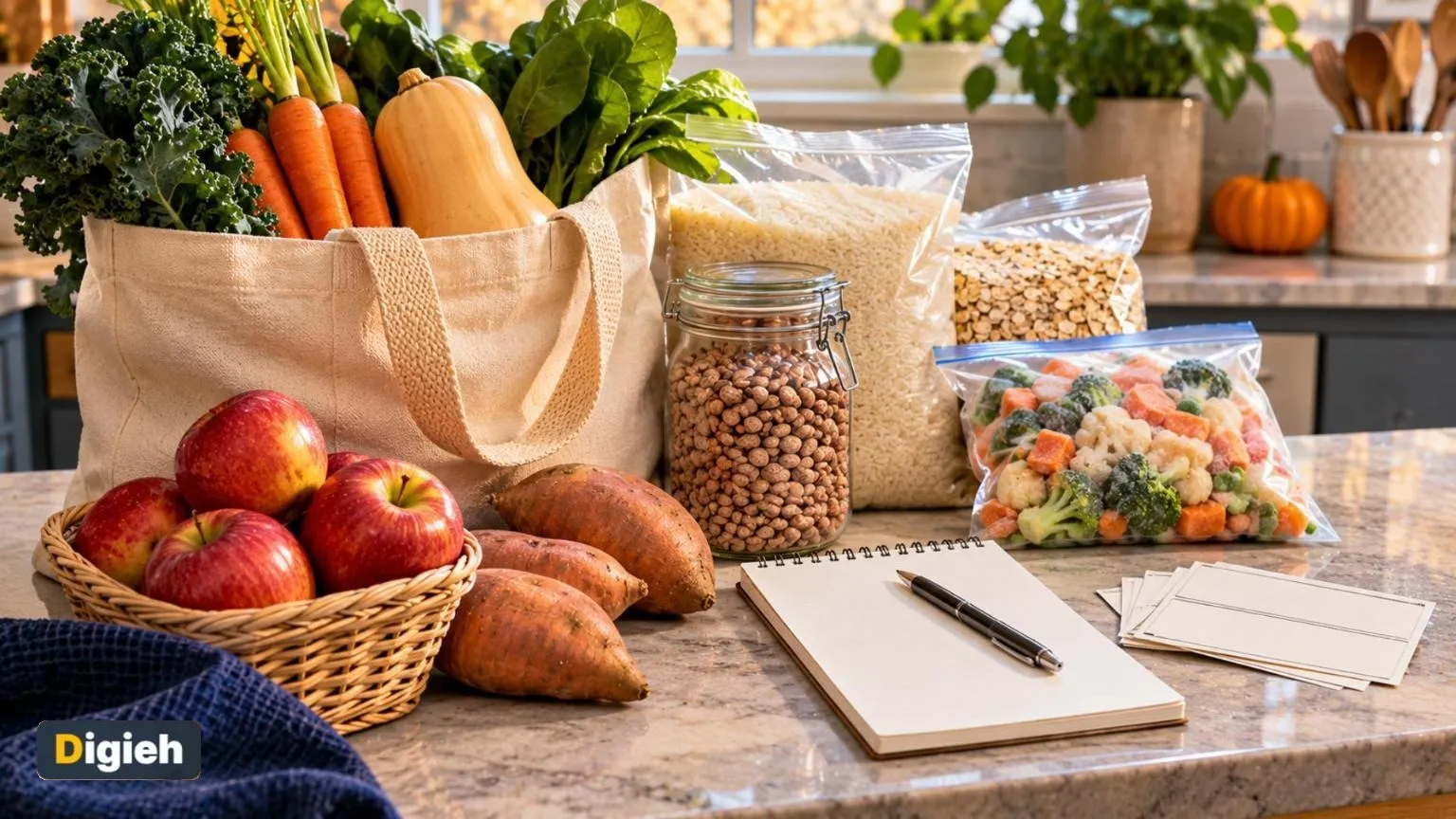
Fruits and vegetables in season often cost less and taste better. In fall and winter, look for apples, squash and sweet potatoes.
8. Try Frozen Fruits and Vegetables
Growers freeze produce at its peak. It lasts longer and often costs less than fresh.
9. Buy in Bulk Wisely
Bulk buying saves money on items you use often, like rice, beans and oats. Skip bulk deals on foods that may spoil.
10. Cook More at Home
Restaurant and takeout meals cost far more than home cooking. Try batch cooking on weekends to save time.
11. Cut Food Waste
Use leftovers for lunches and freeze extras before they spoil. Throwing out less food means buying less.
12. Shop Less Often
Fewer trips mean fewer chances for impulse buys. Try one big trip a week.
Good to know. Check “use by” and “best by” dates on sale items. Only buy what you can use or freeze in time.
Saving on Holiday Meals
Holiday meals can get expensive fast. A few tricks help.
Offers can change and many vary by location. Confirm before you go.
- Watch for turkey deals in the weeks before Thanksgiving.
- Ask guests to bring a side dish or dessert.
- Buy baking staples like flour, sugar and butter when they go on sale.
- Make simple sides from scratch instead of buying premade.
Set a Grocery Budget
Start by checking what you spent on food last month. Then set a weekly limit you can stick to.
The Consumer Financial Protection Bureau (CFPB) offers free money tools and guides.
Use this calculator to see your weekly grocery budget.
Weekly grocery budget calculator
| Habit | How it saves |
|---|---|
| Meal planning | Fewer wasted ingredients |
| Store brands | Lower shelf prices |
| Unit pricing | Spot the real best deal |
| Digital coupons | Instant savings at checkout |
| Cooking at home | Much cheaper than takeout |
- Check what you already have
- Plan meals for the week
- Write a shopping list
- Clip digital coupons
- Compare unit prices
- Freeze leftovers
Add to calendar
Build a Budget-Friendly Pantry
A well-stocked pantry helps you cook cheap meals without extra trips. Focus on versatile staples.
| Category | Budget Staples |
|---|---|
| Grains | Rice, oats, pasta, bread |
| Proteins | Dried or canned beans, lentils, eggs, canned tuna |
| Produce | Potatoes, onions, carrots, cabbage, bananas |
| Frozen | Mixed vegetables, berries, chicken thighs |
| Flavor | Salt, pepper, garlic, dried herbs, broth |
Buy staples when they go on sale. Store them properly so they last.
Cheap Meal Ideas
Simple meals made from staples keep costs down. They are also quick to make.
- Bean and rice burritos
- Vegetable soup with crusty bread
- Pasta with tomato sauce and frozen vegetables
- Egg fried rice
- Lentil curry
- Baked potatoes with toppings
- Oatmeal with fruit for breakfast
Cook a big pot and enjoy leftovers for lunch. Batch meals save both time and money.
Use Leftovers Creatively
Leftovers can become entirely new meals. This stretches your food budget further.
- Turn roast chicken into soup, tacos or salad.
- Use leftover rice for fried rice.
- Blend soft vegetables into soups or sauces.
- Make bread pudding or croutons from stale bread.
- Freeze ripe bananas for smoothies or banana bread.
Label leftovers with the date. Most cooked leftovers last three to four days in the fridge.
Shop the Store Smartly
Stores often use layouts that encourage you to spend more. A few habits help you avoid extra purchases.
- Shop the outer aisles for fresh foods first.
- Look at higher and lower shelves, where cheaper items often sit.
- Avoid shopping when you are hungry.
- Leave kids at home when you can.
- Set a time limit for your trip.
End-of-aisle displays are not always deals. Compare prices before adding items to your cart.
Free updates
Join the Digieh list
Be the first to know when our weekly brief launches.
No spam. Unsubscribe anytime. Read our Privacy Policy.
Try Different Stores
Prices can vary a lot between stores. Shopping around can lead to big savings.
| Store Type | Good For |
|---|---|
| Discount grocery stores | Everyday staples at low prices |
| Warehouse clubs | Bulk items for large families |
| Farmers markets | Seasonal produce, especially late in the day |
| Ethnic grocery stores | Spices, rice and produce at lower prices |
| Online grocery services | Price comparison and avoiding impulse buys |
You do not need to visit many stores every week. Find one or two that fit your needs and budget.
Grow a Few Herbs at Home
Fresh herbs can be expensive at the store. Growing a few at home saves money.
Basil, parsley, mint and chives grow well in pots on a sunny windowsill. They need little care.
Snip what you need for each meal. The plants keep growing for weeks.
A proposed federal rule could affect food stamps and school meals. See what parents can do now.
Get Help if Money Is Tight
If you struggle to afford food, help is available. There is no shame in asking.
Local food banks and pantries offer free groceries. Many communities also run meal programs.
You may qualify for food assistance programs like the Supplemental Nutrition Assistance Program (SNAP). Check your state’s website or call 211 to find local help.
Teach Kids About Food Budgets
Kids can learn smart shopping habits early. Involve them in planning and shopping.
Let them help choose meals for the week. Show them how to compare prices on shelf tags.
Give older kids a small budget to plan one meal. It builds money and cooking skills together.
Track Your Savings
Write down your grocery spending each week. Compare it with your budget.
Celebrate when you stay under budget. Put the savings toward a goal, like an emergency fund or a special treat.
Grocery Shopping Mistakes to Avoid
Some habits can quietly raise your grocery bill. Watch out for these common mistakes.
- Shopping while you are hungry
- Going to the store without a list
- Buying in bulk items you will not use in time
- Ignoring the price per unit on shelf tags
Eat a snack before you shop and stick to your list. These two habits alone can save money.
Cook More Meals at Home
Cooking at home usually costs less than eating out. It also helps you use the food you buy.
Pick a few simple recipes your family enjoys and rotate them. Cook larger batches and freeze extra portions.
Plan one night each week to use up leftovers. This cuts waste and gives you a night off from cooking.
Shop With the Seasons
Fruits and vegetables often cost less when they are in season. They also tend to taste fresher.
Try this today. Check your fridge and pantry before your next trip. Plan three meals around what you already have.
Test Yourself
What shows the true cost of a grocery item?
- The package size
- The brand name
- The unit price
Unit price shows the cost per ounce or pound.
Which item is usually a smart bulk buy?
- Rice
- Fresh berries
- Fresh bread
Rice keeps well for a long time. Berries and bread spoil fast.
Frequently Asked Questions
What is the best way to save money on groceries?
Plan your meals, shop with a list and choose store brands.
Are store brands as good as name brands?
Many store brands are similar in quality and cost less.
Is buying in bulk worth it?
Yes, for foods you use often and that keep well, like rice and beans.
How can I save on Thanksgiving dinner?
Watch for turkey deals, ask guests to bring dishes and make sides from scratch.
What are cheap pantry staples?
Rice, oats, pasta, beans, lentils, eggs, potatoes and frozen vegetables are budget-friendly.
How can I use leftovers to save money?
Turn them into new meals, like soup, tacos, fried rice or bread pudding.
Where can I get help if I cannot afford groceries?
Local food banks and programs like Supplemental Nutrition Assistance Program (SNAP) can help. Call 211 to find local resources.
Are warehouse clubs worth it?
They can save money for large families on items you use often.
Wrapping Up
Pick two tips to try on your next shopping trip, like a meal plan and store brands. Small changes can add up to real savings each month.
Put those savings to work with our emergency fund guide. For the big meal, try our easy Thanksgiving side dishes.
Found this useful?
Editor’s Note
This guide is accurate as of November 6, 2026. Prices and deals vary by store and region.
Spot an error in this article? Please contact us at support@digieh.com or read our Corrections Policy.
Keep exploring
Your next read is waiting
 1HealthRestless Legs Syndrome: Symptoms, Causes and Night Relief7 min read
 2Pets & AnimalsCat Urinary Problems: Signs That Need Urgent Care7 min read
 3MedicinesIs Sugar an Electrolyte? The Simple Science Answer7 min read
 4Home & KitchenFridge Without Power: How Long Food Stays Safe7 min read
 5Beauty & Personal CareDandruff vs Dry Scalp: Signs, Causes and Treatment7 min read
 6HealthPinched Nerve in the Neck: Symptoms and Relief7 min read