TRENDING
Daily Salt Intake: How Much Sodium Is Safe
Daily salt intake explained: safe sodium limits, salt vs sodium, a sodium tracker and converter, limits for children, hidden sources and ways to cut back.

7 min read
Last updated November 22, 2026
Most adults should keep sodium under 2,300 milligrams a day, about 1 teaspoon of salt. The World Health Organization sets a lower goal of under 2,000 milligrams.
Most people eat far more than that, mostly from packaged and restaurant food. Use the tracker below to add up your sodium from food labels.
Health note. This article is for general information only and is not medical advice. People with heart, kidney or blood pressure problems should ask their doctor for a personal target.
Daily Sodium Tracker
Try it
Add up your sodium for today
Type the sodium from each food label. Add as many foods as you like.
Bar shows your total against the 2,300 mg daily limit.
Salt and sodium converter
Guide only. Limits come from the World Health Organization (2,000 mg) and United States guidelines (2,300 mg). One gram of salt holds 400 mg of sodium.
Key Takeaways.
- The World Health Organization recommends under 2,000 milligrams of sodium, or 5 grams of salt, a day.
- United States guidelines set the limit at under 2,300 milligrams, says the Food and Drug Administration.
- The UK limit for adults is 6 grams of salt, about 1 level teaspoon.
- Americans eat about 3,400 milligrams a day on average.
- Over 70 percent of sodium comes from packaged and prepared foods.
Jump to a section
- Daily sodium tracker
- How much is safe
- Official advice compared
- Salt vs sodium
- Limits for children
- Where sodium hides
- How to read labels
- How to cut back
- Signs of too much salt
- When to Get Help
- Questions to Ask Your Doctor
- Frequently Asked Questions
- Sources
- Conclusion
How Much Sodium Is Safe?
Your body needs a little sodium to control fluids and help nerves and muscles work. Too much raises blood pressure, which strains the heart and kidneys.
The World Health Organization recommends adults eat less than 2,000 milligrams of sodium a day. That equals less than 5 grams of salt, just under a teaspoon.
1.7 millionDeaths each year linked to eating too much sodium, per the World Health Organization.
Worldwide, adults eat about 4,278 milligrams a day on average, more than double the goal, the organization says.
Official Advice Compared
| Question | World Health Organization | Food and Drug Administration (US) | National Health Service (UK) |
|---|---|---|---|
| Adult limit | Under 2,000 mg sodium | Under 2,300 mg sodium | No more than 6 g salt |
| In salt terms | Under 5 g salt | About 5.75 g salt | About 2,400 mg sodium |
| Average intake | 4,278 mg worldwide | About 3,400 mg in the United States | Not stated on this page |
| Children | Lower, based on energy needs | Lower for children under 14 | Set by age, from 2 g to 6 g salt |
Sources: World Health Organization, Food and Drug Administration and National Health Service, checked November 22, 2026. Salt conversions use 1 gram of salt equals 400 milligrams of sodium.
Some people need less. The DASH diet has a lower-salt version at 1,500 milligrams for a bigger drop in blood pressure.
Salt vs Sodium: What Is the Difference?
Salt and sodium are not the same thing. Table salt is sodium chloride, and sodium is one part of it, says the Food and Drug Administration.
One gram of salt contains 400 milligrams of sodium, according to the World Health Organization. To turn sodium into salt, divide by 400.
| Salt | Sodium |
|---|---|
| 1 gram | 400 mg |
| 2.5 grams | 1,000 mg |
| 5 grams | 2,000 mg |
| 6 grams (about 1 teaspoon) | 2,400 mg |
Source: World Health Organization conversion of 1 gram of salt to 400 mg of sodium.
Other additives contain sodium too, like monosodium glutamate and baking soda.
Salt Limits for Children
Children need much less salt than adults. The National Health Service gives these daily maximums.
| Age | Maximum salt a day |
|---|---|
| Under 1 year | Less than 1 g |
| 1 to 3 years | 2 g |
| 4 to 6 years | 3 g |
| 7 to 10 years | 5 g |
| 11 years and over | 6 g |
Source: National Health Service. Babies should have very little salt because their kidneys are still developing.
Do you check sodium on food labels?
- Always
- Sometimes
- Never
- Not sure
Free updates
Join the Digieh list
Be the first to know when our weekly brief launches.
No spam. Unsubscribe anytime. Read our Privacy Policy.
Where Sodium Hides
Packaged and prepared foods supply over 70 percent of the sodium Americans eat, says the Food and Drug Administration.
- Bread and rolls.
- Deli meats and cured meats.
- Pizza.
- Soups.
- Burritos and tacos.
- Savory snacks like chips and crackers.
- Cheese.
- Sauces like soy sauce, ketchup and gravy.
The World Health Organization also names processed meats, snack foods and condiments like soy and fish sauce.
Even healthy-sounding foods can be salty. A bowl of homemade chicken noodle soup lets you control the salt.
How to Read Food Labels
In the United States, check the percent Daily Value on the Nutrition Facts label. The Food and Drug Administration says 5 percent or less is low and 20 percent or more is high.
In the UK, pick packs with green and amber front labels, says the National Health Service.
- Check the serving size first.
- Compare brands and pick the lower one.
- Look for no-salt-added or low-sodium versions.
- Watch out for multiple servings in one pack.
Our guide on reading drug facts labels uses the same skills for medicines.
How to Cut Back on Salt
- Cook more meals at home.
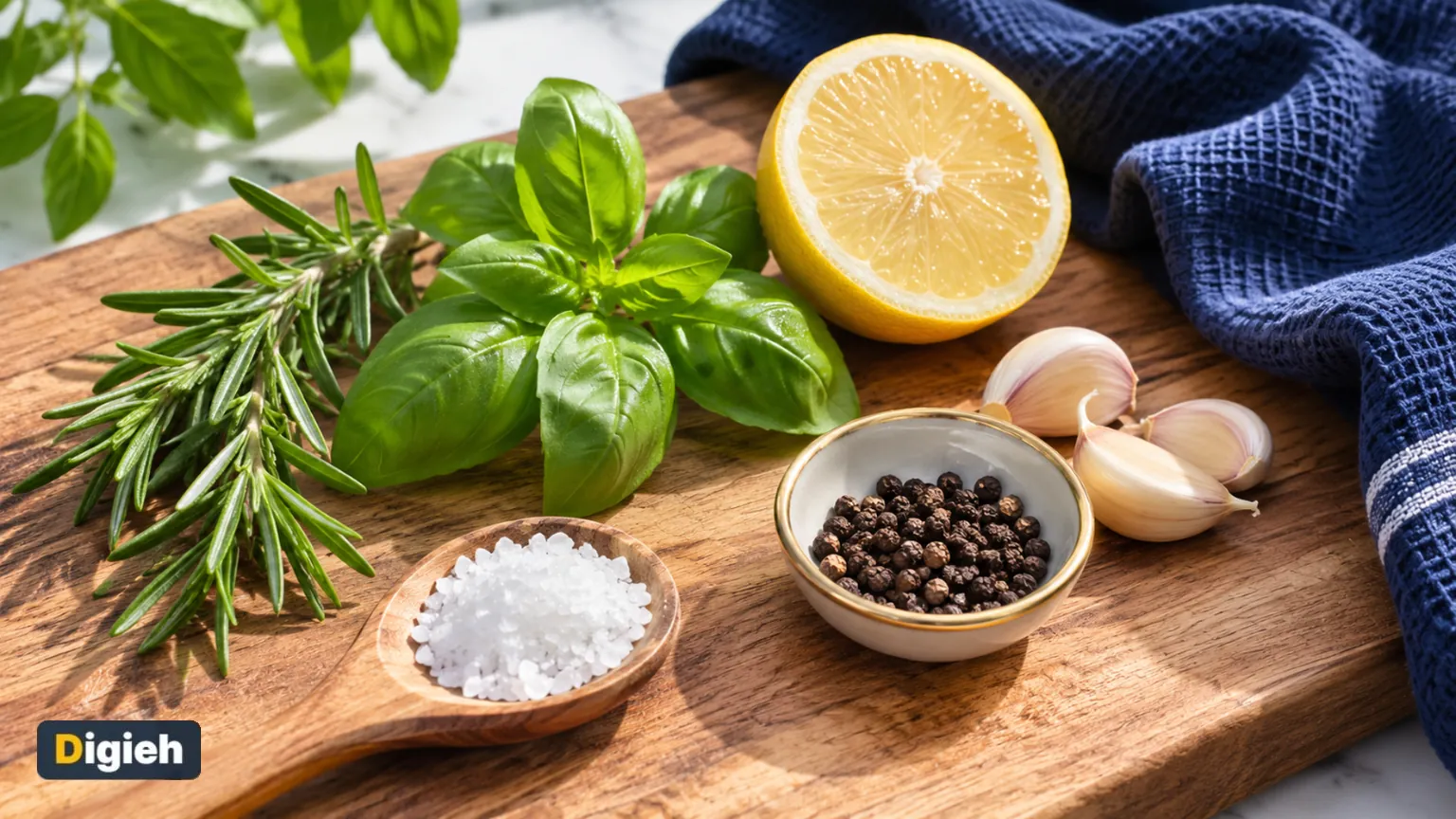
- Season with herbs, spices, garlic, black pepper or lemon juice.
- Taste food before adding salt.
- Rinse canned beans and vegetables.
- Choose fresh or frozen vegetables without sauce.
- Buy canned fish and beans in water, not brine.
- Eat salty foods like cheese, olives and cured meats less often.
- Keep the salt shaker off the table.
- Ask restaurants for less salt.
These tips come from the Food and Drug Administration and the National Health Service.
Try this today. Today, swap one salty snack for fruit, vegetable sticks or unsalted nuts. Your taste buds adjust to less salt over time.
Try potassium-rich foods
Potassium helps balance sodium. The World Health Organization suggests lower-sodium salt substitutes that contain potassium. Ask your doctor first if you have kidney disease.
See our list of potassium-rich fruits and vegetables.
Signs You Eat Too Much Salt
Too much salt often causes no clear symptoms day to day. Over time, it raises blood pressure, which can lead to heart disease and stroke.
- Higher blood pressure readings over time.
- Feeling thirsty after salty meals.
- Swelling in the hands or feet, which also has other causes.
Blood pressure tends to rise in winter too. Read our tips on blood pressure in winter. Salt also matters for kidney health.
Salt Myths
- Myth: Less salt means bland food. Herbs, spices, garlic and lemon add plenty of flavor, says the National Health Service.
- Myth: If food does not taste salty, it is low in salt. Bread and cereal can be high in sodium.
- Myth: Only older people need to worry. Children have even lower limits.
How much sodium is in 1 gram of salt?
- 400 mg
- 40 mg
- 1,000 mg
One gram of salt contains 400 milligrams of sodium, says the World Health Organization.
When to Get Help
Talk to your doctor about a personal sodium target if you have high blood pressure, heart failure or kidney disease. The Food and Drug Administration notes limits are lower for some groups.
Check with your doctor before using salt substitutes if you take blood pressure medicine or have kidney problems.
Get urgent care for sudden swelling with breathlessness or chest pain. The same goes for a very high reading with a severe headache.
Questions to Ask Your Doctor
- What daily sodium target is right for me?
- Should I aim for 1,500 or 2,300 milligrams?
- Are salt substitutes safe with my medicines?
- How often should I check my blood pressure?
- Would a dietitian help me cut back?
- Do any of my medicines contain a lot of sodium?
Frequently Asked Questions
What does 2,300 mg of sodium look like?
About 1 teaspoon of table salt. Remember most of it is already in your food.
Is 1,000 mg of sodium a day too little?
For most healthy adults, it is low but not usually harmful. People who sweat heavily may need more, so ask your doctor.
Does drinking water flush out sodium?
Water helps your kidneys work, but cutting back on salty food matters most.
How much salt should a child have?
It ranges from under 1 gram for babies to 6 grams from age 11, the National Health Service says.
Sources
- World Health Organization: Sodium reduction
- Food and Drug Administration: Sodium in your diet
- National Health Service: Salt in your diet
Conclusion
Aim for under 2,300 milligrams of sodium a day, or under 2,000 for the stricter global goal. Most of it hides in packaged food, so labels are your best tool.
Next step: use the tracker for one full day and see where your sodium comes from.
Editor’s Note
This article is accurate as of November 22, 2026. Facts come from the World Health Organization, the Food and Drug Administration and the National Health Service.
Spot an error in this article? Please contact us at support@digieh.com or read our Corrections Policy.
Keep exploring
Your next read is waiting
 1TechnologyHow to Make a GIF for WhatsApp, Tested7 min read
 2HealthGreenwich Rx Recall: Compounded Weight Loss Shots Pulled4 min read
 3AI & TechHow to Turn Off AI in Everyday Apps7 min read
 4NewsWhatsApp Security Update: Three Flaws Fixed, Update Now4 min read
 5Pets & AnimalsDog Vomiting: Causes, Home Care and Vet Signs7 min read
 6Finance & MarketsChase Vendor Data Breach: What Customers Should Do4 min read
Found this useful?