TRENDING
Gout Attack: Causes, Trigger Foods and Fast Relief
Gout attack explained: sudden big toe pain, trigger foods and drinks, what to do in the first hours, treatment and urgent signs, with official advice compared.

7 min read
Last updated November 22, 2026
A gout attack is sudden, severe pain in one joint, most often the big toe. The joint turns hot, swollen and red, and even a bedsheet can hurt.
Too much uric acid in the blood forms sharp crystals in the joint. Rest, ice and early medicine ease an attack, and a fever with a hot joint needs urgent care.
Health note. This article is for general information only and is not medical advice. Ask a doctor or pharmacist before starting any medicine.
Key Takeaways.
- Gout attacks usually strike one joint at a time, most often the big toe.
- Pain is worst in the first 8 to 12 hours, says Mayo Clinic.
- Common triggers include alcohol, sugary drinks, red meat, some seafood, dehydration and big meals.
- Attacks are treated with anti-inflammatory medicine, plus rest, raising the joint and ice.
- Frequent attacks may need daily medicine that lowers uric acid.
Jump to a section
- What gout is
- Symptoms
- Official advice compared
- Should I see a doctor?
- Triggers and risk factors
- What to do during an attack
- Medical treatment
- Preventing the next attack
- When to Get Help
- Questions to Ask Your Doctor
- Frequently Asked Questions
- Sources
- Conclusion
What Gout Is
Gout is a painful type of arthritis that usually hits one joint at a time. That is how the Centers for Disease Control and Prevention describes it. Symptoms come in flares, with calm periods in between.
The body makes uric acid when it breaks down purines. Purines are natural substances also found in some foods. Gout happens when the body makes too much or the kidneys remove too little, explains Mayo Clinic.
8 to 12 hoursWhen gout pain is usually at its worst, per Mayo Clinic.
Symptoms
- Sudden, intense joint pain, often starting at night.
- The big toe is most common, but ankles, knees, elbows, wrists and fingers can be hit.
- Hot, swollen, red or shiny skin over the joint.
- Tenderness so strong that light touch hurts.
- Lingering soreness for days or weeks after the worst pain passes.
Redness can be harder to see on Black or brown skin, notes Mayo Clinic. Swelling and heat are still clear signs.
Official Advice Compared
Here is how three trusted sources answer the same questions.
| Question | National Health Service (UK) | Centers for Disease Control and Prevention (US) | Mayo Clinic |
|---|---|---|---|
| Urgent signs? | Worsening pain and swelling, high temperature, feeling sick or unable to eat | Not listed on the main page | Fever with a hot, inflamed joint |
| Attack treatment? | Anti-inflammatory medicine such as ibuprofen, steroids if needed | Ibuprofen or acetaminophen for pain | See a doctor for sudden intense pain |
| Self-care? | Rest, raise the limb, ice up to 20 minutes, drink water | At least 150 minutes of moderate activity a week | Not listed on the main page |
| Diet advice? | Healthy diet, fewer sugary drinks, 14 or fewer alcohol units a week | Limit beer, liquor, sugary items, red meat and some seafood | Red meat, organ meat, some seafood, alcohol and fructose drinks raise risk |
Sources: National Health Service, Centers for Disease Control and Prevention and Mayo Clinic, checked November 22, 2026.
All three agree that alcohol, sugary drinks and some meats can set off attacks. The National Health Service gives the most detail on first aid at home.
Should I See a Doctor?
Tap the signs you have. The bars show which level of care fits best. This is a guide, not a diagnosis.
- Known gout, usual mild flare
- First time with this kind of joint pain
- Usual treatment is not helping
- Pain and swelling getting worse
- High temperature or shivering
- Feeling sick or unable to eat
- More than one joint swollen
What do you think triggers gout most often?
- Alcohol
- Sugary drinks
- Red meat or seafood
- Not sure
Triggers and Risk Factors
| Trigger or risk | Examples | Source |
|---|---|---|
| Drinks | Beer, hard liquor, fructose-sweetened drinks | Centers for Disease Control and Prevention |
| Foods | Red meat, organ meat, anchovies, sardines, mussels, scallops, trout, tuna | Centers for Disease Control and Prevention |
| Body and health | Excess weight, high blood pressure, diabetes, kidney or heart disease | Mayo Clinic |
| Medicines | Diuretics, low-dose aspirin, some blood pressure medicines | Mayo Clinic |
| Sudden events | Feverish illness, dehydration, a very large meal, joint injury, surgery | National Health Service |
Sources: linked in each row, checked November 22, 2026.
Men get gout more often, usually between 30 and 50. Women are more likely after 60, says Mayo Clinic.
Never stop a prescribed medicine on your own because of gout. Ask your doctor first. Our guide on daily aspirin explains why that choice belongs with your doctor.
What to Do During an Attack
- Take any medicine your doctor prescribed for attacks as soon as possible.
- Rest and raise the affected limb.
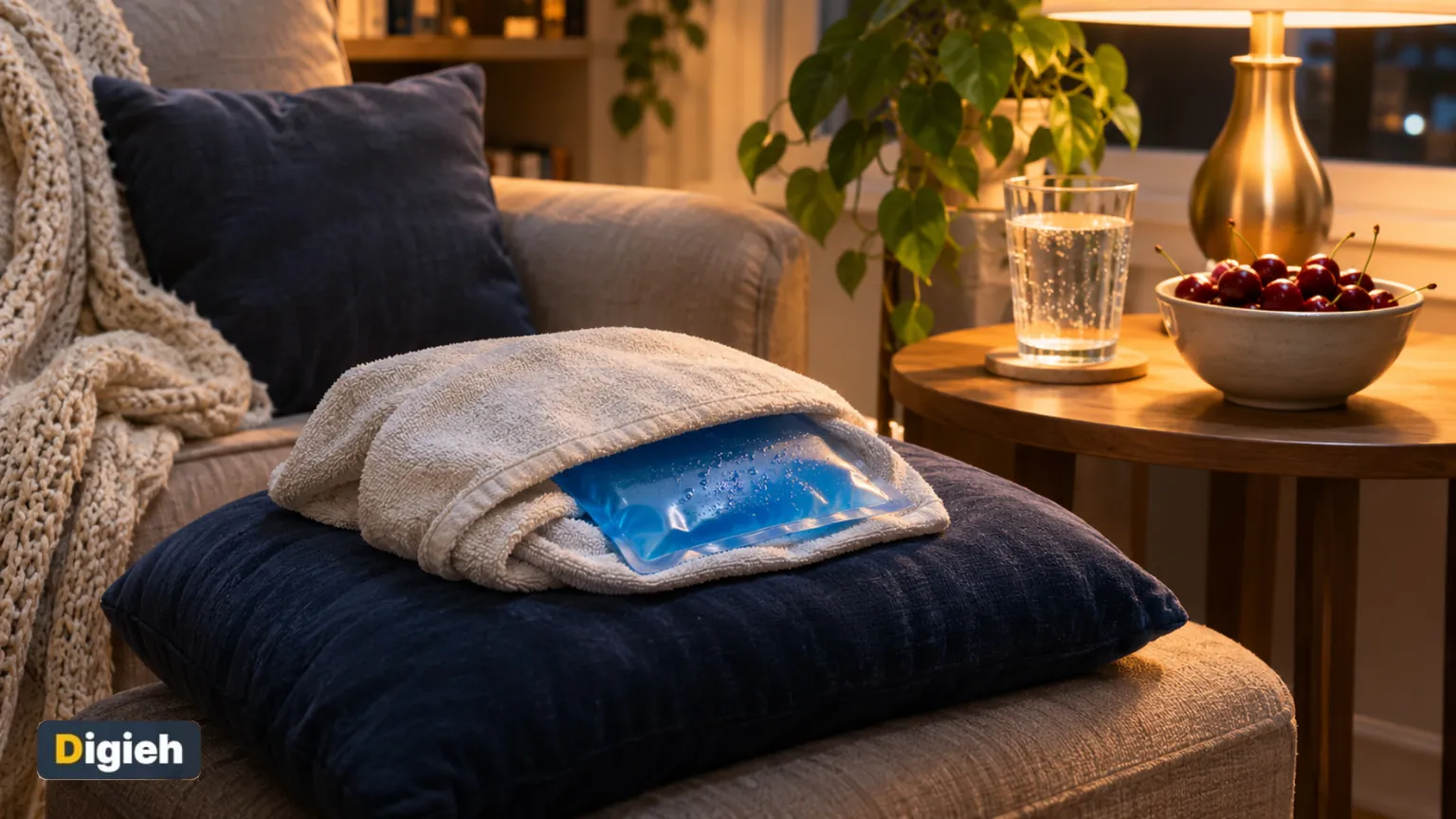
- Apply an ice pack or frozen peas wrapped in a towel, up to 20 minutes at a time.
- Drink plenty of water unless a doctor told you to limit fluids.
- Keep bedclothes off the joint, and avoid pressure on it.
These steps come from the National Health Service.
Try this today. Keep a gel ice pack in the freezer now. If an attack starts at night, you will not have to search for one.
Free updates
Join the Digieh list
Be the first to know when our weekly brief launches.
No spam. Unsubscribe anytime. Read our Privacy Policy.
Medical Treatment
For the attack
Doctors often use anti-inflammatory medicine such as ibuprofen. If pain and swelling do not improve, steroid tablets or an injection may be used, says the National Health Service. Some doctors also prescribe colchicine.
Follow the label or your prescription for the dose. Our guide on acetaminophen and ibuprofen explains which pain reliever suits which problem.
For long-term control
People with frequent attacks or high uric acid may get a daily medicine that lowers it. It must be taken every day, even with no symptoms, the National Health Service explains.
Preventing the Next Attack
- Lose weight slowly if you need to, and skip crash diets.
- Swap sugary drinks for water.
- Have alcohol-free days and keep alcohol low.
- Stay active, aiming for 150 minutes of moderate activity a week.
- Stay hydrated, especially in hot weather or when ill.
- Ask your doctor before taking vitamin C or other supplements.
These tips come from the National Health Service and the Centers for Disease Control and Prevention.
Gout and kidney stones share a cause, as uric acid crystals can collect in the urinary tract. See our kidney stones guide. Our hydration tips help with both.
Which joint does gout affect most often?
- The knee
- The big toe
- The shoulder
The big toe is the joint most often affected, per Mayo Clinic and the Centers for Disease Control and Prevention.
Gout or Something Else?
Other problems can look like gout. A joint infection, an injury or another type of arthritis can also cause a hot, swollen joint.
So a doctor may test your blood uric acid. They may also take a little fluid from the joint. A scan can also help when the picture is unclear, says the National Health Service.
Do not guess with a first attack. Getting the right diagnosis early means the right treatment, and fewer attacks later.
Complications of Untreated Gout
Without treatment, attacks can come more often and last longer. Hard lumps of crystals, called tophi, can form under the skin on fingers, elbows or ears.
Over time, gout can damage joints and raise the risk of kidney stones, says the National Health Service. That is why repeat attacks deserve a full check-up.
When to Get Help
See a doctor the first time you have these symptoms, or if your usual treatment is not working. Get urgent help for worsening pain, a high temperature or feeling sick, says the National Health Service.
Seek care right away for a fever with a hot, inflamed joint. It can mean infection, advises Mayo Clinic.
Questions to Ask Your Doctor
- Is this gout, or could it be an infection?
- Should my uric acid level be tested?
- Which medicine should I take at the first sign of an attack?
- Do I need daily medicine to lower uric acid?
- Do any of my current medicines raise my risk?
- Which foods and drinks should I limit most?
Frequently Asked Questions
How long does a gout attack last?
The worst pain usually comes in the first 8 to 12 hours. Soreness can last days to weeks.
Can I stop a gout attack quickly?
Start prescribed or anti-inflammatory medicine early, rest, raise the joint and use ice. Ask a doctor if it does not settle.
Are cherries good for gout?
Some people use them, but the official pages we checked do not recommend them as treatment. Focus on the proven steps above.
Is gout only caused by diet?
No. Genes, weight, kidney function and some medicines matter too.
Sources
Conclusion
Gout attacks are fierce but treatable. Act fast with medicine, rest and ice, and work with your doctor if attacks keep coming back.
Next step: write down what you ate and drank before your last attack. Bring the list to your next appointment.
Editor’s Note
This article is accurate as of November 22, 2026. Health facts come from the National Health Service, the Centers for Disease Control and Prevention and Mayo Clinic.
Spot an error in this article? Please contact us at support@digieh.com or read our Corrections Policy.
Keep exploring
Your next read is waiting
 1HealthORL Toothpaste Recall: Hormones Found, What to Check5 min read
 2Pets & AnimalsDog Vomiting: Causes, Home Care and Vet Signs7 min read
 3TechnologyHow to Take a Passport Photo at Home7 min read
 4AI & TechAirPods 5 vs AirPods Pro 3: Which Wins?7 min read
 5NewsVerstappen Wins 2026 Las Vegas Grand Prix: Results4 min read
 6Finance & MarketsThe World’s 10 Biggest IPOs in History, Ranked5 min read
Found this useful?