TRENDING
Stye on the Eyelid: Causes, Treatment and Prevention
Stye on the eyelid explained: symptoms, causes, stye vs chalazion vs pink eye, warm compress steps, a do and do not list, prevention and when to see a doctor.

7 min read
Last updated November 25, 2026
A stye is a small, painful lump on the eyelid. It is caused by an infected oil gland. Most clear up on their own within about a week.
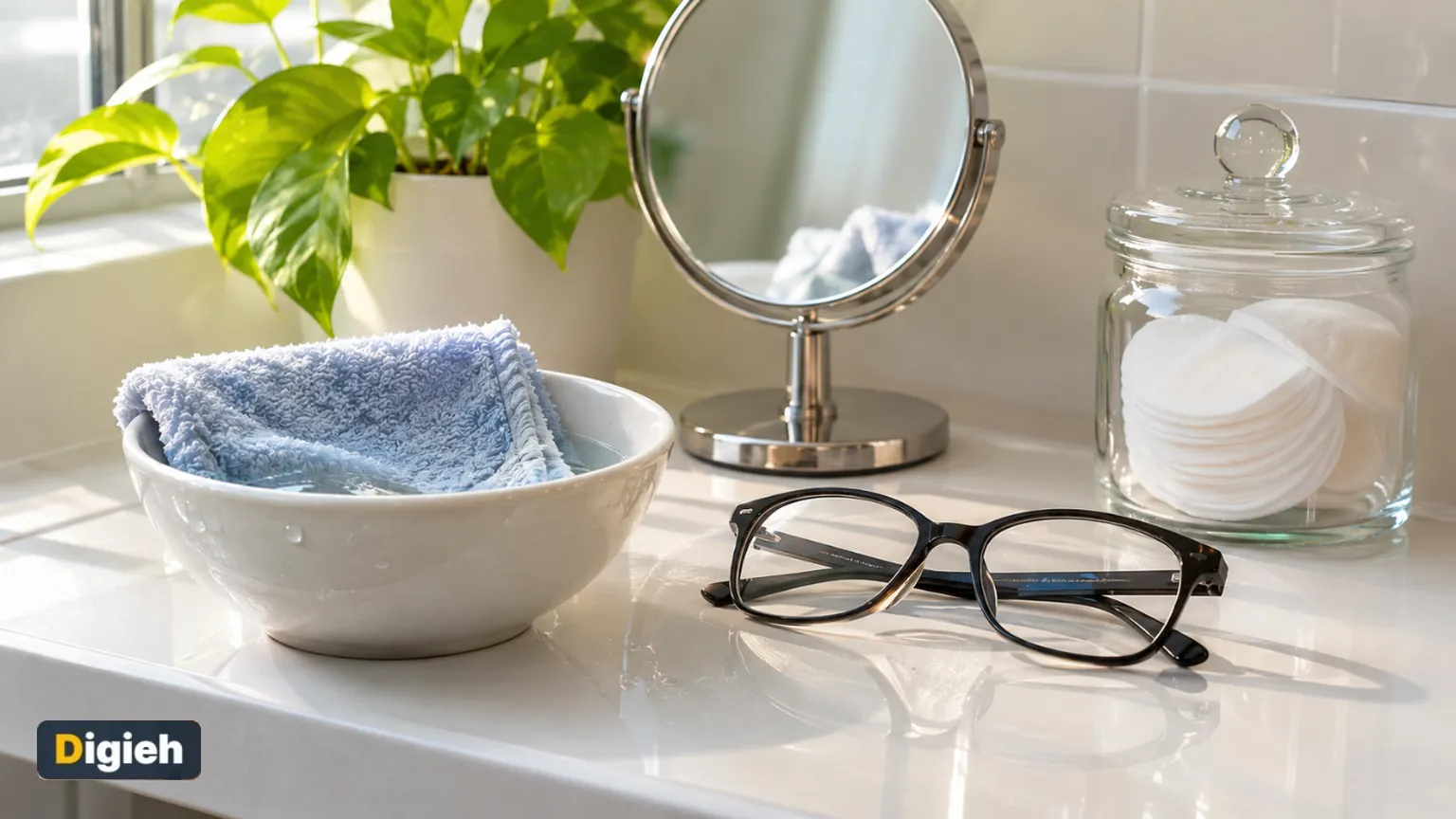
Hold a warm, wet flannel on the closed eye for 5 to 10 minutes. Do this 2 to 4 times a day, and never squeeze it.
Health note. This article is for general information only and is not medical advice. Get urgent help for eye pain with changes to your vision.
Key Takeaways.
- Styes are usually caused by bacteria infecting an eyelid oil gland.
- Warm compresses help the stye drain on its own.
- Do not squeeze, burst or pick a stye, as infection can spread.
- Skip contact lenses and eye make-up until it has healed.
- A hard, painless lump is more likely a chalazion than a stye.
Jump to a section
- What a stye is
- Symptoms
- Causes and risk factors
- Stye, chalazion or pink eye?
- Official advice compared
- Should I see a doctor?
- Warm compress step by step
- Do and do not
- Contact lenses and make-up
- Styes that keep coming back
- When to Get Help
- Questions to Ask Your Doctor
- Frequently Asked Questions
- Sources
- Conclusion
What Is a Stye?
A stye is a red, painful bump near the edge of the eyelid, a bit like a pimple. It is usually caused by staphylococcus bacteria infecting an oil gland, explains Mayo Clinic.
Most form on the outside of the eyelid. Some form on the inner side and can feel more sore.
5 to 10 minutesHow long to hold a warm compress on the eye, says the National Health Service.
Symptoms
- A small, painful lump on or inside the eyelid.
- Red, swollen eyelid skin.
- A yellow spot of pus at the centre.
- A watery eye.
- Usually only one eye affected.
A stye should not affect your vision, says the National Health Service.
Causes and Risk Factors
- Touching your eyes with unwashed hands.
- Poor contact lens hygiene or sleeping in lenses.
- Wearing eye make-up overnight.
- Old or shared cosmetics.
- Blepharitis, long-term inflammation of the eyelid edges.
- Rosacea, a skin condition that causes facial redness.
These risk factors come from Mayo Clinic. Learn more about the skin condition in our rosacea guide.
Stye, Chalazion or Pink Eye?
| Sign | Stye | Chalazion | Pink eye |
|---|---|---|---|
| Lump | Yes, near the lash line | Yes, often further back | No lump |
| Pain | Painful and tender | Usually painless | Gritty or itchy |
| Pus spot | Often | Rarely | Sticky discharge |
| Eye redness | Eyelid only | Little | White of the eye is red |
| Spreads to others | Not usually | No | Often, if infectious |
Sources: National Health Service and Mayo Clinic, checked November 25, 2026.
If the eye is red, sticky and gritty with no lump, read our guide to pink eye.
Official Advice Compared
| Question | National Health Service (UK) | Mayo Clinic (US) |
|---|---|---|
| Home care | Warm wet flannel, 5 to 10 minutes, 2 to 4 times a day | Warm washcloth, several times a day, gentle massage |
| How long it lasts | Usually within a week | Often a few days |
| See a doctor | Not better within a few weeks | Not better after 48 hours |
| Urgent signs | Very painful, vision affected, spreading infection | Swelling spreading across the eyelid or cheek |
Sources: National Health Service and Mayo Clinic, checked November 25, 2026.
The two sources differ on when to see a doctor. If the stye is getting worse rather than better after 2 days, it is sensible to get it checked.
Should I See a Doctor?
Tap the signs you have. The bars show the level of care that fits best. This is a guide, not a diagnosis.
- Small sore lump, eye otherwise fine
- Getting worse after 2 days
- Not gone after a few weeks
- Very painful or very swollen
- My vision is affected
- Redness spreading across the eyelid or cheek
- I keep getting styes
Have you had a stye before?
- Once
- A few times
- Often
- Not sure
Warm Compress Step by Step
- Wash your hands.
- Soak a clean flannel in warm, not hot, water.
- Wring it out and hold it on the closed eye for 5 to 10 minutes.
- Re-warm the flannel when it cools.
- Repeat 2 to 4 times a day.
- Use a fresh flannel each time and wash it after use.
Warmth helps the stye soften and drain on its own. Paracetamol or ibuprofen can ease pain, but do not give aspirin to children under 16, the National Health Service notes.
Try this today. Test the flannel on the inside of your wrist first. The eyelid skin is thin and burns easily.
Do and Do Not
| Do | Do not |
|---|---|
| Use a warm compress several times a day | Squeeze, burst or pick the stye |
| Wash your hands before touching your face | Pull out eyelashes near it |
| Use your own towel and flannel | Share towels or flannels |
| Keep the eyelid clean | Wear contact lenses until it heals |
| Take simple painkillers if needed | Wear eye make-up until it heals |
Source: National Health Service, checked November 25, 2026.
Free updates
Join the Digieh list
Be the first to know when our weekly brief launches.
No spam. Unsubscribe anytime. Read our Privacy Policy.
Contact Lenses and Make-Up
Switch to glasses until the stye has burst and healed. Clean your lenses and case well before you start wearing them again.
- Throw away eye make-up used while the stye was forming.
- Replace mascara and eyeliner every few months.
- Never share eye make-up.
- Remove all make-up before bed.
- Wash hands before touching lenses.
Dry, tired eyes also make people rub more. See our tips on winter dry eyes.
Styes That Keep Coming Back
Repeat styes are often linked to blepharitis or rosacea. Daily eyelid hygiene can help.
- Clean the lash line daily with warm water.
- Use a warm compress regularly if you are prone to styes.
- Manage blepharitis as your eye professional advises.
- See a doctor or optometrist if styes keep returning.
Regular warm compresses help people who have had styes before, notes Mayo Clinic.
Eyelid Hygiene Routine
A simple daily routine keeps the oil glands along the lash line clear. It takes about two minutes.
- Wash your hands.
- Hold a warm compress on closed eyes for a few minutes.
- Gently wipe along the lash line with a clean, damp cotton pad.
- Use a fresh pad for each eye.
- Pat dry with your own clean towel.
This is especially helpful for people with blepharitis, the National Health Service notes.
Styes in Children
Children often rub their eyes, so styes are common. Use the same warm compress method and keep their hands clean.
See a doctor if a child’s eyelid becomes very swollen, red across the whole lid, or they have a fever.
Medical Treatment
Most styes do not need treatment. A doctor may suggest antibiotic cream or drops if the infection spreads. Antibiotic tablets are only needed if the infection spreads into the skin around the eye.
Rarely, a stye or chalazion that does not go away is drained by a specialist under local anaesthetic.
What is the best home treatment for a stye?
- A warm compress
- Squeezing it
- Wearing eye make-up to cover it
A warm compress helps the stye drain naturally. Squeezing can spread the infection.
Stye Myths
- You should pop a stye like a pimple. Squeezing can spread infection.
- Styes are very contagious. They do not usually spread, but do not share towels.
- Styes damage eyesight. A stye should not affect vision.
- Eye drops cure styes. Most styes heal with warm compresses alone.
- Only dirty people get styes. Anyone can get one, even with good hygiene.
When to Get Help
Get an urgent appointment if the eye is very painful or swollen. Get one too if your vision is affected. The same applies if pus comes from the eye or infection spreads, the National Health Service advises.
See a doctor if the stye does not get better within a few weeks, or keeps coming back.
Questions to Ask Your Doctor
- Is this a stye or a chalazion?
- Do I need antibiotic cream or drops?
- When can I wear contact lenses again?
- Could blepharitis or rosacea be the cause?
- Would it need draining if it does not go away?
- How can I stop styes coming back?
Frequently Asked Questions
How long does a stye last?
Most styes clear within about a week.
Can I pop a stye?
No. Squeezing can spread infection. Use warm compresses instead.
Is a stye contagious?
Not usually, but avoid sharing towels or make-up.
Can stress cause a stye?
Bacteria cause styes, but tiredness can lead to more eye rubbing.
Sources
Conclusion
A stye is sore and annoying, but usually harmless. Warm compresses and good hygiene clear most within a week.
Next step: start warm compresses today and switch to glasses for now. Get urgent help if your vision changes or the swelling spreads.
Editor’s Note
This article is accurate as of November 25, 2026. Facts come from the National Health Service, Mayo Clinic and MedlinePlus.
Spot an error in this article? Please contact us at support@digieh.com or read our Corrections Policy.
Keep exploring
Your next read is waiting
 1Finance & MarketsJensen Huang Returns to Lead Nvidia After Resigning4 min read
 2HealthSprained Ankle: Treatment, Recovery Time and Warning Signs7 min read
 3Pets & AnimalsKennel Cough in Dogs: Signs, Treatment and Recovery7 min read
 4Beauty & Personal CareDandruff vs Dry Scalp: Signs, Causes and Treatment7 min read
 5SportsPakistan Shaheens Crush Nepal, Reach Asia Cup Semis3 min read
 6NewsThanksgiving Storm 2026: Where Travel Delays Are Likely4 min read
Found this useful?