TRENDING
Rosacea: Triggers, Symptoms and Treatment Options That Help
Rosacea explained: signs on all skin tones, common triggers and easy swaps, rosacea vs acne, eye warning signs, self-care and treatment. Checker inside.

7 min read
Last updated November 25, 2026
Rosacea is a long-term skin condition. It causes flushing, redness and sometimes bumps on the face. It cannot be cured, but treatment and avoiding triggers keep it under control.
Common triggers include alcohol, spicy food, hot drinks, sun and stress. Eye pain or blurred vision with rosacea needs an urgent doctor visit.
Health note. This article is for general information only and is not medical advice. See a doctor or dermatologist about ongoing facial redness.
Key Takeaways.
- Rosacea mainly affects the nose, cheeks, forehead and chin.
- On brown or black skin, it may look violet or brown, or only feel warm.
- About half of people with rosacea get a flare that affects the eyes, says the American Academy of Dermatology.
- Daily sunscreen of at least sun protection factor 30 helps, says the National Health Service.
- Creams, gels and antibiotic tablets for 6 to 16 weeks can calm it.
Jump to a section
- What rosacea is
- Signs and symptoms
- Rosacea or acne?
- Common triggers
- Official advice compared
- Should I see a doctor?
- Self-care
- Track your triggers
- Treatment
- When to Get Help
- Questions to Ask Your Doctor
- Frequently Asked Questions
- Sources
- Conclusion
What Is Rosacea?
Rosacea is a common, long-lasting skin condition. It tends to come and go in flares, and it can slowly get worse without treatment.
The exact cause is not known. Blood vessels in the face may widen too easily, says a United States skin health institute.
About 50%Share of people with rosacea who get an eye flare, says the American Academy of Dermatology.
Signs and Symptoms
- Flushing that comes and goes, with a warm or hot feeling.
- Redness on the nose, cheeks, forehead and chin that lasts longer over time.
- Small red or pink bumps, sometimes with pus.
- Tiny visible blood vessels.
- Burning or stinging when you use water or skincare products.
- Dry, rough or swollen skin.
- Thickened skin on the nose after many years, more common in men.
These signs come from the National Health Service and the American Academy of Dermatology.
Darker skin. Redness can be hard to see on brown or black skin. Look for violet or brown patches, warmth, bumps or burning.
Rosacea or Acne?
| Feature | Rosacea | Acne |
|---|---|---|
| Usual age | Adults, often after 30 | Teens and young adults, but adults too |
| Blackheads and whiteheads | No | Yes |
| Flushing and burning | Common | Not typical |
| Where | Center of the face | Face, chest and back |
| Eyes affected | Sometimes | No |
Source: Digieh summary built from the National Health Service and the American Academy of Dermatology. A doctor can confirm which you have.
Common Triggers
| Trigger | Easy swap |
|---|---|
| Alcohol, especially red wine | Sparkling water with lime |
| Spicy food | Herbs like basil or mint for flavor |
| Hot drinks | Let tea or coffee cool a little |
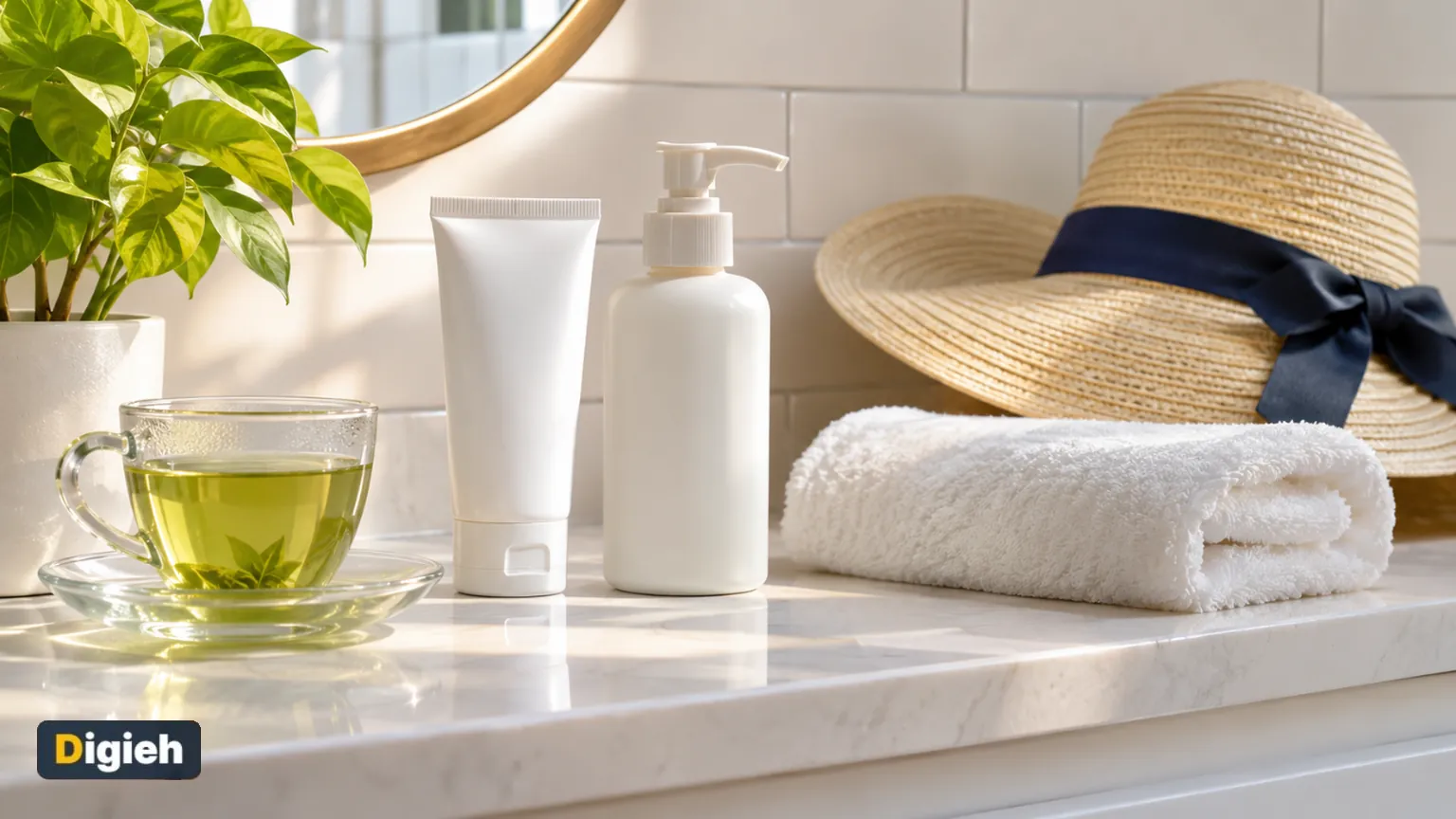
| Sun | Daily sunscreen and a wide-brimmed hat |
| Hot or cold weather | Cover your face with a scarf in cold wind |
| Hard exercise | Shorter sessions in a cool place |
| Stress | Slow breathing or a short walk |
Triggers from the National Health Service, checked November 25, 2026. Swaps are Digieh suggestions.
Which trigger affects you most?
- Sun or heat
- Food or drink
- Stress
- Not sure
Official Advice Compared
| Question | National Health Service (UK) | American Academy of Dermatology (US) |
|---|---|---|
| Can it be cured? | No, but symptoms can be controlled | No, but treatment helps |
| Daily skin care | Gentle products for sensitive skin | Gentle care, many signs fade with treatment |
| Sun protection | Sunscreen of at least sun protection factor 30 | Sun protection advised |
| Eye signs | Eye pain or blurred vision is urgent | Grittiness, dryness, light sensitivity and crusts |
| Treatment | Creams, gels, antibiotics, dermatologist if needed | Treatment depends on the signs you have |
Sources: National Health Service and American Academy of Dermatology, checked November 25, 2026.
Should I See a Doctor?
Tap the signs you have. The bars show the level of care that fits best. This is a guide, not a diagnosis.
- Flushing now and then that fades fast
- Redness that lasts for weeks
- Red bumps on my cheeks or nose
- Skin burns or stings with products
- Nose skin is getting thicker
- Sore or crusty eyelids
- Eye pain, blurred vision or light sensitivity
Self-Care That Helps
- Wear sunscreen of at least sun protection factor 30 every day.
- Use gentle, fragrance-free products made for sensitive skin.
- Wash with lukewarm water, not hot.
- Avoid heat, strong sun and humidity where you can.
- Cover your face in cold weather.
- Cut back on alcohol, hot drinks and spicy food.
- Find ways to manage stress.
These steps come from the National Health Service. Cold, dry air can also trigger winter eczema, which needs different care.
Try this today. Tomorrow morning, put on a sun protection factor 30 sunscreen before you leave the house, even if it is cloudy.
Track Your Triggers
Triggers differ from person to person. A two-week diary can show what sets off your flares.
| What to note | Example |
|---|---|
| Date and time of flare | Monday, 7 p.m. |
| What you ate and drank | Curry and a glass of wine |
| Weather and temperature | Cold and windy |
| Activity and stress | Busy day, run after work |
| Products used | New face cream |
Source: Digieh trigger diary template, based on triggers listed by the National Health Service.
Free updates
Join the Digieh list
Be the first to know when our weekly brief launches.
No spam. Unsubscribe anytime. Read our Privacy Policy.
Treatment
- Creams and gels: applied to the skin to reduce redness or bumps.
- Antibiotic tablets: often taken for 6 to 16 weeks for bumps.
- Eyelid care: daily cleaning if your eyelids are sore or crusty.
- Dermatologist referral: if treatments are not working.
- Light or laser treatment: sometimes used privately for visible blood vessels.
Your doctor will choose treatment based on your signs, says the National Health Service. Results can take a few weeks.
Have oily skin as well? Our oily skin routine has gentle product tips, but skip harsh scrubs if you have rosacea.
Rosacea Through the Seasons
Winter brings cold wind and dry indoor heat, which can both set off flares. Cover your face outdoors and use a gentle moisturizer.
Our winter skincare guide has more tips for dry, sensitive skin.
Summer brings sun, heat and humidity. Stay in the shade at midday, wear a hat and reapply sunscreen.
Stress is a trigger all year. Simple calming habits from our guide to anxiety symptoms and coping may help.
Rosacea and Makeup
Many people use makeup to cover redness. Choose products labeled for sensitive skin and free of fragrance.
A green-tinted primer can tone down redness. Remove makeup gently with lukewarm water and a mild cleanser.
Rosacea can also raise the risk of eyelid styes. Learn how to treat one in our stye guide.
Living With Rosacea
Rosacea can affect confidence, especially during a bad flare. You are not alone, and it is common to feel self-conscious.
Talking to a doctor early helps, because treatment works best before skin changes become lasting. Support groups and online communities can also help you swap tips.
Be patient with treatment. Creams and tablets often take several weeks to show results, and you may need to try more than one.
Rosacea Myths
- Myth: Rosacea is caused by poor hygiene. It is not caused by dirt.
- Myth: Only fair-skinned people get it. It affects all skin tones but looks different on darker skin.
- Myth: Red cheeks mean you drink a lot. Alcohol is only one possible trigger.
Which eye symptom with rosacea needs urgent care?
- Eye pain or blurred vision
- Slightly red cheeks
- Feeling warm after tea
Eye pain, blurred vision, light sensitivity or a gritty feeling can mean a serious eye problem and need urgent care.
When to Get Help
Ask for an urgent doctor appointment if you have rosacea and eye pain or blurred vision. Light sensitivity or a gritty red eye is urgent too. The National Health Service says this can be serious.
See a doctor if you have any signs of rosacea, or if your skin is getting worse despite self-care.
Questions to Ask Your Doctor
- Is this rosacea or another skin problem?
- Which treatment suits my type?
- How long until I see a change?
- Which skin products are safe for me?
- Should I see a dermatologist?
- Are my eyes affected?
- What should I do during a flare?
Frequently Asked Questions
Can rosacea be cured?
No, but treatment and avoiding triggers can control it well.
What foods trigger rosacea?
Spicy food, hot drinks and alcohol are common triggers.
Does rosacea go away on its own?
Flares can fade, but the condition usually comes back without care.
Is rosacea contagious?
No. You cannot catch it from someone else.
Sources
- National Health Service: Rosacea
- American Academy of Dermatology: Rosacea signs and symptoms
- National Institute of Arthritis and Musculoskeletal and Skin Diseases: Rosacea
Conclusion
Rosacea is common and manageable. Knowing your triggers and protecting your skin makes a big difference.
Next step: start a two-week trigger diary and share it with your doctor.
Editor’s Note
This article is accurate as of November 25, 2026. Facts come from the National Health Service, the American Academy of Dermatology and a United States skin health institute.
Spot an error in this article? Please contact us at support@digieh.com or read our Corrections Policy.
Keep exploring
Your next read is waiting
 1HealthOveractive Thyroid: Key Signs, Causes, Tests and Treatment7 min read
 2NewsThanksgiving Storm 2026: Where Travel Delays Are Likely4 min read
 3Finance & MarketsPetrol Price in Pakistan Today: Rs318 a Litre4 min read
 4Parenting & FamilyFood Stamp Rule Could Change Free School Meals4 min read
 5Pets & AnimalsKennel Cough in Dogs: Signs, Treatment and Recovery7 min read
 6Beauty & Personal CareDandruff vs Dry Scalp: Signs, Causes and Treatment7 min read
Found this useful?