TRENDING
Warts and Verrucas: Causes, Treatment and Prevention Tips
Warts and verrucas explained: types, how they spread, pharmacy treatments, salicylic acid steps, duct tape, freezing, children and when to see a doctor.

7 min read
Last updated November 25, 2026
Warts are small, rough lumps on the skin caused by a virus. Verrucas are warts on the soles of the feet.
Most are harmless and go away on their own, but this can take months or years. Pharmacy treatments can speed things up, though they take patience.
Health note. This article is for general information only and is not medical advice. Do not use wart treatments on your face or genitals, or if you have diabetes, without advice.
Key Takeaways.
- Warts are caused by a virus and spread through skin contact and wet surfaces.
- Many warts clear on their own, but it can take months or years.
- Pharmacy treatments can take up to 3 months to work, says the National Health Service.
- Do not pick, scratch or shave over warts, as this spreads the virus.
- See a doctor for warts that bleed, change, or appear on the face or genitals.
Jump to a section
- What warts are
- Types of warts
- How warts spread
- Official advice compared
- Should I see a doctor?
- Treatment options compared
- Using salicylic acid step by step
- Duct tape and freezing kits
- Stopping warts spreading
- Warts in children
- When to Get Help
- Questions to Ask Your Doctor
- Frequently Asked Questions
- Sources
- Conclusion
What Are Warts?
Warts are caused by a type of human papillomavirus that infects the top layer of skin. The virus makes skin cells grow faster, forming a hard lump.
Most people get a wart at some point. They can itch or feel sore. Verrucas on the feet can hurt when you walk, notes the National Health Service.
Up to 3 monthsHow long pharmacy wart treatments can take to work, according to the National Health Service.
Types of Warts
| Type | Where | What it looks like |
|---|---|---|
| Common wart | Hands, fingers, knees | Rough, raised, cauliflower-like |
| Verruca (plantar wart) | Soles of the feet | Flat, hard, may have black dots |
| Flat wart | Face, hands, legs | Small, smooth, flat-topped |
| Filiform wart | Around the mouth or nose | Long, thin, thread-like |
| Genital wart | Genital area | Soft growths, need a clinic |
Sources: MedlinePlus and National Health Service, checked November 25, 2026.
How Warts Spread
- Touching a wart, on yourself or someone else.
- Walking barefoot on wet floors, like pool changing rooms.
- Sharing towels, socks or shoes.
- Shaving over a wart.
- Biting nails or sucking fingers with warts.
Wet or damaged skin makes it easier for the virus to get in. It can take months for a wart to appear after contact, the National Health Service explains.
Official Advice Compared
| Question | National Health Service (UK) | American Academy of Dermatology (US) |
|---|---|---|
| Leave it alone? | Many go away, but may take months or years | Self-care can help small warts |
| Home treatment | Pharmacy creams, plasters and sprays | Salicylic acid, duct tape, freezing kits |
| Not on | Face | Face or genitals without a doctor |
| See a doctor | Bleeding, changing, large, painful, face or genitals | Changing, painful, many warts, diabetes, weak immune system |
Sources: National Health Service and American Academy of Dermatology, checked November 25, 2026.
Should I See a Doctor?
Tap what applies. The bars show the next step that fits best. This is a guide, not a diagnosis.
- Small wart on a hand or finger
- Verruca that hurts when walking
- Wart keeps coming back
- Lots of warts
- Wart on the face
- Growth on the genitals
- Bleeding or changing in look
- I have diabetes or a weak immune system
Where is your wart or verruca?
- Hand or finger
- Foot
- Somewhere else
- Not sure
Treatment Options Compared
| Option | How it works | Notes |
|---|---|---|
| Wait and watch | Body clears the virus | Free, but slow |
| Salicylic acid | Peels away the wart layer by layer | Daily use for weeks |
| Home freezing kit | Freezes the wart | Weaker than clinic freezing |
| Duct tape | Covers the wart | Mixed evidence |
| Clinic freezing | Liquid nitrogen | Several sessions may be needed |
Sources: American Academy of Dermatology and National Health Service, checked November 25, 2026.
Using Salicylic Acid Step by Step
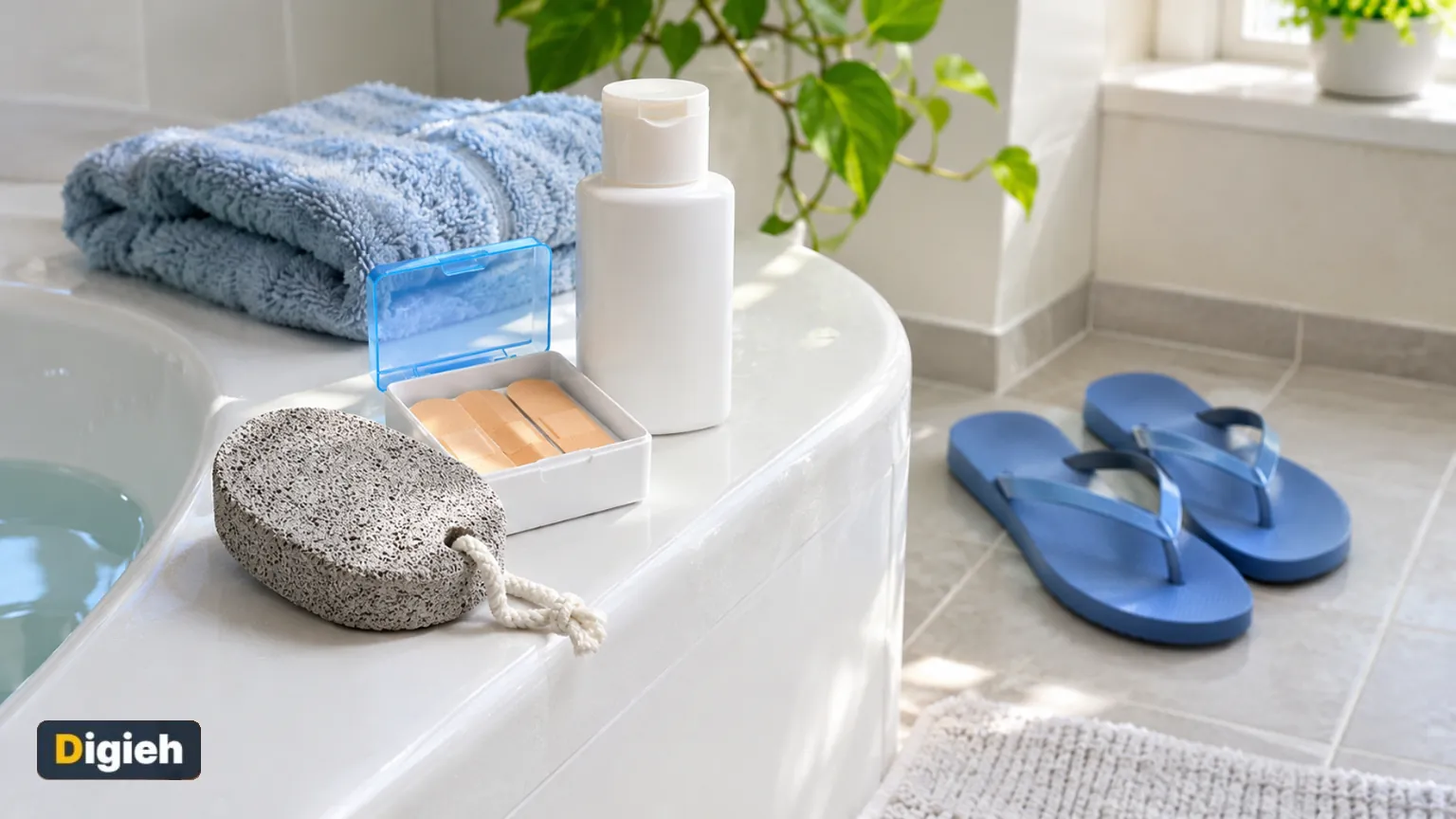
- Soak the wart in warm water for about 5 minutes.
- Gently file the top with an emery board or pumice stone.
- Use that file only for the wart, then throw it away later.
- Dry the skin well.
- Apply the treatment as the packet says.
- Repeat daily, filing every few days, until the wart is gone.
These steps follow the American Academy of Dermatology. Stop for a few days if the skin becomes very sore.
Try this today. Treat the wart straight after a bath or shower. The skin is already soft, so the treatment soaks in better.
Duct Tape and Freezing Kits
Some people cover a wart with duct tape and change it every 5 to 6 days. It helps some, but the evidence is mixed. Home freezing kits may help small warts but are weaker than clinic freezing.
Stop any treatment that causes severe soreness or blistering, the American Academy of Dermatology advises.
Free updates
Join the Digieh list
Be the first to know when our weekly brief launches.
No spam. Unsubscribe anytime. Read our Privacy Policy.
Stopping Warts Spreading
- Wash your hands after touching a wart.
- Cover warts with a plaster when swimming.
- Change socks every day if you have a verruca.
- Wear flip-flops in shared showers.
- Do not share towels, socks or shoes.
- Do not pick, scratch or shave over warts.
Many of the same habits help prevent other foot infections. See our guide to athlete’s foot.
Another common skin infection in children is impetigo. Learn how to treat it in our impetigo guide.
Warts in Children
Warts are very common in children and often go away on their own. Children can still swim and do sport with a covered verruca.
Ask a pharmacist before using treatments on young children, as some products are for adults only.
If You Have Diabetes
People with diabetes, nerve damage or poor circulation should not treat foot warts at home without advice. Acid treatments can damage skin that heals slowly.
See a doctor or podiatrist instead. Learn more foot care tips in our ingrown toenail guide.
What a Doctor May Offer
- Freezing with liquid nitrogen, often over several sessions.
- Stronger medicines to apply to the skin.
- Referral to a skin specialist for stubborn warts or warts on the face.
- Referral to a podiatrist for large or painful verrucas.
These options are listed by the National Health Service. Treatments for purely cosmetic reasons may not be offered free.
Which habit can spread warts?
- Shaving over a wart
- Washing hands after touching it
- Covering it with a plaster
Shaving can carry the virus to nearby skin. Washing hands and covering warts help stop spread.
Warts on the Hands
Hand warts are common in people who bite their nails or have cuts around their fingers. Keeping skin moisturised and healthy helps stop the virus getting in.
- Stop biting nails and picking at skin around them.
- Wear gloves for cleaning to protect the skin.
- Cover hand warts with a plaster when cooking or touching others.
- Wash and dry hands well.
Dry, cracked skin lets germs in more easily. See our guide to fixing dry, cracked skin on your feet.
When Warts Look Unusual
Some skin growths look like warts but are something else. A doctor should check any growth that is dark, grows quickly, bleeds or does not look like your other warts.
Wart Myths
- Toads give you warts. Warts are caused by a human virus.
- Warts have roots. They only affect the top layer of skin.
- Cutting a wart off at home works. It can cause bleeding, infection and scarring.
- Only children get warts. Adults get them too.
When to Get Help
See a doctor if a wart bleeds or changes in look. Very large, painful or returning warts also need a check. Also see a doctor for warts on the face or genitals, the National Health Service advises.
Get advice before treating warts at home if you have diabetes or a weak immune system.
Questions to Ask Your Doctor
- Is this a wart or something else?
- Which treatment suits this wart?
- How many freezing sessions might I need?
- Should I see a podiatrist for my verruca?
- How do I stop it spreading to my family?
- Why do my warts keep coming back?
Frequently Asked Questions
Are warts contagious?
Yes, mildly. They spread through skin contact and wet surfaces.
How long do warts last?
Many clear on their own within months, but some last years.
Can I swim with a verruca?
Yes. Cover it with a waterproof plaster first.
Do warts come back?
Sometimes. The virus can stay in the skin for a while.
Sources
- National Health Service: Warts and verrucas
- American Academy of Dermatology: Warts self-care
- MedlinePlus: Warts
Conclusion
Warts are common, harmless and often clear on their own. Patience and the right treatment help most people get rid of them for good.
Next step: soak, file and treat your wart daily for a few weeks. See a doctor if it bleeds, changes or is on your face.
Editor’s Note
This article is accurate as of November 25, 2026. Facts come from the National Health Service, the American Academy of Dermatology and MedlinePlus.
Spot an error in this article? Please contact us at support@digieh.com or read our Corrections Policy.
Keep exploring
Your next read is waiting
 1HealthGum Disease: Signs, Causes, Treatment and Prevention Tips7 min read
 2Parenting & FamilyFood Stamp Rule Could Change Free School Meals4 min read
 3Pets & AnimalsCat Urinary Problems: Signs That Need Urgent Care7 min read
 4Beauty & Personal CareDandruff vs Dry Scalp: Signs, Causes and Treatment7 min read
 5NewsThanksgiving Storm 2026: Where Travel Delays Are Likely4 min read
 6Finance & MarketsJensen Huang Returns to Lead Nvidia After Resigning4 min read
Found this useful?