TRENDING
Dog Years Calculator: Your Dog’s Age by Size
Dog years calculator by size: find your dog's age in human years for small, medium and large dogs. Full chart, senior ages and why the times 7 rule is wrong.


7 min read
Last updated November 20, 2026
A dog’s first year equals about 15 human years, and the second adds about 9 more. After that, small dogs age about 4 human years a year and large dogs about 5 to 6.
The old “times 7” rule is wrong, says the American Veterinary Medical Association (AVMA). Pick your dog’s size below to get a better answer.
Small dog, under 20 pounds
Medium dog, 20 to 50 pounds
Large dog, 50 to 90 pounds
Digieh calculators, with formulas fitted to the size chart from Purina. Results are estimates, since breed and health matter too.
Key Takeaways.
- Year one is about 15 human years for most dogs.
- Year two adds about 9, for about 24 in total.
- Bigger dogs age faster after about age 5.
- Senior age starts from 6 to 11 years, based on size.
Jump to a section
- Dog years chart by size
- Why size matters
- When is a dog a senior?
- What changes with age
- Puppy age
- Why times 7 is wrong
- Giant breeds
- Rescue dog age
- Signs of aging
- Senior care
- How long dogs live
- Frequently asked questions
- Conclusion
Dog Years to Human Years Chart
| Dog age | Small | Medium | Large |
|---|---|---|---|
| 1 | 15 | 15 | 15 |
| 2 | 24 | 24 | 24 |
| 3 | 28 | 28 | 28 |
| 4 | 32 | 32 | 32 |
| 5 | 36 | 36 | 36 |
| 6 | 40 | 42 | 45 |
| 7 | 44 | 47 | 50 |
| 8 | 48 | 51 | 55 |
| 9 | 52 | 56 | 61 |
| 10 | 56 | 60 | 66 |
| 12 | 64 | 69 | 77 |
| 14 | 72 | 78 | 88 |
| 16 | 80 | 87 | 99 |
Source: Purina UK, based on UK Kennel Club guidelines. All figures are human years.
15Human years in a medium dog’s first year, according to the American Kennel Club.
Why Dog Size Changes the Answer
Small and large dogs grow up at a similar speed in their first two years. After that, big dogs age faster and tend to live shorter lives.
For a medium dog, the American Kennel Club counts 15 years for year one and 9 for year two. Each year after adds about 5, per its guide.
A 2019 study of Labradors suggested a curved formula instead. It fits that one breed best, so most vets still use size charts.
Thinking of a new dog? Compare shelter and breeder costs in adopt or buy a dog.
When Is a Dog Considered a Senior?
A dog is a senior in the last quarter of its expected lifespan, says the veterinary association. That age depends on size.
| Size | Weight | Senior from about |
|---|---|---|
| Small and toy | Under 20 pounds | 8 to 11 years |
| Medium | 20 to 50 pounds | 8 to 10 years |
| Large | 50 to 90 pounds | 8 to 9 years |
| Giant | Over 90 pounds | 6 to 7 years |
Source: veterinary association senior pets page, using American Kennel Club data.
Good to know. Senior dogs often need checkups twice a year. Ask your vet when your dog should start.
How old is your dog in human years?
- Under 30
- 30 to 60
- Over 60
- Not sure
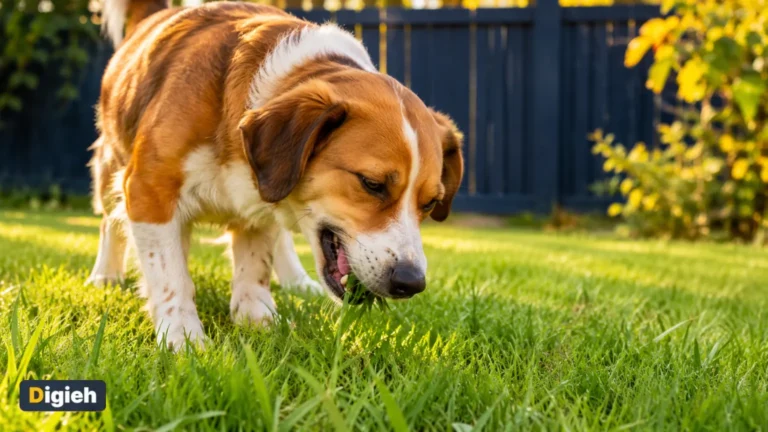
Common question. Grass eating is normal at any age. See why dogs eat grass.
What Changes as Your Dog Ages
Puppy, up to 1 year
Fast growth, training and vaccines. A one-year-old is like a teenager.
Adult, 2 years to senior
Steady weight, daily exercise and yearly checkups. Dental care matters from this stage on.
Senior
Slower walks, joint stiffness and more vet visits. Softer beds and shorter, more frequent walks help.
Keep older dogs warm and safe in the cold with our winter pet safety tips. Grooming gets harder with age too, so see our tips to remove pet hair.
Holiday treats can be risky at any age. Check our list of Thanksgiving foods dangerous for pets.
Puppy Age in Human Years
The first year counts as about 15 human years, so each puppy month adds roughly one and a quarter years. This table spreads that first year evenly.
| Puppy age | About this many human years |
|---|---|
| 2 months | 2.5 |
| 4 months | 5 |
| 6 months | 7.5 |
| 9 months | 11 |
| 12 months | 15 |
Source: Digieh calculation based on the 15-year first year from the American Kennel Club. Real growth is faster in the early months.
In reality, puppies race through the first months and slow down near their first birthday. Treat these numbers as a simple guide, not a rule.
Free updates
Join the Digieh list
Be the first to know when our weekly brief launches.
No spam. Unsubscribe anytime. Read our Privacy Policy.
Why the Times 7 Rule Is Wrong
The times 7 rule assumes dogs age at the same pace every year. In fact, dogs grow up very fast at first and then slow down.
A one-year-old dog can usually have puppies and is close to full size. A seven-year-old child cannot, so the first year must count for much more than 7 years.
The rule also ignores size. A 10-year-old Chihuahua and a 10-year-old Great Dane are at very different life stages.
Giant Breeds Age Fastest
Giant breeds over 90 pounds, such as Great Danes and Mastiffs, reach senior age first. The veterinary association puts their senior years at about 6 to 7.
So a giant dog can be a senior while a small dog of the same age is in its prime. Plan earlier checkups for big dogs.
How Vets Estimate a Rescue Dog’s Age
Many rescue dogs come without a birth date. Vets look at several clues and give an age range rather than an exact number.
- Teeth: puppies get adult teeth by about six months, and wear and tartar build with age.
- Eyes: a bluish haze in the lens often appears in middle age.
- Coat: grey hair around the muzzle often starts in middle age.
- Muscles and joints: older dogs often have less muscle and stiffer joints.
- Energy: older dogs usually sleep more and play less.
Once you have an estimated age, plug it into the calculator for your dog’s size above.
Signs Your Dog Is Getting Older
- Grey hair around the face and muzzle.
- Sleeping more and slower to get up.
- Trouble with stairs or jumping into the car.
- Cloudy eyes or bumping into things.
- Hearing loss, such as not reacting when called.
- Weight gain or loss without a diet change.
- Changes in bathroom habits.
Some changes are normal aging, but others can signal pain or illness. Tell your vet about any sudden change.
Senior Dog Care Checklist
- Book vet checkups more often, as your vet advises.
- Ask about blood tests to catch problems early.
- Switch to a food made for older dogs if your vet suggests it.
- Keep walks shorter but regular to protect joints.
- Add rugs on slippery floors and a ramp for the car or bed.
- Brush teeth or use dental chews to protect gums.
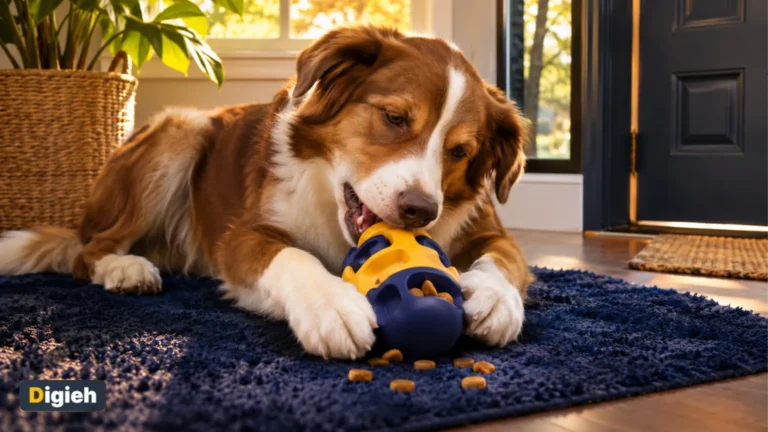
- Keep the mind busy with puzzle toys and gentle training.
Older dogs also feel the cold more. Our winter pet safety tips explain how to keep them warm.
How Long Do Dogs Live?
Smaller dogs tend to live longer than larger ones. A dog is a senior in the last quarter of its life. So the senior ages give a rough idea of lifespan by size.
Say a large dog is a senior from about 8 or 9. Its full lifespan is then often around 10 to 12 years. Small dogs often live well into their teens.
Keep in mind. Breed, genetics, weight and care all matter more than any chart. A healthy weight is one of the best ways to help a dog live longer.
Try this today. Work out your dog’s human age above, then note the senior age for its size from the table.
Have a cat too? Our cat years calculator converts your cat’s age to human years.
Test Yourself
About how many human years is a dog’s first year?
- 7
- 15
- 24
Most guides, including the American Kennel Club, count the first year as about 15 human years.
Frequently Asked Questions
Is one dog year really 7 human years?
No. The veterinary association says dogs do not age 7 years per year. The first two years count much more.
How old is a 10-year-old dog in human years?
About 56 for a small dog, 60 for a medium dog and 66 for a large dog.
When is a dog considered senior?
From about 6 to 11 years, depending on size. Giant breeds become seniors first.
How do I know how old my rescue dog is?
A vet can estimate an age range from teeth, eyes, coat and joints.
Do small dogs live longer than big dogs?
Usually yes. Giant breeds reach senior age first, around 6 to 7 years.
How old is a 6-month-old puppy in human years?
About 7 to 8 human years, using the 15-year first year spread across 12 months.
Conclusion
Your dog’s human age depends on its size, not a simple times 7 rule. Bigger dogs age faster after five.
Your next step is to use the calculator for your dog’s size and plan its next checkup.
Editor’s Note
This article is accurate as of November 20, 2026. The chart comes from Purina UK. Senior ages come from the American Veterinary Medical Association. The first-year rule comes from the American Kennel Club.
Spot an error in this article? Please contact us at support@digieh.com or read our Corrections Policy.
Keep exploring
Your next read is waiting
 1Pets & AnimalsCost of Owning a Cat: Yearly Budget, Calculator7 min read
 2AI & TechKindle vs iPad for Reading: Which to Buy7 min read
 3TechnologyTranslate Menu From Photo: Free Steps for Travelers7 min read
 4HealthStroke Signs: The BE FAST Test Explained Simply7 min read
 5Food & LifestyleChristmas Lights Cost Calculator: LED vs Old Bulbs7 min read
 6BusinessUS Chip Export Rule: Five Countries Need Licenses4 min read
Found this useful?