TRENDING
Space Heater Safety Tips That Could Save Lives

10 min read
Last updated November 8, 2026
Space heaters are handy for warming a chilly room, but they need careful use. Keep them at least three feet from anything that can burn and plug them straight into a wall outlet.
Turn them off before you go to sleep or leave the room. Those three habits prevent many of the fires that portable heaters cause each winter.
This guide covers the key rules, safety features worth buying and smart habits for families with kids and pets.
Key Takeaways
- Keep heaters at least three feet from curtains, furniture and bedding.
- Plug electric heaters directly into a wall outlet, never an extension cord.
- Turn heaters off before sleeping.
- Choose a model with tip-over and overheat shutoff.
- Test smoke and carbon monoxide alarms every month.
1,600Estimated yearly fires involving portable heaters, per the Consumer Product Safety Commission.
How Big Is the Risk?
Portable heaters play a role in many home fires each winter. The U.S. Consumer Product Safety Commission (CPSC) estimates about 1,600 fires a year involve portable heaters, in its January 2026 safety release.
Those fires cause an average of 70 deaths and 150 injuries each year, the commission says. Its estimates cover 2020 through 2022.
The wider picture matters too. The National Fire Protection Association (NFPA) counts about 38,881 home heating equipment fires a year. Those figures cover 2019 to 2023, according to a summary of its findings.
Space heaters and heating stoves played a part in 29 percent of those fires. Home heating fires peak from December through February.
How often do you use a space heater in winter?
- Every day
- Only on very cold days
- Never
- Not sure
The Three-Foot Rule
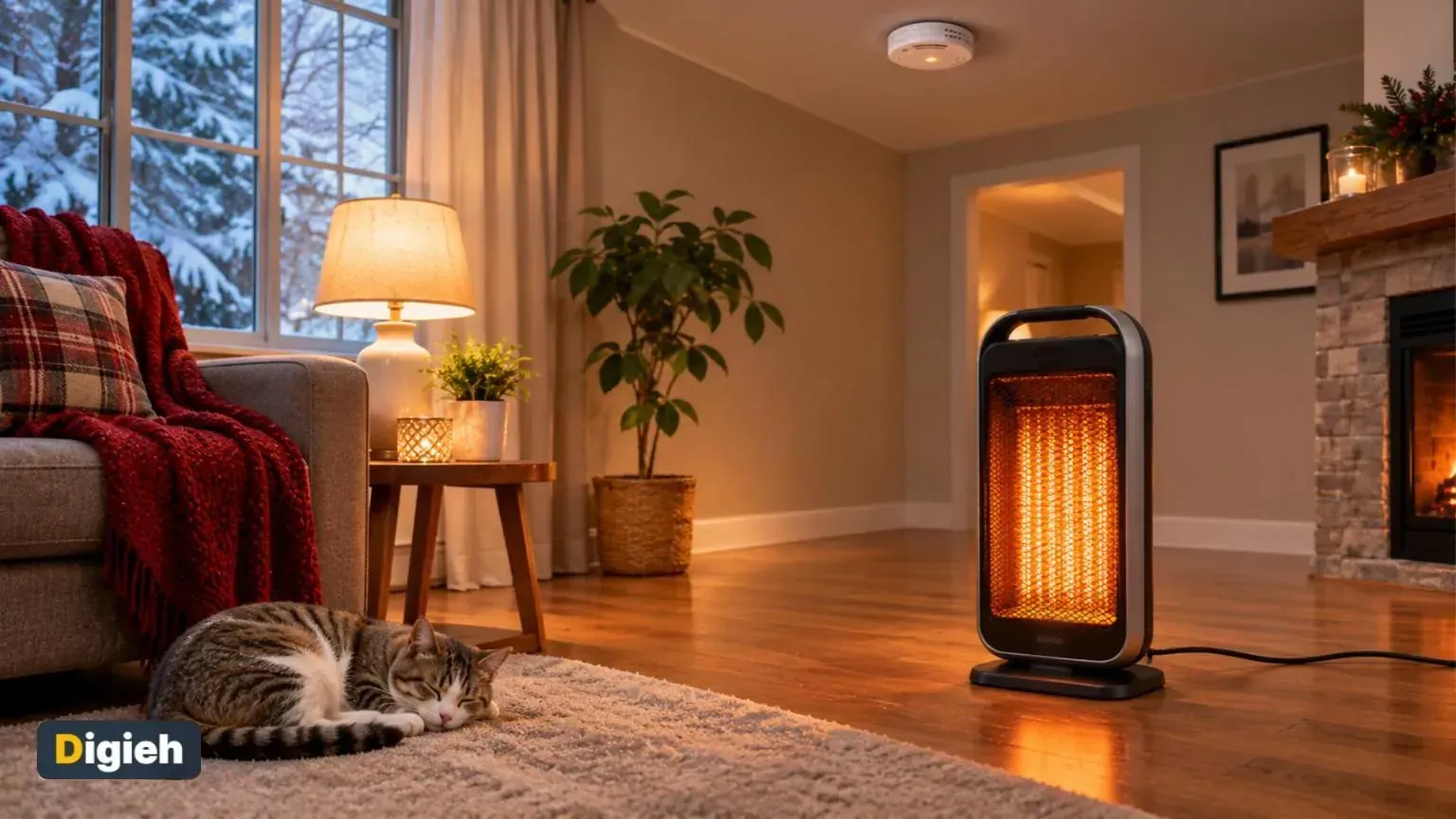
Distance is the simplest safety step. The commission advises at least three feet of clear space around a heater. That includes curtains, furniture, bedding and other flammable items.
Think of it as a circle of safety around the heater. Nothing that can burn should sit inside it.
Watch for things that move, like a blanket sliding off a couch or curtains blowing near a vent. Check the space each time you turn the heater on.
Quick tip. Measure three feet once with a tape and mark a spot on the floor. It makes the safe zone easy to remember.
Plug It in the Right Way
Space heaters draw a lot of power. The commission says to plug electric heaters directly into a wall outlet.
Do not use an extension cord or power strip. They can overload, overheat and start a fire.
Feel the plug and outlet now and then while the heater runs. Stop using the heater if the plug, cord or outlet feels hot. The Government Employees Insurance Company (GEICO) gives that advice in its space heater guide.
Keep the cord out of walkways and never run it under a rug. Rugs hide damage and trap heat around the cord.
Good to know. A warm plug or outlet is a warning sign. Unplug the heater and have the outlet checked.
Types of Electric Space Heaters
Electric space heaters come in a few common styles. Each one warms a room a little differently.
Ceramic fan heaters blow warm air across a heated ceramic plate. They warm small rooms quickly and are often compact and light.
Oil-filled radiators heat sealed oil inside metal fins. They take longer to warm up but give steady, quiet heat and stay warm after you turn them off.
Infrared or radiant heaters warm the people and objects in front of them. They feel cozy up close but do less to warm the whole room.
Whatever style you choose, the same safety rules apply. Distance, a wall outlet and supervision matter for every type.
Safety Features Worth Buying
Not all heaters are the same. A few features add real protection.
Tip-Over Shutoff
This switch turns the heater off if it falls over. It is especially important in homes with kids or pets.
Overheat Protection
A built-in sensor shuts the heater off if it gets too hot inside. This helps if something blocks the airflow.
A Testing Lab Label
Look for a mark from a recognized testing laboratory on the heater or box. The insurer’s guide recommends choosing a heater listed by a qualified lab.
Cool-Touch Exterior
Some models keep the outer case cooler. That lowers the risk of burns from a quick touch.
Before you buy, check for recalls on the commission’s product safety website. It takes only a minute.
- Three feet of clear space
- Plugged directly into a wall outlet
- Tip-over and overheat shutoff
- Testing lab label
- Turned off before sleep
- Alarms tested this month
A Safe Setup in Five Steps
Step 1. Read the manual
Every heater has its own rules. Check where it can go and which surfaces it needs.
Step 2. Pick a hard, level spot
Place the heater on the floor, not on a table, chair or rug. A flat surface keeps it steady.
Step 3. Clear the safe zone
Move curtains, blankets, papers and toys at least three feet away. Look up and behind the heater too.
Step 4. Plug straight into the wall
Use an outlet that does not power other big appliances. Skip extension cords and power strips.
Step 5. Set a timer or reminder
Use the built-in timer or a phone alarm. That way the heater never runs longer than you plan.
Never Leave It Running Unattended
The commission advises turning heaters off before you go to sleep. A heater left on all night is a common factor in serious fires.
Turn it off whenever you leave the room, too. It only takes a moment for a curtain or toy to drift too close.
Many newer heaters include timers. Set one so the heater shuts off on its own if you forget.
Where should you plug in an electric space heater?
- A power strip
- Directly into a wall outlet
- An extension cord
Extension cords and power strips can overload and start fires.
Placement Tips Room by Room
Living Room
Set the heater on a flat, hard floor away from foot traffic. Keep it clear of couches, throw blankets and holiday decorations.
Bedroom
Use the heater to warm the room before bed, then switch it off. Never place it near bedding or a bed skirt.
Bathroom
Most space heaters should stay away from water. Do not use one in a bathroom unless the maker says it is designed for that space.
Home Office
Keep papers, boxes and trash bins away from the heater. Office clutter can creep close over the course of a day.
Fuel-Burning Heaters Need Extra Care
Kerosene and propane heaters bring added risks. They can release carbon monoxide (CO), a colorless, odorless gas.
The commission advises turning off fuel-burning heaters and letting them cool before refueling. Never refuel a heater while it is running.
Only use fuel-burning heaters that are approved for indoor use, and follow every instruction from the maker. Open a window slightly if the directions call for fresh air.
Smoke and Carbon Monoxide Alarms
Alarms give you precious time to get out. The commission recommends carbon monoxide alarms on every level of your home and outside sleeping areas.
Choose battery-operated alarms or ones with battery backup, so they work during power outages. Interconnected alarms are best, since all of them sound when one goes off.
Test alarms every month. Replace batteries at least once a year, or choose alarms with sealed 10-year batteries.
How often should you test carbon monoxide alarms?
- Once a year
- Every five years
- Every month
The safety commission recommends testing alarms monthly.
Free updates
Join the Digieh list
Be the first to know when our weekly brief launches.
No spam. Unsubscribe anytime. Read our Privacy Policy.
Older Adults and Space Heaters
Older adults often feel the cold more and may rely on space heaters. A few extra steps help keep them safe.
Help set up the heater in a clear spot and check the cord for damage. Make sure smoke and carbon monoxide alarms work and are loud enough to hear.
Choose a heater with large, easy-to-read controls and an automatic shutoff. Call or visit on very cold days to check that everything is running safely.
Kids and Pets
Children and animals do not understand heater danger. A few habits keep them safe.
Place heaters where kids cannot easily reach them. Teach children to stay away from the heater, just like a stove.
Pets love warm spots. Watch that a curious dog or cat does not knock the heater over or curl up too close.
A tip-over switch and a cool-touch case add peace of mind in busy homes. Still, nothing replaces an adult keeping watch.
Add to calendar
Things You Should Never Do
- Do not dry clothes or shoes on a heater.
- Do not use a heater to thaw frozen pipes.
- Do not cover the heater or place it on furniture.
- Do not use a damaged heater or cord.
- Do not leave it on while you sleep.
Got frozen pipes? Our guide on how to prevent frozen pipes shares safer ways to warm them.
Signs It Is Time to Replace Your Heater
Older heaters may lack modern safety features. They can also wear out over time.
Replace a heater if the cord is frayed, cracked or feels hot. A plug with scorch marks or a loose fit in the outlet is another red flag.
Strange smells, sparks or buzzing sounds mean you should unplug it right away. Do not try to repair internal parts yourself.
If your heater has no tip-over or overheat shutoff, consider upgrading. Newer models offer more protection for a reasonable price.
Storing Your Heater After Winter
When spring arrives, unplug the heater and let it cool completely. Wipe off dust, since dust buildup can burn the next time you use it.
Wrap the cord loosely and store the heater in its box or a dry closet. Keep it away from damp basements and garages.
Before you use it again next fall, inspect the cord and plug. Check for recalls too, since new ones appear each year. A quick search by brand and model number is all it takes.
Cutting Heating Costs Safely
Space heaters can help lower bills when you only warm the room you use. Close doors to keep the warm air in.
Pair the heater with simple steps like heavy curtains, draft stoppers and warm layers. You may be able to set your main thermostat a little lower.
Use heaters for short periods rather than all day. The insurer suggests using them as a supplement, not a main heat source.
If your main heating system struggles to keep up, have it checked by a professional. A tune-up can improve comfort and lower the need for extra heaters.
Sealing drafts around windows and doors is another low-cost fix. Weatherstripping and draft snakes keep warm air where you want it.
Before a Winter Storm
Storms can knock out power and tempt people to use unsafe heat sources. Plan ahead so you stay warm without taking risks.
Never use a grill, camp stove or generator indoors. They produce deadly carbon monoxide.
Learn what storm alerts mean in our guide to winter storm watch vs warning. For road trips, pack a winter car emergency kit.
Holiday decorations add their own fire risks. Our holiday fire safety tips cover trees, lights and candles.
Try this today. Walk around your heater and clear anything within three feet. Then press the test button on your nearest alarm.
Frequently Asked Questions
How far should a space heater be from furniture?
Keep it at least three feet from furniture, curtains, bedding and other things that can burn.
Can I plug a space heater into an extension cord?
No. Plug it directly into a wall outlet. Extension cords and power strips can overheat.
Is it safe to leave a space heater on overnight?
No. Turn it off before you go to sleep.
What safety features should a space heater have?
Look for tip-over shutoff, overheat protection and a testing lab label.
Do space heaters cause carbon monoxide?
Electric heaters do not. Fuel-burning heaters can, so use carbon monoxide alarms.
Conclusion
Space heaters keep rooms cozy, but they demand respect. Keep three feet of clear space and plug directly into the wall. Turn the heater off when you sleep or leave.
Choose a model with safety shutoffs and test your alarms monthly. These simple steps help your family stay warm and safe all winter.
Read next. Using fuel-burning heat? Learn the carbon monoxide poisoning signs every family should know.
Found this useful?
Editor’s Note
This guide is accurate as of November 8, 2026. Statistics come from the federal Consumer Product Safety Commission and the National Fire Protection Association. Buying tips draw on guidance from a national insurer.
Spot an error in this article? Please contact us at support@digieh.com or read our Corrections Policy.
Keep exploring
Your next read is waiting
 1SportsVital Sledding Safety Tips Every Parent Should Know10 min read
 2Food & LifestyleSmart Winter Pet Safety Tips for Cold Days10 min read
 3HealthNew Year Resolutions That Stick With Simple Habits10 min read
 4Finance & Markets529 Plan Basics: Essential 2027 Limits for Parents9 min read
 5EntertainmentWhite Elephant Gift Ideas Everyone Will Fight Over10 min read
 6TechnologyCold Weather Car Battery Tips That Prevent Breakdowns10 min read