TRENDING
Vital Sledding Safety Tips Every Parent Should Know

10 min read
Last updated November 8, 2026
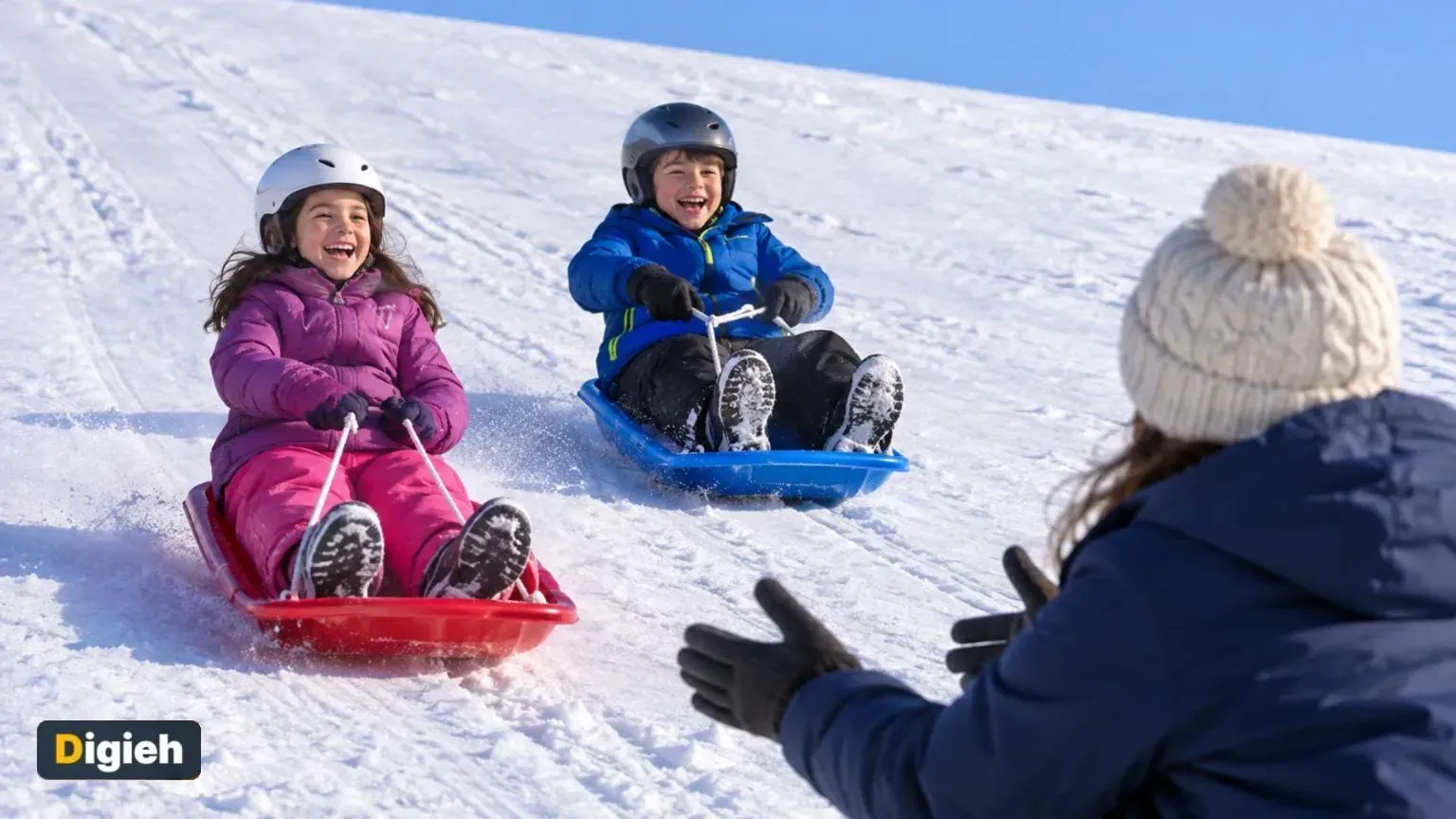
Few winter moments beat the first big snowfall and a trip to the sledding hill. Rosy cheeks, laughter and hot cocoa afterward make it a family favorite.
Sledding is also fast, and crashes happen quickly. Sleds can reach 20 to 25 miles per hour, according to Cincinnati Children’s Hospital.
The good news is that a few simple habits prevent most injuries. This guide covers hills, sleds, helmets, supervision and what to do if someone gets hurt.
Key Takeaways
- Always have an adult watching young sledders.
- Wear a helmet, since head injuries are common.
- Ride sitting up, facing forward and feet first.
- Pick a hill with a long, flat, clear area at the bottom.
- Never sled toward roads, ponds, trees or fences.
20,000Children who visit an emergency room each year after sledding accidents, according to Brown University Health.
Why Sledding Safety Matters
Sledding looks gentle, but injuries are common. According to Brown University Health, about 20,000 children visit an emergency room each year after sledding accidents.
That figure comes from a study by the American Academy of Pediatrics (AAP). Injuries range from broken bones to concussions, spinal fractures and internal injuries.
The head is the most often injured body part. That is why helmets and good riding position matter so much.
Does your family wear helmets when sledding?
- Always
- Sometimes
- Never
- Not sure
Choosing a Safe Hill
The hill you pick may be the single most important safety decision. Walk the area before anyone sleds.
What to Look For
- A smooth slope that is not too steep
- No trees, rocks, stumps, poles or fences in the path
- A long, flat area at the bottom to slow down
- Good visibility from top to bottom
What to Avoid
Never sled toward a road, parking lot or pond. Sleds cannot stop well on slippery surfaces, and frozen ponds may not hold a child’s weight.
Skip hills with holes, roots or bare patches. Icy hills also make sleds much faster and harder to control.
Busy hills raise the risk of crashes between sledders. Choose a quieter spot or go at a less crowded time.
Quick tip. Walk the hill with your kids before the first run. Point out any trees, rocks or roads and agree on where to stop.
Picking the Right Sled
Not all sleds are equally safe. The best ones let riders steer and brake.
| Sled Type | Steering | Safety Notes |
|---|---|---|
| Sled with steering handles or runners | Yes | Safest choice for most kids |
| Plastic toboggan | Limited | Fine on gentle hills with supervision |
| Saucer or disc | No | Spins and is hard to control |
| Inflatable snow tube | No | Very fast and can launch riders |
| Cafeteria tray or cardboard | No | Never use as a sled |
Penn State Health educator Shannon DePatto put it simply in a Penn State health column. She said that if sleds cannot be steered, they are not safe.
Check sleds each season for cracks, sharp edges or broken handles. Replace damaged sleds before the first snow day.
Match the sled to the rider’s size. A sled that is too big or too small is harder to control.
Read the maker’s label for age and weight limits. Follow those limits, even when kids beg to share one sled.
Wear a Helmet
Head injuries are among the most serious sledding injuries. Cincinnati Children’s notes that 43 percent of sled-riding injuries involve the head.
A winter sports helmet is ideal. If you do not have one, a bicycle helmet is better than nothing, the Penn State column advises.
Make sure the helmet fits snugly and is buckled. A loose helmet will not protect well in a crash.
Good to know. Ice makes sleds go much faster. Skip icy hills or choose a gentler slope on frosty days.
How to Ride Safely
Feet First, Sitting Up
Always ride sitting up, facing forward, with feet in front. This position makes steering easier and lowers the risk of a head injury.
Never sled head first, lying on your stomach. Avoid riding backward too.
One Rider at a Time
Brown University Health advises sliding one person at a time. Older kids should not tie sleds together or pile on top of each other.
Wait until the path below is clear before starting down. Then move out of the way quickly at the bottom.
Walk Up the Side
Climb back up along the edge of the hill, not the middle. That keeps the sledding path clear for the next rider.
If You Lose Control
Teach kids to roll off to the side if they cannot steer or stop. It is safer than holding on and crashing into something.
- Helmet on and buckled
- Steerable sled in good shape
- Hill checked for obstacles
- Clear stopping area at the bottom
- Adult watching
- Warm, waterproof layers
Supervision and Age Guidelines
Adult supervision is key to reducing sledding injuries, according to Cincinnati Children’s. Always have a grown-up at the hill with young children.
Children under 5 can sled on small hills with an adult, according to the Penn State column. Toddlers do best when an adult pulls them on flat ground.
Older kids still benefit from a watchful adult nearby. Set clear rules before anyone heads up the hill.
Rules to Share Before Sledding
- Sit up and go feet first every time.
- Wait for a clear path before starting.
- Walk up the side of the hill.
- Stay away from trees, roads and water.
- Come inside if you get wet or very cold.
Teaching Kids to Steer and Stop
Steering and stopping are skills, and kids learn them with practice. Start on a very small slope before moving to bigger hills.
Show kids how to lean or pull the handles to turn. Practice turning left and right on a gentle run.
Teach them to drag their feet gently to slow down. On sleds with brakes, let them try the brake several times.
Praise careful riding, not just speed. Kids who feel confident in control make safer choices.
Sledding With Toddlers and Young Kids
Little ones love snow, but their bodies are more fragile. Keep their sledding slow, short and close to an adult.
Pull toddlers on a sled across flat ground instead of sending them down a hill. They still get the thrill without the speed.
For preschoolers, choose the smallest, gentlest hill you can find. Stay right beside them and keep each run short.
Watch closely for cold hands and feet. Young children may not tell you when they are getting too cold.
Sledding Tips for Teens and Adults
Teens and adults get hurt sledding too. Bigger bodies build more speed, and grown-ups often choose steeper hills.
Follow the same rules you set for kids. Wear a helmet, go feet first and skip risky stunts and jumps.
Avoid sledding at night unless the hill is well lit. Darkness hides obstacles and makes other sledders hard to see.
Never mix alcohol and sledding. Clear judgment and quick reactions matter on a fast hill.
Check Local Rules
Many parks and cities have rules about where sledding is allowed. Some hills are closed because of hidden hazards.
Look for posted signs before you start. Respect closures, even if the hill looks perfect.
Public sledding areas often have cleared run-outs and fewer obstacles. They can be a safer choice than a random slope.
Free updates
Join the Digieh list
Be the first to know when our weekly brief launches.
No spam. Unsubscribe anytime. Read our Privacy Policy.
Never Tow a Sled With a Vehicle
Never pull a sled behind a car, snowmobile, all-terrain vehicle or any motorized vehicle. The Penn State column specifically warns against it.
Riders can be thrown into traffic, trees or other obstacles. Even slow speeds can lead to serious injuries.
What is the safest riding position on a sled?
- Head first on your stomach
- Backward
- Sitting up, feet first
Sitting up and facing forward with feet first makes steering easier and protects the head.
Dress for the Cold
Staying warm and dry keeps sledding fun. Wet, cold kids lose focus and are more likely to get hurt.
Dress in warm layers and cover the hands, head and feet. Waterproof gloves and boots make a big difference.
Bright clothing helps others see sledders on the hill. Come inside if clothes get wet, and watch for signs of frostnip and frostbite on fingers, toes, ears and cheeks.
Avoid long scarves that can catch on a sled or get tangled. A neck warmer or gaiter is a safer choice.
Snow Day Packing List
A small bag of supplies makes sledding day smoother. Pack it the night before so you are ready when the snow falls.
Bring spare gloves and socks, since wet ones chill hands and feet quickly. Add a towel to dry off faces and benches.
Pack a small first aid kit with bandages and wipes. A charged phone lets you call for help if needed.
Include snacks, water and a thermos of warm drinks. Hand warmers are a nice extra on very cold days.
Write a contact number on a card in each child’s pocket. It helps if kids get separated in a crowd.
Taking Breaks and Staying Hydrated
Kids often play hard until they are exhausted. Tired sledders are more likely to make mistakes.
Schedule warm-up breaks every 30 to 45 minutes. Offer water and a snack to keep energy up.
Our guide on winter hydration tips explains why drinking water matters in cold weather too.
When to Get Help
Most sledding bumps and bruises heal with rest. Some injuries need prompt medical care.
Call 911 or go to the emergency room for any of these signs.
- Loss of consciousness, even briefly
- Neck or back pain after a crash
- Trouble breathing or severe belly pain
- A limb that looks bent or cannot move
- Repeated vomiting after a head injury
See a doctor soon for signs of a possible concussion. Watch for headache, dizziness, confusion, unusual sleepiness or changes in behavior.
Do not move someone who may have a neck or back injury. Keep them still and warm until help arrives.
This article shares general safety information, not medical advice. Contact a healthcare provider about any injury you are unsure about.
What should you do if you lose control of your sled?
- Hold on tighter
- Roll off to the side
- Stand up
Rolling off to the side is safer than crashing into an obstacle.
Make Sledding Day Fun and Safe
Safety does not have to spoil the fun. A little planning lets everyone enjoy the snow.
Pack helmets, extra gloves and a thermos of something warm.
Agree on a meeting spot in case kids drift apart. Keep the plan simple so little ones remember it. Repeat it twice.
Wrap up with hot cocoa at home and talk about the best runs of the day. Our homemade hot chocolate recipe is the perfect finish to a snow day.
For older kids ready for the slopes, our guide to skiing tips for beginners covers the next winter adventure.
Try this today. Find your family’s helmets and sleds and check them for cracks. Make a list of anything to replace before the first snow.
Frequently Asked Questions
What is the safest way to sled?
Sit up, face forward and go feet first on a steerable sled. Choose a hill with a clear, flat area at the bottom and no obstacles.
Should kids wear helmets for sledding?
Yes. Head injuries are common in sledding, and a helmet can lower the risk of serious harm.
At what age can kids sled alone?
Young children under 5 should sled with an adult on small hills. Older kids can ride alone but still need an adult watching nearby.
Are snow tubes safe?
Snow tubes are fast and cannot be steered. Many safety experts advise avoiding them, especially on steep hills.
What should you do after a sledding crash?
Check for pain, dizziness or confusion. Seek emergency care for neck or back pain, loss of consciousness or trouble breathing.
Conclusion
Sledding is one of winter’s greatest joys, and a few habits keep it safe. Pick a clear hill, use a steerable sled and wear a helmet.
Ride feet first, one at a time, with an adult watching. Know the signs of serious injury, and enjoy every snowy run together.
Found this useful?
Editor’s Note
This article is accurate as of November 8, 2026. It draws on guidance from Brown University Health, Cincinnati Children’s Hospital and Penn State Health. It is general safety information, not medical advice.
Spot an error in this article? Please contact us at support@digieh.com or read our Corrections Policy.
Keep exploring
Your next read is waiting
 1Food & LifestyleCreamy Butternut Squash Soup Recipe for Cozy Nights9 min read
 2TechnologyEasy Ways to Transfer Data to a New Phone10 min read
 3HealthStrep Throat Signs and Smart Steps to Recover10 min read
 4EntertainmentWhite Elephant Gift Ideas Everyone Will Fight Over10 min read
 5SportsCrown Jewel 2026 Results and the Biggest Moments5 min read
 6Finance & MarketsHoliday Tipping Guide for 2026 With Smart Amounts9 min read