TRENDING
Winter Headaches: Common Causes and Simple Relief Tips

10 min read
Last updated November 8, 2026
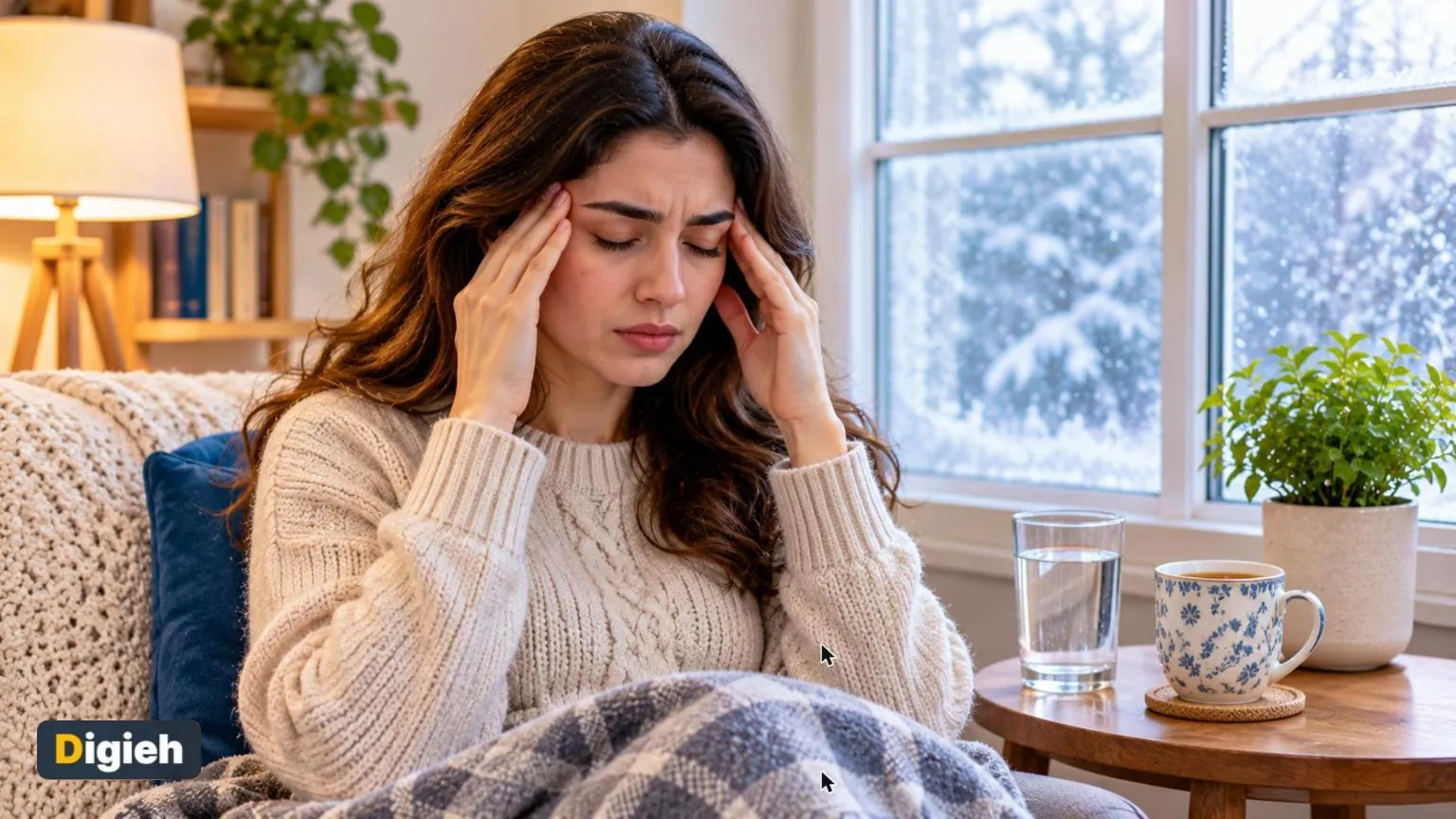
Many people notice more headaches when the weather turns cold. Dry air, shorter days and holiday stress can all play a part.
Most winter headaches are not dangerous. But knowing what triggers them can help you feel better and prevent the next one.
This guide covers common winter headache causes, simple relief steps and the warning signs that need medical care right away.
Key Takeaways
- Dry indoor air and dehydration are common winter headache triggers.
- Pressure changes from cold fronts may set off migraines in some people.
- Less sleep, less daylight and holiday stress can add up.
- Headaches with dizziness or nausea at home may signal carbon monoxide exposure.
- A sudden, severe headache needs emergency care right away.
3x a weekUsing as-needed pain medicine more often than this can lead to medication overuse headaches, notes Rush University Medical Center.
Why Headaches Can Get Worse in Winter
Winter changes your surroundings and your routine. Several of those changes can trigger headaches.
According to Summit Health, cold weather often brings low-pressure systems. Pressure differences between indoor and outdoor air can cause sinus and ear pain.
Summit Health also notes that pressure changes can cause blood vessels to widen. In some people, that may trigger migraines.
Common Types of Headaches
Not all headaches are the same. Rush University Medical Center describes several common types.
| Type | What It Often Feels Like |
|---|---|
| Tension headache | Tight band or pressure around the head, often linked to stress |
| Migraine | Throbbing pain, sometimes with nausea or light sensitivity |
| Sinus-related headache | Pressure around the eyes, cheeks or forehead |
| Medication overuse headache | Frequent headaches from using pain relievers too often |
Rush notes that migraine and sinus headaches are easy to confuse. A doctor can help sort out which type you have.
Do you get more headaches in winter?
- Yes, often
- Sometimes
- No difference
- Not sure
Trigger 1. Dry Indoor Air
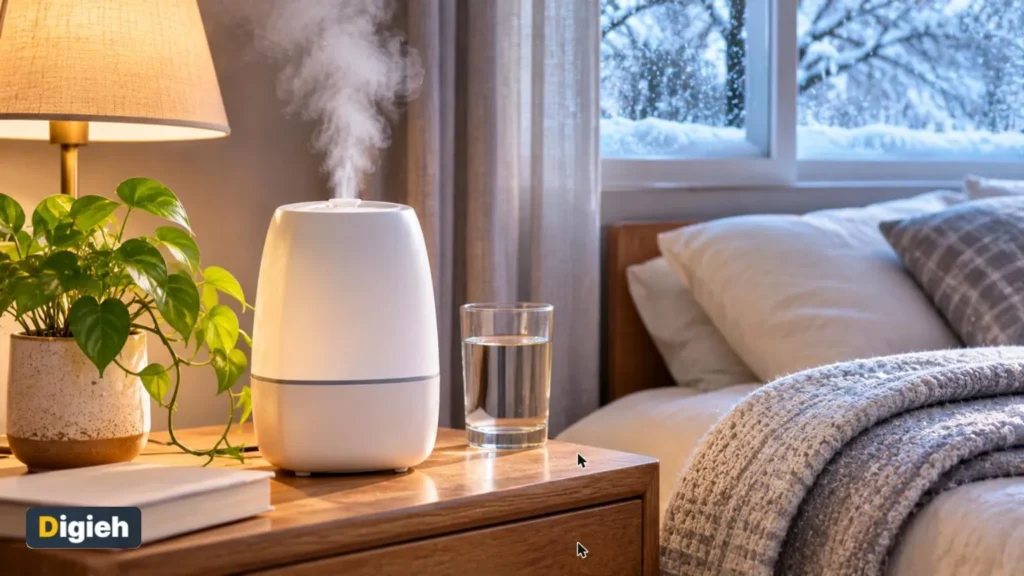
Heating systems pull moisture from the air. Low humidity can dry out your nose and sinuses.
Summit Health explains that dry air can dehydrate the body and thicken sinus mucus. Thick mucus is harder to clear, which can lead to sinus problems and headaches.
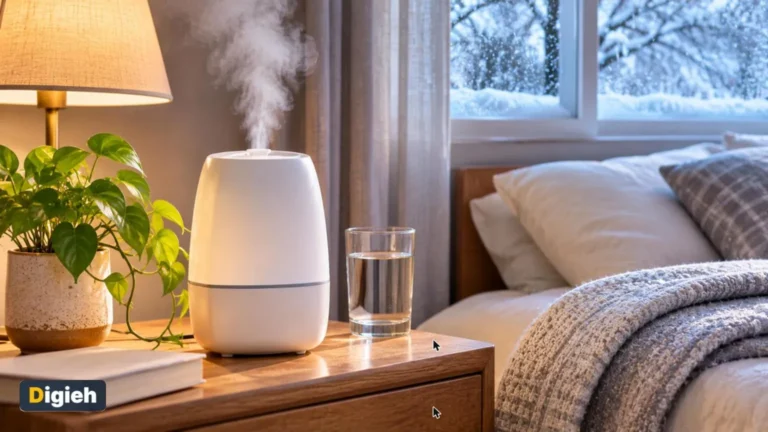
A humidifier can help, if you use it safely. Our guide on how to use a humidifier safely explains ideal humidity levels and cleaning.
Trigger 2. Dehydration
People often drink less water in winter because they feel less thirsty. Yet indoor heat and dry air still pull moisture from the body.
Summit Health recommends staying hydrated to keep sinus mucus thin. Keep a water bottle nearby as a reminder.
Warm drinks like herbal tea and broth count too. Soups and water-rich fruits add extra fluids.
Check the color of your urine as a simple guide. Pale yellow usually means you are drinking enough.
Set gentle reminders on your phone if you often forget to drink. Pairing a glass of water with each meal also builds the habit.
Coffee and tea can count toward fluids for most people. Just keep your caffeine routine steady from day to day.
Trigger 3. Weather and Pressure Changes
Cold fronts and winter storms bring shifts in air pressure. Some people feel these changes as headaches.
Rush lists storms as a common trigger for people with migraine. You cannot control the weather, but you can plan ahead.
A headache diary can show whether weather is a pattern for you. Summit Health suggests tracking when headaches happen.
Good to know. Sinus headaches and migraines can feel alike. A doctor can help you figure out which one you have so you get the right care.
Trigger 4. Changes in Sleep
Shorter days can throw off sleep schedules. Holiday parties and travel can cut into rest too.
Too little sleep, or sleeping in much later than usual, can trigger headaches for some people. A steady bedtime and wake time help.
Our guide on how to sleep better in winter shares practical tips for restful nights.
Trigger 5. Stress and Eye Strain
Rush names stress and eye strain as common headache triggers. Winter can bring both.
Holiday planning, travel and year-end deadlines raise stress levels. Long hours on screens indoors can strain your eyes.
Take short breaks every hour to stretch and rest your eyes. Look at something far away for a few seconds.
Trigger 6. Skipping Caffeine or Meals
Busy holiday schedules can disrupt normal routines. Rush notes that missing your usual morning coffee can trigger a headache.
Skipped meals can do the same for some people. Try to eat regular meals and snacks, even on hectic days.
If you want to cut back on caffeine, do it slowly over several days. Sudden changes are more likely to cause headaches.
- Drink water through the day
- Keep a regular sleep schedule
- Eat meals on time
- Take screen breaks
- Check indoor humidity
- Test carbon monoxide detectors
Trigger 7. Cold Exposure
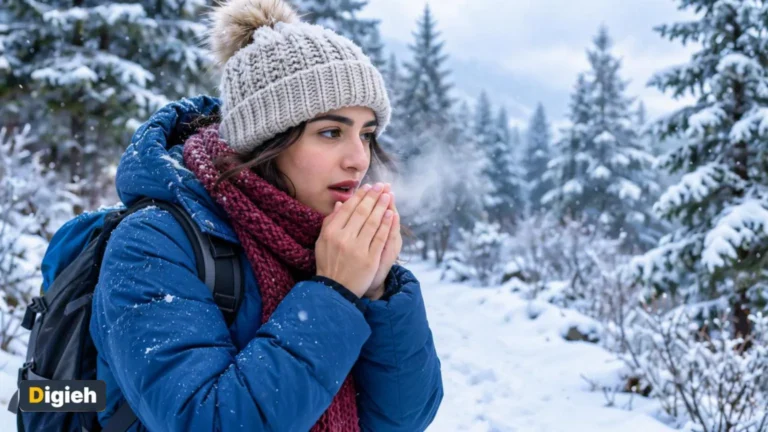
Some people get headaches after stepping into very cold air. Cold wind on the face and head can be uncomfortable.
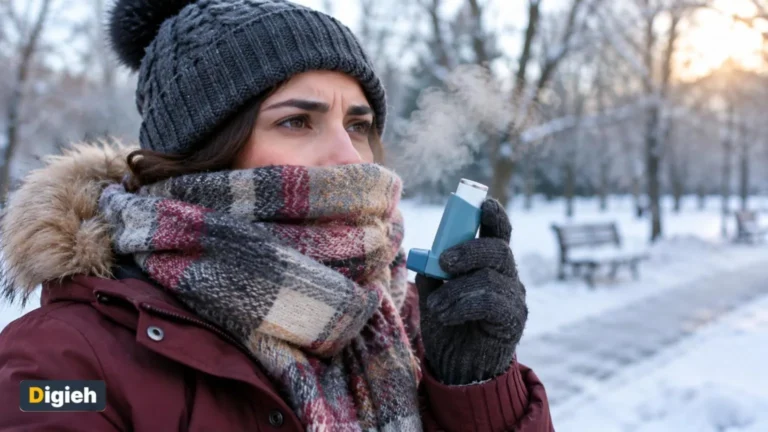
Wear a warm hat and scarf on cold days. Cover your forehead and ears when the wind picks up.
Breathing cold air through a scarf can also make it feel less harsh. Warm up slowly when you come back inside.
A Hidden Danger: Carbon Monoxide
Not every winter headache comes from weather or stress. Sometimes it signals a serious problem at home.
The Centers for Disease Control and Prevention (CDC) lists headache, dizziness and weakness as common carbon monoxide symptoms. Upset stomach, vomiting, chest pain and confusion can also occur, and the CDC calls them flu-like.
Be alert if several people or pets in the home feel sick at the same time. Feeling better after leaving the house is another clue.
If you suspect carbon monoxide, get everyone outside to fresh air right away. Then call 911 or your local emergency number.
The CDC recommends carbon monoxide detectors near every sleeping area. Our furnace maintenance guide explains why yearly heating checks matter.
Quick tip. Test your carbon monoxide detectors when you change your clocks. It is an easy way to remember twice a year.
Simple Relief Tips
Many mild headaches ease with simple self-care. Try these steps when a headache starts.
- Drink a glass of water.
- Rest in a quiet, dimly lit room.
- Place a cool or warm cloth on your forehead or neck.
- Eat a small snack if you skipped a meal.
- Step away from screens for a while.
- Try slow, deep breathing to relax tense muscles.
Gentle neck and shoulder stretches may ease tension headaches. Move slowly and stop if anything hurts.
Summit Health suggests using your usual headache treatment when pain starts. Ask a doctor or pharmacist which options are right for you.
Which symptom can point to carbon monoxide exposure?
- Itchy skin only
- Headache with dizziness and nausea
- Sneezing
The CDC lists headache, dizziness and upset stomach among common carbon monoxide symptoms.
Be Careful With Frequent Pain Relievers
Over-the-counter pain relievers can help occasional headaches. But using them too often can backfire.
Rush notes that taking as-needed medicine more than three times a week can lead to medication overuse headaches. These headaches can become a frustrating cycle.
If you need pain relievers often, talk with your doctor. They can help find the cause and suggest other options.
Free updates
Join the Digieh list
Be the first to know when our weekly brief launches.
No spam. Unsubscribe anytime. Read our Privacy Policy.
Prevention Tips for Winter
A few daily habits can lower your chances of winter headaches.
- Keep indoor humidity in a comfortable range.
- Drink water regularly, even when not thirsty.
- Stick to a regular sleep schedule.
- Eat balanced meals at regular times.
- Get outside for daylight when you can.
- Take screen breaks during long workdays.
- Manage stress with walks, stretching or quiet time.
Short winter days may affect mood and energy too. Our guide to vitamin D in winter explains why daylight matters.
What kind of headache needs emergency care?
- A sudden, severe headache that peaks within a minute
- A mild headache after skipping lunch
- A dull ache after a long day
Rush University Medical Center says a sudden, severe headache needs immediate emergency care.
Exercise and Winter Headaches
Regular physical activity can help reduce stress and improve sleep. Both may lower how often headaches strike.
Cold weather makes outdoor exercise harder, so look for indoor options. Walking at a mall, home workouts and yoga videos all count.
Warm up slowly, drink water and avoid pushing too hard on very cold days. Stop and rest if exercise brings on a headache.
Keep a Headache Diary
A headache diary can reveal patterns you would otherwise miss. Summit Health recommends tracking when headaches happen.
Write down the date, time, how bad the pain was and what you were doing. Note sleep, meals, drinks, weather and stress.
After a few weeks, look for repeating triggers. Bring your diary to doctor visits to help guide the conversation.
Headaches in Kids During Winter
Children get winter headaches too. Dehydration, skipped meals and too much screen time are common causes.
Encourage kids to drink water during the day, especially if they play hard outside. Pack snacks for school and activities.
Watch for headaches that wake a child from sleep or come with vomiting. These patterns should be checked by a pediatrician.
Holiday Habits That Can Trigger Headaches
The holiday season brings fun, but also habits that may spark headaches. Late nights, rich foods and long car trips are common culprits.
Alcohol can trigger headaches in some people, and it also adds to dehydration. If you drink, alternate with water.
Strong scents from candles, perfumes or cleaning products bother some people. Open a window or choose unscented options if you notice a pattern.
Long drives or flights can mean poor sleep and skipped meals. Plan rest stops, snacks and water for travel days.
Headaches and the Winter Blues
Short days and less sunlight can affect mood and energy. Some people notice more headaches when they feel low.
Getting outside in daylight, staying active and keeping a routine can help both mood and headaches. Even a short midday walk counts.
If low mood lasts for weeks, talk with a health professional. Our guide to seasonal affective disorder explains signs and support.
Headaches and Winter Colds
Colds and sinus infections are common in winter. Both can cause head pressure and pain.
Thick nasal drainage and facial pressure may point to sinus trouble. Our article on telling a sinus infection from a cold explains the differences.
Rest, fluids and humid air often help cold-related headaches. See a provider if symptoms last or get worse.
When to Get Help
Most headaches are not serious, but some need prompt care. Rush University Medical Center lists clear warning signs.
See a Doctor If
- Your headache pattern changes in location, feel or symptoms.
- You get a new kind of headache at age 50 or older.
- Headaches happen daily or several times a week.
- Headaches follow a head injury.
- Headaches interfere with work or daily life.
Get Emergency Care Right Away If
- You have a sudden, severe headache that peaks within about a minute.
- A headache comes with fever, stiff neck, confusion or fainting.
- You have weakness, numbness, slurred speech or vision changes.
- A migraine lasts more than three days.
- You suspect carbon monoxide exposure.
Call 911 or your local emergency number for any sudden, severe symptoms. Do not drive yourself.
Try this today. Fill a water bottle and keep it in sight. Then start a simple headache diary on your phone.
Frequently Asked Questions
Why do I get more headaches in winter?
Dry air, dehydration, pressure changes, less sleep and stress can all trigger winter headaches.
Can cold weather cause migraines?
For some people, yes. Pressure changes from cold fronts and storms may trigger migraines.
Can a humidifier help with headaches?
It may help if dry air irritates your sinuses. Keep humidity in a healthy range and clean the unit often.
When is a headache an emergency?
A sudden, severe headache or one with weakness, confusion, fever or stiff neck needs emergency care.
Could my headache be from carbon monoxide?
It could if others at home feel sick too, or if you feel better after leaving. Get to fresh air and call 911.
Conclusion
Winter headaches often come from dry air, dehydration, weather changes, poor sleep and stress. Simple habits can prevent many of them.
Drink water, keep air comfortably humid and protect your sleep. Know the warning signs, and get help right away for sudden or severe headaches.
Found this useful?
Editor’s Note
This article is accurate as of November 8, 2026. It draws on guidance from Rush University Medical Center, Summit Health and the Centers for Disease Control and Prevention. It is general health information, not medical advice.
Spot an error in this article? Please contact us at support@digieh.com or read our Corrections Policy.
Keep exploring
Your next read is waiting
 1HealthHow to Use a Humidifier Safely This Winter10 min read
 2SportsIce Hockey Rules Explained: Easy Guide for Beginners10 min read
 3BusinessHow to Write a Powerful Year-End Self Review10 min read
 4Food & LifestyleCrispy Homemade Potato Latkes With Golden Lacy Edges9 min read
 5EntertainmentHoliday Volunteering Ideas: Meaningful Ways to Give Back10 min read
 6Finance & MarketsSinking Funds Explained: A Smart Way to Save10 min read