TRENDING
Dry Cracked Hands in Winter: Easy Proven Fixes

11 min read
Last updated November 8, 2026
Winter can be tough on your hands. Cold air, dry indoor heat and constant washing can leave skin rough, tight and cracked.
Cracks can sting, bleed and make simple tasks painful. The good news is that most cases improve with a few steady habits.
This guide explains why hands crack in winter and how to heal them. It also covers prevention and the signs that mean you should see a doctor.
Key Takeaways
- Cold, dry air and frequent washing strip natural oils from your hands.
- Thick creams and ointments work better than thin lotions.
- Moisturize right after every hand wash.
- An overnight treatment with cotton gloves can speed healing.
- See a dermatologist if cracks bleed, hurt or do not improve.
40 to 50%The indoor humidity range that helps protect dry skin, according to Ohio State University Wexner Medical Center.
Why Hands Crack in Winter
Your skin has a protective outer layer that holds in water. Winter weather weakens that barrier.
The Ohio State University Wexner Medical Center names cold weather, low humidity, wind and frequent washing as key causes. Each one strips moisture and oils. Once the barrier weakens, small cracks form.
Those cracks can bleed, itch and let germs in. That is why treating them early matters.
Why Hands Get Hit Hardest
Hands face more exposure than most of your body. A dermatologist at Henry Ford Health notes that hands often stay uncovered while the rest of you is bundled up.
Hands also get washed many times a day. Each wash removes some of the natural oils that protect skin.
Hand Sanitizer and Harsh Soaps
Alcohol-based hand sanitizer can add to dryness. Harsh soaps and cleaning products can make it worse.
You should still keep hands clean, especially during cold and flu season. The key is to replace lost moisture after each wash.
How often do your hands get dry in winter?
- Almost every day
- A few times a week
- Rarely
- Not sure
Choosing the Right Moisturizer
Not all moisturizers work the same. Texture makes a big difference for dry, cracked skin.
Creams and Ointments Beat Lotions
Thin lotions contain more water and evaporate quickly. Thick creams and ointments form a stronger seal over the skin.
Henry Ford Health suggests a thick hand cream during the day. A petroleum-based ointment works well at night.
Helpful Ingredients
The Ohio State guide recommends looking for ceramides, glycerin, hyaluronic acid, petrolatum or dimethicone. These ingredients help hold water in the skin or repair the barrier.
Emollients soften rough skin and reduce flaking. A dermatologist at Rochester Regional Health calls an emollient cream the best way to treat dry skin.
Skip the Fragrance
Fragrance is a common skin irritant. It can sting cracked skin and trigger allergic reactions.
Choose products labeled fragrance free. This matters most when your skin is already raw.
Use the Right Cream for the Right Spot
Foot creams often contain stronger ingredients. Rochester Regional Health advises against using them on your hands, since they may irritate skin.
If you run out of hand cream, a plain body lotion is a better stand-in.
Good to know. A moisturizer works best on slightly damp skin. Applying it right after washing traps water in the skin before it evaporates.
A Simple Daily Hand Care Routine
Healing cracked hands is about consistency. A few small habits repeated every day add up quickly.
Wash Gently
Use lukewarm water instead of hot water. Hot water strips oils faster.
Choose a mild, unscented soap. Pat your hands dry with a soft towel rather than rubbing.
Moisturize Right Away
Apply moisturizer within a minute or two of washing. Damp skin absorbs moisture more easily.
Keep a tube of cream by every sink in your home. Carry a small one in your bag or car too.
Reapply Through the Day
Moisturize before dryness sets in, not after. The Ohio State guide suggests applying cream throughout the day, not just after washing.
Reapply after cleaning, cooking or spending time outdoors. Your hands will thank you.
Daily moisturizing counter
One application after each wash and each exposure keeps skin protected.
- Wash with lukewarm water
- Use mild, unscented soap
- Pat hands dry
- Moisturize within minutes
- Reapply through the day
- Wear gloves outdoors
- Use an overnight treatment
The Overnight Hand Treatment
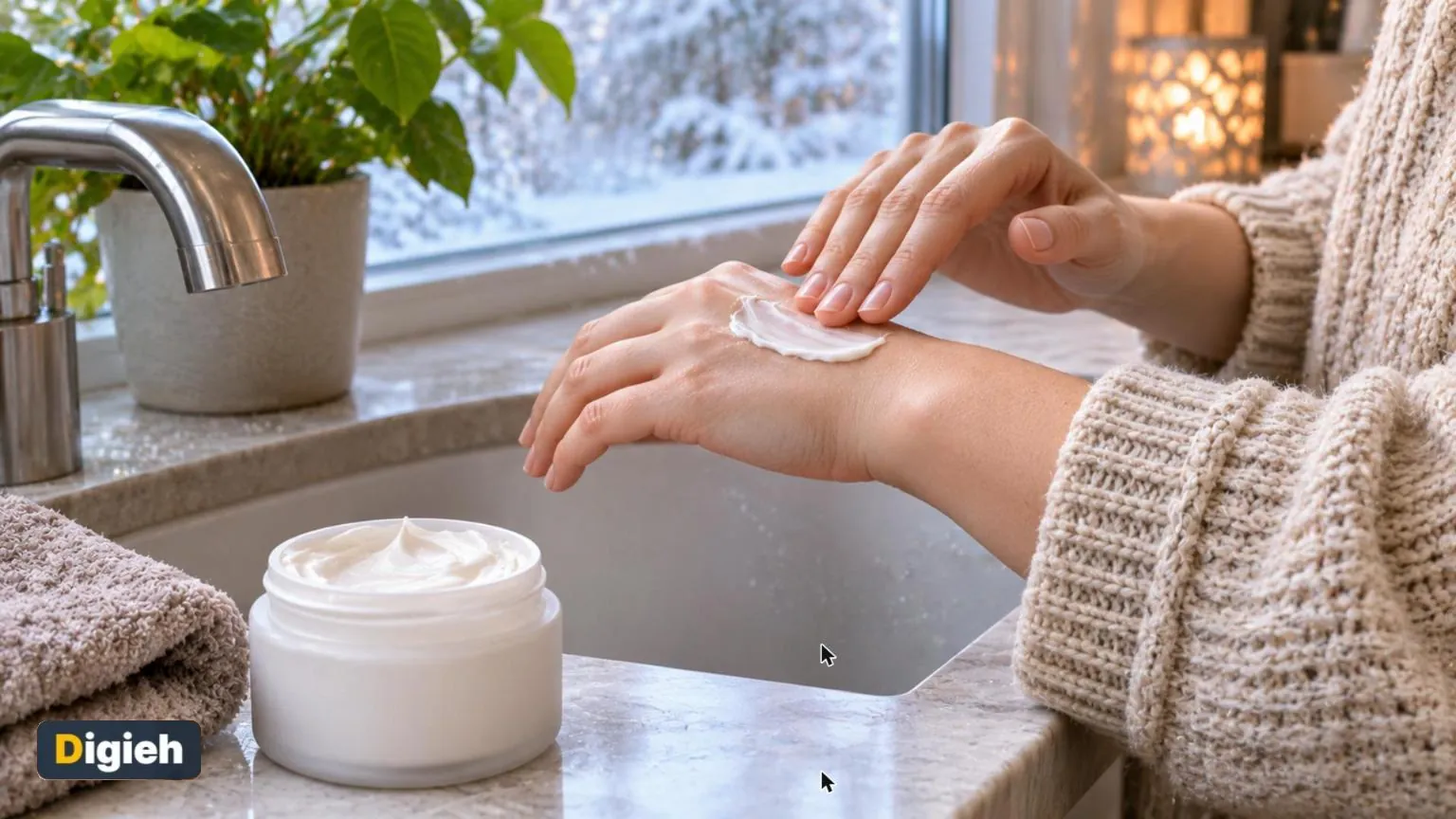
Night is the best time to repair dry hands. Your hands rest, and thick products can soak in for hours.
Wash your hands gently before bed and pat them dry. Apply a thick layer of ointment or rich cream.
Slip on thin cotton gloves or clean cotton socks. They hold in moisture and keep ointment off your sheets.
How Soon Will It Work?
Many people notice softer skin after a single night. Deep cracks usually take longer to close.
Repeat the treatment nightly until your hands feel smooth. Then continue a few nights a week to maintain results.
Quick tip. Keep a small tube of fragrance-free hand cream in your coat pocket. Apply it every time you come in from the cold.
Protecting Your Hands Outdoors
Prevention is easier than repair. Gloves are your first line of defense.
Wear warm gloves whenever you head outside in cold or windy weather. Choose waterproof gloves for snow shoveling and outdoor chores.
Our guide to frostbite and hypothermia warning signs explains how extreme cold can harm exposed skin.
Choosing the Right Gloves
Look for gloves with a soft lining, such as fleece or cotton. Wool can feel scratchy on raw skin.
Make sure gloves fit well without squeezing. Tight gloves can rub against cracks and slow healing.
Wash gloves often, since dirt and sweat can irritate sore skin. Keep a dry spare pair for wet days.
Protecting Your Hands Indoors
Household tasks can be just as harsh as winter wind. Hot dishwater and cleaning sprays strip oils fast.
Wear rubber or vinyl gloves when washing dishes or cleaning. Line them with cotton gloves if rubber irritates your skin.
Add Moisture to the Air
Indoor heating dries out the air. The Ohio State guide suggests keeping indoor humidity around 40 to 50 percent.
A humidifier can help, especially in the bedroom. Our guide on how to use a humidifier safely covers cleaning and placement tips.
Which product works best for very dry, cracked hands?
- A thin, watery lotion
- A scented body spray
- A thick cream or ointment
Thick creams and ointments form a stronger seal that holds moisture in the skin.
Washing Without Wrecking Your Skin
Clean hands help prevent illness, so do not skip handwashing. Simply wash smart.
Our guide on how to wash your hands properly explains the right technique. Follow every wash with moisturizer.
When soap and water are not available, hand sanitizer is still useful. Apply hand cream once the sanitizer dries.
Food, Water and Healthy Skin
Healthy skin starts from the inside too. The Ohio State guide recommends staying hydrated and eating a balanced diet.
Drink water regularly, even when you do not feel thirsty. Winter air can dehydrate you without much warning.
Foods with healthy fats, like nuts, seeds and fish, support overall skin health. They are no substitute for moisturizer, but they help.
Caring for Other Winter Skin
Your hands are not the only skin that suffers in winter. Lips and faces dry out too.
Our guide on how to heal chapped lips covers lip care basics. For a full routine, read our winter skincare guide.
Older adults are more prone to dry skin. Rochester Regional Health notes they should take extra care with moisturizing.
What water temperature is best for washing dry hands?
- Lukewarm
- Very hot
- Ice cold
Lukewarm water cleans well without stripping as many natural oils as hot water.
Free updates
Join the Digieh list
Be the first to know when our weekly brief launches.
No spam. Unsubscribe anytime. Read our Privacy Policy.
Hand Care for Busy Workers
Some jobs are especially hard on hands. Nurses, food workers, cleaners and hairstylists wash many times a day.
Keep a pocket-size, fragrance-free cream with you at work. Apply it during every break, even if your hands feel fine.
Wear protective gloves when handling chemicals or wet work. Change gloves if they get damp inside, since trapped moisture can irritate skin.
Outdoor and Trade Workers
Construction and delivery workers face wind, cold and rough materials. Insulated work gloves protect against both cold and scrapes.
A thick barrier cream before your shift can help. Reapply at lunch and again at the end of the day.
Hand Care for Kids
Children wash their hands often at school, and their skin can dry out fast. Many kids also forget gloves on cold days.
Pack a small tube of gentle cream in their backpack. Teach them to rub it in after washing. A fun reminder chart on the bathroom mirror can really help younger children build the habit.
Mittens and warm gloves help on the playground. Keep a spare pair in the car for forgetful days.
Build a Simple Hand Care Kit
A small kit makes good habits easy. Keep one at home and one in your bag or desk.
Include a thick fragrance-free cream, a petroleum-based ointment and a pair of cotton gloves. Add a lip balm while you are at it.
Refill the kit as soon as something runs low. That way you never skip a step.
Myths About Dry Hands
Many people believe drinking more water alone will fix dry hands. Hydration helps, but skin still needs moisturizer on the outside.
Some think lotion makes hands dependent on it. That is not true, since moisturizer simply replaces what winter strips away.
Others believe natural oils from the kitchen always work best. Some oils help, but a cream designed for skin usually seals in moisture better.
Hand Care While Traveling
Holiday travel brings airplane air, hotel soaps and long drives. All of these can dry out your hands quickly.
Pack a travel-size cream in your carry-on bag. Airplane cabins have very low humidity, so reapply during the flight.
Hotel soaps are often scented. Bring your own mild soap if your skin reacts easily.
Gentle Care for Rough Patches
Thick, rough skin on knuckles and fingertips can be stubborn. Avoid scrubbing hard, since that can open new cracks.
Soak your hands in lukewarm water for a few minutes. Then pat dry and apply a thick ointment right away.
Trim loose skin carefully with clean nail clippers rather than tearing it. Torn skin can bleed and invite infection.
Signs Your Routine Is Working
Healing hands usually feel less tight within a few days. Small cracks often close within a week or two.
Your skin should look smoother and less red. Stinging after washing should fade too.
If you see no change after two weeks of steady care, something else may be going on. That is a good time to check with a dermatologist.
Common Mistakes to Avoid
Some habits make dry hands worse without you noticing. Watch out for these.
- Washing with very hot water.
- Using thin, watery lotions only.
- Picking or peeling flaky skin.
- Skipping gloves on cold days.
- Choosing heavily scented products.
Small changes to these habits can bring relief within days.
When to Get Help
Routine dry hands rarely need a doctor. Some signs, however, mean you should get checked.
See a board-certified dermatologist if your hands crack, bleed or stay painful despite home care. The Ohio State guide says to seek care promptly for signs of infection, such as crusting, oozing or scabbing.
Ongoing dryness can signal a condition like eczema or contact dermatitis. Henry Ford Health notes that a dermatologist can recommend prescription barrier creams or anti-inflammatory treatments.
Get medical care right away if you notice spreading redness, warmth, swelling or fever. These may be signs of a skin infection.
This article is general health information, not medical advice. Talk with a health professional about your specific symptoms.
Try this today. Tonight, apply a thick layer of ointment and wear cotton gloves to bed. Check how your hands feel in the morning.
Frequently Asked Questions
Why do my hands crack in winter?
Cold, dry air, low humidity and frequent washing strip moisture and oils from skin. This weakens the skin barrier and leads to cracks.
What is the best moisturizer for cracked hands?
Thick creams and ointments work better than lotions. Look for fragrance-free products with ceramides, glycerin or petrolatum.
How can I heal cracked hands overnight?
Apply a thick ointment at bedtime and cover your hands with cotton gloves. Repeat nightly until skin feels smooth.
Does hand sanitizer dry out skin?
Alcohol-based sanitizers can add to dryness. Apply hand cream after the sanitizer dries.
When should I see a doctor for dry hands?
See a dermatologist if cracks bleed, hurt or do not improve with home care. Seek prompt care for signs of infection.
Conclusion
Dry, cracked hands are common in winter, but they do not have to last all season. Thick moisturizers, gentle washing and gloves make a real difference.
Start with an overnight treatment tonight and keep cream near every sink. Most people see results within days.
If your hands still hurt or crack despite good care, see a dermatologist. Healthy hands make the whole winter more comfortable.
Found this useful?
Editor’s Note
This article is accurate as of November 8, 2026. It draws on guidance from dermatologists at three health systems. It is general health information, not medical advice.
Spot an error in this article? Please contact us at support@digieh.com or read our Corrections Policy.
Keep exploring
Your next read is waiting
 1SportsHow to Host the Ultimate Football Watch Party10 min read
 2TechnologyClever Smart Plug Ideas to Save Energy Daily10 min read
 3EntertainmentSecret Santa Rules and Gift Ideas Everyone Loves10 min read
 4Finance & MarketsRenters Insurance Explained: Simple Guide to Smart Coverage10 min read
 5Food & LifestylePoinsettia Care Tips to Keep Plants Bright Longer9 min read
 6HealthMindfulness Meditation for Beginners: Easy Steps to Start10 min read